


Electric Transformers: Types, Applications and Components
IQS Directory EditorialUpdated 3 chapters
6 leading suppliers listed with this guide
Browse electric transformer suppliersContents (3 chapters)
This article will take an in-depth look at electric transformers.
The article will bring more detail on topics such as:
- Principle of Electric Transformers
- Types of Electric Transformers
- Applications and Benefits of Electric Transformers
- And Much More…

Chapter 1: Understanding the Principle of Electric Transformers
This section delves into electric transformers, detailing their construction, operational principles, applications in power distribution, and the key components that support efficient voltage transformation.
Understanding Electric Transformers
Electric transformers are stationary electrical devices that facilitate the transfer of alternating current (AC) power between circuits while preserving the same frequency. These power transformers are specifically designed to alter voltage levels, either stepping voltage up or stepping voltage down, which inversely affects the current flow. The functioning of a transformer is grounded in the principles of electromagnetic induction and mutual induction, making it essential in electrical transmission, distribution transformers, and industrial power systems.
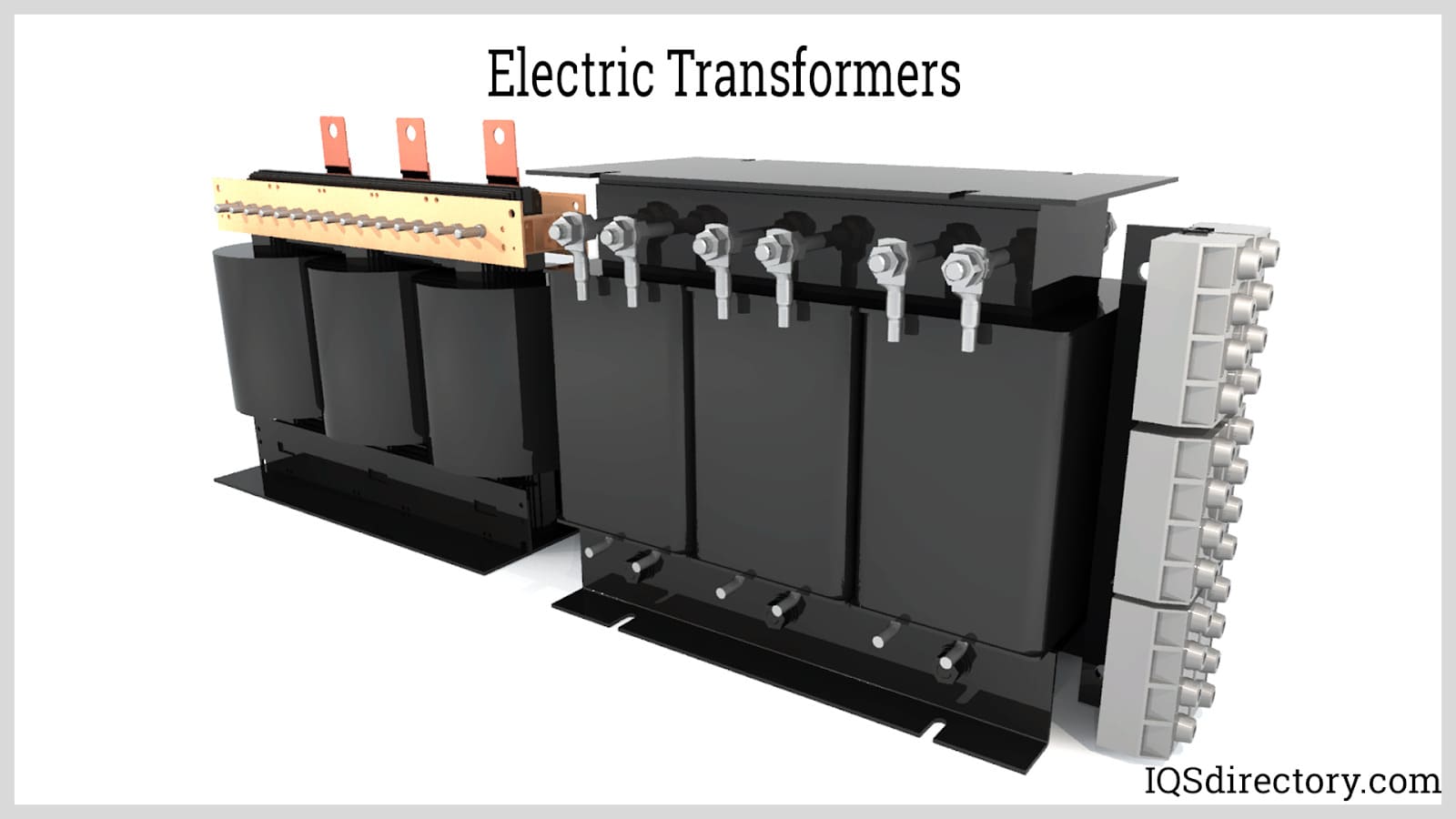
Operational Mechanism of Electric Transformers
The functioning of electric transformers is dictated by Faraday's laws of electromagnetic induction. The core concept is that electricity can generate magnetic fields, and vice versa, magnetism can induce electricity. This transformer principle is what allows voltage conversion without moving parts, delivering efficient electrical power transfer across utility grids, substations, and end-use equipment.
Magnetism is a critical factor in all electrical systems. Transformers exploit magnetic properties to modify voltage levels, either amplifying or reducing them. By manipulating the magnetic field strength within the transformer core, electrical force and power changes are induced. When a conductive wire, like copper, is part of this process, electrons are set in motion, enabling electrical transmission. In practice, transformer efficiency, impedance, and load requirements all influence performance and selection.
Transformers can modify voltage levels based on the coil configurations around their core. As alternating current traverses the primary winding, the magnetic field varies. The core is wound with an output wire, and the changing magnetic field induces a current within this secondary winding. This magnetic coupling is what makes step-up transformers and step-down transformers indispensable in modern electrical distribution.
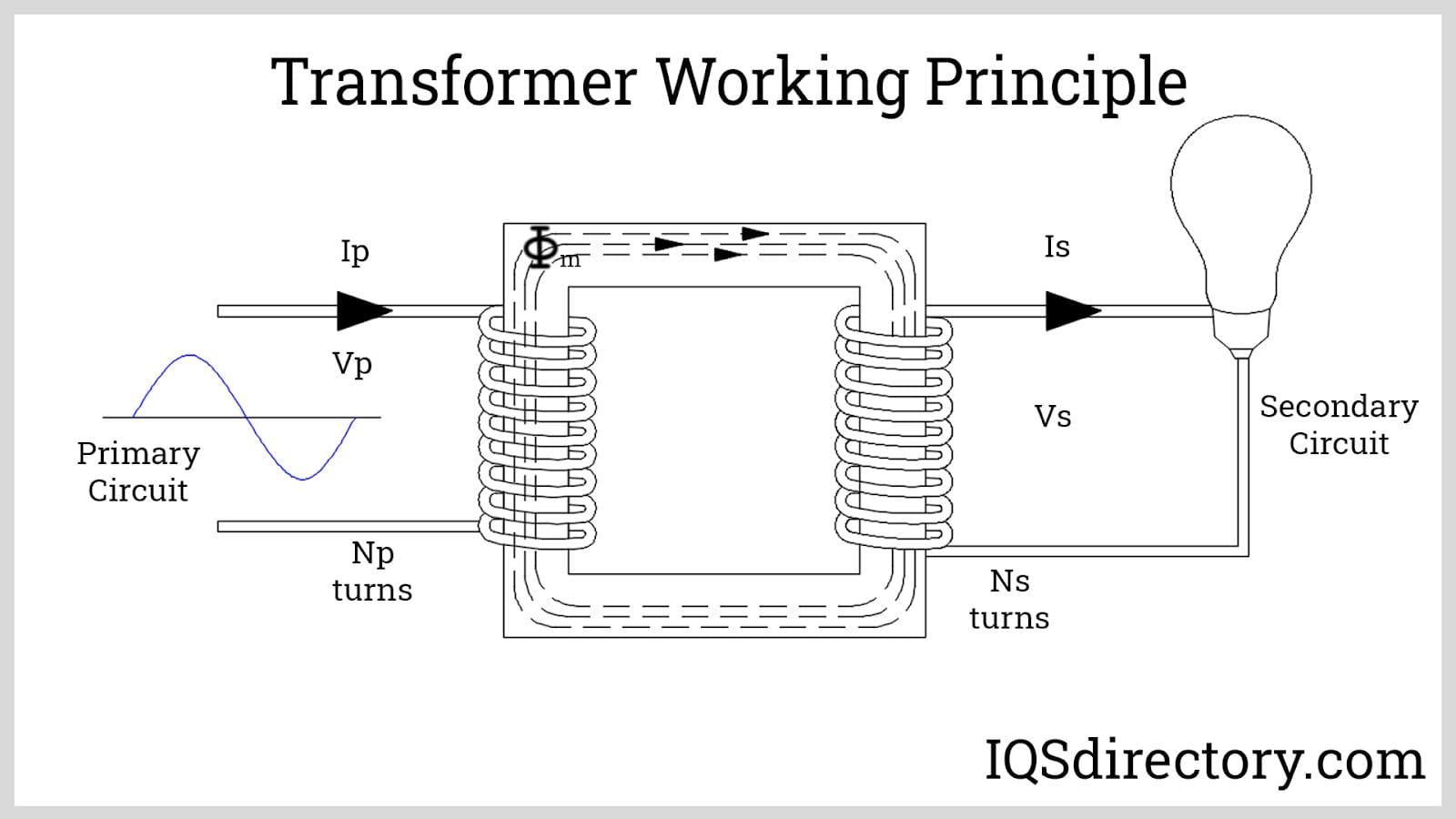
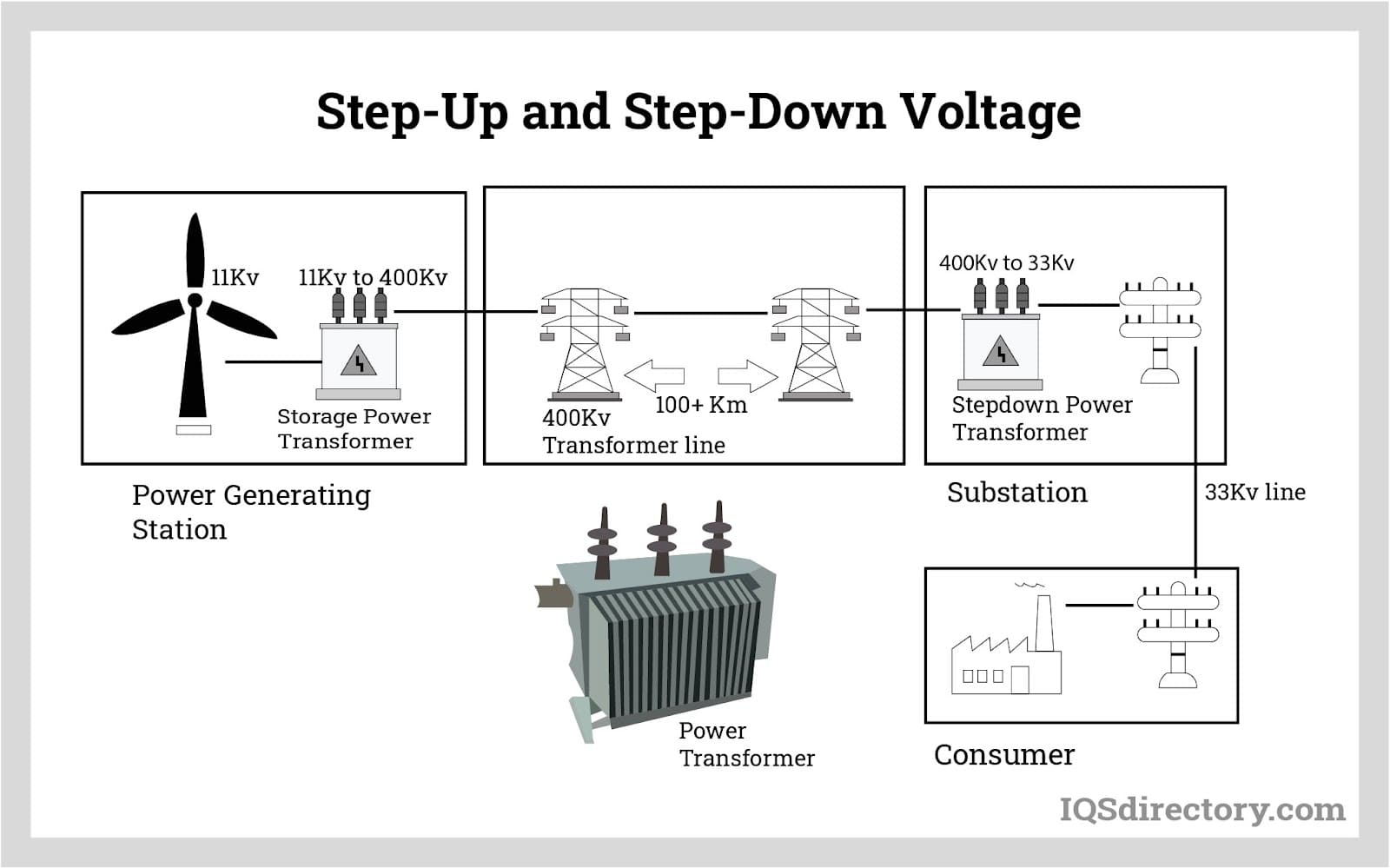
For long-distance electricity transport from power plants and generating stations, power must move at elevated voltages to cover significant distances efficiently and reduce line losses. Upon reaching the destination, the voltage is reduced to prevent equipment damage and minimize electrical risks. Smaller substations at power plants incrementally reduce high voltages to manageable levels. On a local scale, including in residential areas, transformers further decrease voltage levels to those appropriate for household devices, such as stoves, air conditioners, laptops, heaters, and televisions. In industrial settings, where machinery often requires higher voltages, transformers are typically used to elevate voltage to meet these demands, support motor loads, and maintain stable power quality.
To decrease voltage, a transformer needs more turns of wire on the primary compared to the secondary winding. Conversely, to increase voltage, fewer turns on the primary are required compared to the secondary winding. It is rare for both windings to have an equal number of turns since this would simply convey the existing voltage without changes. This turns ratio is one of the most important specifications when comparing transformer types, ratings, and application suitability.
Though all transformers incur some energy loss—primarily as heat—they are challenging to manage and cool due to their static nature. Excessive heat could damage or deteriorate the insulation on a transformer’s wiring. Cooling is generally achieved in two ways: air and oil cooling. Air cooling involves directing airflow over coils to dissipate heat. Alternatively, ambient air can carry away heat by flowing through the coils. Immersing a transformer in oil or water is another effective cooling method. These sets of coils, or windings, in an electric transformer, are connected by a magnetic core, typically built from iron or ferrite material, and laminated with copper or enamel-coated materials. Proper cooling and insulation are critical for transformer reliability, service life, and safe operation.
Components of Electric Transformers
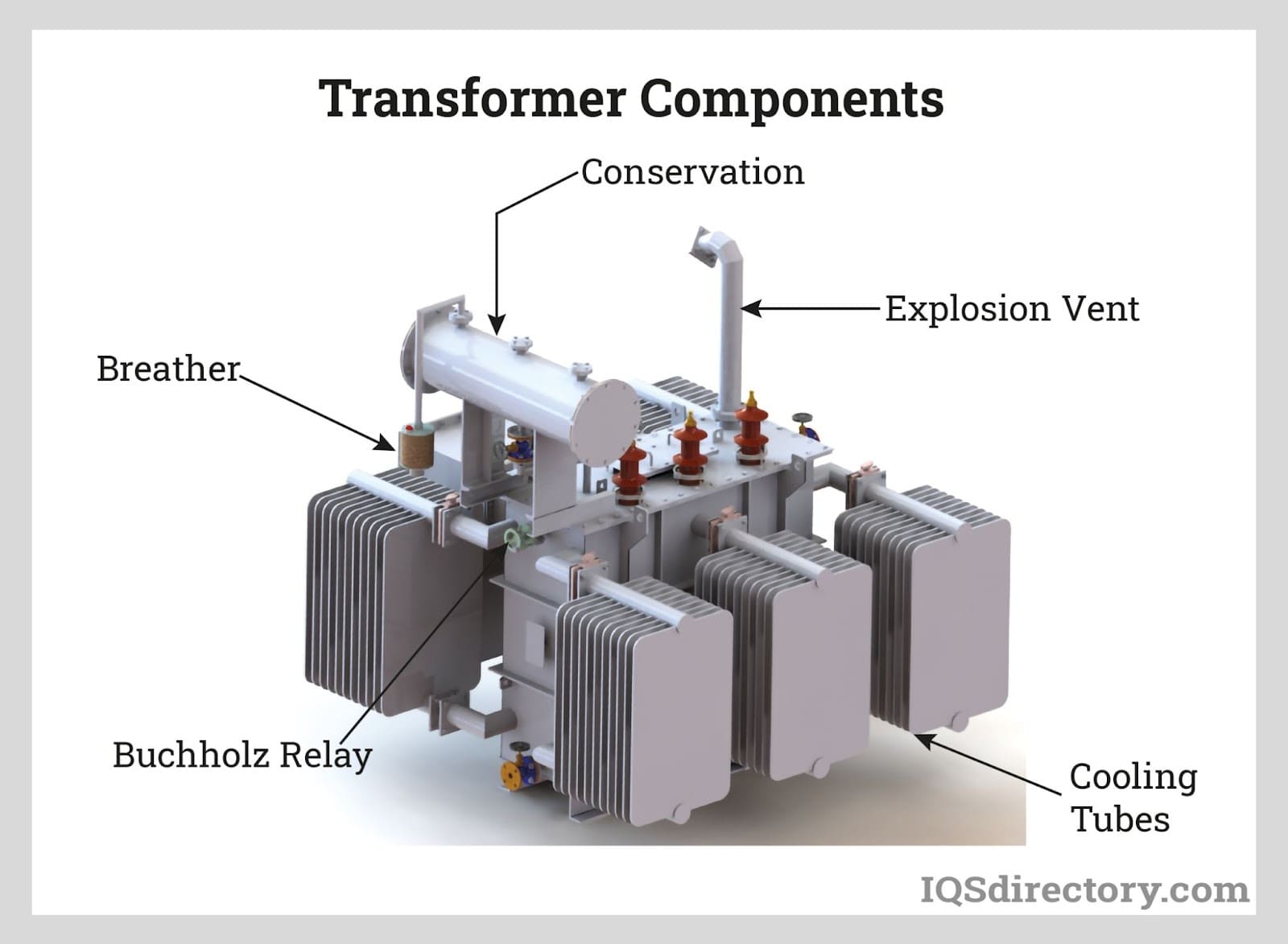
An electric transformer relies on several essential components for optimal performance, as detailed below. Understanding these transformer parts is useful when evaluating efficiency, maintenance needs, and overall durability.
Transformer Core
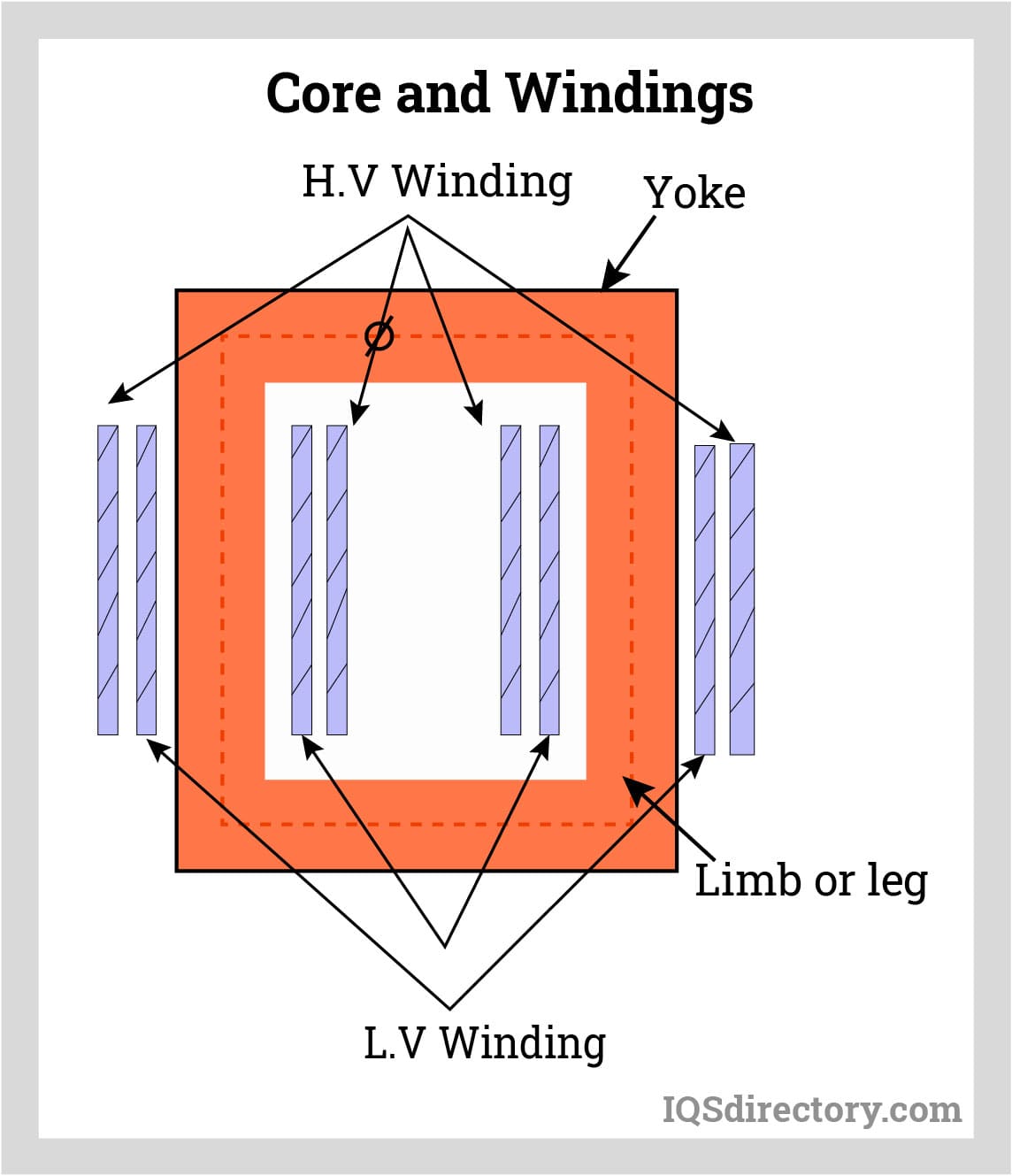
The core sustains the primary and secondary windings while providing a path of low reluctance for electromagnetic flux. Constructed from thin sheets of high-grade, oriented steel separated by insulating material, the core minimizes hysteresis and eddy currents. Its steel composition has a carbon content below 0.1%, with silicon inclusion to further curb eddy currents. In a three-phase transformer, each of the core’s limbs accommodates the primary and secondary windings for each phase, interconnected by magnetic yokes. The core can be assembled in two primary forms: core type or shell type, wherein the core encompasses the windings. Core material selection, lamination design, and magnetic flux path all affect transformer performance, losses, and energy efficiency.
Transformer Winding
Each transformer phase includes a primary and a secondary winding. Multiple turns of copper or aluminum conductors make up these windings, insulated from each other and the core. Factors like current rating, short circuit strength, temperature rise, impedance, and voltage surges determine the winding configuration and type. In many designs, winding arrangement also influences dielectric strength, thermal performance, and overall load capacity.
The high voltage rated winding is termed the HV winding, while the lower voltage rated winding is known as the LV winding.
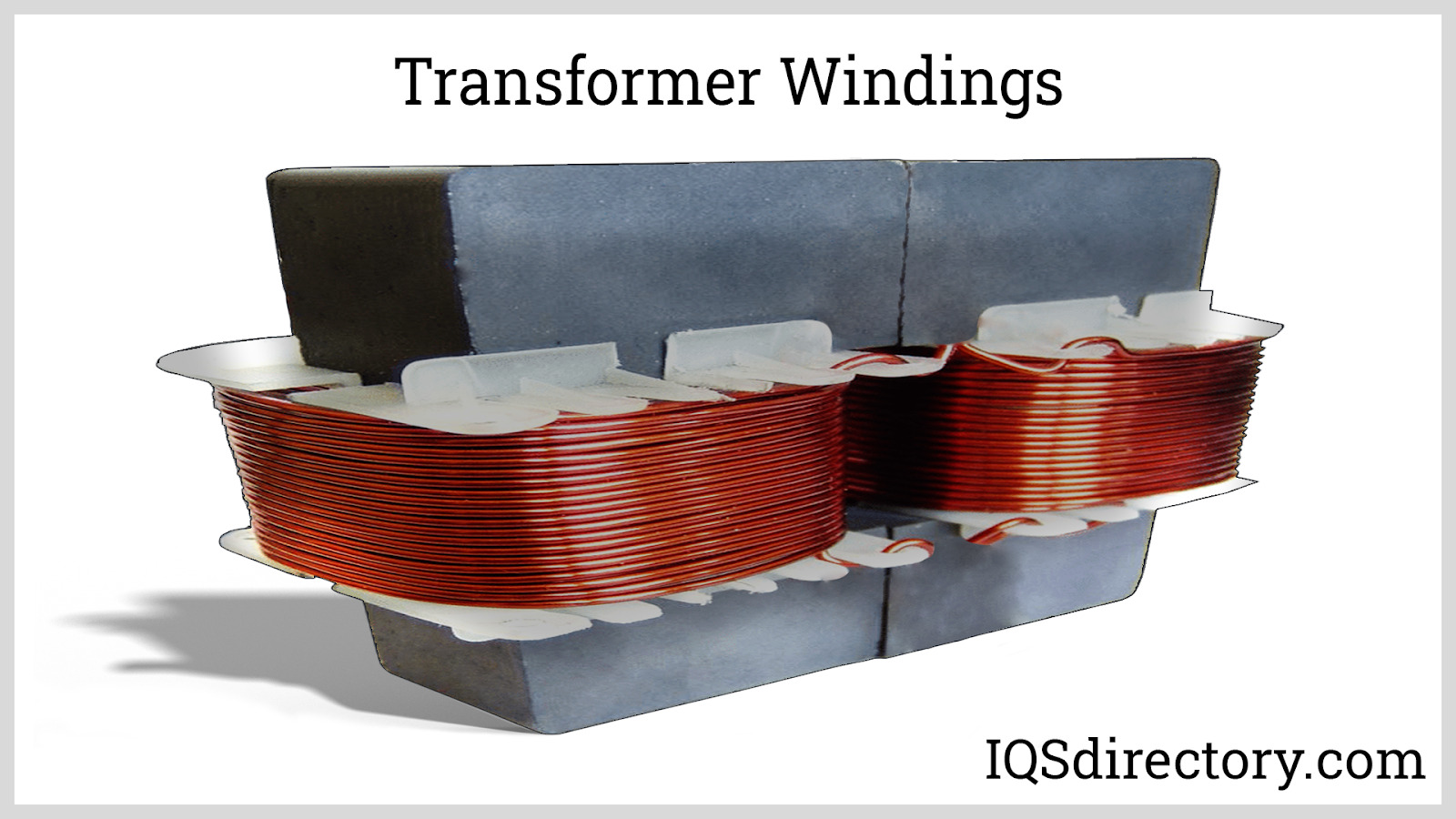
High voltage windings generally have thinner conductors compared to low voltage windings, which are placed nearer to the core. Shell-type transformers may have HV windings positioned between LV coils and sectioned into multiple segments. Core-type transformers classify windings into four types, with selection based on factors like current capacity and turns number. The proper winding design helps control voltage regulation, heat buildup, and short-circuit protection.
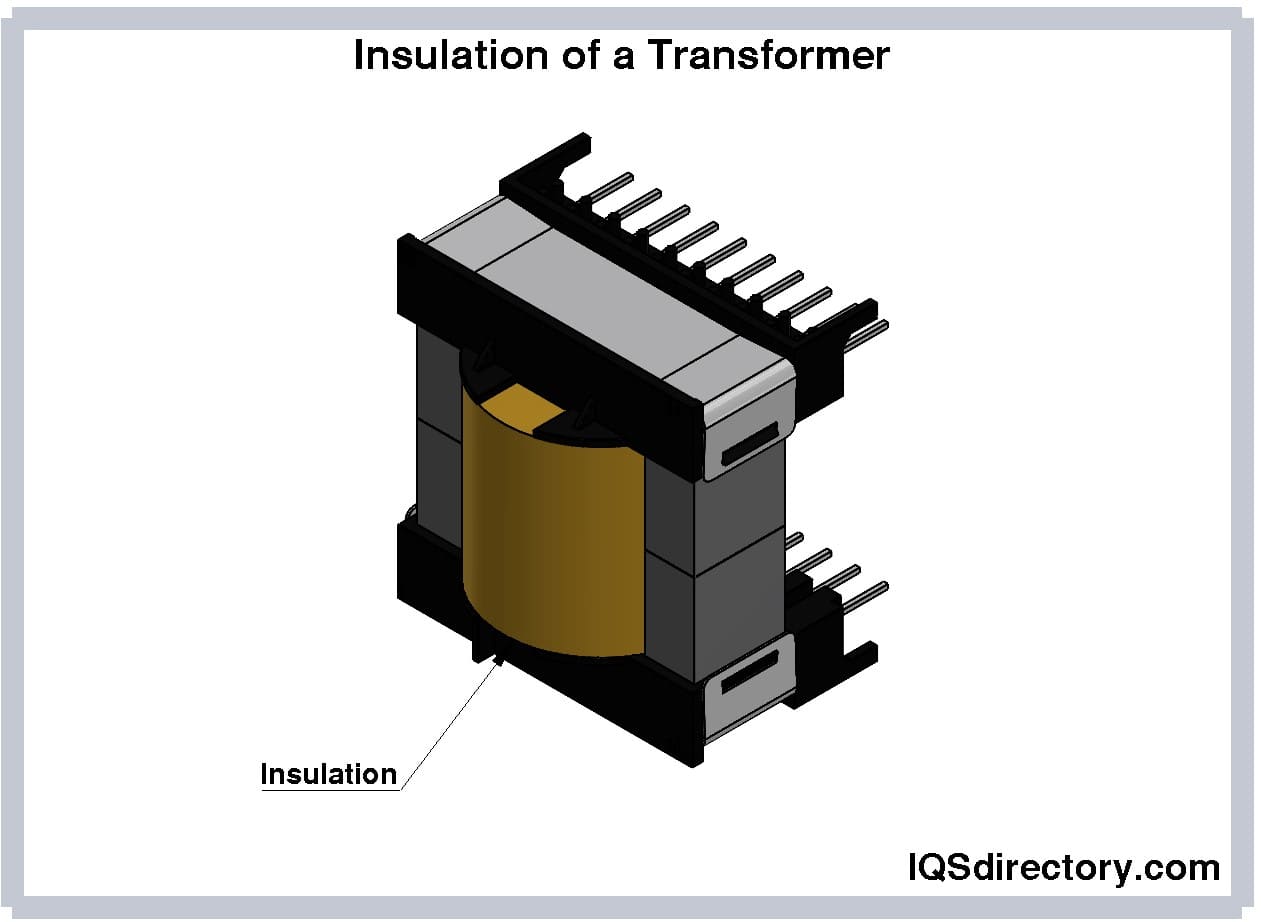
Transformer Insulation
Because inadequate insulation can cause serious damage, it is essential in transformers. Materials chosen for insulation must provide high dielectric strength, resist high temperatures, and possess strong mechanical properties. Common insulating options include cotton, synthetic fibers, and paper, which are placed between windings, the core, and between active parts. Effective transformer insulation also helps prevent electrical faults, partial discharge, and premature failure in oil-immersed and dry-type transformers.
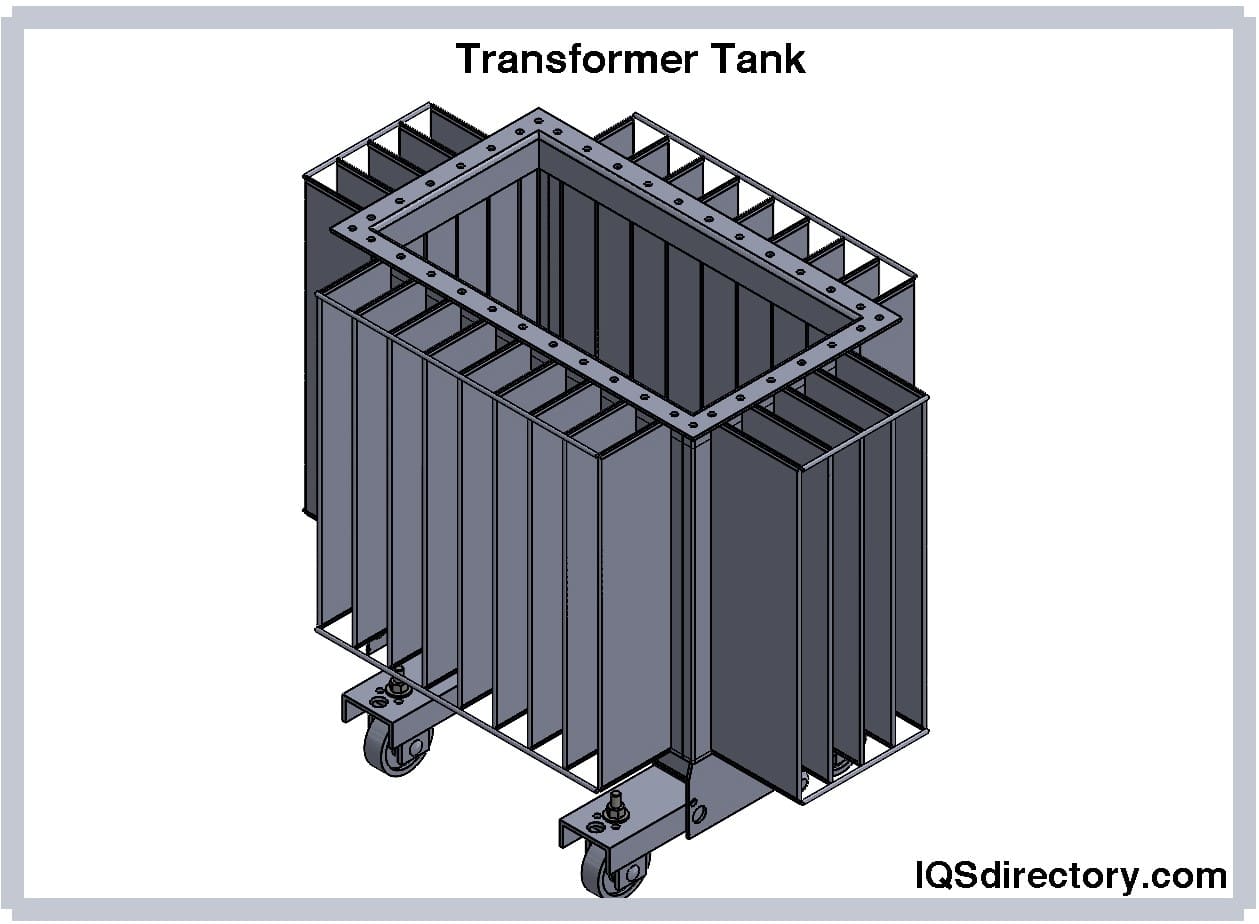
Transformer Tank
The tank serves dual roles: safeguarding the core and windings from external environmental influences and housing the oil. It also offers support for other components and accessories.
Typically, steel plates are fashioned into container shapes to create these tanks, but aluminum sheets might be used to save weight, despite the higher cost of aluminum over steel. In oil-filled transformer designs, the tank also helps contain heat and support reliable operation under varying electrical loads.
Transformer Oil
Transformer oil serves multiple functions in oil-immersed transformers: it enhances insulation between conducting parts, aids in cooling, and helps identify faulty areas. It also improves heat transfer, supports dielectric performance, and contributes to safe, continuous operation in power transformer systems.
Connections and Bushings
Transformers use internal terminals to link incoming and outgoing cables. These terminals connect through bushings positioned at the winding ends. Bushings act as insulators, separating terminals from the tank and offering a secure pathway for conductors that connect terminals to windings. Epoxy resins and porcelain are common bushing materials. Proper bushing design is important for electrical safety, contamination resistance, and dependable high-voltage connection.
Oil Conservators
Positioned above the tank and bushings, the oil conservator features a rubber bladder to accommodate oil expansion and contraction from temperature changes. A level indicator shows the oil level, and a pipe links the conservator to the main tank. This expansion chamber helps maintain stable oil volume and reduces the risk of air contamination in the transformer tank.
Electric Transformer Breather
Breathers in oil-immersed transformers keep the oil dry. As temperature-induced contractions and expansions occur, air flowing in and out of the conservator tank passes through a silica gel-equipped breather to ensure moisture-free air inflow. By limiting humidity, the breather supports insulation integrity and long-term transformer reliability.
Cooling Systems: Radiators and Fans
Heat generated during power dissipation in a transformer requires efficient management. While dry-type transformers rely on ambient air, oil-immersed versions use various cooling methods. Fans and radiators may be installed based on power rating, loss, and cooling necessities. The cooling process transfers heat from core and windings to the oil, dissipated through radiators. Large transformers might use forced cooling with radiators integrated for optimal heat dispersion. Choosing the right cooling system is essential for efficient operation, load handling, and extended equipment life.
Emergency Release: Explosion Vent
An explosion vent releases oil and gas buildup in a transformer. Located above the conservator tank, it features a metal pipe with a diaphragm. When internal oil pressure becomes unsafe, the diaphragm bursts, safely venting excess pressure to the atmosphere. This pressure-relief feature helps protect the transformer tank, windings, and surrounding equipment.
Voltage Regulation with Tap Changers
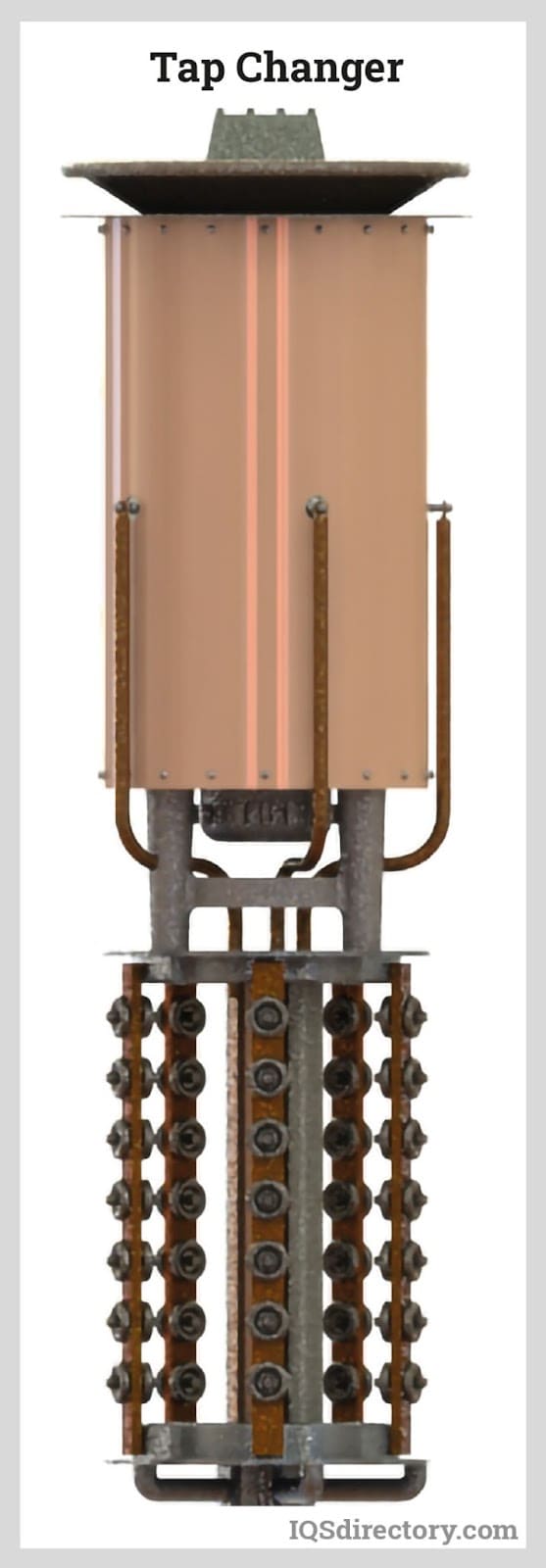
Tap changers adjust secondary transformer voltage by altering the turns ratio. On-load tap changers adjust without halting current flow, while off-load versions are used when transformers are not active. These devices are widely used for voltage regulation, system stability, and maintaining consistent power delivery under changing load conditions.
Protective Measures: Buchholz Relay
In oil-immersed transformers over 500 kVA, the Buchholz relay detects issues by monitoring for gases from oil decomposing due to short circuits. Upon gas detection, it signals an alarm and trips the circuit breaker to stop current flow.
Besides these components, larger transformers may feature additional elements such as pressure and temperature sensors, heat exchangers for optimal cooling, and protection relays. Depending on the application, these transformer protection devices may also support preventive maintenance, fault detection, and safer operation in utility, commercial, and industrial environments.
Chapter 2: What Are the Types of Electric Transformers
All electric transformers operate based on Faraday's laws of electromagnetic induction, but they can be classified or designed in different ways according to their specific applications and system requirements. Understanding the various types of transformers is essential for engineers, manufacturers, and anyone involved in electrical system design, power distribution, energy transmission, or electronics manufacturing. Each transformer type is engineered to optimize voltage regulation, power efficiency, safety, and the handling of alternating current (AC) or direct current (DC), meeting diverse needs in commercial, industrial, and residential environments.
Iron Core Transformers
Iron core transformers are one of the most efficient and widely used transformer types in the electrical industry. They utilize multiple laminated iron plates, often composed of high-grade silicon steel, known for their superior magnetic properties and low core losses. This construction minimizes eddy current losses and hysteresis, improving performance in power transmission and electrical distribution. These transformers are commonly implemented in power plants, substations, and heavy-duty industrial systems where maximum energy transfer and efficiency are required.
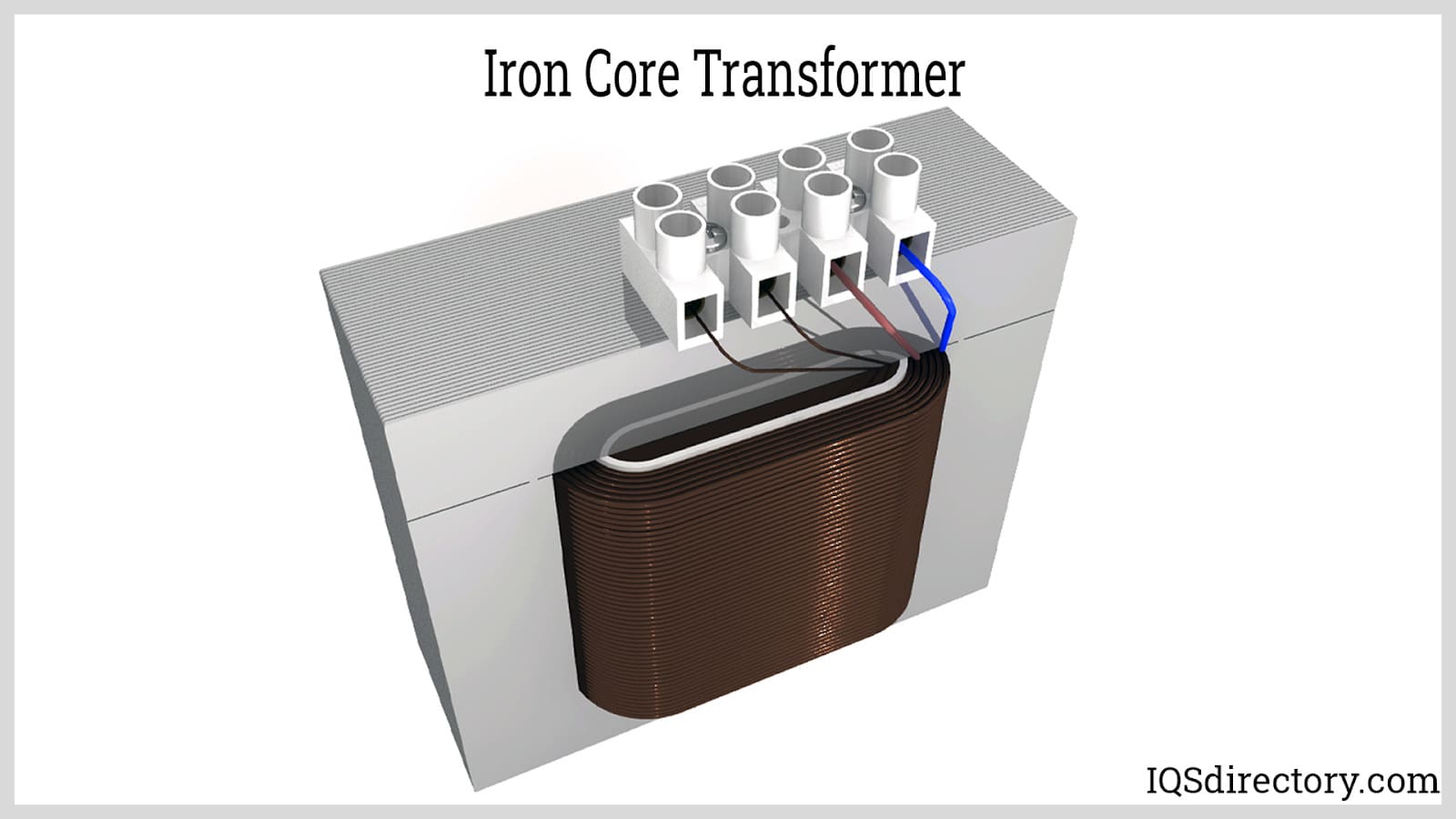
In iron core transformers, fast magnetizing and demagnetizing processes enable high transformer efficiency and reliability. The silicon steel core is coated with insulating varnish to further reduce heat generation, support high-frequency operation, and extend transformer life. These advantages make iron core transformers fit for high-voltage electrical equipment and grid power systems.
Isolation Transformers
All electric transformers utilize electromagnetic induction to transfer electricity between circuits without direct conductive connection, but isolation transformers are specifically engineered to separate the powered device from the main power source. This electrical isolation is critical for protecting sensitive equipment, enhancing safety, and suppressing electrical noise. Isolation transformers are widely used in uninterruptible power supplies (UPS), robotics, test and measurement equipment, medical devices, audio equipment, industrial control systems, and data communication networks. Their ability to provide galvanic isolation makes them essential in applications that require transient voltage suppression, reduced risk of electric shock, and elimination of ground loops.
Ferrite Core Transformers
Ferrite core transformers are designed for high-frequency and switch mode power supply (SMPS) applications. The ferrite core, composed of ceramic materials with high magnetic permeability, results in low core losses at high frequencies, making these transformers ideal for use in power electronics, radio frequency circuits, and compact electrical devices. Their E-type or toroidal configurations can be customized to support a wide range of voltages and currents, including use in inverters, LED drivers, and telecommunications. Ferrite core transformers ensure energy efficiency and minimal electromagnetic interference (EMI) in modern electronic applications.
Step Up Transformers
Step up transformers are critical in electrical power transmission and distribution. They convert low voltage (LV) to high voltage (HV) with corresponding lower current (amperage) and reduced I2R (resistive) losses, enabling efficient long-distance power delivery from generating stations to substations. This voltage transformation relies on a core assembly with two or more sets of copper windings—the secondary coil always contains more turns than the primary coil to “step up” the voltage. In specialized applications, tertiary windings are added for increased flexibility and voltage control.
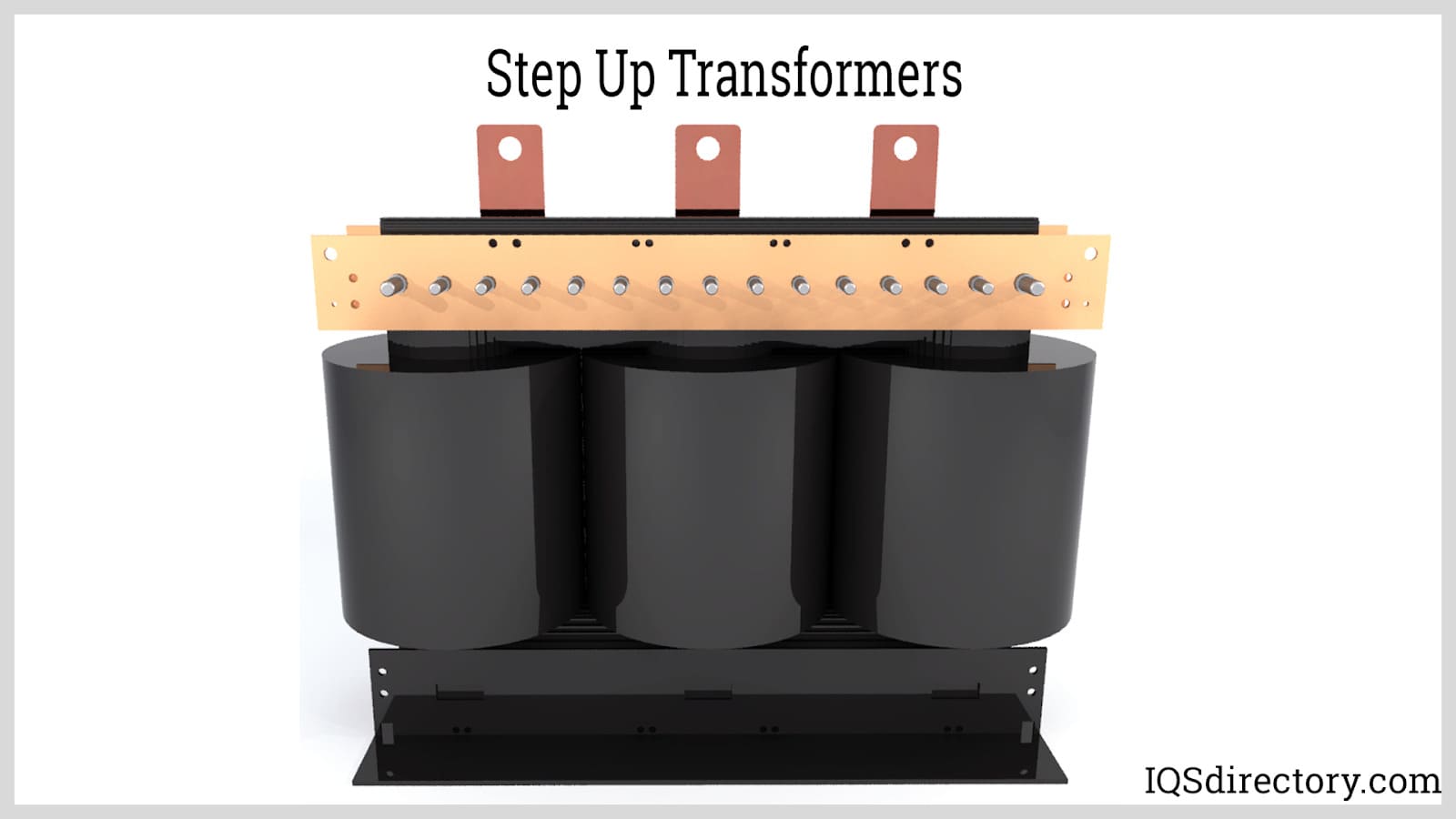
Step up transformers employ windings made from high conductivity alloys such as copper, aluminum, nickel, chromium, and steel, contributing to optimal transformer efficiency. These transformers are indispensable in bulk power transmission, renewable energy systems like wind and solar power, and in railway electrification where reliable voltage elevation is essential.
High Voltage Transformers
The voltage level in a power transmission line determines capacity and safety standards for grid operations. High voltage transformers adjust and manage voltage in high voltage circuits, handling voltages from 600V to 5000V and beyond. These units are key components in power substations, electrical distribution systems, scientific instrumentation, X-ray equipment, and industrial electrostatic applications. High voltage transformers provide metering, isolation, and surge protection while enabling safe operation of high energy equipment and large-scale infrastructure.
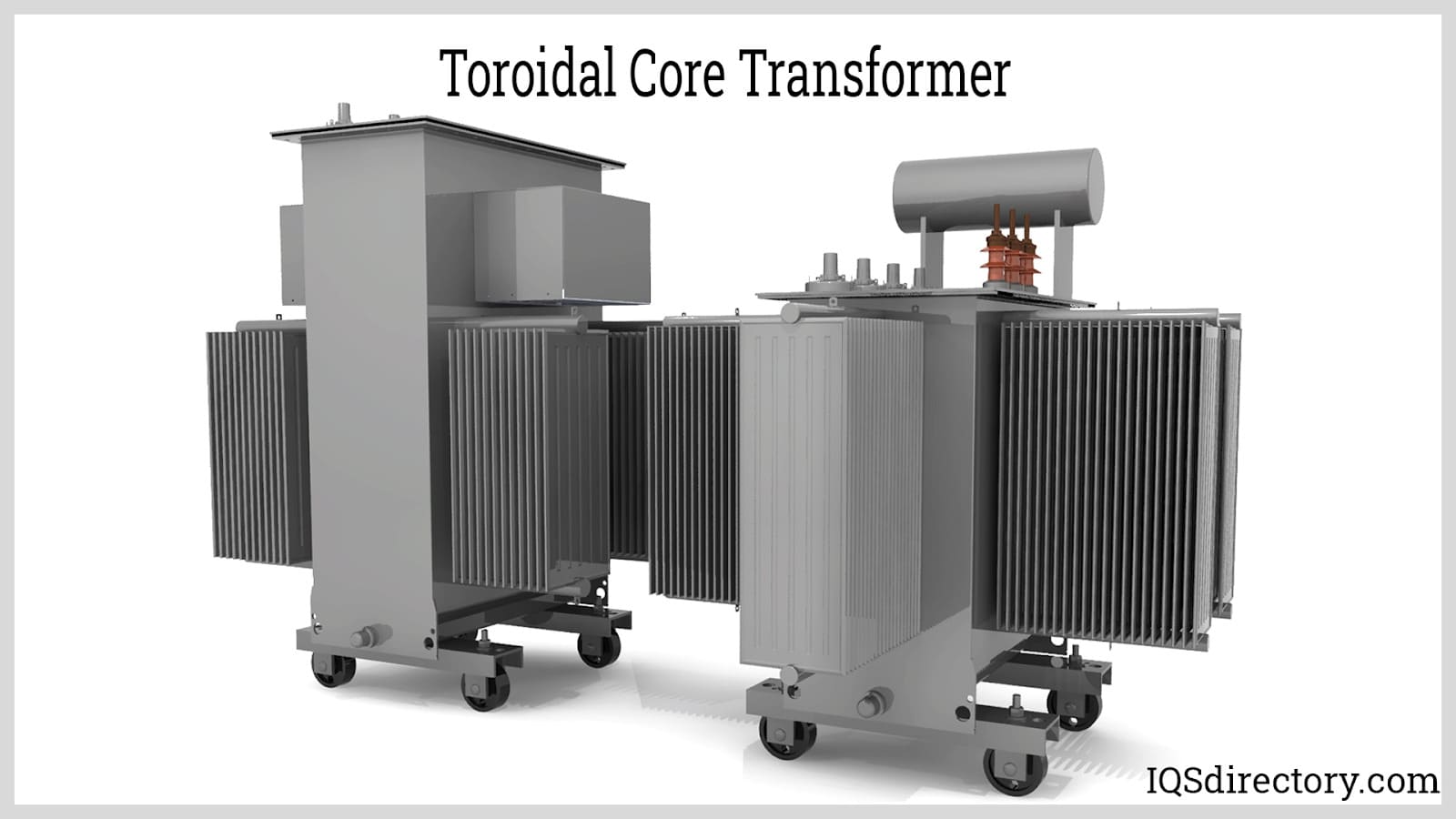
Toroidal Core Transformers
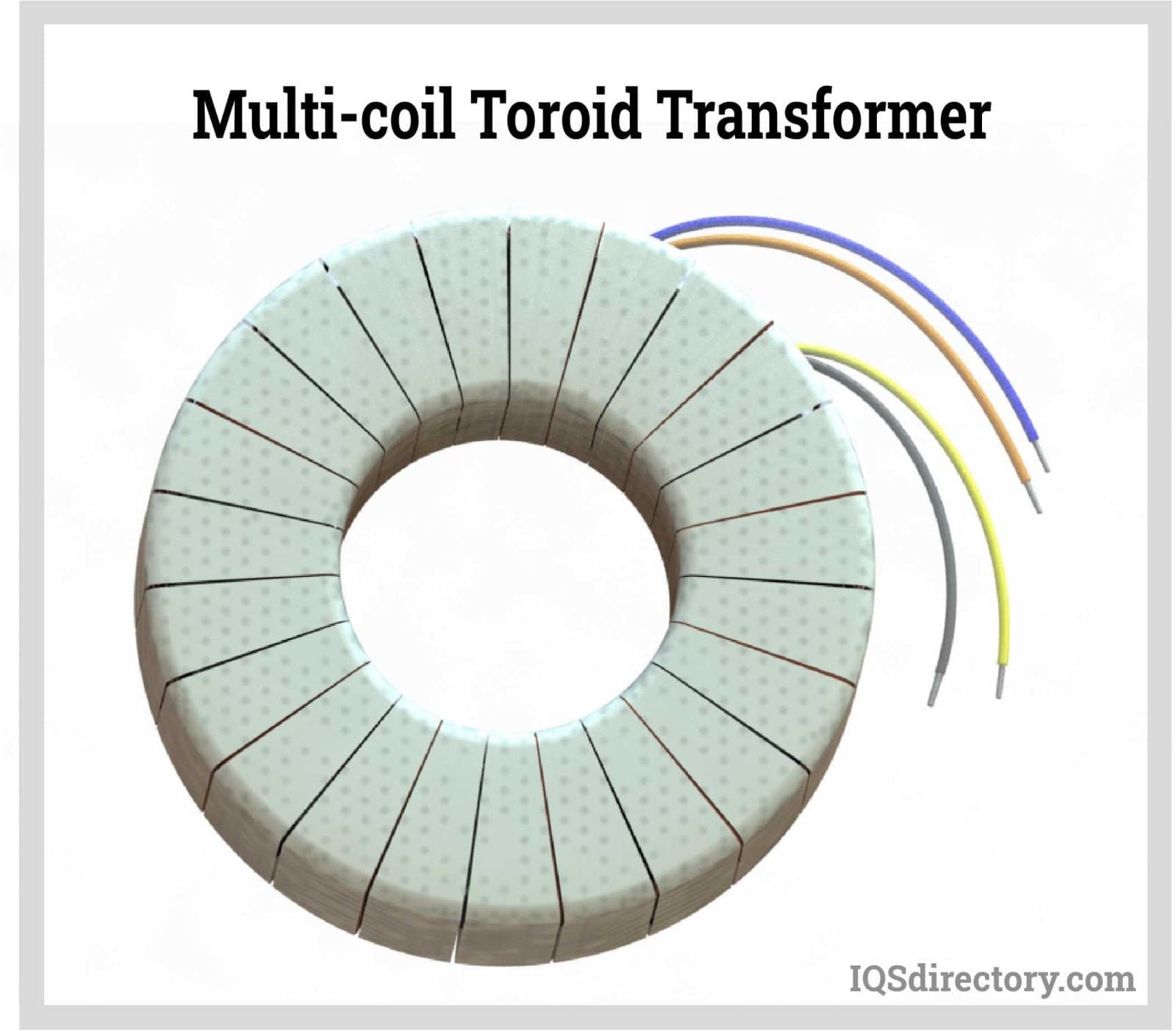
Toroidal core transformers feature a ring or donut-shaped magnetic core, which significantly reduces electromagnetic interference and stray induction leakage by generating high inductance. Their short windings and compact size lead to lighter weights compared to similarly rated conventional transformers. The symmetrical construction enhances magnetic flux distribution, supporting high efficiency and quiet performance in sensitive electronics, medical devices, audio amplifiers, and renewable energy inverters. Although manufacturing is more intricate, their benefits in space-saving and energy conservation make them a preferred choice for high-performance, noise-sensitive applications.
Air Coil Transformers
Air coil transformers are unique in that they lack a ferromagnetic core, relying entirely on air for flux linkage between primary and secondary windings. This design is advantageous in radio frequency (RF), wireless communication, and small signal applications where minimal energy loss and stable inductance are required. These transformers commonly use low permeability materials, such as plastic tubing or cardboard, to form the coil support, reducing core losses and magnetic hysteresis. Air coil transformers are essential in tuning circuits, radio transmitters and receivers, and portable electronics, making them a cornerstone of RF transformer technology.
Laminated Core Transformers
Laminated core transformers consist of insulated layers (laminations) of iron and sometimes nickel, which helps suppress eddy current formation, reducing core losses and improving magnetic efficiency. The interleaving of laminations and addition of nickel further decrease energy dissipation, making these transformers ideal for power supplies, audio equipment, and measurement devices that demand precise voltage regulation. Laminated core construction is prevalent in both single-phase and three-phase transformer applications, supporting wider use in energy conversion, voltage step-down, and frequency isolation.
Pulse Transformers
Pulse transformers are specialty transformers that transmit electrical pulses with sharp rise and fall times rather than continuous sine wave signals. Designed for functioning with direct current (DC) and constant flux density, they are frequently used for coupling pulse signals in radar systems, telecommunications, digital logic circuits, and high-voltage triggers (such as camera flashes and strobe lights). Pulse transformers offer electrical isolation, load matching, and surge suppression in time-critical electronic applications.
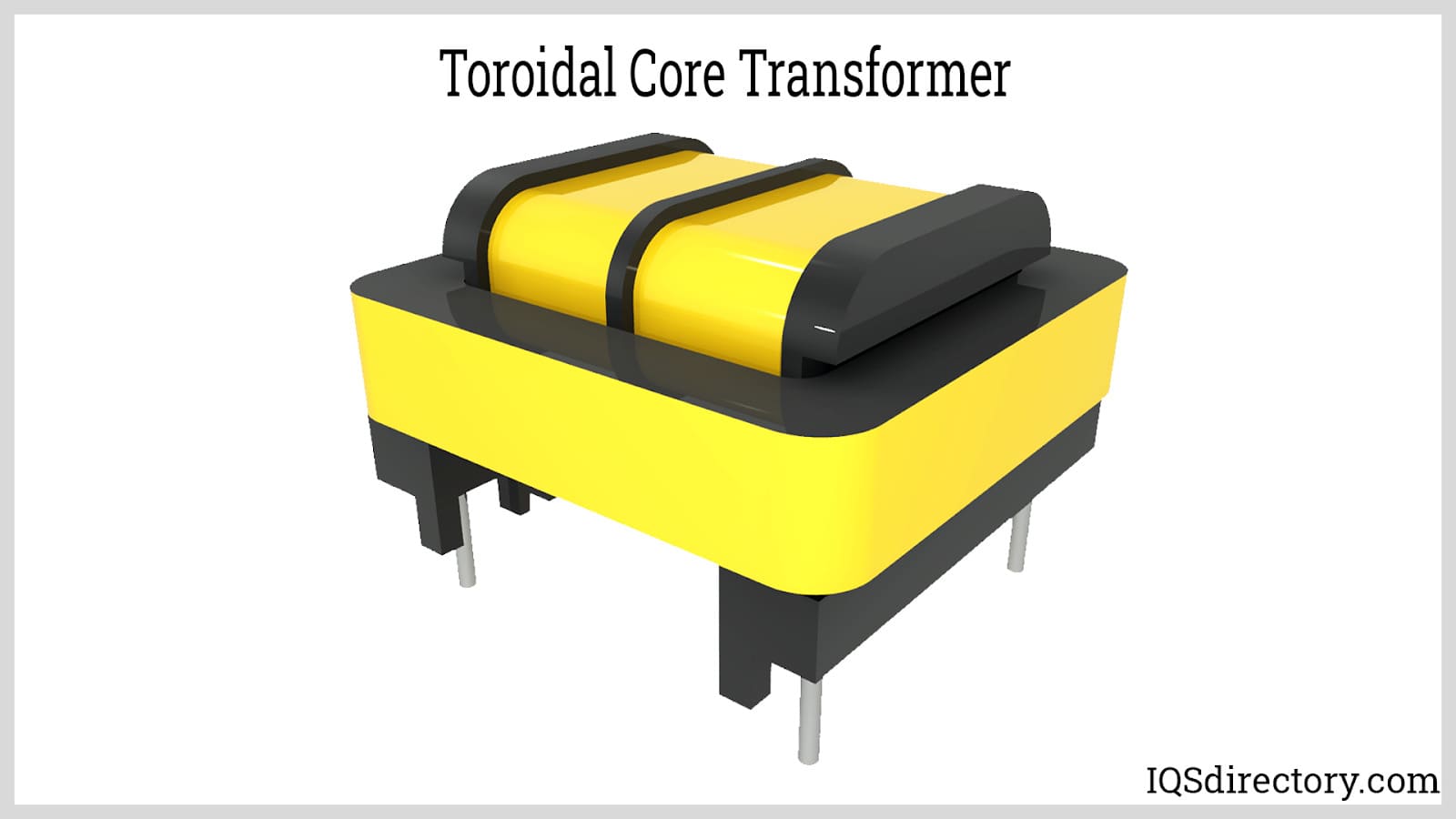
Medium and small pulse transformers are vital in gating circuits, digital communication devices, and specialty equipment where stable, isolated high-frequency pulses are necessary.
Current Transformers
Current transformers (CTs) are instrument transformers engineered for accurate measurement and monitoring of electric current in high-voltage transmission lines and industrial control panels. While power transformers adjust voltage, CTs step down high current to a safe, standardized level for use with protective relays, metering devices, and control mechanisms. Understanding current transformer operation is crucial for protection systems, billing accuracy, and fault diagnosis in energy grids and substations. Their precise current scaling helps ensure the safety and reliability of large-scale power distribution networks.
Low Voltage Transformers
Low voltage transformers are used to convert higher voltages to standard low voltage outputs, supporting the safe operation of residential, commercial, and industrial appliances. They typically convert incoming 120V or 240V down to 12V or 24V, commonly used for lighting systems, thermostats, doorbells, security devices, and control panels. Their compact size and lightweight design make them suitable for embedded electronics and small machinery. Low voltage transformers play an essential role in ensuring energy efficiency and electrical safety for low power devices and circuits.
Automatic Transformers
Automatic transformers, also known as autotransformers, use a single continuous winding that acts as both primary and secondary coil with electrical taps for different voltage outputs. Their streamlined construction offers cost savings, compact footprints, and lighter weights. Autotransformers are widely used for voltage regulation in motor starting applications, laboratory equipment, HVAC systems, and electrical distribution grids. Their versatility in accommodating varying voltage requirements makes them practical for a diverse range of installations and retrofitting scenarios.
Polyphase Transformers
Polyphase transformers are designed for systems with three or more phases, commonly seen in commercial and industrial power distribution. These multi-phase configurations, such as three-phase, nine-phase, or even fifteen-phase setups, use several windings on both primary and secondary coils. Advanced construction methods, including zigzag windings, provide grounding and improved load balancing. Polyphase transformers enhance power delivery efficiency, support large motors, and are key in grid-level voltage transformation.
Zig Zag Transformers
The zig zag transformer is specifically used to generate a neutral point and aid in effective system grounding, particularly in ungrounded or isolated power systems. These transformers provide crucial safety and operational stability across industries including petrochemicals, power distribution, mining, and manufacturing. While they consist of six coils on three cores, only a primary coil is present, and the special winding configuration enables mitigation of harmonic distortion and fault currents. Zig zag transformers are also used for voltage stabilization, eliminating earth faults and increasing system reliability in critical infrastructure.
Three Phase Transformers
Three-phase transformers, a specific class of polyphase transformers, provide an efficient, cost-effective way to transmit large amounts of electrical power using three sets of primary and secondary windings. These windings can be arranged in delta or star (wye) configurations—allowing for flexibility in three-phase power generation and utilization for both transmission and distribution. It is more efficient and economical to use a single three-phase transformer than to connect three separate single-phase transformers, especially in grid and industrial contexts.
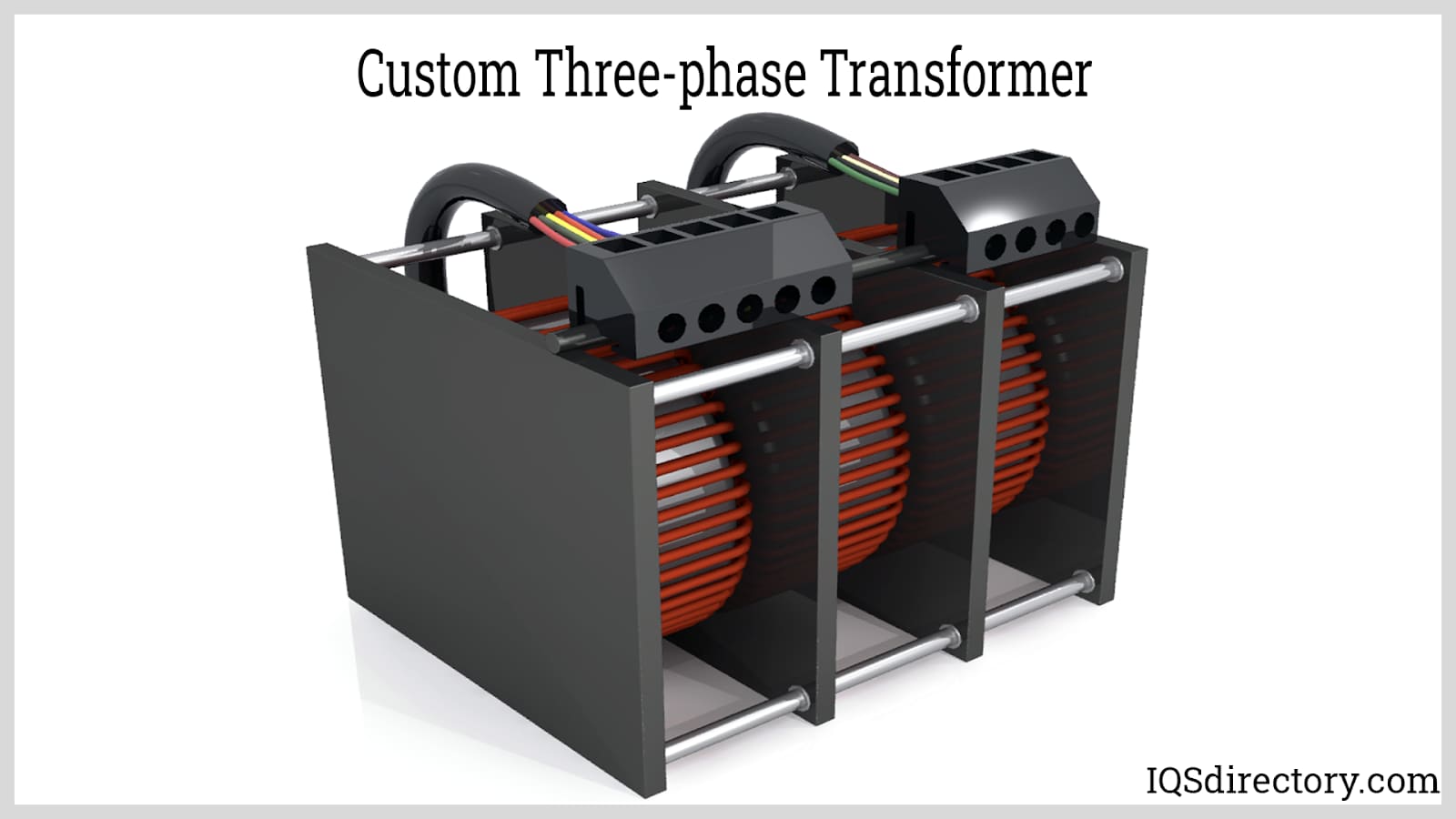
Three-phase transformers are essential for electrical substations, motor drives, and large facilities, ensuring stable current regulation, system protection, and energy efficiency. They underpin reliable delivery of electrical power for industry, business complexes, and utility networks worldwide.
Power Transformers
Power transformers serve as the backbone of electrical grids, forming a critical link between power generation sources (such as hydroelectric dams, fossil fuel plants, or nuclear stations) and high-voltage transmission networks. Due to their substantial capacities and physical size, power transformers incorporate robust cooling systems—often involving oil cooling or forced air circulation—to dissipate heat and ensure operational reliability.
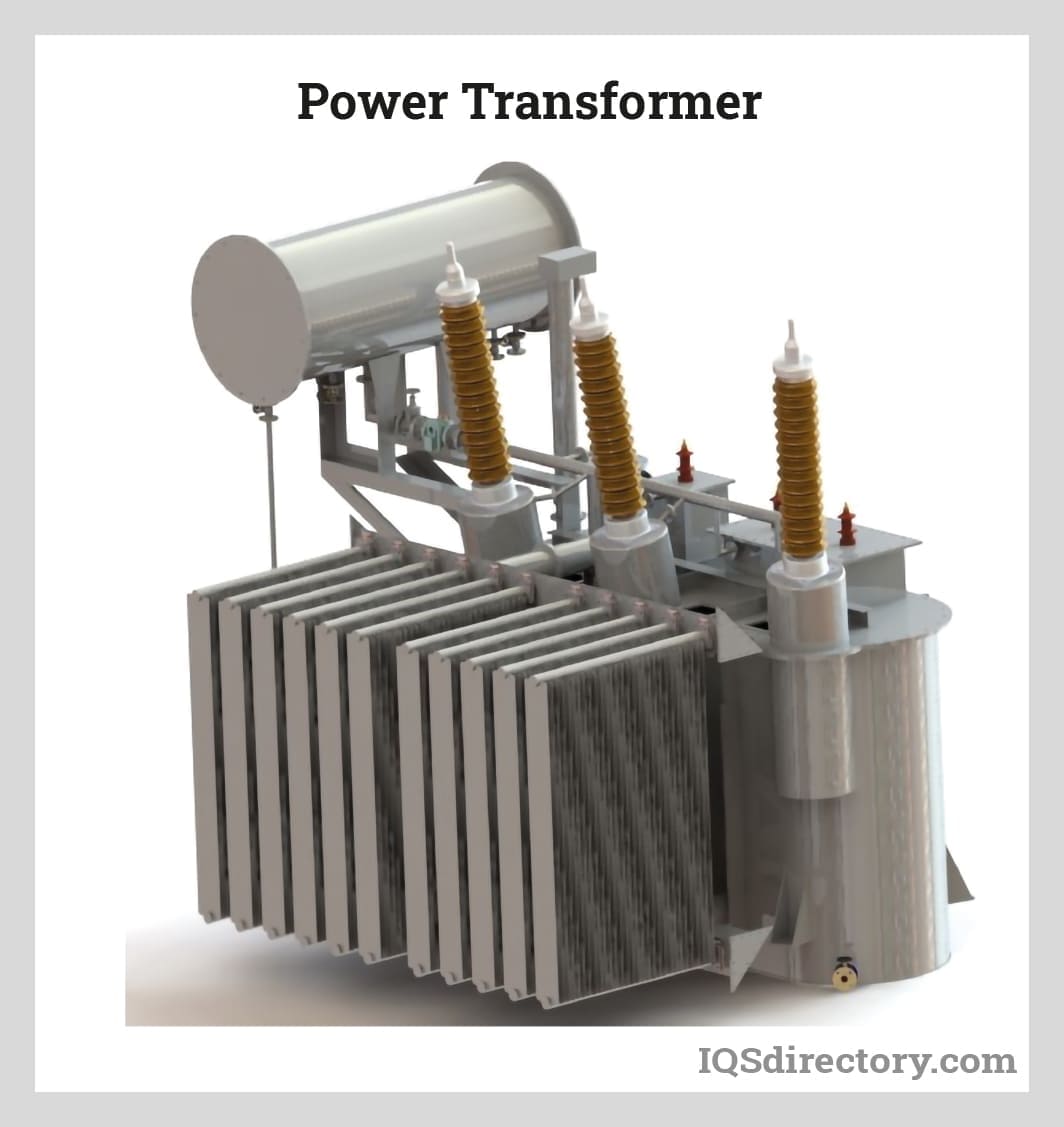
These three-phase transformers are categorized by their primary and secondary voltage ratings and are engineered for efficient, long-term, high-load operation. Power transformers are integral to energy distribution, voltage step-up or step-down, and grid stability, supporting urban centers, manufacturing plants, and infrastructure projects.
Distribution Transformers
Distribution transformers, commonly step-down types, reduce high transmission voltages to consumer-level voltages suitable for commercial, industrial, and residential use. They transfer energy between power lines and end-user devices, providing critical voltage regulation and power quality control. The power output of distribution transformers can vary based on the application environment and local electrical demand, making them vital for last-mile energy delivery, street lighting, business complexes, and single-family homes.
Measurement Transformers
Measurement transformers, including both current transformers (CTs) and voltage transformers (VTs or potential transformers), are specialized devices built to precisely isolate and scale voltages and currents for metering, monitoring, and protection purposes. These transformers allow for accurate readings and safe interfacing with electrical instrumentation and control systems, ensuring proper billing, energy management, and fault protection in both high-voltage and low-voltage environments.
Chapter 3: What Are The Applications and Benefits of Electric Transformers
This chapter will discuss the applications and benefits of electric transformers.
Applications of Electric Transformers
Electric transformers are essential in our daily lives, as they adjust electrical current to meet the needs of various appliances. They manage voltage flow during charging, preventing unregulated voltage from causing electrical surges. This regulation helps safeguard appliances from potential damage.
Electric transformers are crucial in steel production, where they provide high voltages for melting and welding while delivering lower currents for cooling. In chemical processing, transformers are essential for powering electrolysis, which is used in processes like electroplating metals such as aluminum, copper, and zinc. They regulate the electrical current that drives these chemical reactions, ensuring precise control.
Benefits of Electric Transformers
Electric transformers are cost-effective, providing a reliable and affordable solution for voltage transmission and isolation. Their various types enable a wide range of applications; for example, current transformers step down currents for measurement instruments. Additionally, transformers can be configured as either step-up or step-down devices, depending on their installation. Some models feature multiple taps on the primary winding to accommodate different input voltages.
Drawbacks of Electric Transformers
Electric transformers require cooling because energy losses produce high temperatures that can reduce the lifespan of the insulating materials in the windings. They are not designed to handle direct current (DC). Maintenance can be challenging, as transformers are susceptible to issues such as oil leaks, overloading, and harmonics, which can cause damage.
Conclusion
Electric transformers are devices that transfer electricity between circuits by adjusting voltage levels while keeping the frequency constant. They are designed for use with alternating current (AC), so changes in supply voltage are affected by changes in supply current. Transformers can either step up or step down voltage levels, providing a safe and efficient power system for both industrial and residential applications.