
Power Cords: Standards, AWG Sizing & Types
Contents (15 sections)
Looking to find and compare power cord manufacturers? See our Power Cords Directory to request free quotes. Connect directly with vetted suppliers for standard NEMA cords, generator cables, extension sets, and custom molded line assemblies.
Contact Companies
Please fill out the following form to submit a Request for Quote to any of the following companies listed on
Get Your Company Listed on This Power Page
Introduction
This technical article provides a comprehensive overview of power cord classifications, AWG sizing, and standards:
- What is a Power Cord?
- Types of Power Cords (AC, NEMA, Generator, Supply Cords)
- NEMA Power Cord Classifications (NEMA 5-15P, Twist-Lock)
- Extension Cords & Letter Code Meanings (SJOOW, SOOW)
- Receptacles, Splitters, Adapters, and Safety Outlet Covers
Chapter 1: What Is a Power Cord?
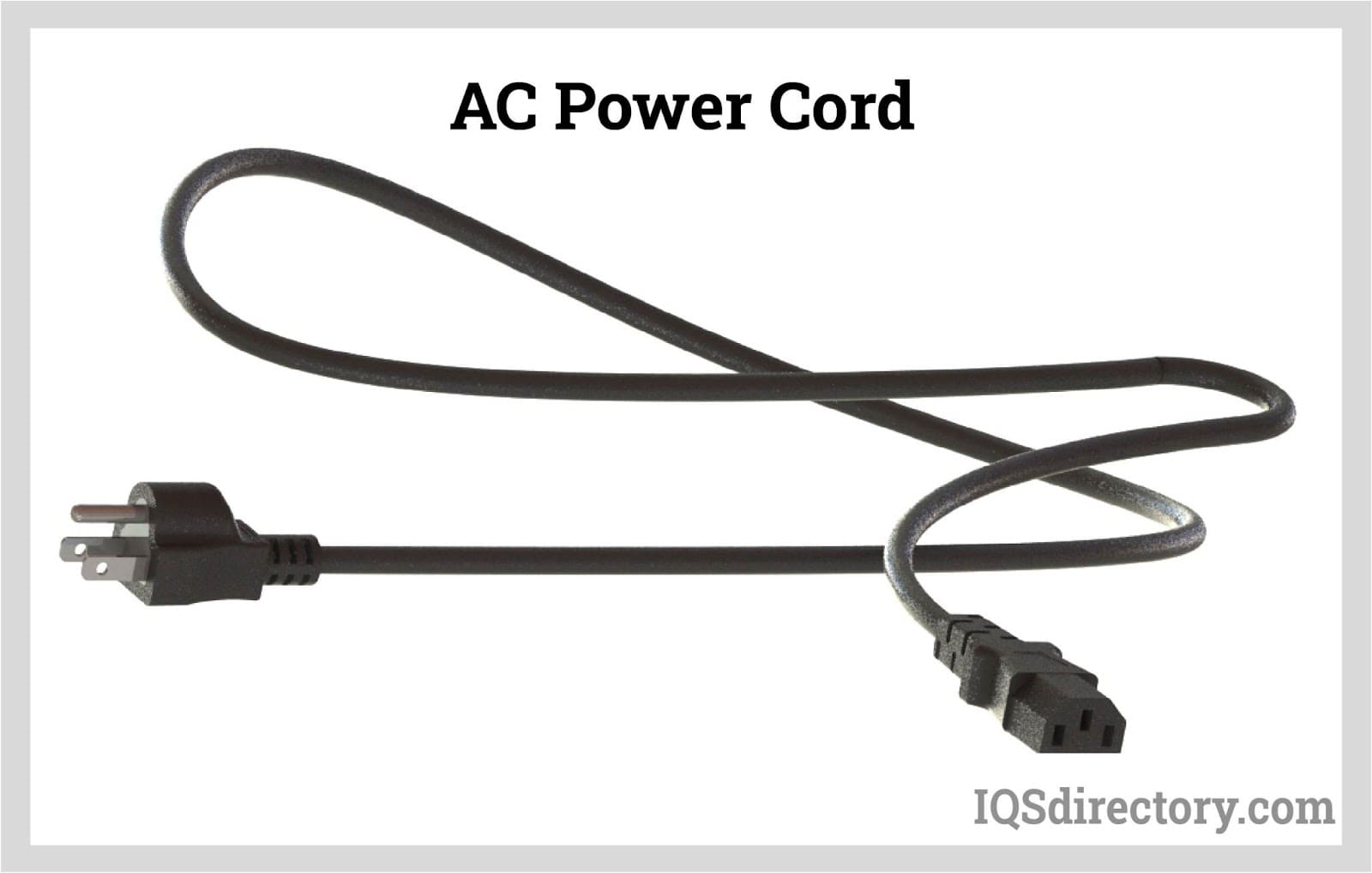
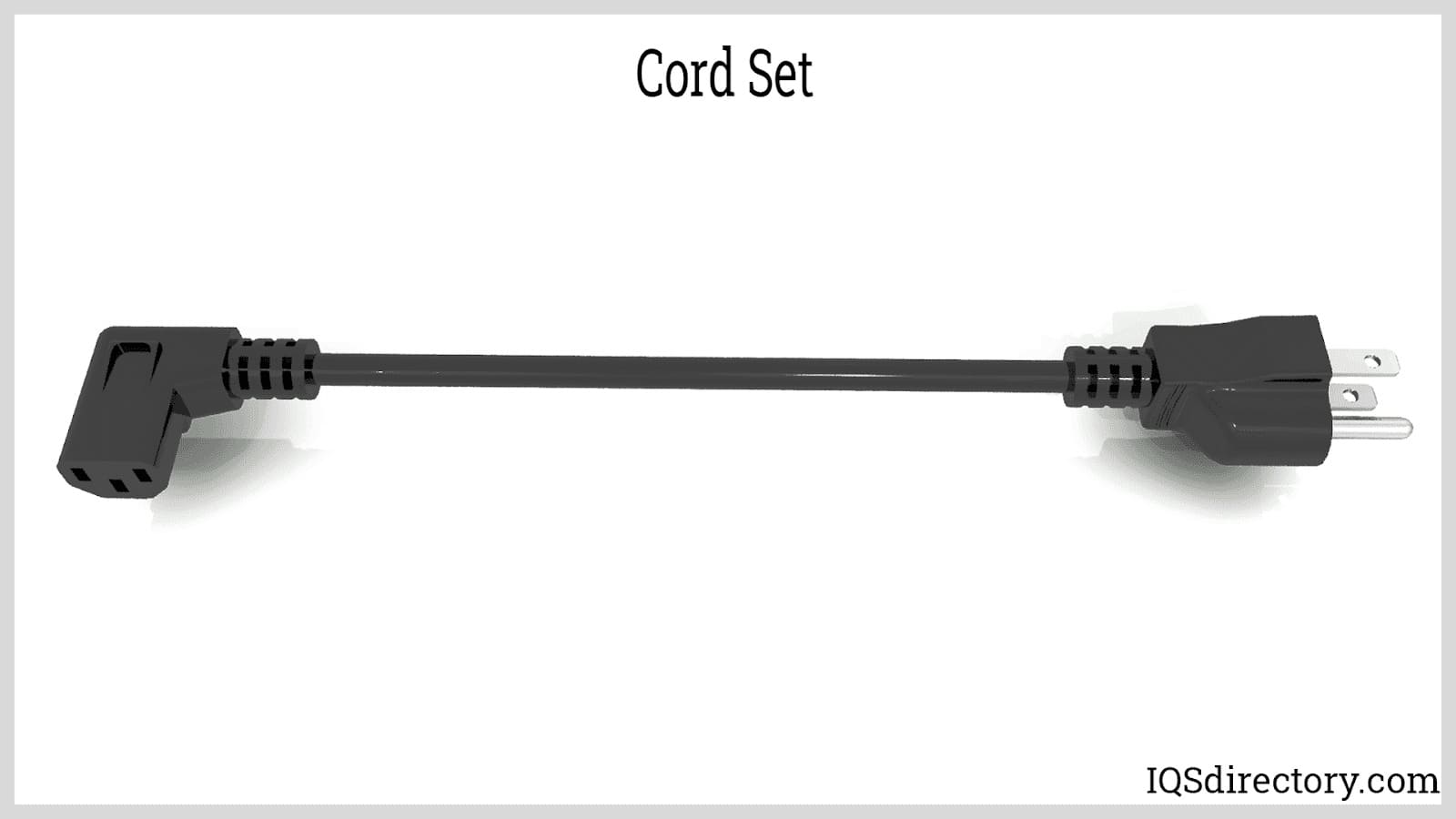
A power cord, often referred to as a line cord, power cable, or cord set, functions as the connection medium between electronic devices and their power source. Typically, power cords feature copper conductors encased within insulating material and covered by a non-conductive protective jacket for durability and electrical safety.
Wire thickness is governed by the American Wire Gauge (AWG) standard. Lower AWG numbers represent thicker conductors capable of carrying higher currents with minimal voltage drop over long cable distances.
History of the Power Cord
In 1882, Thomas Edison devised the early power distribution system by insulating copper rods in jute and pipe conduits. Vulcanized rubber emerged in 1880, followed by metal armored cable in the 1930s, and PVC-jacketed cords in the 1950s. Today, PVC and rubber-jacketed cords dominate the market for their superior temperature and abrasion resistance.
Chapter 2: Types of Power Cords
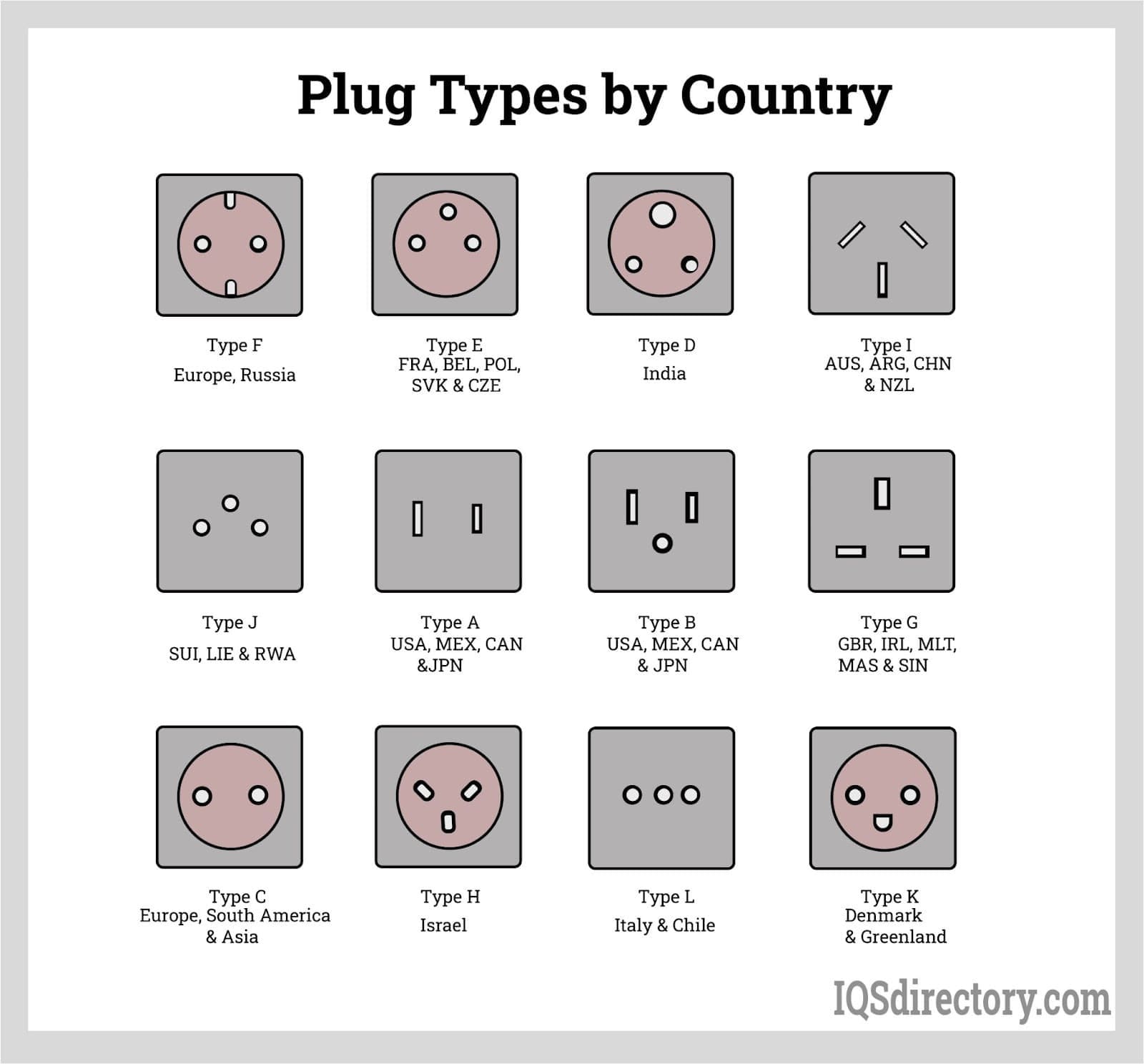
Global power cords vary by regional electrical infrastructure, operating voltages (100V–240V), and frequencies (50Hz/60Hz).
AC & NEMA Power Cords
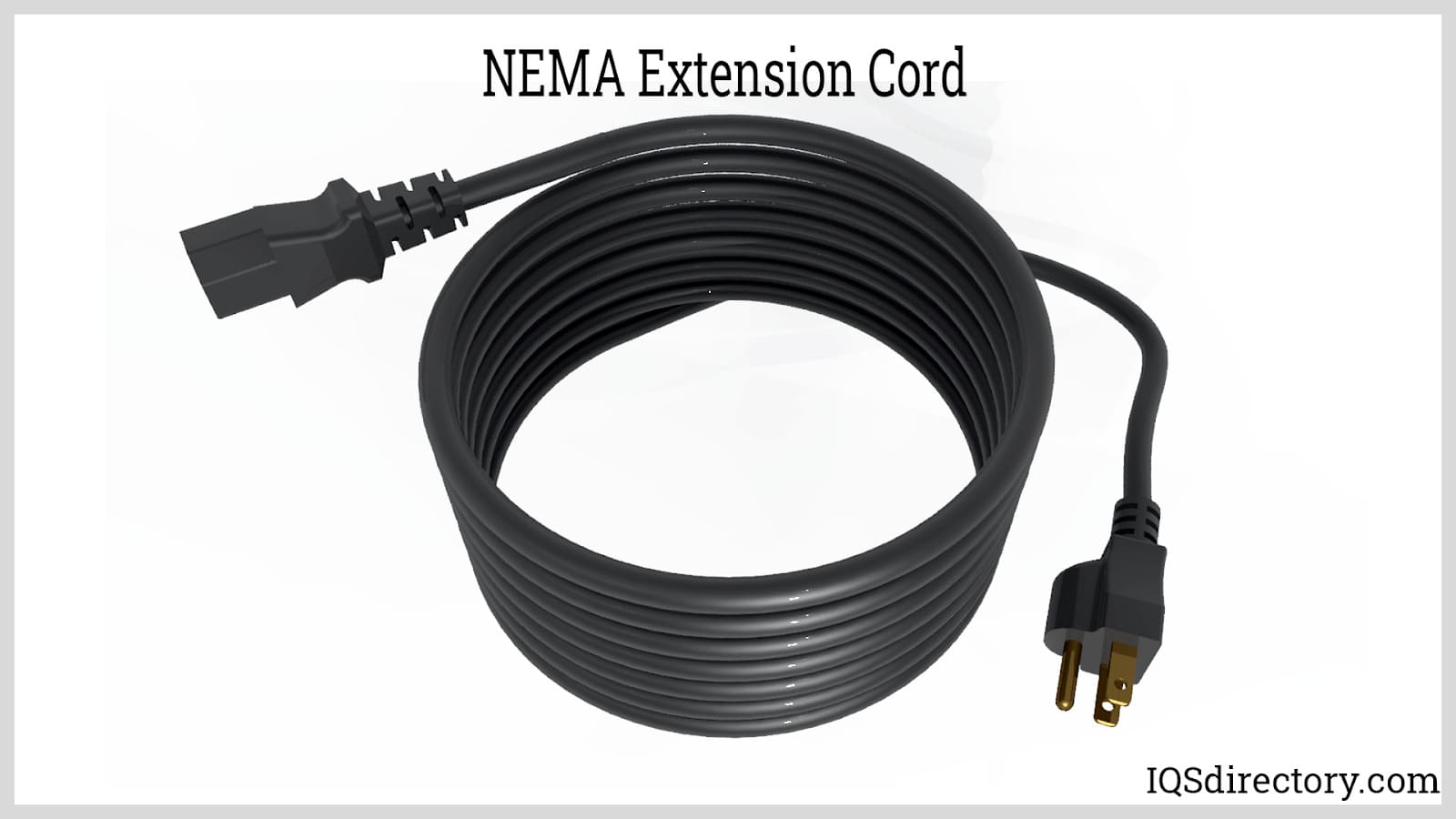
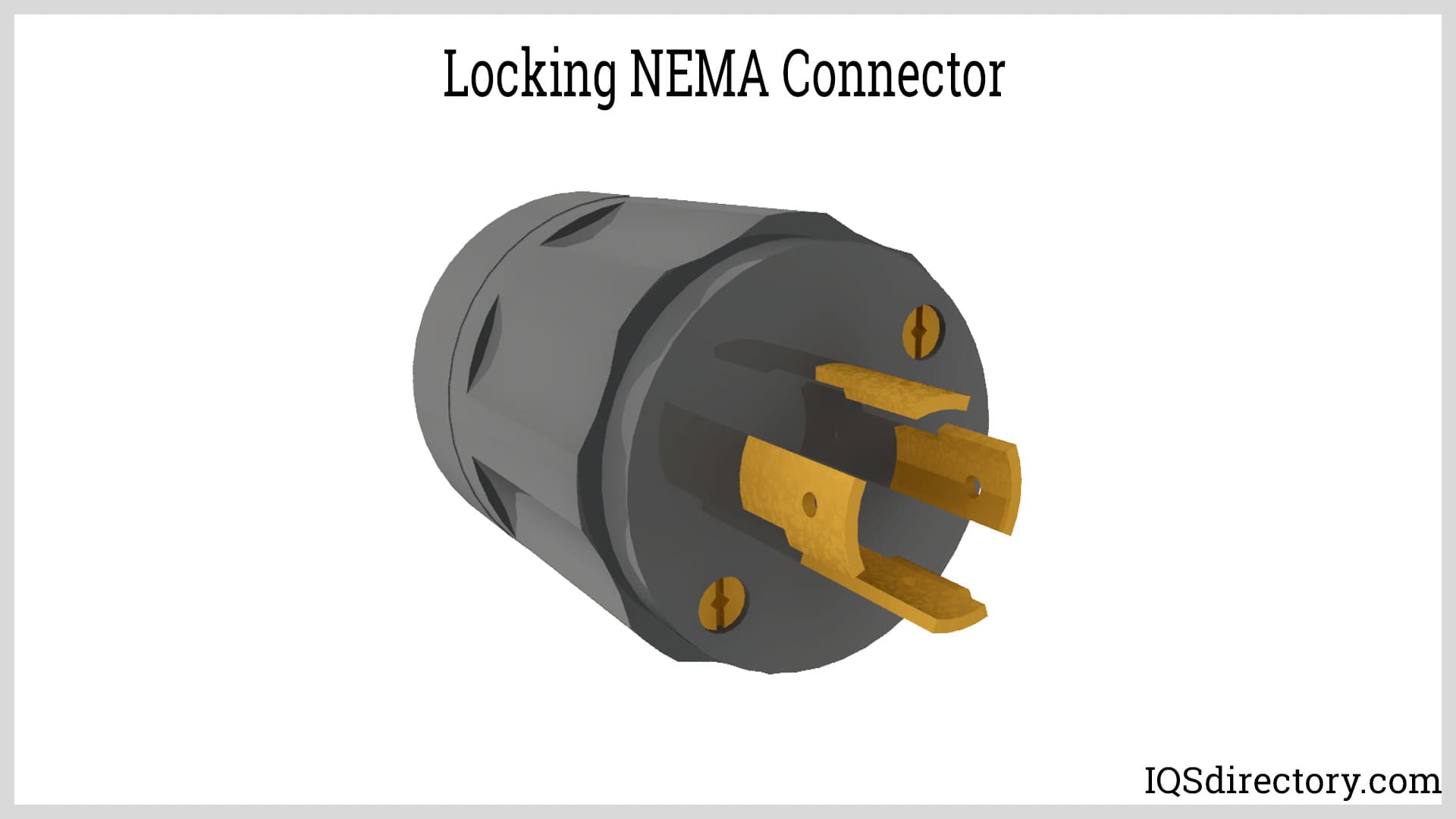
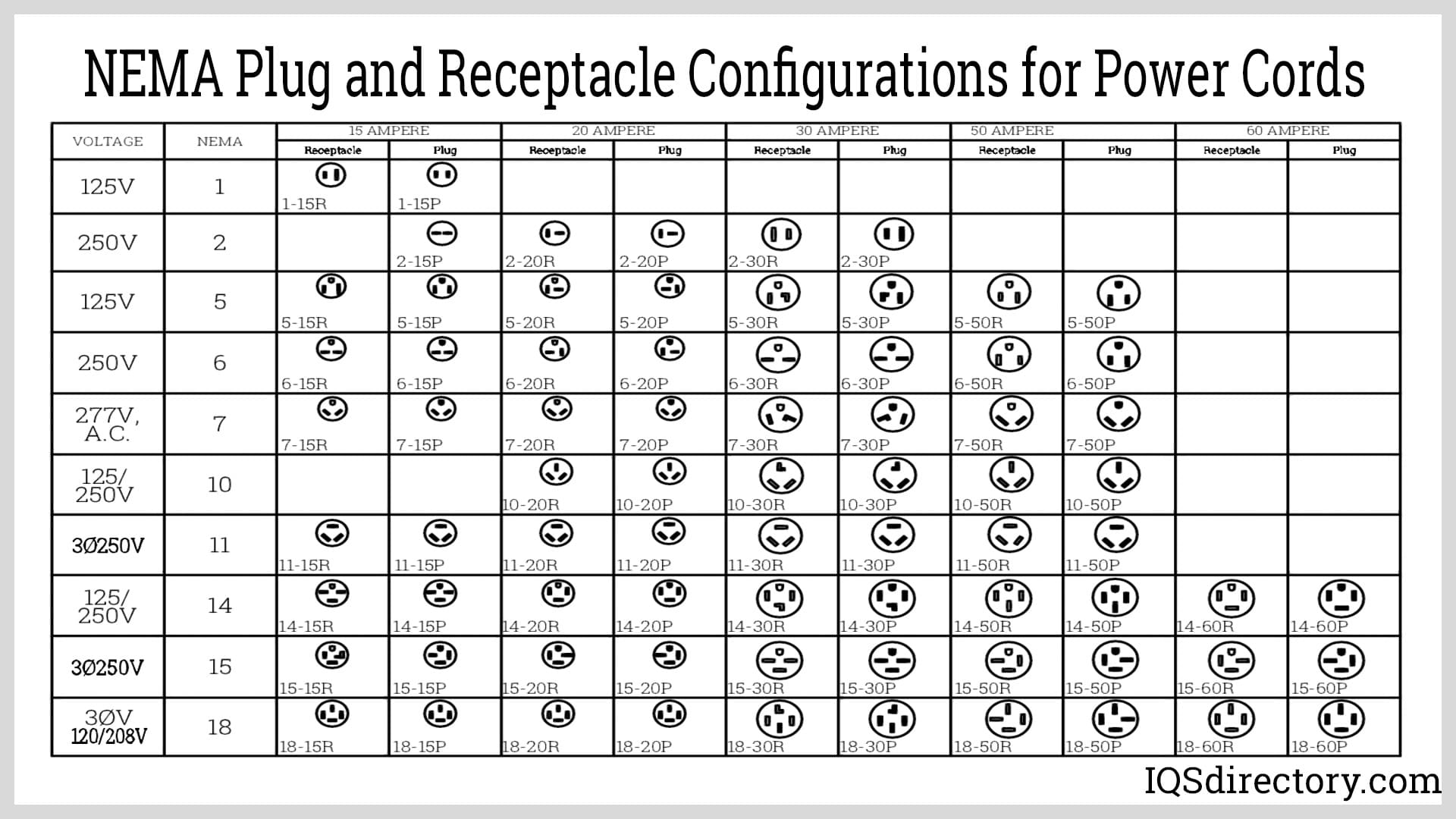
AC power cords carry alternating current to appliances, tools, and IT infrastructure. In North America, NEMA power cords set the standard. Straight blade connectors (like NEMA 5-15P) are standard for home and office equipment, whereas Twist-Lock® curved blade connectors prevent accidental disconnection in industrial environments.
Generator Power Cords
Generator power cords handle heavy electrical loads (15A to 50A at 120V/240V) using locking NEMA L5, L14, or CS series plugs. Four-prong generator cords provide dual 120V/240V split-phase capacity for heavy pumps, air conditioners, and backup transfer switches.
Generator Power Cord Wire Gauge (AWG) Sizing Table
| Device Power Requirements | Recommended Wire Gauge (AWG) by Cable Length | |||||
|---|---|---|---|---|---|---|
| Amperage (A) | Wattage Load (120V / 240V) | 10 ft. | 25 ft. | 50 ft. | 100 ft. | 150 ft. |
| 5 A | 600 W / 1,200 W | 18 AWG | 16 AWG | 14 AWG | 14 AWG | 14 AWG |
| 10 A | 1,200 W / 2,400 W | 16 AWG | 16 AWG | 14 AWG | 14 AWG | 12 AWG |
| 15 A | 1,800 W / 3,600 W | 14 AWG | 14 AWG | 12 AWG | 12 AWG | 10 AWG |
| 20 A | 2,400 W / 4,800 W | 14 AWG | 12 AWG | 12 AWG | 12 AWG | 10 AWG |
| 30 A | 3,600 W / 7,200 W | 12 AWG | 10 AWG | 10 AWG | 10 AWG | 8 AWG |
| 50 A | 6,000 W / 12,000 W | 8 AWG | 6 AWG | 6 AWG | Not Recommended | Not Recommended |
Leading Manufacturers and Suppliers

Chapter 3: NEMA Power Cord Classifications
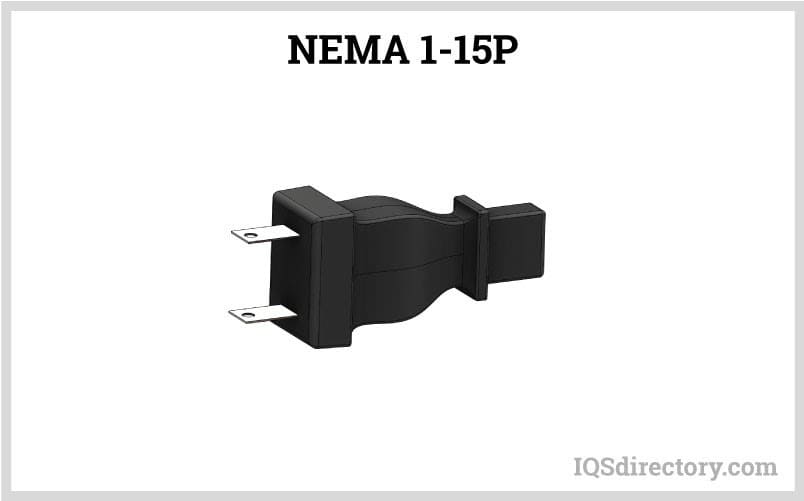
NEMA straight-blade plugs span NEMA 1 to NEMA 24, while locking plugs are coded NEMA L1 to L23. Standard 120V residential wall outlets use NEMA 5-15P (3-prong grounded).
Frequently Asked Questions
What Is a Power Cord and How Does It Function?
A power cord is a cable assembly that connects electronic devices to their power sources, enabling electricity transmission. It typically contains copper wires, insulation, and a protective layer, with plugs designed for compatibility and safety across regional standards.
How Can I Select the Right NEMA Power Cord for My Equipment?
To select the proper NEMA power cord, match voltage, amperage, plug type, and equipment requirements. Consider environment (home, industrial, data center) and always check compliance with NEMA and UL certifications for safety, reliability, and code compliance.
Why Are Locking NEMA Connectors Important in Industrial Environments?
Locking NEMA connectors feature twist-lock mechanisms to prevent accidental disconnection, ensuring continuous power in critical applications like industrial settings, data centers, and medical equipment where stable power delivery is crucial.
How Does Cord Length and Wire Gauge Affect Power Delivery?
Longer cords or thinner gauges increase voltage drop and reduce power efficiency. For extended lengths, use thicker (lower AWG) wires to minimize power loss and overheating, ensuring safe and optimal device performance.
Which Power Cord Plug Types Are Most Common in the United States?
Types A and B are the most common power cord plugs in the U.S., with NEMA 5-15 (Type B, grounded) widely used for residential, office, and small electronic devices requiring 125 volts and three-prong grounding.
What Should I Consider for Power Cords Used with Generators?
When using generator power cords, select a cord matching your generator's wattage, amperage, plug/outlet configuration, and required voltage. Use heavy-gauge, outdoor-rated cords with locking plugs for safety and reliable, weather-resistant operation.
Chapter 4: Extension Cords & Letter Code Classifications
Extension cords provide temporary power extensions. They are graded as Light Duty (<7A), Medium Duty (10A), or Heavy Duty (15A+).
Portable Extension Cord Letter Code Reference Table
| Letter Code | Designation | Technical Explanation & Rating |
|---|---|---|
| S | Severe Service | Extra-heavy duty 600V portable service cord with maximum abrasion resistance. |
| J | Junior Service | Hard service 300V rated cord (e.g., SJ, SJO, SJOW, SJT). |
| T | Thermoplastic | Light-duty PVC plastic jacket (e.g., SJT, SPT). |
| E | Elastomer | Thermoplastic elastomer rubber jacket offering superior cold-weather flexibility. |
| O / OO | Oil-Resistant | 'O' = Oil-resistant outer jacket; 'OO' = Both jacket and internal conductor insulation are oil-resistant. |
| W / W-A | Weather & Water Resistant | UL-approved for continuous outdoor sunlight and moisture exposure (e.g., SJOOW, SOOW). |
Chapters 5 – 9: Splitters, Receptacles, Adapters & Covers
Power cord splitters multiply available outlets for local equipment racks. Electrical receptacles incorporate self-testing GFCI and tamper-resistant shutters. Outlet covers protect unpopulated receptacles from dirt, moisture, and accidental shock hazards.
Conclusion
Power cords convey electric energy safely across residential, commercial, and heavy-duty industrial systems. Matching AWG wire gauges, NEMA/IEC plug standards, and environmental jacket ratings ensures code compliance and long service life.
Power Cords Suppliers on IQS Directory
- Quail Electronics, Inc.
- Interpower Corporation
- Kord King
- Consolidated Electronic Wire & Cable
- International Configurations, Inc.
View all Power Cords suppliers · Request a quote for Power Cords
Table of Contents
Loading Leading
Category Companies
Related Posts
AC Power Cord
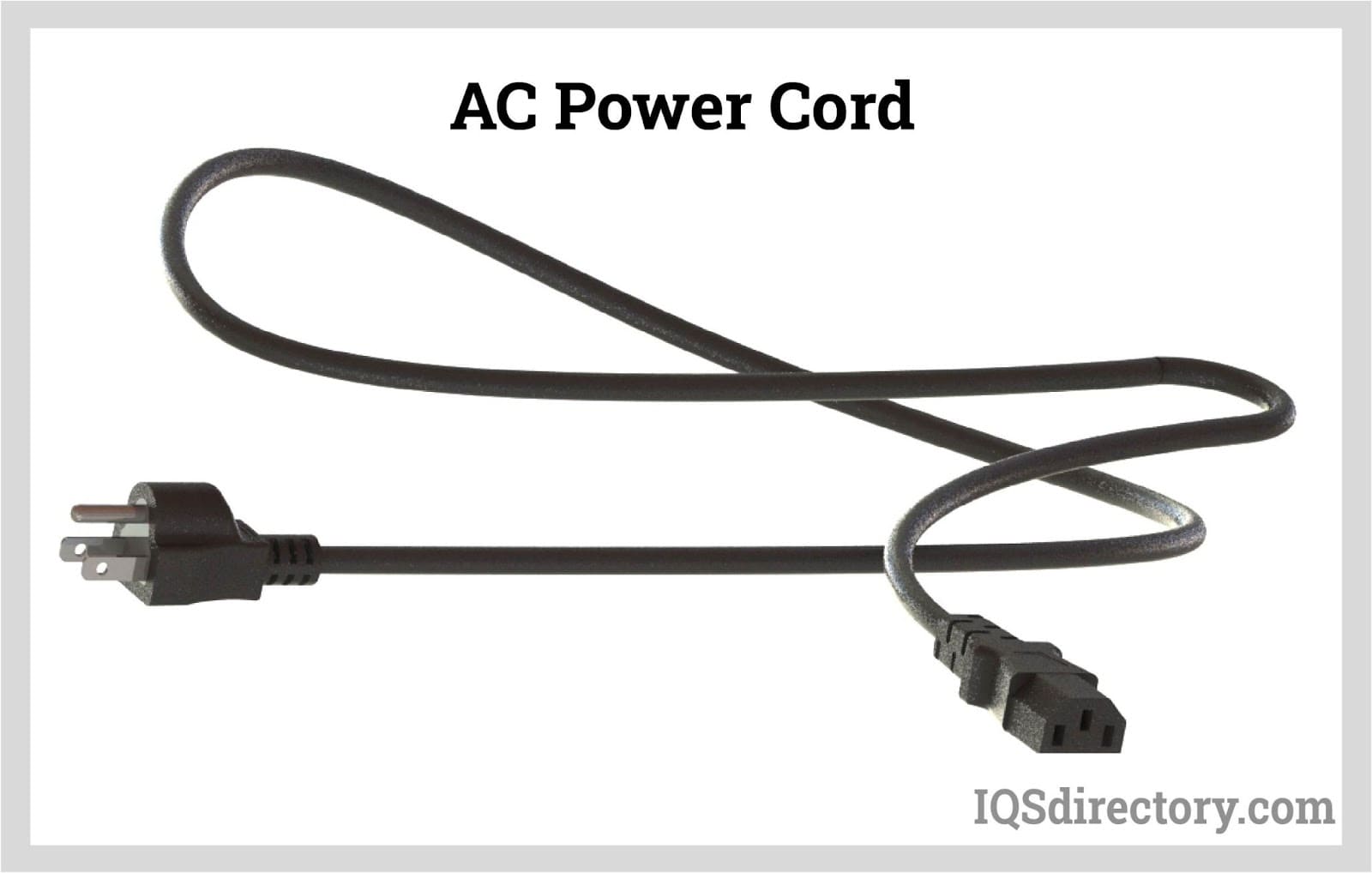
An AC power cord delivers alternating current from a mains supply to electrical equipment...
Electrical Plugs
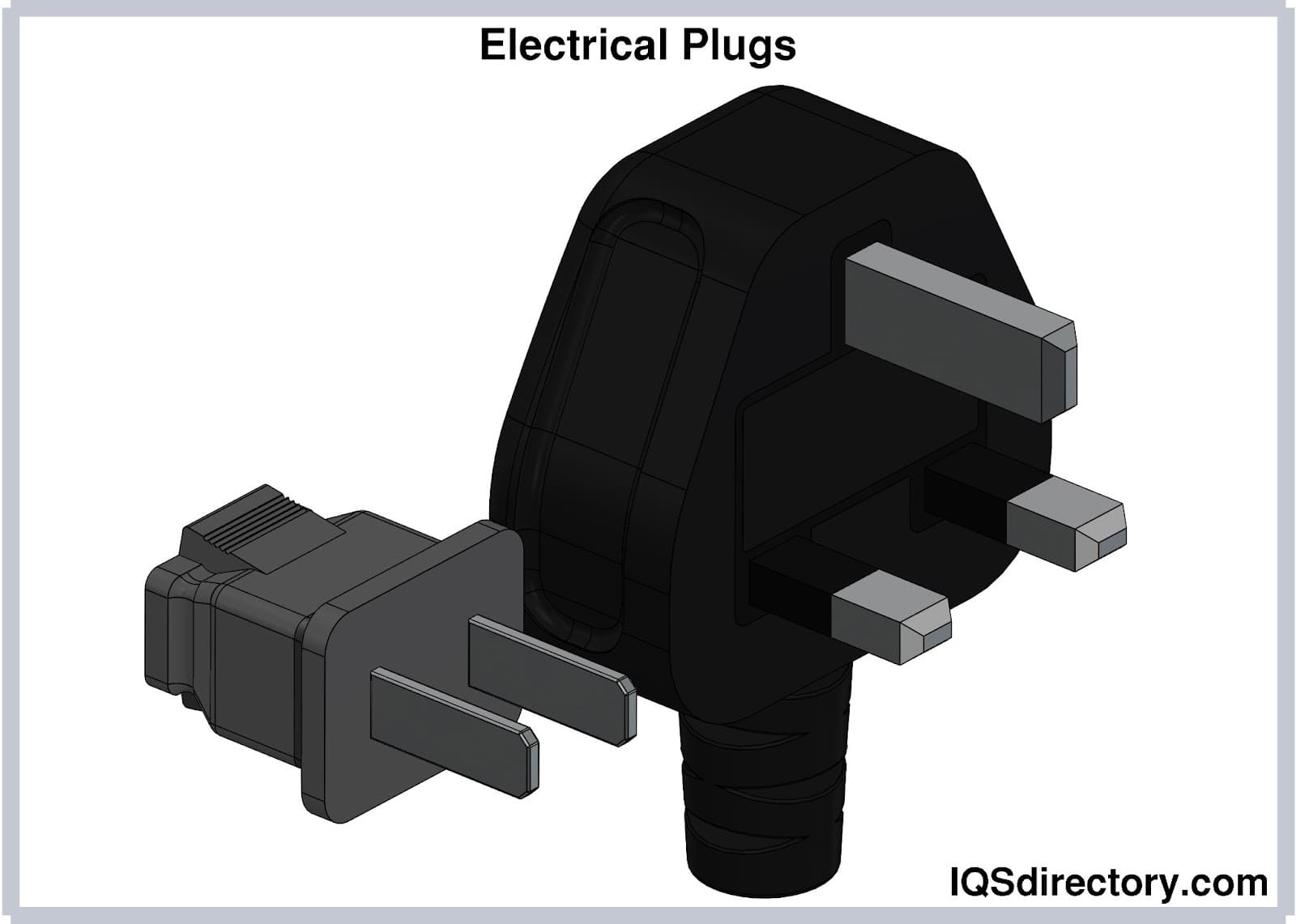
Electrical plugs supply current from receptacles to appliance circuitry...
NEMA Connectors
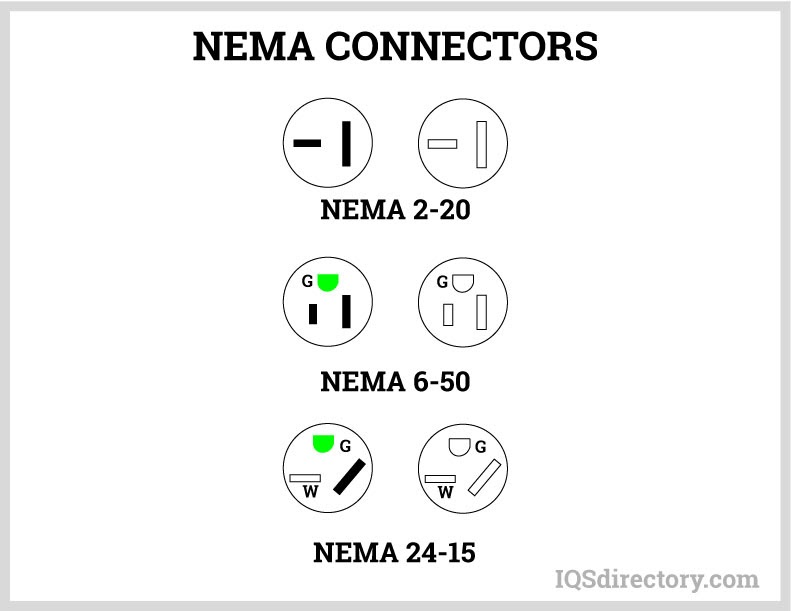
A NEMA connector standardizes connections for electronic devices across outlets...