
- 5 leading manufacturers
- 43 additional suppliers
- 20 states and provinces
- 15 related categories
- 9 guide sections
Electronic Enclosures Manufacturers and Suppliers

IQS Directory provides a comprehensive list of electronic enclosure manufacturers and suppliers. Use our website to review and source top electronic enclosure manufacturers with roll over ads and detailed product descriptions. Find electronic enclosure companies that can design, engineer, and manufacture electronic enclosures to your companies specifications. Then contact the electronic enclosure companies through our quick and easy request for quote form. Website links, company profile, locations, phone, product videos and product information is provided for each company. Whether you are looking for manufacturers of small electronic enclosures, electronic cases, plastic electronic enclosures, or customized electronic enclosures of every type, this is the resource for you.
Suppliers located in PA, TX, IL +17 more states
Contents (6 sections)
Leading Electronic Enclosures Manufacturers
Showing all 5
| Placement No. | Manufacturer | Location | Contact | Actions | |
|---|---|---|---|---|---|
| 1 | Industrial Enclosure CorporationAt Industrial Enclosure Corporation, we manufacture durable electronic enclosures designed to protect sensitive components in industrial environments. Our company produces precision-built enclosures for electrical systems, instrumentation, automation controls, communication equipment, and custom electronic assemblies. | Aurora, IL | |||
| 2 | Enclosure IndustriesAt Enclosure Industries, we provide electronic enclosures and metal fabrication solutions designed to protect components, support reliable equipment operation, and meet demanding industrial requirements. Our company works with customers who need fabricated products that combine durability, precision, and practical design, and we focus on delivering solutions that help systems perform with confidence. | Ashippun, WI | |||
| 3 | AMCO Enclosures-an IMS Engineered Products BrandAt AMCO Enclosures, we provide electronic enclosures built to protect sensitive components, organize complex systems, and support reliable performance in industrial, commercial, and technical environments. Our company focuses on solutions that house controls, power distribution equipment, communications hardware, instruments, and electronic assemblies with strength, accessibility, and long-term serviceability in mind, helping customers create secure spaces for essential electrical equipment. | Des Plaines, IL | |||
| 4 | Accurate Metal FabricatingAt Accurate Metal Fabricating, we specialize in crafting precision-engineered electronic enclosures that meet the unique demands of modern industries. With a relentless commitment to quality, we pride ourselves on providing cutting-edge enclosures that safeguard electronic components with unparalleled accuracy. At the heart of our success is a passion for innovation, driving us to create enclosures that exceed expectations and empower industries to thrive in the digital age. | Cicero, IL | |||
| 5 | A & J Manufacturing Co.At A & J Manufacturing Co, we specialize in the design and production of high-quality electronic enclosures built to protect sensitive equipment in demanding commercial and industrial environments. We manufacture durable enclosure solutions for a wide range of electrical and electronic applications, delivering products that support reliability, organization, and long-term system performance. | Foothill Ranch, CA |
Claim your Page One Spot
Leading electronic enclosures manufacturers are listed first on this page, each with a website preview and a Request a Quote button on its row.
Additional Electronic Enclosures Companies
The category’s other electronic enclosures companies are listed on their own page, with location, phone and website where each supplier provides them.
View 43 Additional Electronic Enclosures CompaniesDo not see your company listed in Electronic Enclosures?
Engineers and buyers use this page to find electronic enclosures suppliers. Add your company to the Electronic Enclosures listings so they can find you too.
List Your Company- Listed in the Electronic Enclosures directory
- A profile page for your company
- Buyers contact you directly
Electronic Enclosures Industrial Manufacturing Guides
NEMA Enclosures: Everything You Need to Know about Types & Sizes
This article provides comprehensive information about NEMA enclosures. You will learn how NEMA enclosures are made, and their materials of construction as well…
6 chapters, the longest in this category
Quick Answers
- How many electronic enclosures manufacturers are listed on IQS Directory?
- 5 leading manufacturers and 43 additional suppliers.
- Where are electronic enclosures manufacturers located?
- The listed suppliers are in 20 states and provinces: Pennsylvania (11), Texas (6), Illinois (4), California (3), Colorado (3), Florida (2), Indiana (2), Michigan (2), and 12 more.
- How do I get quotes from electronic enclosures suppliers?
- Select suppliers in the table and choose Request Quotes. IQS reviews your request and forwards it to every supplier you select.
Electronic Enclosures
Electrical enclosures are protective housings built to shield electronic and electrical components, including conduits, connections, switches, controls, terminals, circuit boards, PLC assemblies, and wiring terminations, from moisture, dust, impact, contamination, accidental contact, tampering, and unauthorized access. In industrial plants, OEM equipment, commercial facilities, infrastructure systems, and residential installations, these housings help improve safety, operating reliability, enclosure lifespan, and maintenance efficiency. Buyers often compare electronic enclosure materials, NEMA ratings, EMI shielding performance, sealing methods, thermal management, and mounting styles to match each enclosure to its application, service environment, and long-term performance needs.
The History of Electronic Enclosures
Electronic enclosures developed from the need to protect early switches, often called cut-outs. These assemblies used copper bars and an insulated "T" handle for manual operation and were mounted on slate, wood, or mica with exposed live parts that remained visible and accessible. Switchboards followed a similar pattern, using open copper busbars and unguarded energized components on vertical boards. As electrical systems spread into commercial and residential spaces, the hazards of exposed parts became more apparent, leading manufacturers to place them inside wooden cut-out boxes to reduce direct contact and improve safety.
For a period, wooden enclosures offered a workable level of protection. When electricity entered homes and small businesses, live components were often installed inside wooden cabinets and boxes. As usage increased and more taps and circuits were added, overheating, loose connections, and fire risk became harder to ignore. Manufacturers responded by replacing wood with flame-retardant metal enclosures that offered better durability, stronger fire resistance, and more dependable protection for wiring, controls, switches, and distribution components.
Since then, electronic enclosures have advanced alongside improvements in materials, manufacturing, and electronics design. While early enclosures were commonly fabricated from sheet metal such as stainless steel, modern housings are also produced from aluminum, thermoplastics, fiberglass, and composite materials. As electronics have become smaller, denser, and more powerful, enclosure design has expanded to address thermal management, corrosion resistance, gasket sealing, EMI shielding, washdown protection, access control, and maintenance-friendly service features for OEMs, panel builders, and plant teams.
Enclosure Benefits
Electronic enclosures protect both people and equipment by limiting exposure to live electrical parts and by helping sensitive systems resist failures caused by water, dust, dirt, oil, chemicals, corrosion, vibration, and electromagnetic interference (EMI). For engineers, OEMs, maintenance teams, and purchasing professionals comparing enclosure options, that can mean safer operation, less unplanned downtime, lower replacement costs, better asset protection, and more consistent performance from controls, drives, terminals, and circuit assemblies.
Manufacturers offer a wide range of enclosure materials, sizes, ratings, and mounting configurations, making it easier to match the housing to the application instead of forcing the application to fit a generic box. That flexibility matters when comparing indoor versus outdoor service, corrosion resistance, washdown performance, cleanability, thermal management, cable entry, door access, lockable hardware, and total installed cost. Buyers often ask: what enclosure works best for outdoor controls, food processing equipment, or corrosive washdown areas? The answer usually depends on rating, material, and real operating conditions.
A well-matched enclosure can also improve organization inside the cabinet by supporting cleaner wiring layouts, panel mounting, airflow planning, labeling, and faster access for troubleshooting. Whether the goal is to protect PLCs, terminal blocks, drives, HMIs, network components, instrumentation, or control panels, the right electronic enclosure helps support uptime, compliance, serviceability, and longer equipment life while making future upgrades easier to manage.
Electronic Enclosure Design and Customization
When designing electronic enclosures, manufacturers must evaluate material, size, shape, mounting method, sealing, heat management, access, and overall configuration so the finished housing performs reliably in its intended setting. Design decisions often begin with a practical question: what does the enclosure need to protect, and what will it face in the field over time?
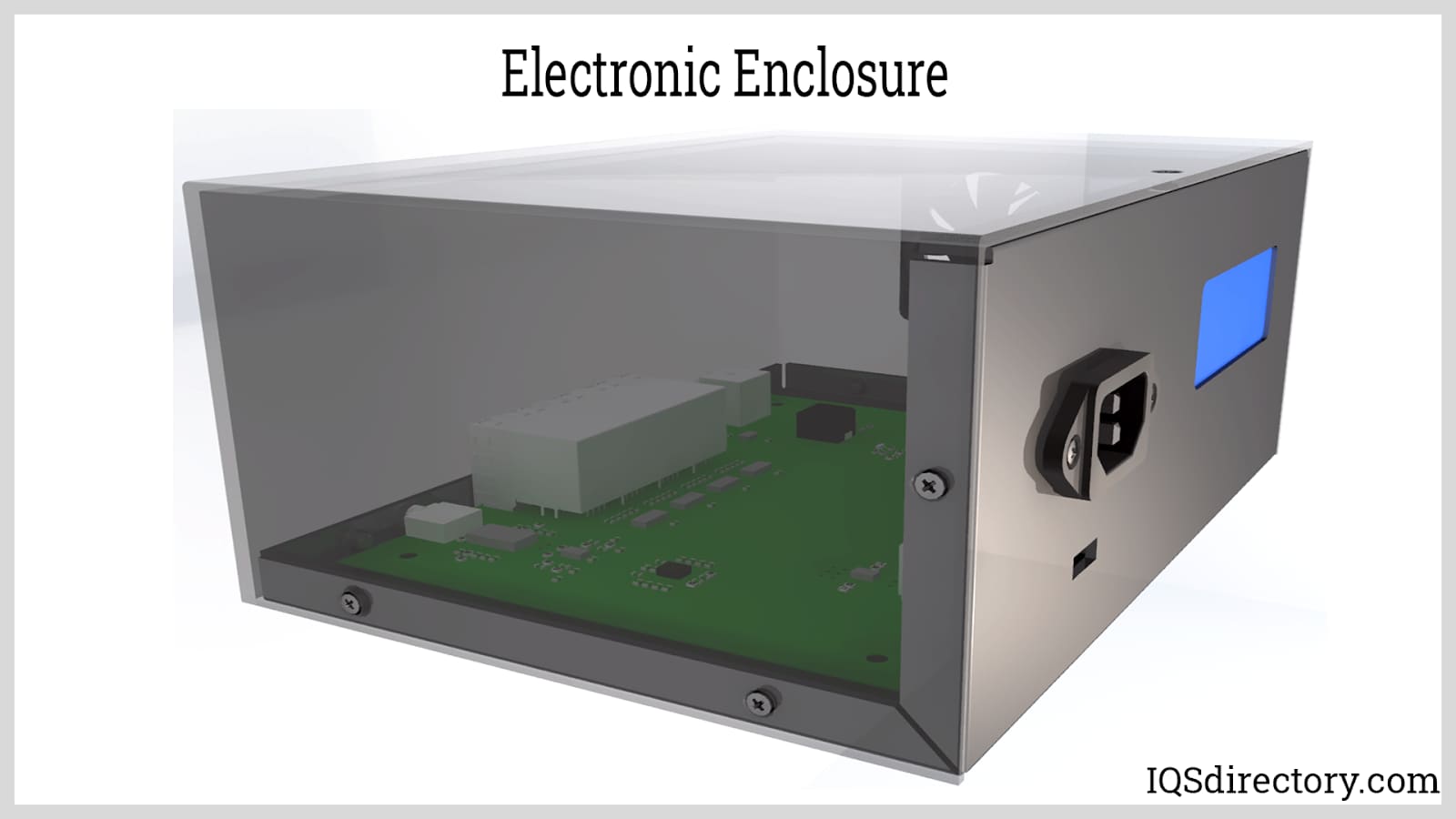
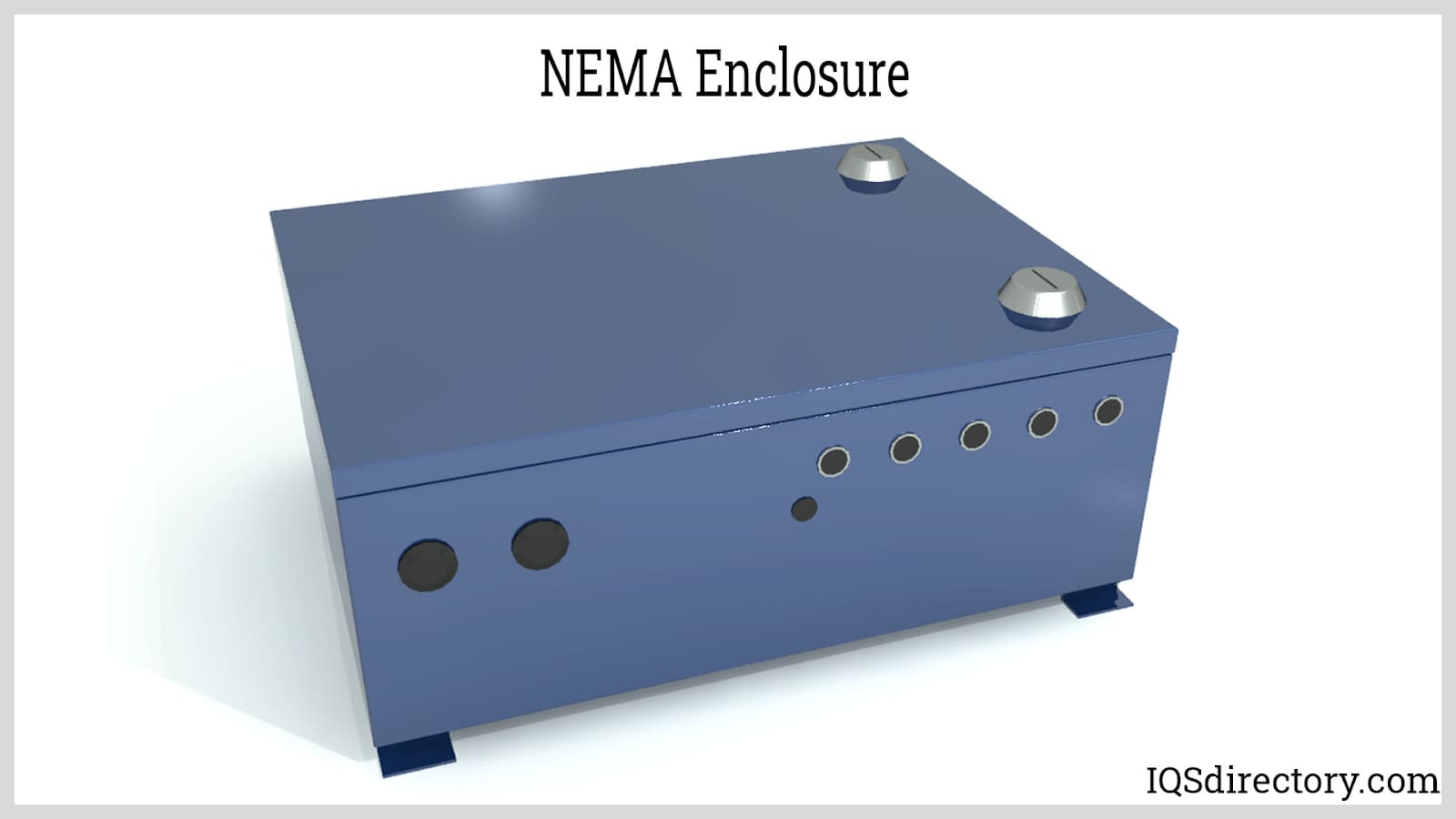
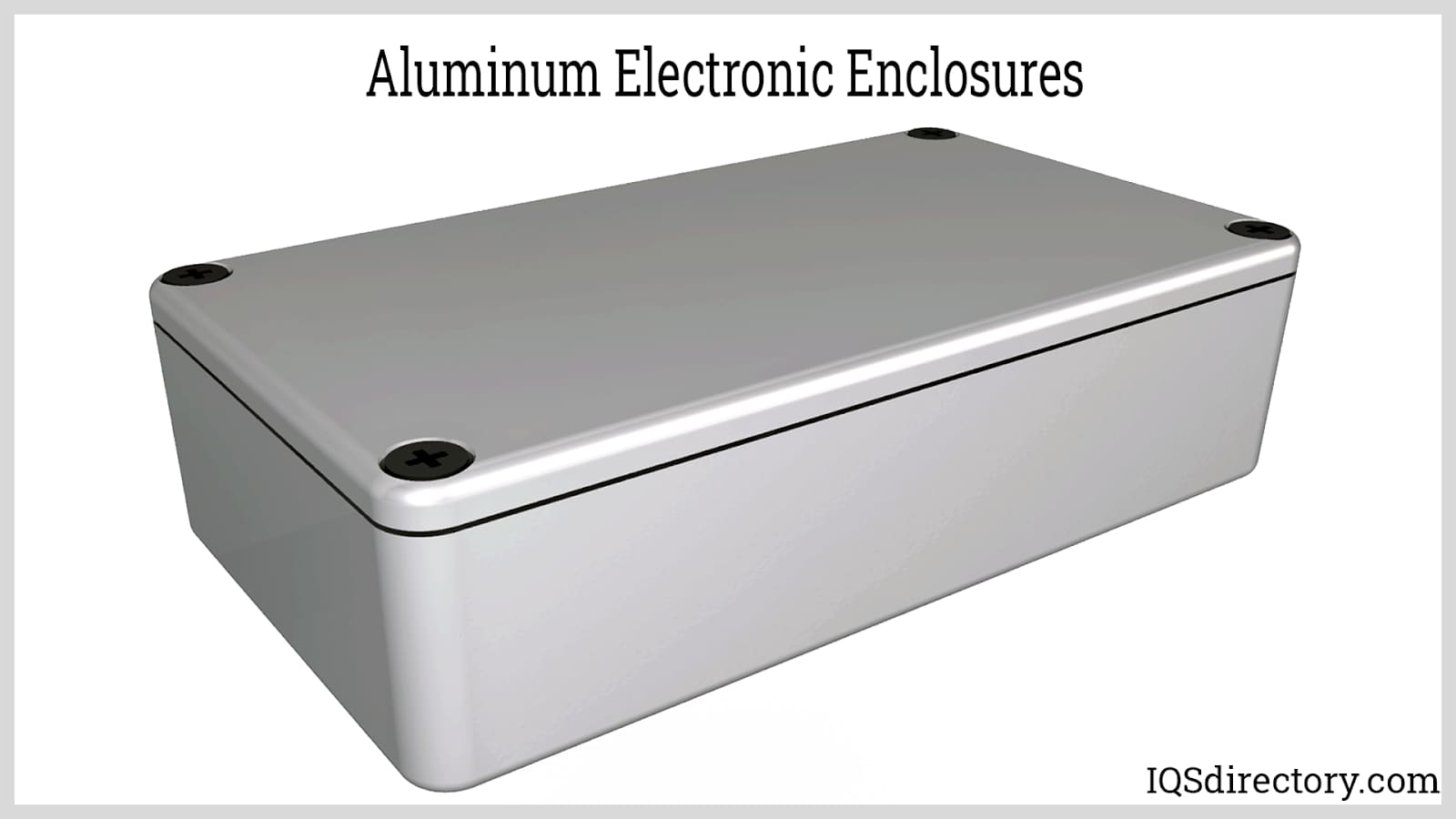
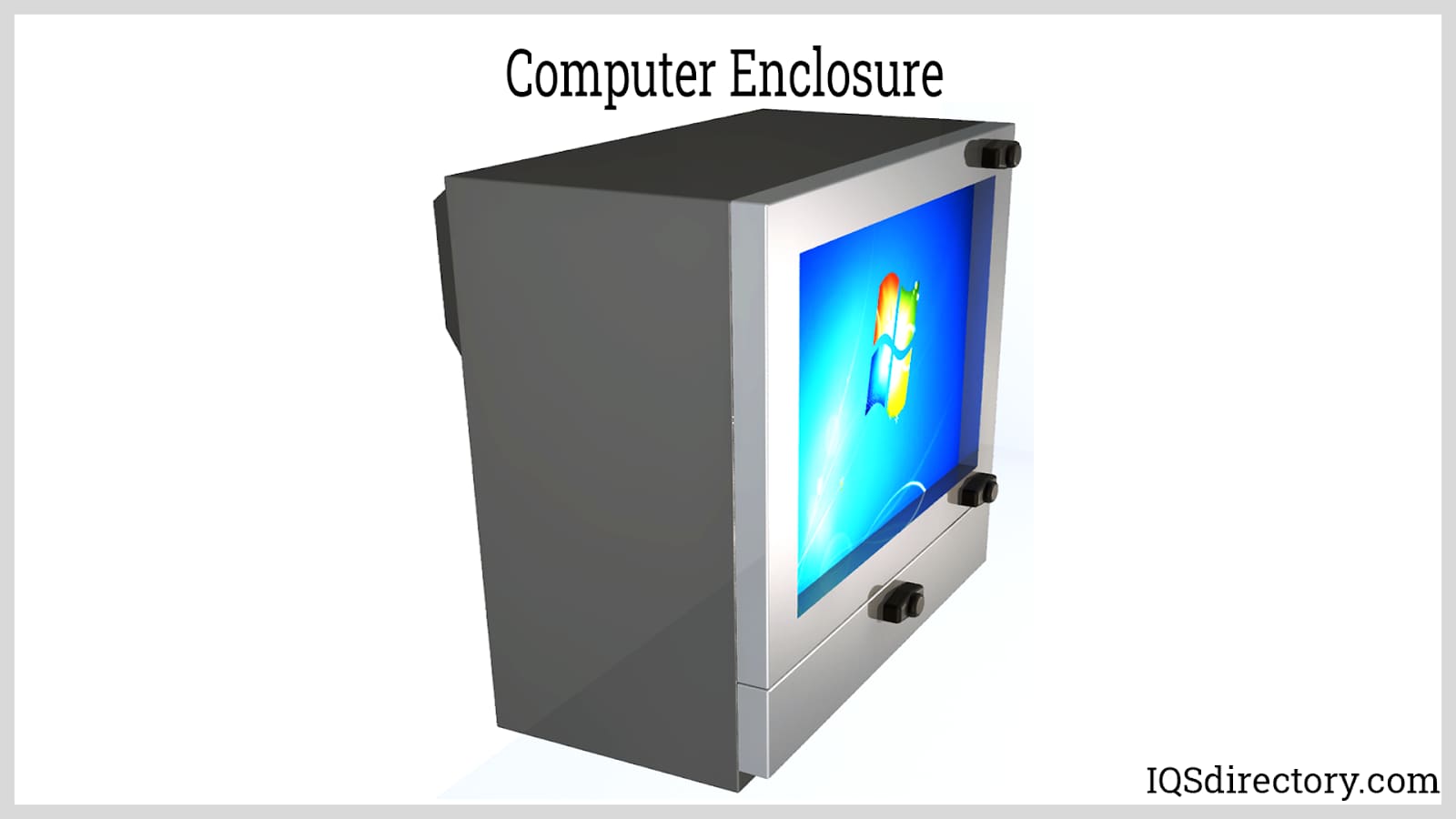
Material Design Manufacturers must carefully choose materials that provide the required protection, durability, and performance for electronic enclosures. Common enclosure materials include stainless steel sheet, aluminum sheet, fiberglass, Kevlar, high-strength polymer plastics, and composite materials. Material selection is guided by the need to protect internal electronics, resist environmental intrusion, and provide the right balance of strength, weight, machinability, and service life. Key material considerations include resistance to vandalism, weather, corrosion, impact, and temperature swings. Additional factors such as thermal insulation or heat dissipation, compliance with environmental demands, enclosure appearance, fabrication requirements, and cost also play a role. Durability depends heavily on installation conditions. For example, a plastic enclosure may perform very well indoors, while a fabricated sheet metal enclosure may be the better fit for heavy outdoor service, harsh industrial exposure, or locations where stronger physical protection is needed. Size and Shape Electronic enclosures vary greatly in size, from very compact housings used for sensors, push buttons, and handheld electronics to large walk-in or room-sized enclosures used for equipment banks and process systems. While many enclosures are rectangular and box-like, they may also feature sloped tops, rounded edges, shallow-profile designs, or circular forms. Size and shape are dictated by the application, required component layout, wiring space, access needs, mounting location, and whether future expansion must be considered during design. Features and Customization Manufacturers can customize enclosures with a wide range of features tailored to specific applications. For added security, they may integrate locking hardware and controlled-access doors. To manage temperature, enclosures can be fitted with ventilation fans. Other custom enclosures include lids, removable panels, operator cutouts, cable access points, vents, windows, gland plates, internal mounting panels, and recessed areas for labels, displays, or keypads. Enclosures can also be sized precisely to fit unique spaces, retrofits, and OEM assemblies. While many standard housings snap together, manufacturers can provide stronger and more impermeable seals through lap-joint or tongue-and-groove construction, helping the enclosure perform better in wet, dusty, corrosive, or washdown service. Custom fabrication also allows buyers to match hole patterns, mounting provisions, and internal layout to their specific equipment package.Electronic Enclosures Images, Diagrams and Visual Concepts
Types of Electronic Enclosures
Electronic Enclosure Applications
Because of their delicate circuitry, electronic products such as wiring, controls, boards, terminals, communication components, power supplies, instrumentation, and automation devices must be protected from dirt, water, oil, washdown exposure, vibration, impact, and accidental contact. To support dependable operation, electronic enclosures have become standard across industrial plants, manufacturing lines, utility sites, data environments, transportation systems, machine builds, and commercial facilities.
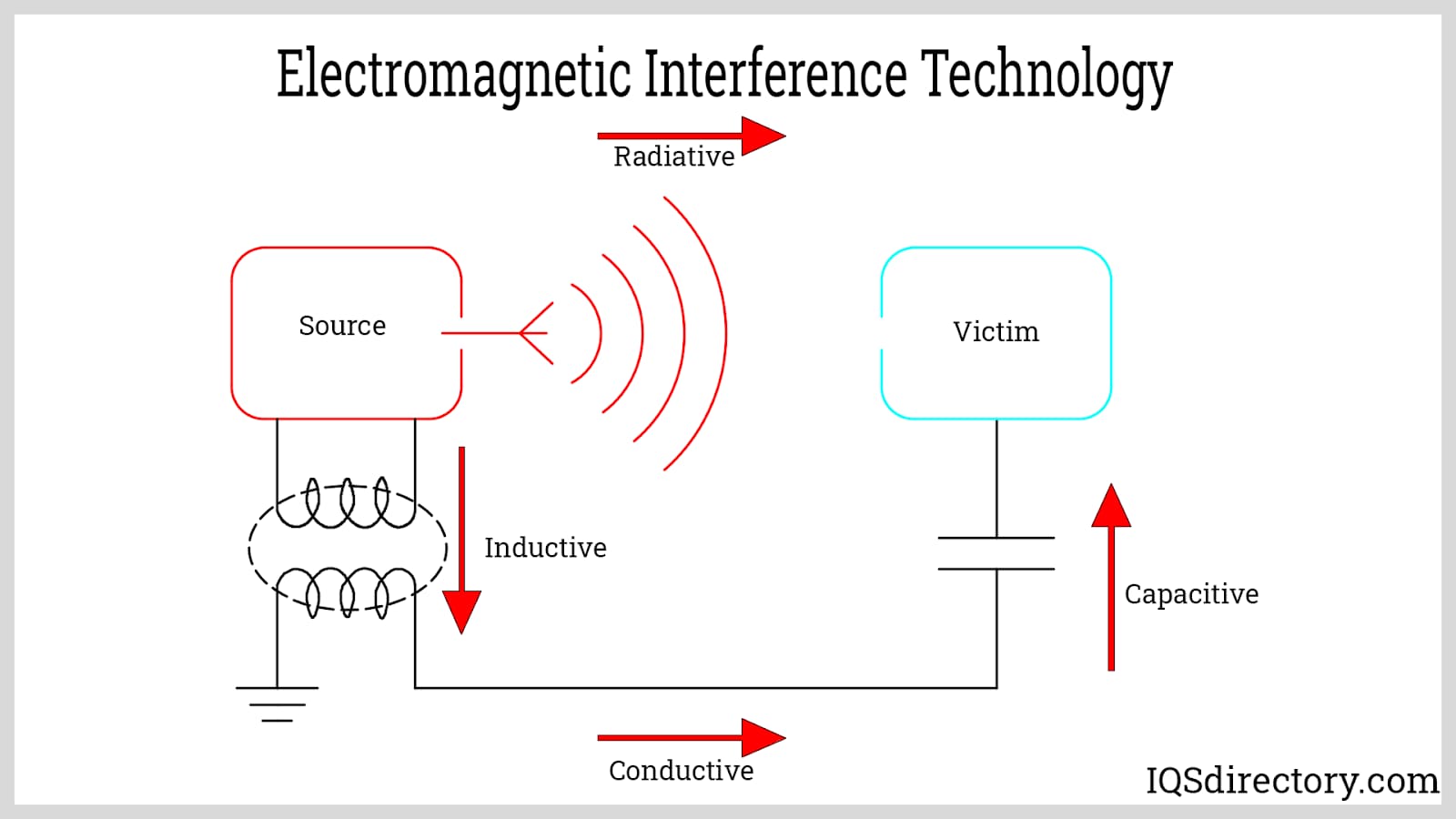
Encasing electronic components helps block the intrusion of solids and, depending on the design, liquids, humidity, corrosive atmospheres, ultraviolet exposure, and airborne contaminants. Beyond shielding against pollutants and moisture, many enclosures also help protect internal equipment from electromagnetic interference (EMI), radio frequency interference, incidental mechanical damage, and service conditions that could disrupt controls, signals, and sensitive electronics.
Often referred to as "electrical cabinets" or "electronic instrument enclosures," these protective housings are widely used in medical equipment, communications infrastructure, automotive systems, food processing, agriculture, water treatment, renewable energy, and public infrastructure. Their applications extend to almost any electronic component package, which is why they are common in public spaces, private buildings, OEM assemblies, process control systems, and field-installed electrical equipment.
Search-style buying questions often begin with fit, rating, and environment: Which enclosure is best for outdoor controls? What enclosure material resists washdown chemicals? How do stainless steel, aluminum, fiberglass, and polycarbonate compare for your application? Should you choose a wall-mount, rack mount, or custom electronic enclosure? Those questions usually lead back to the same priorities—protection level, service access, material performance, enclosure size, and long-term durability.
Standards and Specifications for Electric Enclosures
Ensure that your electronic enclosure is NEMA certified, as this helps verify that it meets recognized safety and performance standards. NEMA certification gives manufacturers, engineers, OEMs, distributors, and maintenance teams a practical way to compare enclosure options and choose housings that provide the right level of protection for the electronics inside under known operating conditions.
Selecting the proper NEMA rating matters because different types provide different levels of protection. Type 1 enclosures are designed for general indoor use and mainly help prevent accidental contact with internal components. Type 4X enclosures can be used indoors or outdoors and offer protection against corrosion, windblown dust, rain, sleet, snow, splashing or hose-directed water, and external ice formation. Type 12 enclosures are intended for industrial indoor use and help protect equipment from lint, dust, dirt, fibers, dripping or seeping liquids, and non-corrosive fluids. These housings are built without knockouts or open entry points, except for oil- and dust-tight gasketed mechanisms that support better sealing.
When comparing enclosure specifications, buyers often review not only NEMA type but also gasket design, door seal performance, mounting style, material thickness, latch design, and whether the enclosure will be exposed to washdown, chemical splash, sun, salt, vibration, or extreme temperatures. Matching the rating to the real operating environment helps avoid under-protecting equipment or overspending on a housing with features the application does not require.
Things to Consider When Choosing an Enclosure
When choosing an electronic enclosure, several factors should be weighed, including application, size, construction materials, mounting options, security features, service access, and NEMA rating. Buyers also ask whether the enclosure will be installed indoors or outdoors, whether it must resist chemicals or corrosion, whether it needs EMI shielding, whether windows or operator interfaces are needed, and whether the design should leave room for future expansion or component changes.
Additional considerations include liquid water control, heat flow, strength and rigidity, water vapor movement, ventilation, and air circulation to make sure the enclosure provides the right level of protection in its intended environment. In many applications, maintenance access, cable management, gland plate layout, gasket integrity, door hardware, mounting footprint, and installation speed also shape the best enclosure choice for the job.
To ensure durability and functionality, an enclosure should help protect against impact shock, static interference, heat buildup, dirt, dust, moisture, and electromagnetic fields. It is also wise to evaluate ease of installation, panel space, interior layout, door swing, latch type, grounding provisions, and how quickly technicians can inspect or service the contents once the enclosure is in place.
Impact Shielding Modern electronic equipment is far more compact than earlier systems, which often makes it more vulnerable to physical shock and vibration. A well-designed enclosure should provide impact shielding that helps protect internal components from bumps, vibration, and mechanical stress that could reduce performance, damage circuit assemblies, or shorten service life. Static Shielding Some electrical components are highly sensitive to static electricity, which can lead to malfunctions or permanent damage. Static shielding helps prevent outside static currents from interfering with enclosed devices and may also help reduce the risk of unwanted charge buildup, discharge events, and other electrical disturbances that affect reliable operation. Heat Shielding As electrical current moves through components, heat is generated, and many electronic systems are sensitive to temperature changes. An effective enclosure should address thermal management to reduce overheating. Some designs use heat sinks, vents, filtered fans, or other cooling features to move heat away from the electronics. Whether passive or active cooling is used, managing heat inside the enclosure supports better equipment performance and service life. Dirt and Waterproofing Electrical components need dependable protection from dirt and moisture to operate reliably over time. Before purchasing an enclosure, review the actual environmental conditions the housing will face. Some enclosures are designed to resist airborne dust and windblown dirt, while others are built for frequent washdown, wet areas, or outdoor service where rain, splashing water, and ice can be a concern. Proper sealing helps preserve electronics, reduce maintenance, and limit contamination-related failures. Magnetic Shielding Electromagnetic pulses and interference can disrupt sensitive electronic systems, especially in applications that depend on signal stability and precision. Magnetic shielding helps limit the effects of electromagnetic radiation and related disturbances, supporting more dependable performance for electronics, communication devices, instruments, and control equipment.Electronic Enclosures Terms
More Electronic Enclosures Information
More Enclosures Information
Common Questions
7 questions
What Are Electronic Enclosures Used For?
Electronic enclosures are protective housings used to shield electrical and electronic components such as conduits, switches, terminals, controls, and wiring connections from moisture, dust, debris, impact, and unauthorized access. They help support safe, reliable operation in industrial, commercial, and residential settings while extending equipment life, reducing service issues, and improving protection for sensitive electronics.
How Did Electronic Enclosures Evolve over Time?
Electronic enclosures began as simple wooden boxes used to cover live electrical components. As electricity use expanded, metal and flame-retardant materials replaced wood to reduce fire risk and improve durability. Modern electronic enclosures are now manufactured from metals, engineered plastics, fiberglass, and composite materials that support better sealing, thermal performance, corrosion resistance, EMI shielding, and safer equipment protection.
What Materials Are Commonly Used for Electronic Enclosures?
Common enclosure materials include stainless steel, aluminum, fiberglass, polycarbonate, ABS plastic, and composite materials. Each option is selected based on required strength, corrosion resistance, impact protection, heat dissipation, electrical insulation, EMI shielding needs, and suitability for indoor, outdoor, washdown, corrosive, or heavy-duty industrial environments.
What Does a NEMA Rating Mean for an Electronic Enclosure?
A NEMA rating identifies how well an enclosure protects enclosed equipment from environmental conditions such as dust, water, corrosion, and accidental contact. For example, Type 1 is commonly used for general indoor applications, while Type 4X is chosen for outdoor service and demanding industrial areas that require water resistance and corrosion protection.
What Industries Rely on Electronic Enclosures?
Electronic enclosures are widely used in manufacturing, medical equipment, automotive systems, telecommunications, utilities, transportation, food processing, agriculture, renewable energy, data environments, and commercial buildings. Any setting that depends on protected wiring, controls, instrumentation, drives, or sensitive circuitry can benefit from a properly selected enclosure.
What Should Be Considered When Choosing an Electronic Enclosure?
Key considerations include the application, size, material, mounting style, NEMA rating, ingress protection needs, and exposure to dust, water, chemicals, or outdoor conditions. Buyers also review heat dissipation, washdown resistance, cable entry, access points, security, EMI shielding, maintenance access, and space for future component changes to support dependable long-term operation.
What Are EMI Enclosures and Why Are They Important?
EMI enclosures are designed to reduce electromagnetic interference that can disrupt, degrade, or damage sensitive electronics. They use conductive metals, coatings, gaskets, or shielding features to help block unwanted signals and radiation, supporting stable performance for controls, instruments, communication equipment, and other electronic devices.