




Anodized Aluminum: Types, Uses and Features and Benefits
IQS Directory EditorialUpdated 4 chapters
5 leading suppliers listed with this guide
Browse anodized aluminum suppliersContents (4 chapters)
This article takes an in-depth look at anodized aluminum.
Read further and learn more about:
- What is Anodized Aluminum?
- The Aluminum Anodizing Operation
- Types of Aluminum Anodized Finishes
- And much more…
Chapter 1: What Is Anodized Aluminum?
Anodized aluminum is aluminum that has undergone an anodizing treatment to develop a surface that is exceptionally durable, corrosion-resistant, and aesthetically pleasing. The process involves an electrochemical treatment in a series of baths, which grows an anodic layer directly on the aluminum's surface. This layer is integral to the aluminum, which prevents issues like chipping, peeling, or flaking. Anodized aluminum is about three times more durable than untreated aluminum and is significantly lighter than stainless steel and copper.
The anodizing procedure creates a strong aluminum oxide layer that is fused with the base metal, greatly enhancing its hardness and strength. This layer is porous, allowing for the application of dyes, paints, lubricants, and adhesives. The treatment also boosts aluminum's resistance to corrosion and wear, enabling it to endure harsh environmental conditions.
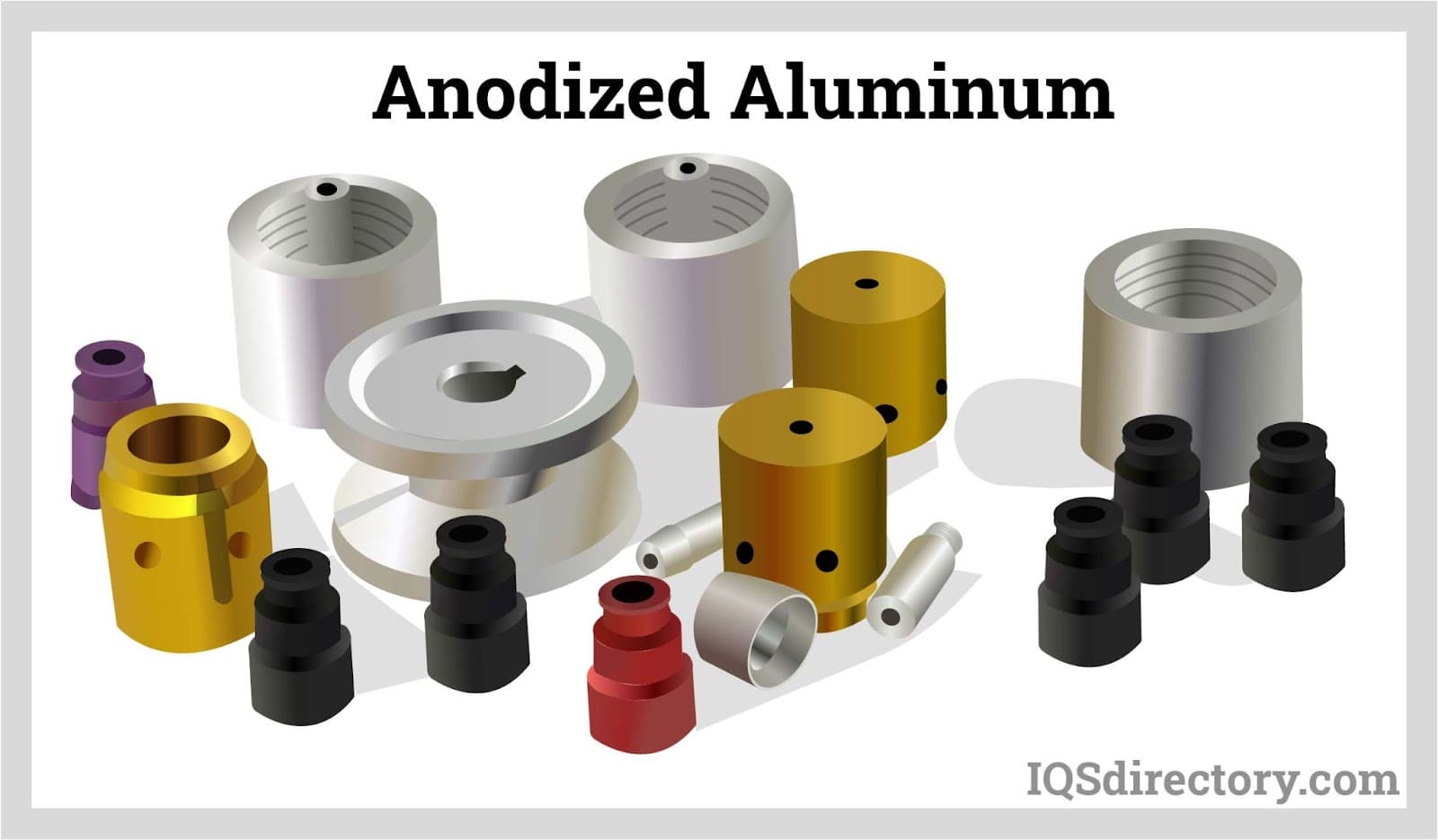
Anodizing forms a robust aluminum oxide layer that is fully integrated with the base aluminum material, enhancing its hardness and strength. This anodic layer is resistant to chipping, peeling, scratching, and flaking because it is chemically bonded with the aluminum rather than being a surface coating. The layer's porous structure allows it to accept dyes, paints, lubricants, and adhesives, while providing superior protection against corrosion and weathering, making it suitable for harsh environments.
One of the advantages of anodizing is that it does not affect aluminum’s recyclability. Additionally, this process is considered more eco-friendly compared to electroplating and painting methods.
Anodized aluminum components have a sleek, glossy finish that enhances their aesthetic appeal. The anodizing process also enables bright and durable coloring, with the resulting film being highly resistant to fading. This makes anodized aluminum a popular choice for decorative and architectural uses.
Chapter 2: What Is the Process Involved in Aluminum Anodizing?
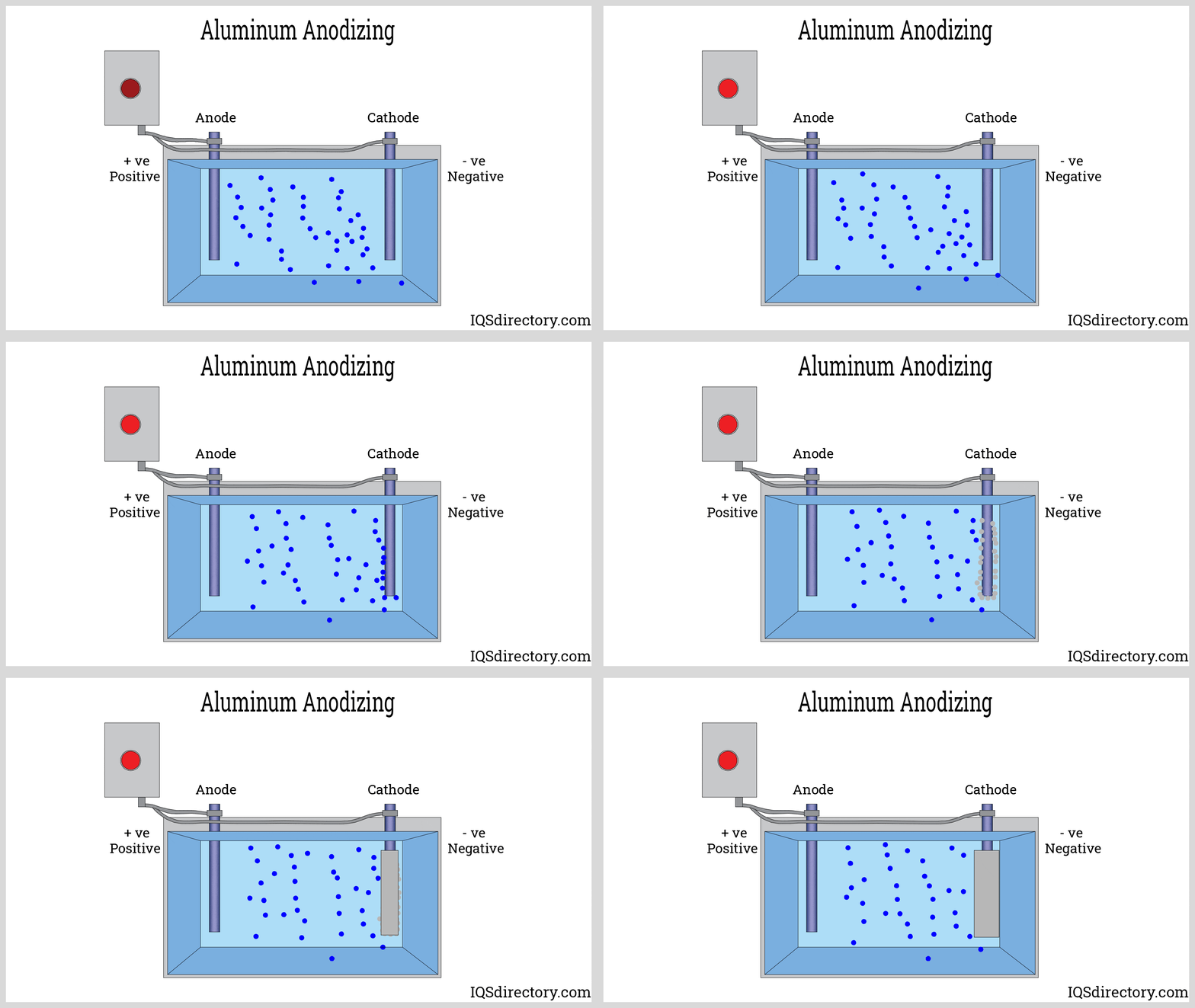
Anodizing is an electrolytic passivation technique that enhances the thickness of the natural oxide layer on aluminum surfaces. This process creates a robust, stable film that improves the aluminum's inherent resistance to corrosion. The anodizing process involves immersing aluminum parts in an acidic electrolyte bath and applying direct current (DC) to facilitate oxidation.
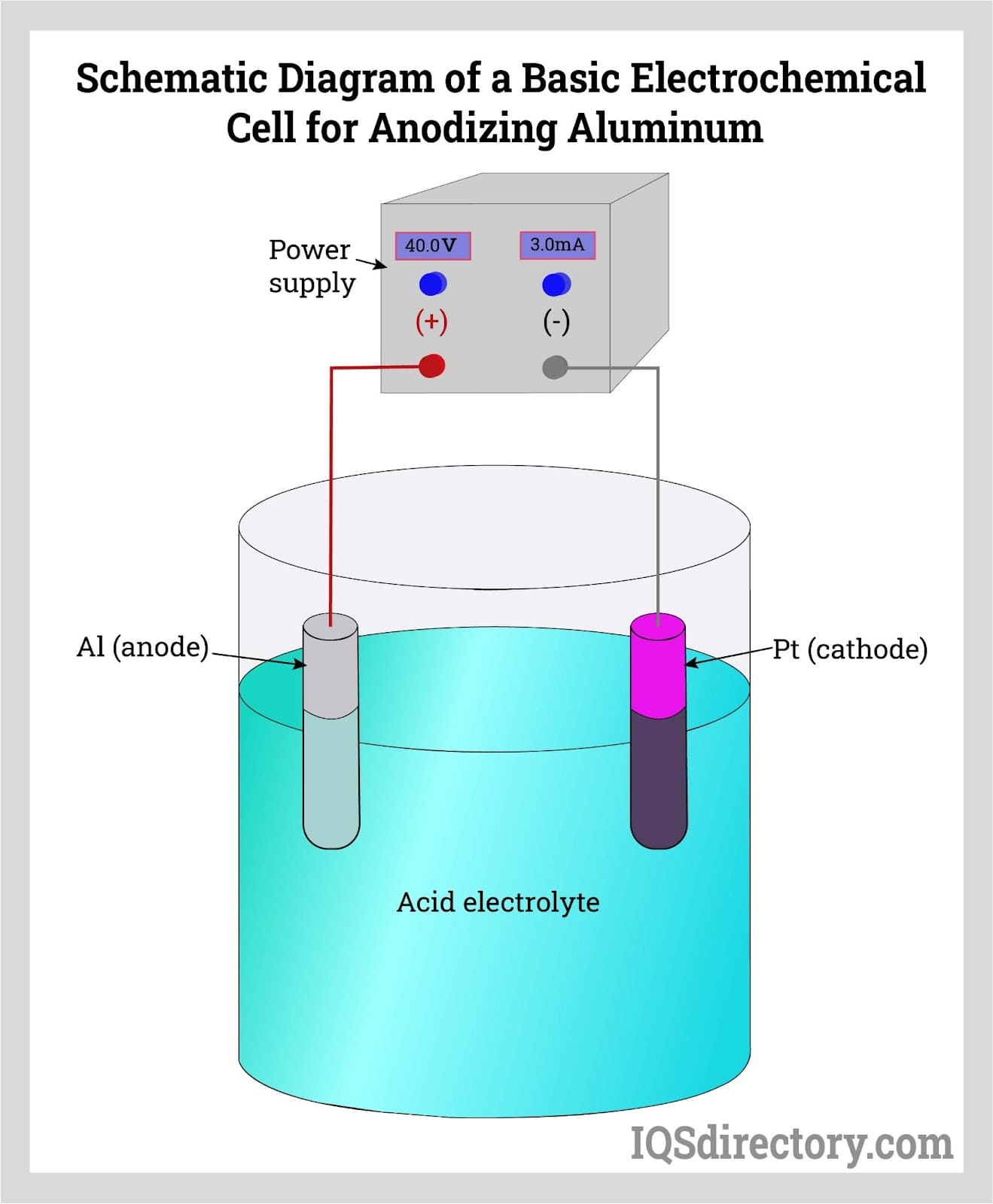
During anodizing, the aluminum components serve as the anode, while a cathode, typically made from materials like platinum, stainless steel, lead, or carbon, completes the electrical circuit. As voltage is applied, the aluminum part releases positive ions and attracts negative ions, leading to the formation of a protective layer of aluminum oxide on its surface.
Anodizing is typically applied to aluminum, but can also be used on other non-ferrous metals such as magnesium, zinc, and titanium, as well as certain conductive plastics. It is not suitable for ferrous metals like carbon steel, as these materials tend to form ferrous oxide or rust rather than a stable, corrosion-resistant film.
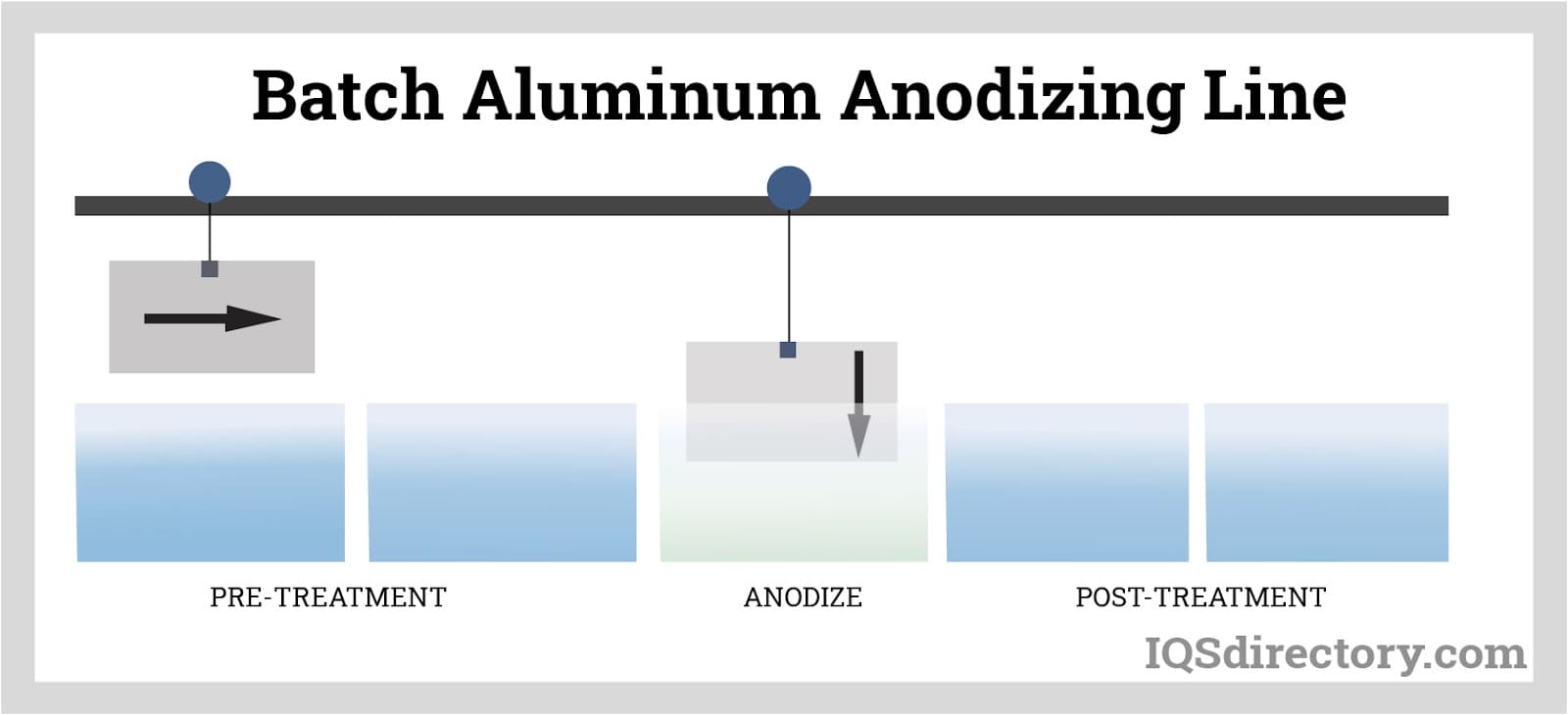
Anodizing can be carried out using either batch anodizing or continuous anodizing methods. In batch anodizing, items are arranged on racks and submerged in a sequence of baths. After processing, the items are removed as a group. This method is often used for cookware, castings, and components that have been bent or machined. Continuous anodizing involves unwinding pre-rolled material that continuously moves through the anodizing steps. Once the process is complete, the material is recoiled and dispatched. This approach is suitable for less deformed items, such as wires, plates, sheets, and foils.

An aluminum anodizing process consists of four key stages:
1. Pre-Treatment
The pre-treatment phase is essential as it significantly impacts the final quality and appearance of the anodized surface. This stage involves removing contaminants like dirt and grease from the raw aluminum, which can interfere with the anodizing process, as well as addressing minor surface imperfections. Additionally, any necessary machining processes, including drilling, cutting, and welding, should be completed prior to this stage.
Pre-anodizing treatment can involve either chemical or mechanical methods:
Chemical Pre-Treatment
Chemical pre-treatment uses various chemical solutions to clean the aluminum surface. Acid or alkali cleaners are employed to remove dirt and grease, while deoxidizing agents handle surface oxides and heat-treat scales. Following this, an etching or brightening process is applied to alter the surface texture, resulting in a unique finish:
An etching step produces a dull or matte finish. This step removes a uniform layer from the aluminum part surface, thus reducing the minor surface defects. Etching is accomplished by immersing the parts in hot sodium hydroxide or trisodium phosphate (alkali etching) or aqueous ammonium bifluoride (acidic etching).
A brightening step produces a shiny or mirror-like finish. The microscopic peaks and imperfections on the aluminum part surface are flattened and smoothened in this step. Thus, the roughness is reduced, which results in a highly reflective surface. Brightening is accomplished by immersing the parts in a phosphoric or nitric acid bath. Additives are mixed with the acid bath to enhance its brightening ability and reduce toxic fumes.
Mechanical Pre-Treatment
Mechanical pre-treatment includes techniques like abrasive polishing, sandblasting, and shot peening to prepare the aluminum surface. Sandblasting and shot peening enhance the part’s fatigue resistance, hardness, and adhesion of the coating. Proper coating adhesion is crucial for the durability and effectiveness of the anodized finish.
2. Electrolysis
The anodizing process is centered around electrolysis. During this stage, the aluminum part is immersed in an electrolytic bath filled with positively and negatively charged ions. The aluminum component is connected to the positive terminal of a DC power supply, while the cathode connects to the negative terminal. When DC current is applied, the aluminum part becomes positively charged as electrons are drawn away from its surface. These electrons then travel through the electrolyte to the cathode, where they react with hydrogen ions to produce hydrogen gas. Simultaneously, aluminum cations on the surface react with water to form an aluminum oxide (Al2O3) layer. The overall chemical reactions involved can be summarized as follows:
| Reactions at the Anode |
Al → Al3+ + 3e
2Al3+ + 3O2- → Al2O3 2Al3+ + 3OH → Al2O3 + 3H+ |
| Reactions at the Anode | 2H+ + 2e- → H2(g) |
| Overall Recation | 2Al + 3H2O → Al2O3 + 6H+ 6e- |
During the electrolysis phase, two distinct types of oxide films can form, depending on the chemical makeup of the electrolyte bath:

3. Barrier Oxide Film
A barrier oxide film develops on the surface of the part when the anodizing occurs in a neutral solution, such as ammonium borate, phosphate, or tartrate compositions, where aluminum oxide remains insoluble. This type of film is robust, non-reactive with the solution, and shields the underlying aluminum from environmental factors. The thickness of the barrier oxide film is influenced by the voltage applied between the anode and cathode. However, there is a limit to the voltage that can be applied before side reactions, such as sparking, solute oxidation, and oxygen evolution, begin to take place.
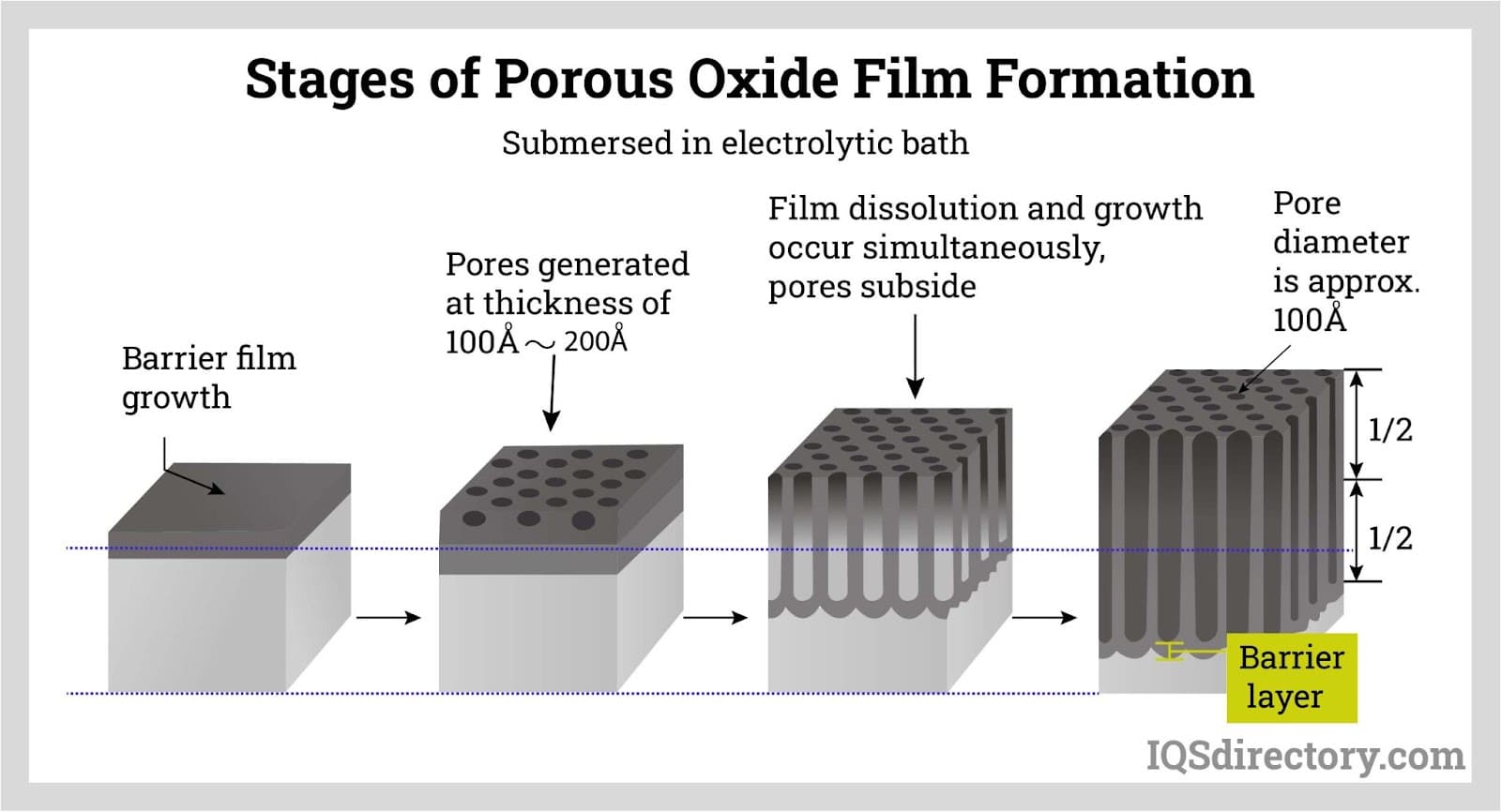
4. Porous Oxide Film
A porous oxide film forms on the surface when anodizing occurs in a dilute acidic solution, typically around 10% acid content. Sulfuric acid is a commonly used acidic electrolyte, though other options like phosphoric acid, oxalic acid, chromic acid, and blends of inorganic and organic acids are also employed. The acidic solution can maintain a high concentration of Al2O3 molecules.
During anodization, the anode reaction leads to the development of a barrier layer of aluminum oxide. As the current passes through the aluminum part, it tends to concentrate on weaker and more reactive areas on the surface, resulting in a highly porous or cellular structure. The aluminum oxides that form in these pores are dissolved into the acidic bath.
The thickness of this porous oxide film is directly related to the duration of electrolysis and the applied voltage; longer electrolysis times and higher voltages produce thicker films with more pronounced column-like structures. Additionally, the dimensions of the pores are influenced by the bath’s voltage, temperature, and acid concentration.
According to the MIL-A-8625 specification for anodic coatings on aluminum and its alloys, there are three primary aluminum anodizing processes. Each process imparts a unique set of properties to the aluminum, tailored for specific applications and requirements.
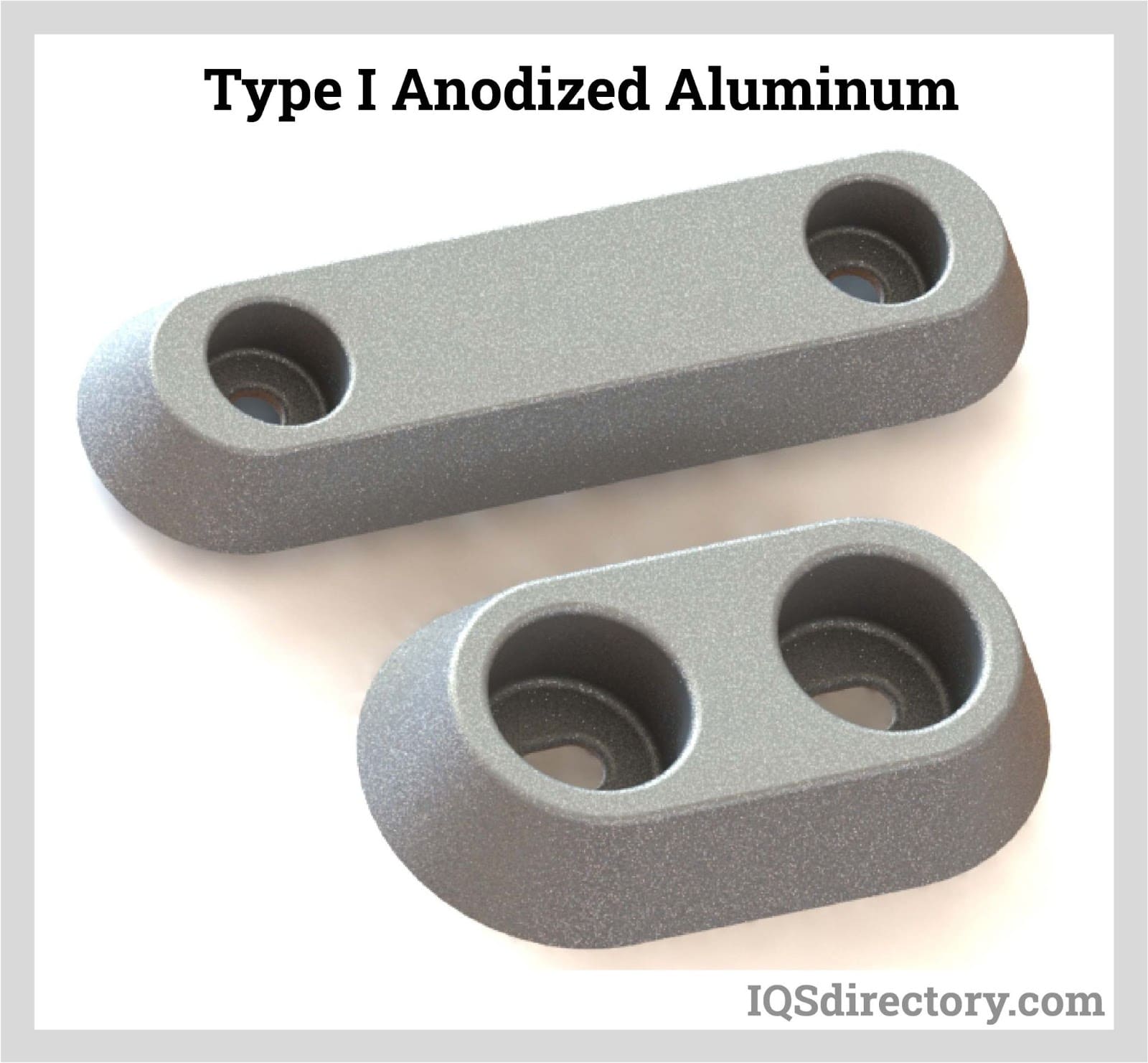
Type I - Chromic Acid Anodizing
Type I anodizing employs chromic acid to produce an aluminum oxide layer. This method results in a thin oxide film, approximately 20-100 microinches thick, which offers effective corrosion resistance when properly sealed. The film is dielectric and non-conductive, making it suitable as a primer for paint and adhesive applications. Type I anodizing is ideal for components with tight tolerances as it minimally affects the part's dimensions.
Parts anodized using Type I display good forming properties and are capable of withstanding high stress and bending. They are commonly used in aerospace and aircraft applications. The film typically appears grayish, even when dyed black, due to its thinness limiting dye absorption.
Despite its advantages, Type I anodizing raises environmental concerns because chromic acid is toxic and carcinogenic. Facilities that perform Type I anodizing must implement specialized wastewater treatment systems to handle the chromic acid byproducts.
Type II - Sulfuric Acid Anodizing
Type II anodizing is the most prevalent anodizing method, employing sulfuric acid as the electrolyte instead of chromic acid. This process creates a porous oxide layer that efficiently absorbs dyes, paints, and adhesives, making it ideal for decorative applications. The oxide film produced by Type II anodizing is thicker, ranging from 100 to 1000 microinches, and retains dielectric and non-conductive properties.
Parts treated with Type II anodizing exhibit superior abrasion and corrosion resistance compared to Type I anodized parts and are generally harder. These characteristics make Type II anodized components suitable for a wide range of applications, including decorative items, architectural elements, consumer electronics, military kitchenware, weapons, and optical components.
Type II anodizing is also more cost-effective than Type I due to lower chemical costs, reduced energy consumption, and simpler waste treatment processes.

Type III - Hard Anodizing
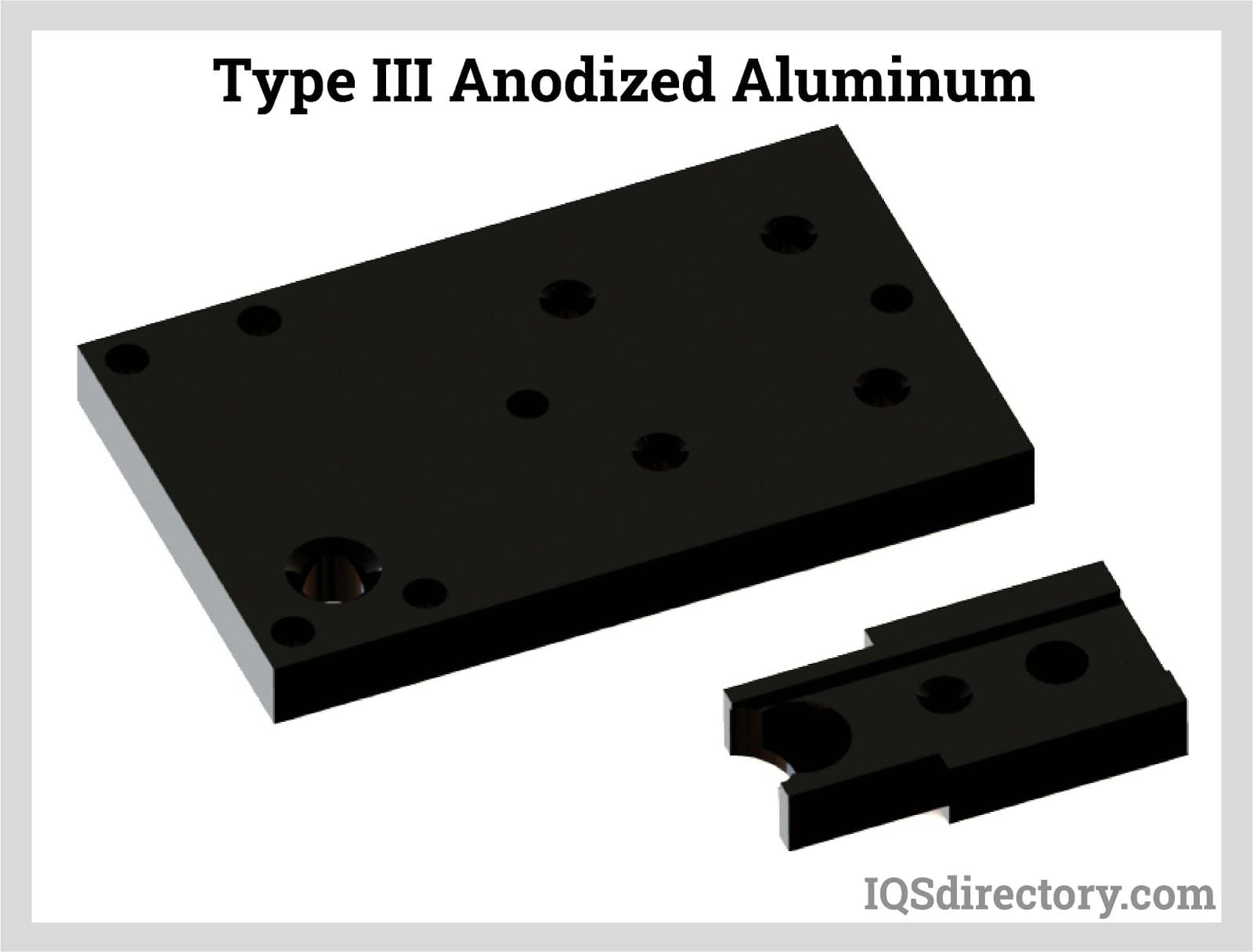
Type III anodizing, like Type II, uses sulfuric acid as the electrolyte. However, it operates under more intense conditions, including higher current densities, increased voltages, and lower temperatures. This process results in a significantly thicker and more porous oxide film, exceeding 1000 microinches in thickness. The coatings produced are exceptionally hard and durable. Despite this, Type III anodizing might not be ideal for components with very tight tolerances due to slight dimensional changes. The resultant film is typically dark and may be left undyed or colored black.
Known as hard coat anodizing, Type III provides exceptional abrasion and wear resistance along with good electrical insulation. The addition of PTFE can further reduce the coefficient of friction, making it advantageous for components subject to frequent frictional stress. While it excels in corrosion resistance, the increased oxide thickness can affect the fatigue resistance of the part.
Type III anodized components are commonly utilized in demanding fields such as military, aerospace, and aviation industries. Applications include sliding components, linear guides, pistons, valves, hinges, gears, insulation plates, and compressor fittings.
Although Type III anodizing is environmentally friendly like Type II, it is more costly due to the stringent process conditions required.
Other types of aluminum anodizing processes include:
Boric-Sulfuric Acid Anodizing
Boric-sulfuric acid anodizing (BSAA) serves as an alternative to Type I anodizing, addressing the environmental and safety concerns associated with Type I processes. BSAA provides similar benefits in terms of paint, lubricant, and adhesive adhesion, and it offers good corrosion resistance. It is suitable for parts requiring tight tolerances and is commonly used in the aerospace and aircraft industries.
Phosphoric Acid Anodizing
Phosphoric acid anodizing (PAA), also referred to as the Boeing Process, is another alternative to Type I anodizing that employs phosphoric acid to produce oxide films. The resulting films from PAA have a distinctive rough morphology with protrusions and whiskers, enhancing their adhesive properties. These films also offer good resistance to high humidity, making PAA suitable for preparing aluminum surfaces for bonding primer applications. PAA is frequently utilized in structural adhesive bonding processes.
Thin-Film Sulfuric Acid Anodizing (Type IIb)
Thin-film sulfuric acid anodizing (TFSAA) employs a sulfuric acid-based electrolyte solution with a lower concentration compared to Type II anodizing. This results in a thinner oxide film than those produced by Type II and Type III anodizing, positioning TFSAA as an alternative to Type I anodizing.
Parts treated with TFSAA exhibit higher fatigue strength due to their thinner oxide film, making them well-suited for high-stress applications. Additionally, these parts can be easily dyed. However, their corrosion resistance is not as robust as that of Type II and Type III anodized parts.
Clear Anodizing
Clear anodizing is a process that starts with sulfuric acid anodizing and concludes with the component being sealed in a hot water bath. This method results in a non-colored finish that creates a uniform, transparent layer on aluminum surfaces, improving their visual appeal. Typically, the anodized material is not dyed, and its coloration varies based on the thickness of the oxide layer. Clear anodizing is commonly applied to automotive trim, window and door frames, railings, siding, photography plates, and extrusion profiles.

Bright Dip Anodizing
Bright dip anodizing involves a pre-treatment of phosphoric and sulfuric acid mixture, which gives a glossy and highly reflective finish. The pre-treatment is followed by a Type II anodizing. The anodized part is then dipped into a coloring dye before the porous film is sealed. The resulting appearance depends on the grade of aluminum alloy. Nonetheless, bright dip anodizing enhances the overall aestheticity of the part.
Black Anodizing
Black anodizing starts with a typical anodizing process and is followed by applying either organic or inorganic black dyes to the anodized surface. These dyes are specifically designed for coloring aluminum components. Inorganic dyes, like ferric ammonium oxalate, offer superior lightfastness compared to organic dyes, meaning they are more resistant to fading when exposed to light. Alternatively, a black anodized finish can also be achieved through the electrodeposition of a coloring metal.
Color Anodizing
Color anodizing involves a standard anodizing step followed by dip coloring using organic dyes. The colors of organic dyes available are more varied than inorganic dye colors. Color anodizing is mainly used for aesthetic applications. However, organic dyes produce a less lightfast finish than black anodized parts.
Coloring
During the coloring phase, the dye or pigment permeates the porous aluminum oxide layer created through electrolysis. The dyes become integrated with this oxide film. The anodized aluminum's "coating" is robust and resistant to scratching. The highly porous nature of the surface makes it well-suited for the absorption of dyes and pigments.
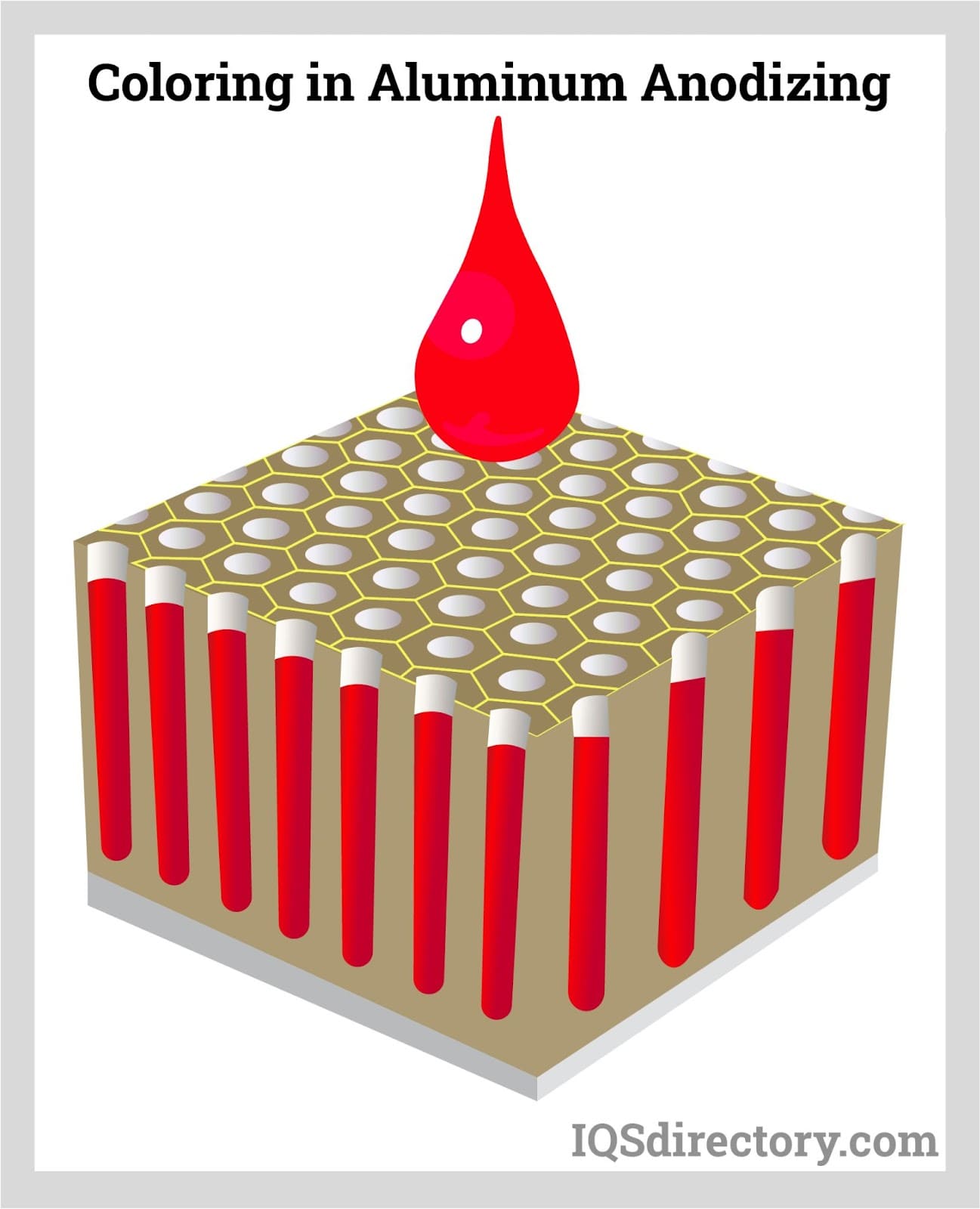
Once the anodizing solution has been thoroughly rinsed off and the part has dried, the coloring process begins. This can be achieved through several methods:
Electrolytic Two-Step Anodizing
In the electrolytic two-step anodizing process, the component is first anodized through electrolysis and then immersed in a bath with metallic salts. An electric current is subsequently applied, causing metallic ions to be deposited within the pores of the oxide layer. This deposition imparts a unique color to the anodized surface. Common metals used for coloring include cobalt, tin, copper, and nickel. The final color and its quality depend on both the type of metal used and the concentration of metallic deposits within the pores.

Interference Coloring
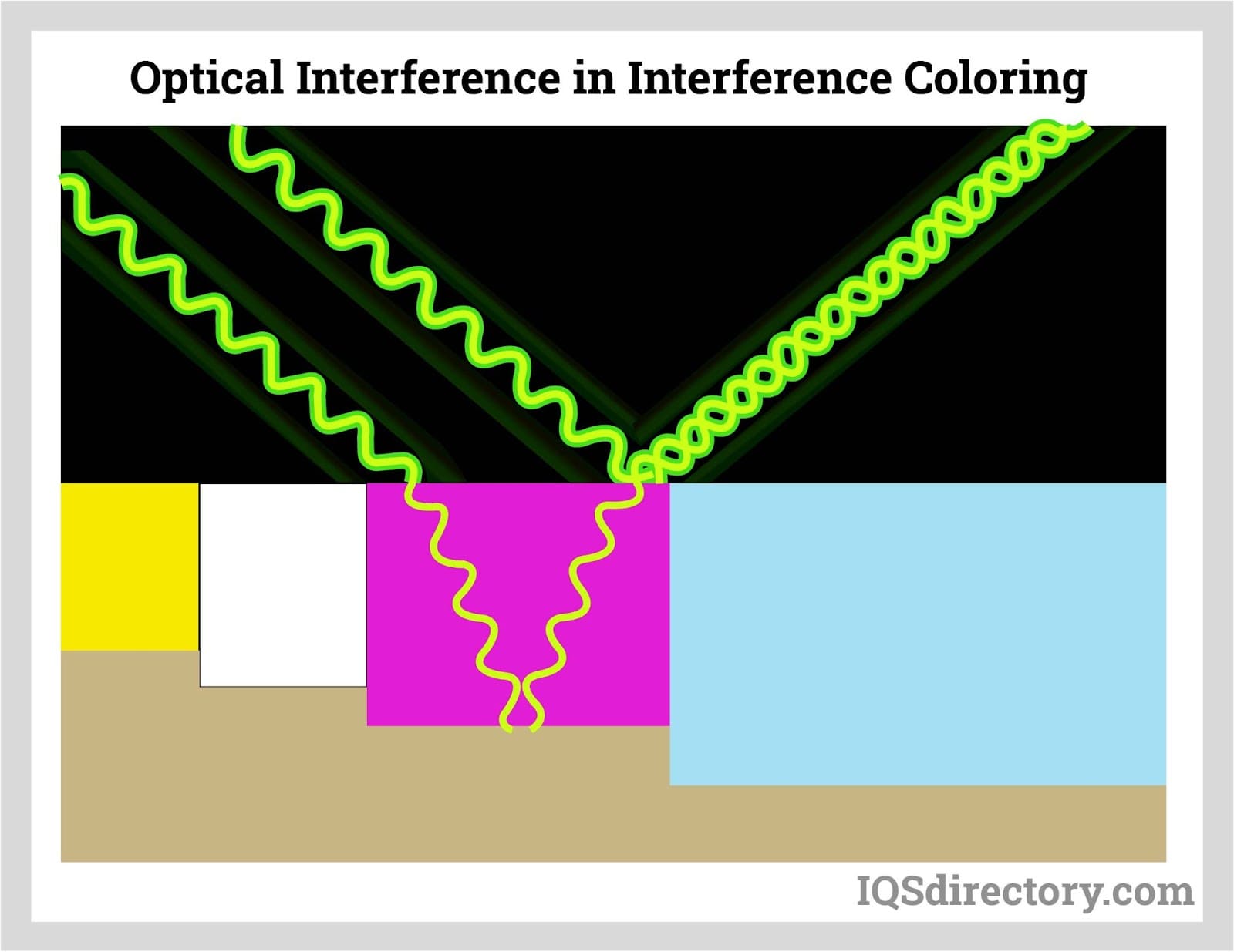
Interference coloring involves expanding the base of the oxide film's pores to allow for a greater deposit of metallic ions through electrolysis. This technique results in light-resistant colors, such as blue, green, yellow, and red, which are produced through the optical interference of visible light waves.

Integral Coloring
Integral coloring combines the anodizing and coloring processes into a single step, where the oxide film is dyed during anodization. This process uses a bath containing organic and sulfuric acids, resulting in a thicker, more abrasion-resistant coating. However, it is a costly method, and producing colored oxide films can be more challenging. The range of colors achievable is generally limited to shades of pale to dark yellow, bronze, brown, black, and gray.

Dip Coloring
In dip coloring, the anodized component is submerged in a bath containing dye. The dye adheres to the surface of the pores in the oxide film. The final color achieved is influenced by the specific dye used and its chemical properties. This method is cost-effective and enables a variety of colors to be applied to aluminum parts. However, the resulting colored film is less resistant to UV light compared to those produced by other techniques.

In some processes, a lubricant or adhesive is used instead of a coloring agent. For parts that do not require dyeing, the coloring step is omitted.
Sealing
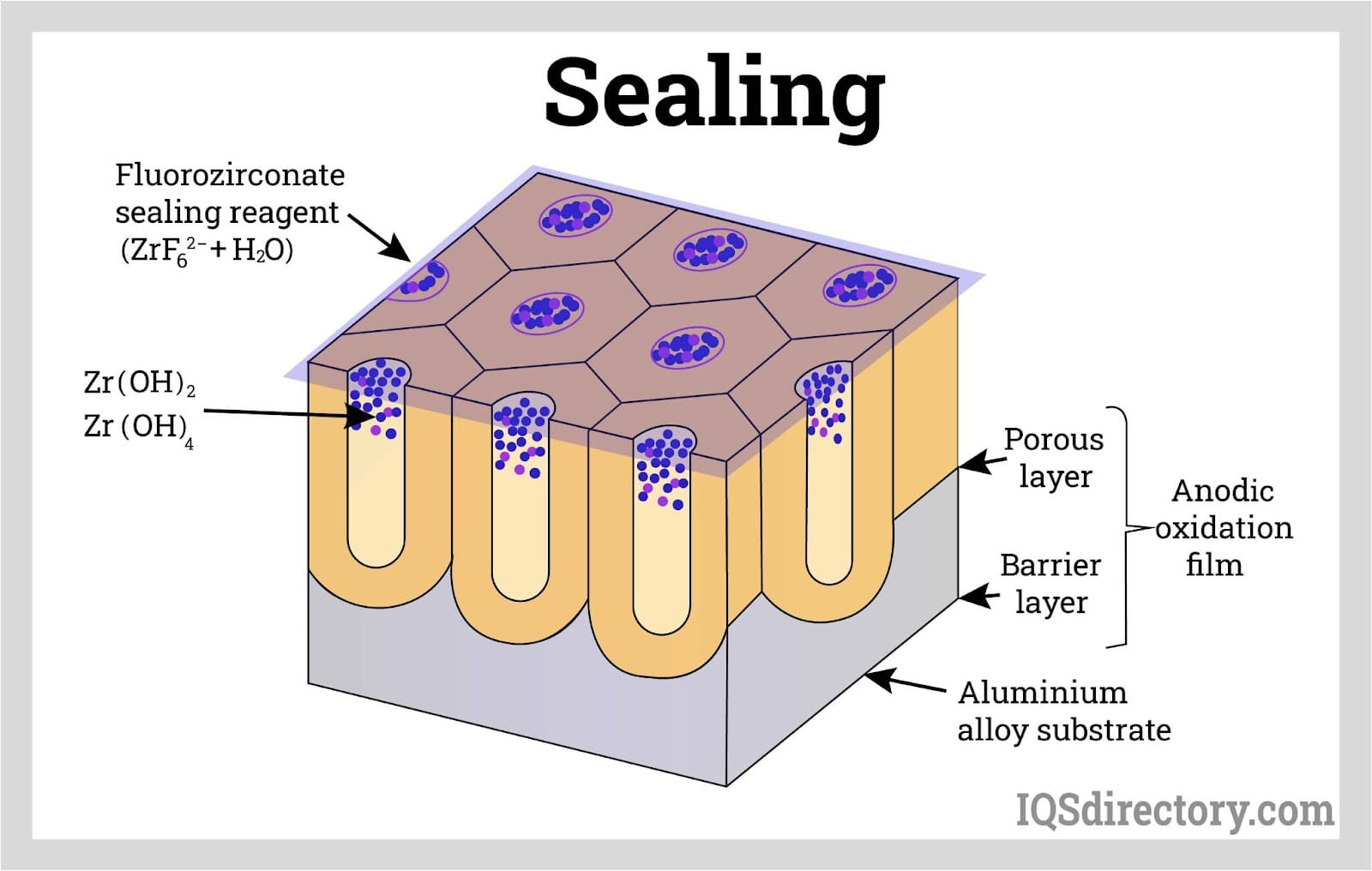
The final step in the anodizing process is sealing, which secures the absorbed dye, lubricant, or adhesive within the porous oxide layer. This sealing process safeguards the porous film from corrosion, staining, and the uptake of unwanted substances while also preventing color fade. Sealing is achieved by applying a sealing agent that either closes the pores or reduces their diameter. Due to the sensitivity of the oxide film, sealing must be done promptly after coloring.
Chapter 3: What Are Anodized Aluminum Products?
Aluminum anodizing is an eco-friendly technique that forms a durable aluminum oxide layer, providing a weather-resistant finish for various products. This process enhances the design flexibility for manufacturers of aluminum items, offering expanded possibilities for product development.
Smartphone Cases
Anodized aluminum phone cases offer enhanced resistance to scratches, impacts, and general wear and tear. The anodized layer ensures that these cases can withstand various environmental conditions, including humidity, moisture, and exposure to certain chemicals.
In addition to their protective features, anodized aluminum phone cases have a sleek and stylish appearance, available in a range of colors to suit individual preferences. They are designed to fit securely with precise cutouts for different phone models. Like all aluminum products, these cases are lightweight and contour closely to the phone they protect.
The level of protection provided by anodized aluminum phone cases depends on the grade of aluminum used. Different grades, determined by the composition of chromium and other alloys, influence the durability and effectiveness of the case.
Aluminum Laptop Frames
Laptops require robust protection due to their delicate internal components, which are susceptible to damage. Anodized aluminum frames enhance the protective qualities of aluminum, making them more resilient compared to non-anodized aluminum. While non-anodized aluminum can bend or suffer damage upon impact, anodized aluminum remains unaffected by such incidents, offering superior resistance to impacts, bumps, and punctures.
Lightweight and portability are crucial attributes for laptops, contributing to their widespread popularity. Although stainless steel shares some properties with aluminum, it is heavier, adding unnecessary weight to devices. This makes anodized aluminum an attractive choice for laptop frames due to its excellent strength-to-weight ratio, combining durability with lightness.
As manufacturers have learned, laptops must be tailored to diverse user needs. For example, the requirements for a college student’s laptop differ significantly from those of an engineer, and the specifications for a business executive's laptop are distinct from those for musicians and composers. Anodized aluminum frames offer versatility and can be customized to accommodate the varying demands and designs required by different users.
Tablet Enclosures
Anodized aluminum is the primary material used for tablet enclosures, constituting 17% of a tablet's weight. This aluminum serves as the back case of the tablet, housing and safeguarding its internal components. The choice of anodized aluminum is due to its protective qualities and durability, making it ideal for withstanding the various conditions tablets are exposed to.
The porous nature of anodized aluminum allows tablet enclosures to be available in a wide range of colors, which is crucial for both branding and user preference. Additionally, the application of coatings or paints on anodized aluminum further enhances its protective features.
The tablet's logic board is connected to the enclosure using tin-based solder, with both the aluminum and solder often being sourced from recycled materials when feasible. Anodized aluminum is preferred over plastic or stainless steel for tablet enclosures due to its superior durability and lighter weight, which are essential for handling the rigorous use tablets encounter. Plastic lacks the necessary impact resistance, while stainless steel is too heavy for such a compact device.
Window Frames
Anodized aluminum is selected for window frames due to its exceptional longevity, often lasting 20 years or more. The anodizing process imparts a sleek, metallic finish that remains visually consistent and does not alter in color or appearance over time.
When selecting materials for structural elements in buildings, durability is a key factor. Painted or coated aluminum is frequently chosen for window and door frames because of its aesthetic appeal and resistance to corrosion and rust. Adding an anodized layer significantly enhances aluminum's resistance to weather and wear, surpassing the performance of untreated aluminum.
The anodized layer on aluminum acts as a protective oxide film that greatly enhances the metal's corrosion resistance. This chemically stable layer does not degrade over time, which is highly valued by builders and architects. Anodized aluminum window frames are resistant to fading, peeling, and deterioration, offering a durable and long-lasting finish.
Curtain Walls
Curtain walls are exterior cladding systems featuring anodized aluminum frames that excel in resisting weathering, wear, corrosion, and rust. Architects favor curtain walls for their striking appearance and aesthetic appeal. To preserve their look and ensure durability, curtain walls are constructed from robust materials like anodized aluminum, which offers the strength and longevity required for such applications.
Anodized aluminum is highly valued in curtain wall construction due to its excellent strength-to-weight ratio. It also offers architects significant design flexibility, allowing them to craft customized features that cater to specific client needs.
Beyond its strength and flexibility, anodized aluminum is an ideal choice for curtain walls due to its fire-resistant properties, which help slow the spread of flames. Additionally, it is a cost-effective option compared to other construction materials. Anodized aluminum curtain walls contribute to energy efficiency by stabilizing building temperatures and enhancing lighting, thus reducing overall power consumption.
Doors
Anodized aluminum doors share the same visually appealing look and smooth finish as anodized aluminum windows. These doors have a vibrant and glossy appearance that stands out compared to painted or coated aluminum options, allowing the natural finish to shine through.
Unlike painted or coated doors, which can fade and yellow over time due to UV exposure, anodized aluminum doors maintain their bright appearance and resist yellowing. These doors endure frequent use, leading to scratches and dings. However, the robustness and durability of anodized aluminum help preserve their appearance despite regular wear and tear.
Kick plates, a heavily used part of doors, often suffer from discoloration, tarnishing, and damage. Anodized aluminum kick plates are highly resilient, withstanding frequent impact while maintaining a polished and undamaged look. Additionally, these kick plates and doors can be enhanced with brass or bronze finishes to further elevate their aesthetic appeal.
Exterior Facades
Anodized aluminum is commonly used for building facades due to its lightweight nature and extensive range of colors, which are integrated into the metal’s molecular structure. This feature provides architects with numerous options for defining a building's exterior appearance. Its natural metallic finish offers an attractive and effective solution for various design challenges.
Anodized aluminum facades are designed to reflect and refract light, helping to maintain a comfortable and pleasant interior environment. This reflective quality is a practical energy-saving benefit of anodized aluminum, as it shields the building from harsh weather and heat while enhancing indoor comfort.
With its high strength-to-weight ratio, anodized aluminum can be easily bent, shaped, and formed to accommodate curves, edges, and complex designs. It is versatile enough to be roll-formed, stamped, engraved, and perforated, making it suitable for applications like parking garage screening. Anodized aluminum facades offer a durable and flexible solution for various architectural needs.
Automotive Trim
Automotive trim is predominantly crafted from anodized aluminum because it provides a tough, smooth, and durable surface. The use of aluminum in vehicle components is essential for reducing weight, which helps improve fuel efficiency and decrease fuel consumption per mile. Anodized aluminum is favored in automotive manufacturing for its strength, lightweight nature, durability, recyclability, and adaptability to various surface treatments.
As with any product, lowering the cost of manufacturing is a necessity for customer satisfaction. Anodized aluminum trim is easy to install, provides exceptional protection, and requires little finishing or maintenance at low cost. These factors play a role in its use in automotive manufacturing. Additionally, it can be treated to enhance the appearance of a vehicle.
In the automotive industry, anodized aluminum offers several advantages, including its chemical stability, non-degradability, non-toxicity, and recyclability, which are critical in today's environmental context. As environmental concerns grow globally, anodizing is particularly attractive because it enhances aluminum's inherent properties without adding any extra materials. The anodizing process restructures the aluminum's surface without generating waste, contributing to cost savings and sustainability.
Bike Frames
Aluminum is a popular choice for bike frames due to its lightweight nature, stability, durability, and cost-effectiveness. Anodized aluminum frames are typically made from alloys like 6061 and 7005, which offer enhanced properties through their specific compositions. The strength and stability of anodized aluminum are key reasons for its use in bike frames, which endure significant stress from frequent use.
Aluminum alloy 6061 is known for its precipitation-hardening process and contains silicon and magnesium. It provides high tensile strength, excellent mechanical properties, and good weldability, making it a versatile choice for various applications. For bike frames, 6061 is favored for its ability to deliver a smooth ride over rough terrain.
Aluminum alloy 7005 is commonly used in bike frames due to its high weldability and tensile strength of 350 MPa, with a fatigue limit of 150 MPa. Unlike 6061, alloy 7005 includes zinc instead of magnesium, making it more expensive. The zinc content enhances the strength of 7005, particularly useful for thinner frames used in road bikes.
Bike frames come in single butted, double butted, and triple butted variations, which refer to the thickness of the aluminum tubing. Single butted tubes have a uniform thickness, double butted tubes feature varying thicknesses, and triple butted tubes have three distinct thicknesses. Grade 6061 anodized aluminum is often used for single butted frames, while grade 7005 is preferred for double and triple butted frames due to its strength and ability to maintain durability even when made thinner.
Cookware
Cookware is available in various materials, including cast iron, stainless steel, copper, and aluminum. While cast iron was one of the earliest cookware materials, it has largely been replaced by lighter metals like copper and aluminum. Both anodized and standard aluminum cookware offer excellent corrosion resistance, rust prevention, and heat transfer properties.
The key difference between anodized and standard aluminum cookware lies in their durability. Anodized aluminum cookware, like other anodized products, resists chipping and flaking and can endure temperatures up to 500°F (260°C). Additionally, the handles of anodized aluminum cookware stay cool and are easy to handle during cooking, whereas standard aluminum pans typically require a coating or cover on the handles.
Standard aluminum cookware can sometimes lead to metal leaching into food or reacting with acidic ingredients. In contrast, anodized aluminum is treated to prevent such issues, offering a sealed surface that prevents leaching and resists reactions with acidic foods. The anodized surface is also scratch-resistant and easy to clean, providing a safer and more hygienic cooking option.
Chapter 3: What Are the Different Types of Anodized Aluminum Finishes?
Anodized aluminum is classified into two categories according to MIL-A-8625:
Class 1
Class 1 anodized aluminum pertains to parts that are not dyed during the anodizing process. In this class, the coloring step is omitted. The final appearance is influenced by the alloy type, anodic thickness, and the parameters of the anodic treatment and sealing process. Typically, the resulting color ranges from clear gray to bronze, which becomes the part's final color.
Class I Anodic Coating
A Class I anodic coating has a minimum thickness of 0.7 mils (18 microns) and is regarded as a "high-performance anodic finish." Parts with Class I coating are generally used in construction and building applications designed for continuous outdoor exposure. Common examples include guardrails, curtain wall panels, rain screens, and fences.

Class 2
Class 2 anodized aluminum refers to parts that are dyed or pigmented during the anodizing process.
Architectural anodic coatings are classified according to the Aluminum Association's designations, which differ from the classes outlined in MIL-A-8625.
Class II Anodic Coatings
A Class II anodic coating has a minimum thickness of 0.4 mils (10 microns). Parts with Class II coating are typically used in interior applications or light-exterior environments where high wear and fatigue are not expected. Common uses include radiators, wall fins, column covers, trim pieces, and storefronts.

Conclusion
- Anodized aluminum is aluminum that has undergone an anodizing process to enhance the part‘s durability, corrosion resistance, and aesthetic value.
- Anodizing is forming a strong, hard, and stable oxide film on the part surface that is intact with the underlying aluminum substrate. This film is resistant to chipping, scratching, peeling, and flaking. Anodizing is used to prepare the aluminum substrate for the application of dyes, paints, lubricants, and adhesives.
- An anodizing operation may be a batch or continuous process. The stages of this operation are pre-treatment, electrolysis, coloring, and sealing.
- The pre-treatment stage involves cleaning and removing minor surface imperfections.
- The electrolysis stage may produce a barrier or porous film, depending on the composition of the electrolyte bath. The porous film is more common between the two.
- The main types of anodizing based on MIL-A-8625 specification are chromic acid anodizing, sulfuric acid anodizing, and hard anodizing. The other types are boric-sulfuric acid anodizing, phosphoric acid anodizing, thin-film sulfuric acid anodizing, and clear anodizing.
- The coloring methods after anodic treatment are electrolytic coloring, interference coloring, interference coloring, and dip coloring. Coloring is skipped for undyed anodized parts. Sealing is performed to close the pores of the oxide film.
- The classes of anodized aluminum based on MIL-A-8625 are Class 1 and Class 2, which refer to undyed and dyed parts, respectively.
- The classes of architectural anodic coatings based on Aluminum Association designation are Class I and Class II. Class I anodic coatings are applied in exterior building parts, while class II is used for interior and light exterior building parts.