
Types of Aluminum Extrusions: Profiles, Dies & Heatsinks
Contents (15 sections)
Looking to find and compare aluminum extrusion manufacturers? See our Aluminum Extrusions Directory to request free quotes. Connect directly with vetted suppliers for structural shapes, custom T-slot profiles, heat sink extrusions, and precision fabrication services.
Contact Companies
Please fill out the following form to submit a Request for Quote to any of the following companies listed on
Get Your Company Listed on This Power Page
Introduction
This comprehensive technical guide explores aluminum extrusions, forming processes, profile classifications, and heat sink applications:
- Understanding Aluminum Extrusions
- The Aluminum Extrusion Process (Hot, Warm, Cold)
- Types of Aluminum Extrusion Profiles (Angles, Beams, Channels, Tubing)
- Extruder Machinery & Die Classifications (Solid, Hollow, Semi-Hollow)
- Aluminum Extruded Heat Sinks
- History & Leading Machinery Manufacturers

Chapter One: Understanding Aluminum Extrusions
Aluminum extrusions are engineered into solid, semi-hollow, and hollow profiles, both standard and custom, through an extrusion process that forces an aluminum billet through a precision extrusion die. Extruded profiles offer an exceptional strength-to-weight ratio, high corrosion resistance, excellent thermal conductivity, and complete recyclability.

Chapter Two: The Aluminum Extrusion Process
Aluminum extrusion is conducted via hot, warm, or cold forming methods. Hot extrusion is performed between 800°F and 925°F (426°C to 496°C) to maximize metal plasticity. Hydraulic rams exert between 100,000 and 125,000 psi to force the billet through the tool steel die, followed by liquid nitrogen quenching, stretching, and precision cutting.


Chapter Three: Types of Aluminum Extrusions
Extruded shapes range from standard structural angles to complex custom profiles with integrated screw ports and interlocking joints.
Comparison of Standard & Engineered Aluminum Extrusion Profiles
| Extrusion Type | Cross-Sectional Profile | Key Structural Advantage | Primary Applications |
|---|---|---|---|
| Aluminum Angles | L-shaped 90-degree leg setup (Equal/Unequal) | Lightweight corner bracing & edge protection | Building trim, window frames, support brackets, handrails |
| Aluminum Beams | I-Beam, H-Beam, and T-Beam configurations | High load-bearing span capacity without deflection | Bridge decking, building skeletons, platform crossbeams |
| Aluminum Channels | U-shaped, C-shaped, and J-shaped channels | Modular framing, heat dissipation, protective edging | Enclosures, vehicle bodies, LED light mounting tracks |
| Extruded Tubing | Seamless Round, Square, or Rectangular hollows | Torsional strength, fluid transfer, uniform wall thickness | Hydraulic/pneumatic lines, HVAC coils, structural railings |
| T-Slot Extrusions | Modular bar with continuous T-groove slots | Reconfigurable bolt-together framing; no welding required | Robotic framing, CNC beds, industrial workstations, safety guards |
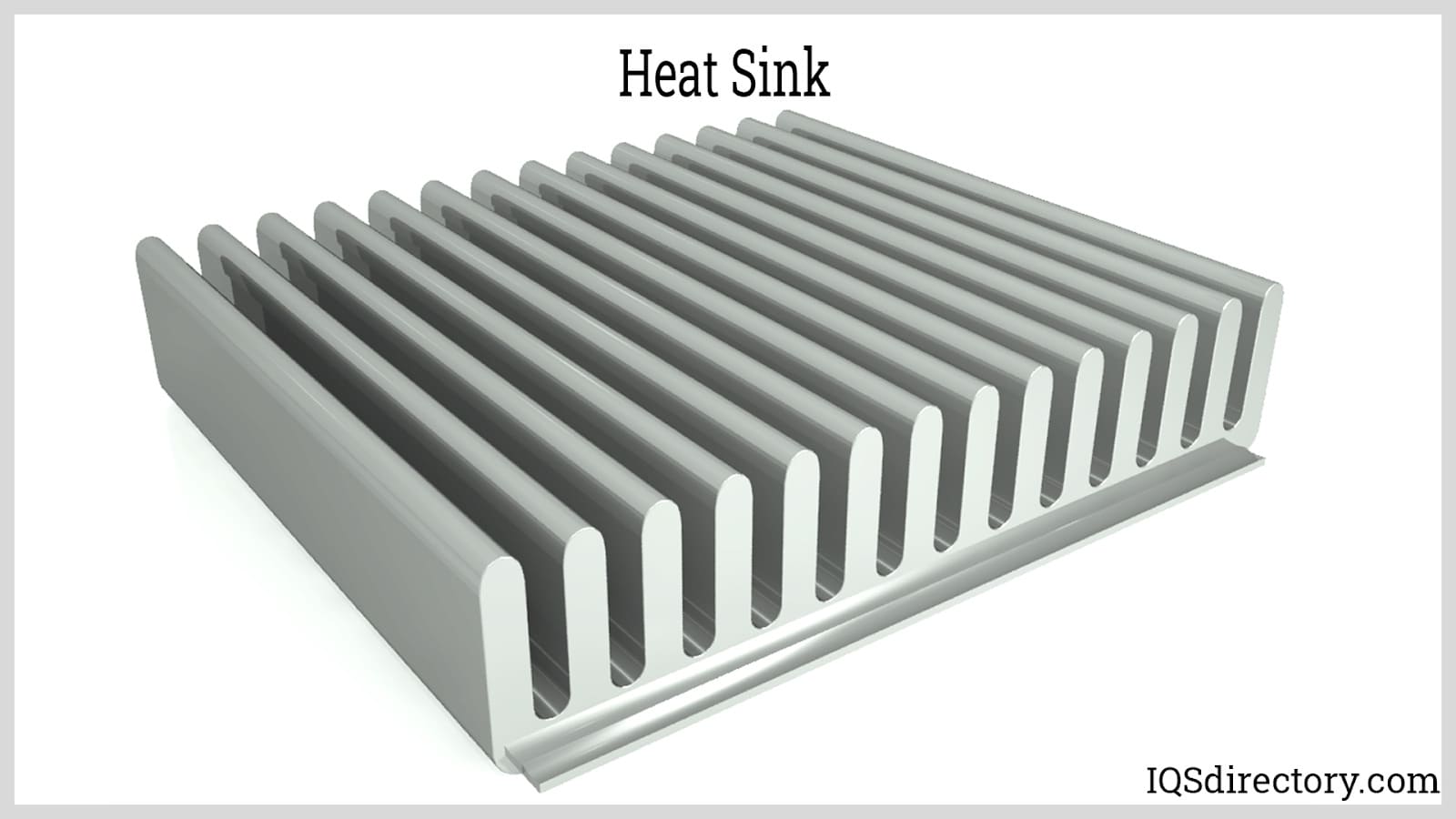
| Heat Sink Extrusions | Flat base plate with vertical radiating cooling fins | Maximizes surface area for rapid thermal energy dissipation | Computer CPUs, power electronics, LED lighting, solar inverters |


Leading Manufacturers and Suppliers

Frequently Asked Questions
What Are the Main Types of Aluminum Extrusion Processes?
The main aluminum extrusion processes are hot, warm, and cold extrusion. Hot extrusion is most common, producing high-strength, tight-tolerance profiles. Warm extrusion balances strength and formability, while cold extrusion yields precision, high-strength components with superior finishes.
Why Are Aluminum Extrusions Preferred in Modern Construction and Engineering?
Aluminum extrusions are lightweight, durable, cost-effective, and corrosion-resistant. They provide design flexibility, rapid prototyping capabilities, and are easily tailored to specific structural and aesthetic project requirements.
How Do Custom and Standard Aluminum Extrusion Profiles Differ?
Standard profiles like angles, tubes, and channels are readily available in set sizes. Custom profiles are uniquely engineered to integrate special features or meet complex design needs, often for advanced architectural or industrial applications.
What Factors Influence the Choice of Aluminum Alloy for Extrusion?
Alloy selection depends on desired mechanical properties, corrosion resistance, formability, and the intended application. Common alloys like 6061, 6063, and 3003 balance strength, machinability, and surface finish.
What Finishing Options Are Available for Extruded Aluminum Products?
Extruded aluminum products can receive finishes such as anodizing, powder coating, painting, and blasting. These processes improve wear resistance, color variety, and overall durability for high-value and decorative applications.
Which Industries Rely Most on Aluminum Extrusions in North America?
Aluminum extrusions are crucial in North American construction, transportation, electronics, aerospace, consumer goods, and renewable energy sectors due to their structural integrity and efficient manufacturability.
Chapters Four & Five: Extruders & Die Profile Classifications
Extrusion dies are classified into three primary categories based on profile internal voids.
Comparison of Extrusion Die Profile Classifications
| Die Classification | Internal Void Geometry | Tooling & Die Components | Output Profiles & Relative Cost |
|---|---|---|---|
| Solid Die | No internal voids or openings | Feeder plate, die plate, backer plate, bolster | Beams, angles, solid bars, flat strips (Lowest tooling cost) |
| Hollow Die | One or more enclosed internal voids | Mandrel with portholes, die cap, bolster | Round/Square tubing, complex multi-hollow beams (Higher cost) |
| Semi-Hollow Die | Partially enclosed internal voids (Tongue ratio > 3:1) | Mandrel without full cores, die cap, bolster | C-channels, slotted profiles, deep U-channels (Moderate cost) |


Chapters Six, Seven & Eight: Heat Sinks, History & Machinery
Extruded heat sinks (utilizing alloys 6061 and 6063) transfer thermal energy away from CPUs, LEDs, and power electronics via high-surface-area vertical fins. Joseph Bramah invented extrusion in 1797, Thomas Burr created the hydraulic press in 1820, and Alexander Dick developed hot extrusion in 1894. Leading modern machinery builders include Presezzi Extrusion Group, SMS Group (SmartExtruder), UBE Machinery, HPM, and Nordson Xaloy.
Conclusion
Aluminum extrusions deliver lightweight strength, tight manufacturing tolerances, and versatile profile customization. Selecting the proper extrusion process (hot vs. cold), die configuration (solid, hollow, semi-hollow), and alloy grade (6061 vs. 6063) ensures long-term operational success across industrial, commercial, and electronic applications.
Aluminum Extrusions Suppliers on IQS Directory
- Extrude-A-Trim
- Johnson Bros. Roll Forming Co.
- GSH Industries, Inc.
- Quality Stamping & Tube Corp
- Dajcor Aluminum Ltd.
View all Aluminum Extrusions suppliers · Request a quote for Aluminum Extrusions
Table of Contents
Loading Leading
Category Companies
Related Posts
Aluminum Channels
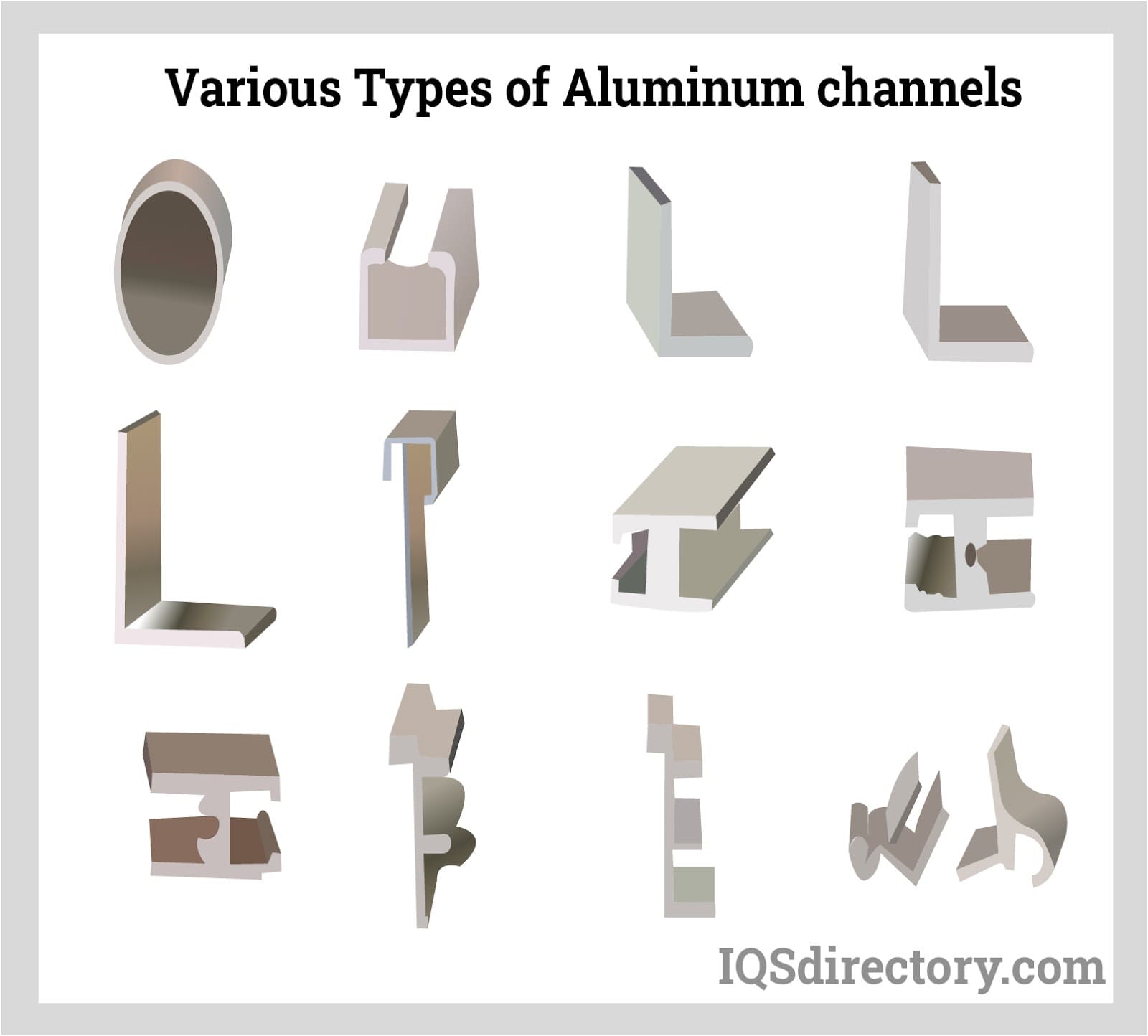
An aluminum channel is a structurally sound metal component made by the extrusion process...
Aluminum Trim
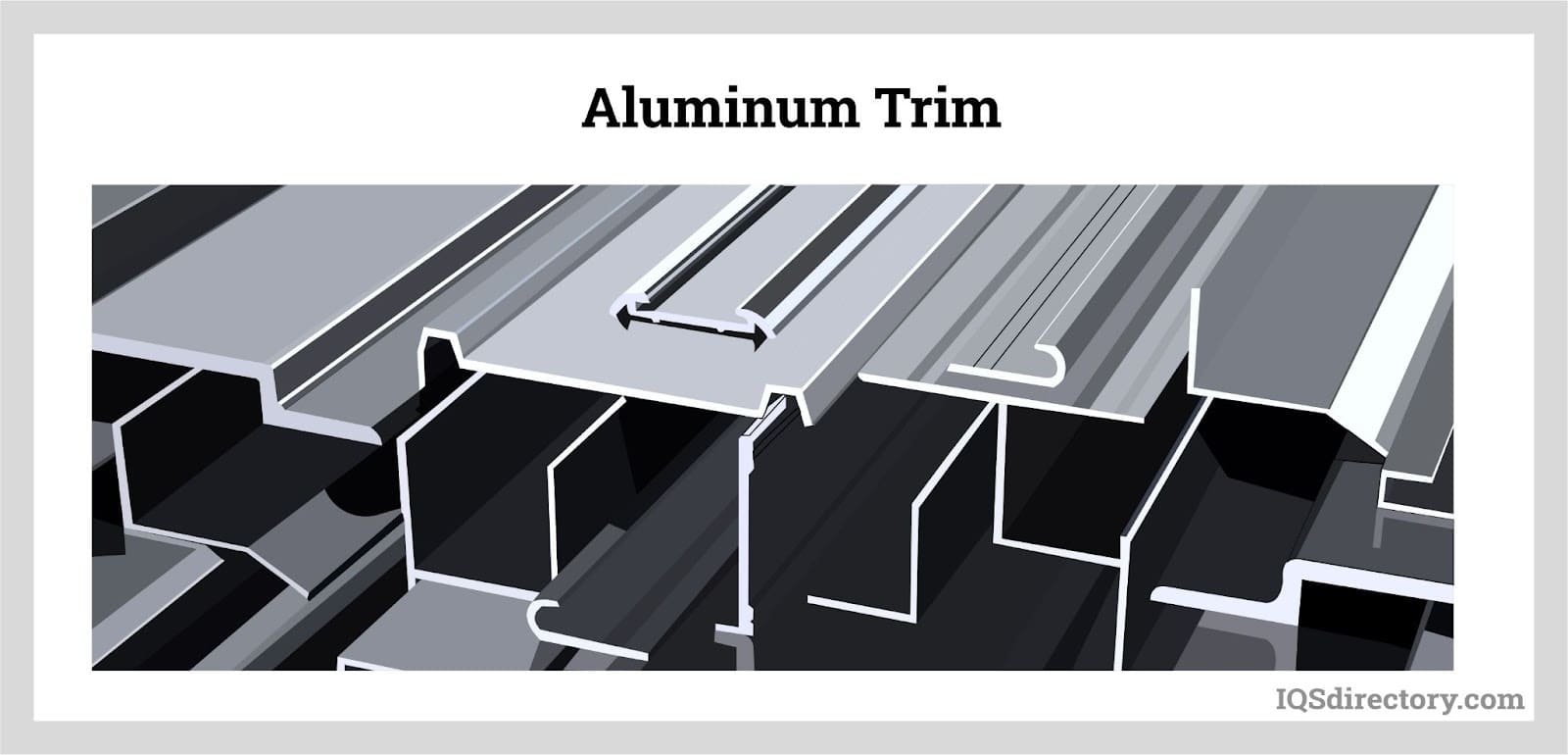
Aluminum trim is extruded into narrow, adaptive pieces for architectural decorative accents...
Extruded Aluminium
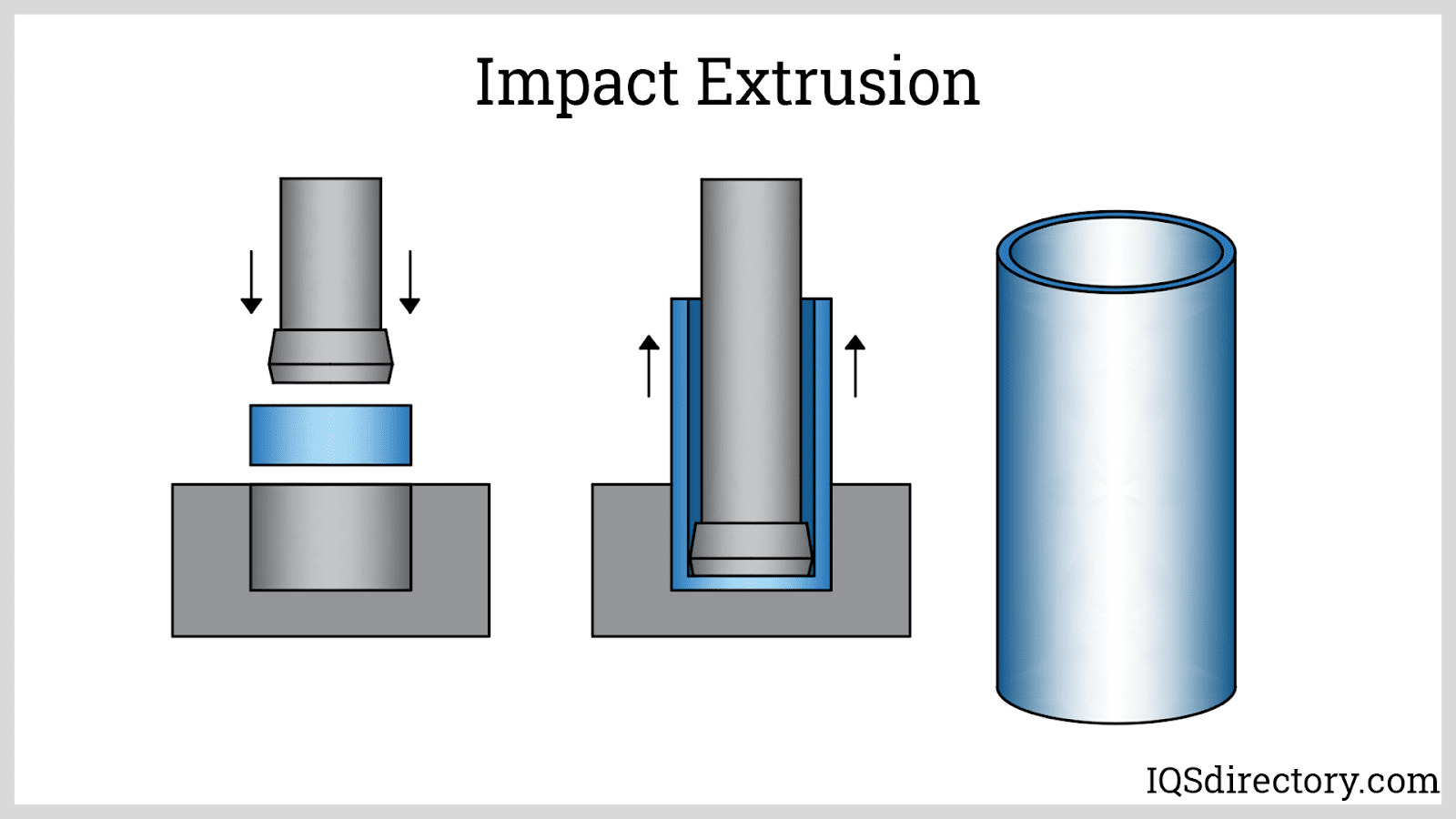
Extruded aluminum is formed by forcing a heated billet through a die opening...