
Aluminum Channels Guide: Types, Alloy Grades & Finishes
Contents (16 sections)
Looking to find and compare aluminum channel and extrusion manufacturers? See our Aluminum Extrusions Directory to request free quotes. Connect directly with vetted extruders for custom C-channels, U-channels, structural angles, anodized trims, and architectural profiles.
Contact Companies
Please fill out the following form to submit a Request for Quote to any of the following companies listed on
Get Your Company Listed on This Power Page
Introduction
This comprehensive technical article explains the manufacturing, profile types, alloy grades, and finishing methods for aluminum channels:
- What is an Aluminum Channel?
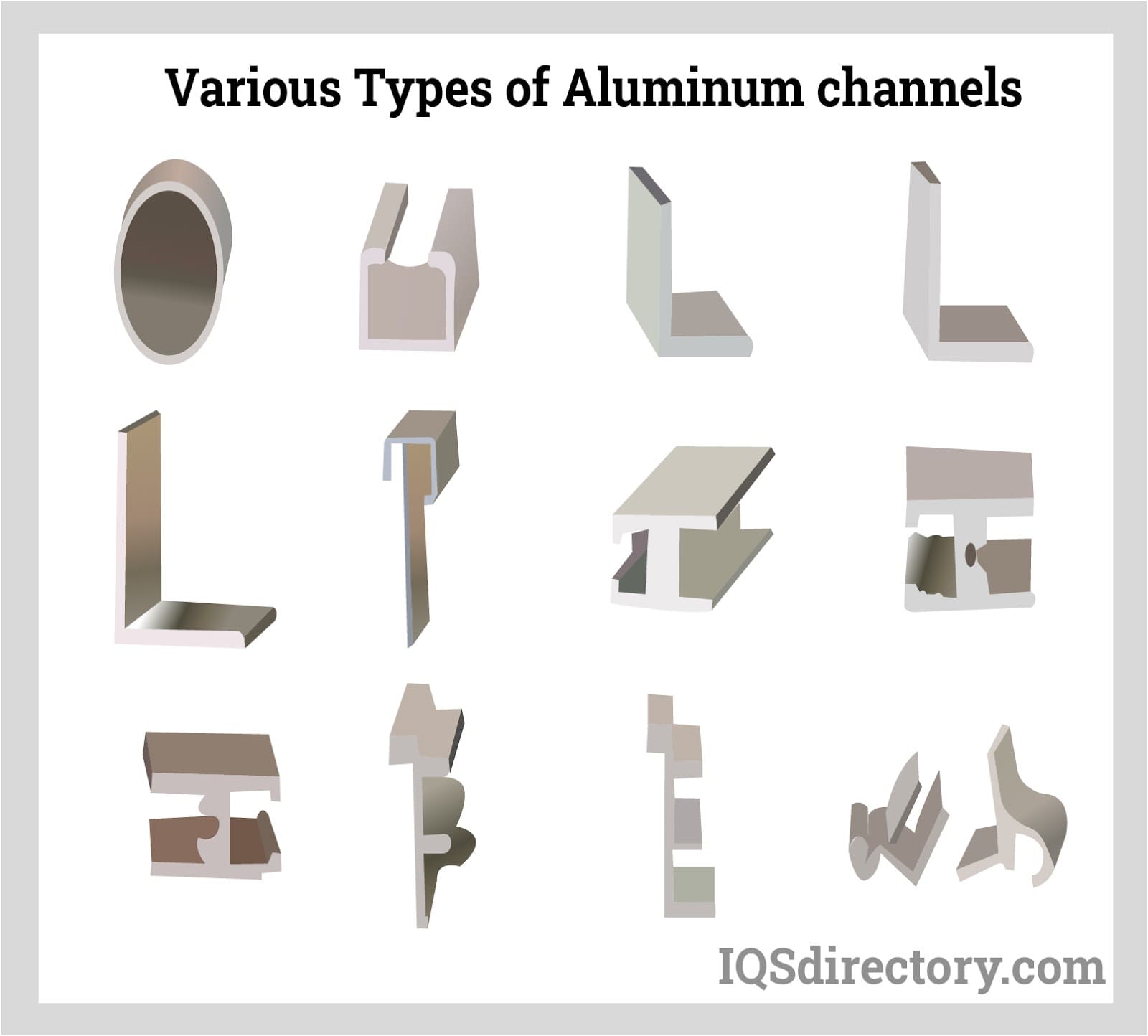
- Types of Aluminum Channels (C, U, J, Hat, T-Slot, I-Beam)
- Top Equipment for Channel Extrusion
- Surface Finishes (Anodizing, Powder Coating, Bright Dipping)
- Alloy Grades (6063, 6061, 7075) & Tempers
- How Aluminum Channels are Made
Chapter One – What Is an Aluminum Channel?
An aluminum channel is a versatile structural metal component manufactured through the aluminum extrusion process, allowing for a wide range of shapes, profiles, and custom designs suited to many industrial and commercial applications. One major advantage of aluminum channels is their lightweight construction—about one-third the weight of steel—while still delivering excellent strength, durability, and long-term performance.

Chapter Two – Types of Aluminum Channels
Aluminum channels are produced in several standardized geometries tailored to specific structural and finishing applications.
Comparison of Aluminum Channel Profile Geometries
| Profile Type | Cross-Sectional Shape | Structural Benefit | Primary Applications |
|---|---|---|---|
| Angle Channel | 90-degree L-shape (Equal or unequal legs) | Lightweight corner reinforcement & edge protection | Window/door trim, handrails, roof flashing, corner sealing |
| C-Channel | Web with 2 perpendicular flanges | High bending resistance & modular nut-channel options | Vehicle chassis, wood panel accenting, framing systems |
| U-Channel | 3-sided flat web with equal parallel flanges | Protective edge containment & sliding tracks | Glass panel framing, cabinetry, shelving, curtain walls |
| T-Slot Channel | Square/rectangular bar with continuous T-grooves | Modular bolt-together assembly; no welding needed | Robotic framing, machine guards, workstations, CNC beds |
| Hat Channel | Hat-shaped profile with outer mounting feet | High strength-to-weight ratio for furring & leveling | Masonry leveling, drywall furring, ceiling grid support |
| I-Beam Section | Wide web with short, thick flanges (I-shape) | Maximum load-bearing & long-span deflection resistance | Bridges, mezzanines, heavy platform support crossbeams |


Chapter Three – Top Equipment for Working with Aluminum Channels
Fabricating aluminum channels requires high-precision machinery, including Presezzi P7 Extrusion Presses, HPM hydraulic presses, Inductotherm induction billet heaters, and RDM flying cutoff saws.
Leading Manufacturers and Suppliers

Frequently Asked Questions
What Is an Aluminum Channel and Why Is It Used?
An aluminum channel is an extruded metal component valued for its lightweight, strength, and corrosion resistance. It’s chosen for framing, reinforcement, and protective or decorative applications across construction, retail, industrial, and architectural projects.
What Are the Main Types of Aluminum Channels Available?
Primary aluminum channel types include angle, C, F, H, hat, I, J, T-slot, U, and Z shapes. Each profile serves distinct structural, framing, or finishing needs in both commercial and residential construction.
Which Aluminum Channel Type Is Best for Outdoor or High-Moisture Projects?
Angle, hat, and J aluminum channels are ideal for outdoor or humid environments. Their corrosion resistance and moisture protection make them suitable for roof edges, exterior trim, siding, and building envelopes.
How Do Manufacturers Produce Precision Aluminum Channels?
Manufacturers use advanced extrusion presses, billet heating systems, dual pullers, and flying cutoff saws to ensure aluminum channels meet exact tolerances and high quality standards for custom or standard profiles.
Are Custom Shapes and Finishes Available for Aluminum Channels?
Yes. Aluminum channels can be customized in length, thickness, finish (anodized, powder-coated, brushed), and alloy composition to match specific architectural or structural requirements.
What Is the Typical Wall Thickness for U-Shaped Aluminum Channels?
U-shaped aluminum channels commonly have wall thicknesses ranging from 1/16 inch to 1/4 inch, catering to diverse load and design needs in shelving, cabinetry, and framing applications.
Chapter Four – Finishes Available for Aluminum Channels
Finishing enhances corrosion resistance and visual appeal. Common methods include mechanical polishing/buffing, bright dipping (chemical reflectivity), anodizing (electrochemical oxide layer growth), liquid painting, and electrostatic powder coating.

Chapter Five – Aluminum Alloy Grades Used in Channels
Aluminum is alloyed with magnesium, silicon, and zinc to alter its strength and mechanical properties.
Comparison of Common Aluminum Extrusion Alloy Grades
| Alloy Grade | Alloying Elements | Tensile Strength & Malleability | Anodizing & Finish Quality | Primary Applications |
|---|---|---|---|---|
| Grade 6063 | Magnesium & Silicon (~0.6% Si) | Medium strength; excellent thin-wall extrudability | Exceptional (Lustrous architectural finish) | Architectural trim, window/door frames, decorative channels |
| Grade 6061 | 1.0% Magnesium + 0.6% Silicon | High strength; good weldability & stress resistance | Good | Heavy structural framing, truck beds, platform I-beams |
| Grade 7075 | Zinc & Copper base | Ultra-high strength; difficult to weld | Fair to Good | Aerospace framing, defense components, sub-zero structures |
Chapter Six & Seven – Extrusion Process & Characteristics
Heated aluminum billets (750°C–930°C) are pushed by hydraulic rams through steel dies to produce solid or semi-hollow channel extrusions. Post-extrusion steps include water quenching, stretch-straightening, and circular saw cutting. Aluminum channels are lightweight, non-magnetic, non-sparking, and 100% recyclable.
Conclusion
Aluminum channels deliver an ideal balance of strength, lightweight handling, and corrosion resistance. Selecting the proper profile shape (C, U, J, Hat), alloy grade (6063 vs. 6061), and protective finish (anodized or powder-coated) ensures long-term performance across architectural, industrial, and manufacturing projects.
Aluminum Channels Suppliers on IQS Directory
- Extrude-A-Trim
- Johnson Bros. Roll Forming Co.
- GSH Industries, Inc.
- Quality Stamping & Tube Corp
- Dajcor Aluminum Ltd.
View all Aluminum Channels suppliers · Request a quote for Aluminum Channels
Table of Contents
Loading Leading
Category Companies
Related Posts
Aluminum Trim
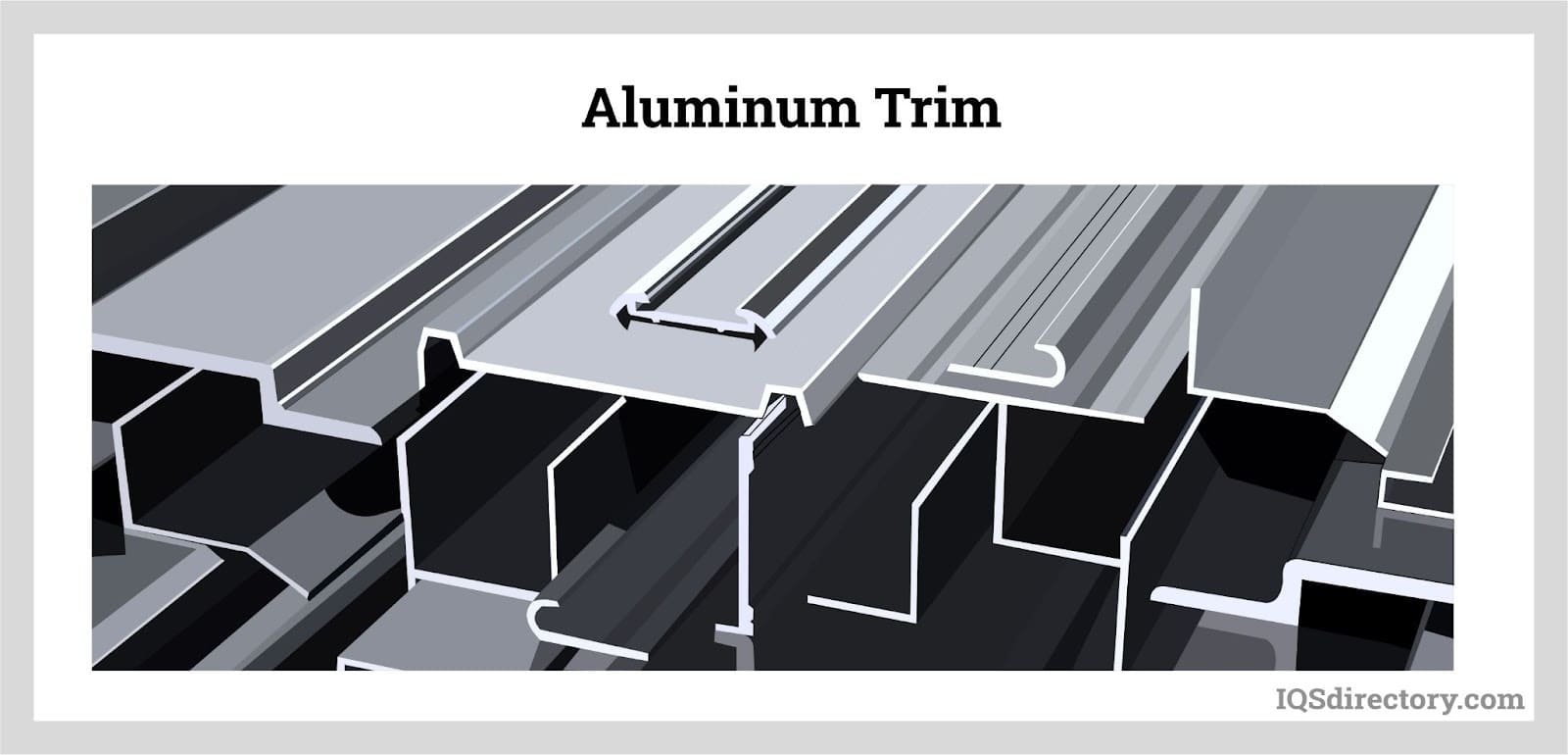
Aluminum trim is extruded into narrow, adaptive pieces for architectural decorative accents...
Extruded Aluminium
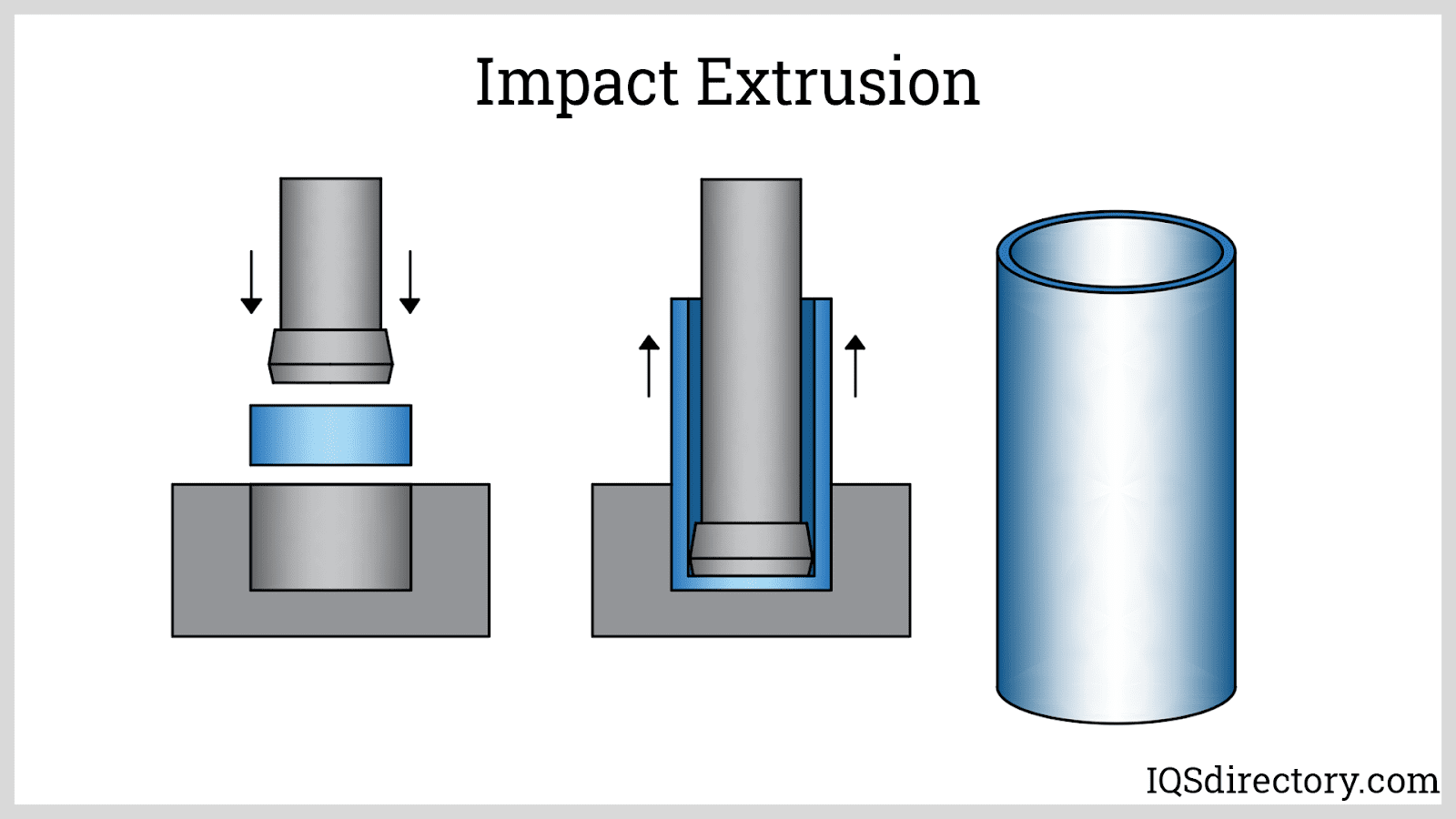
Extruded aluminum is formed by pushing a heated billet through a die opening to create a continuous profile...
Types of Aluminum Extrusions
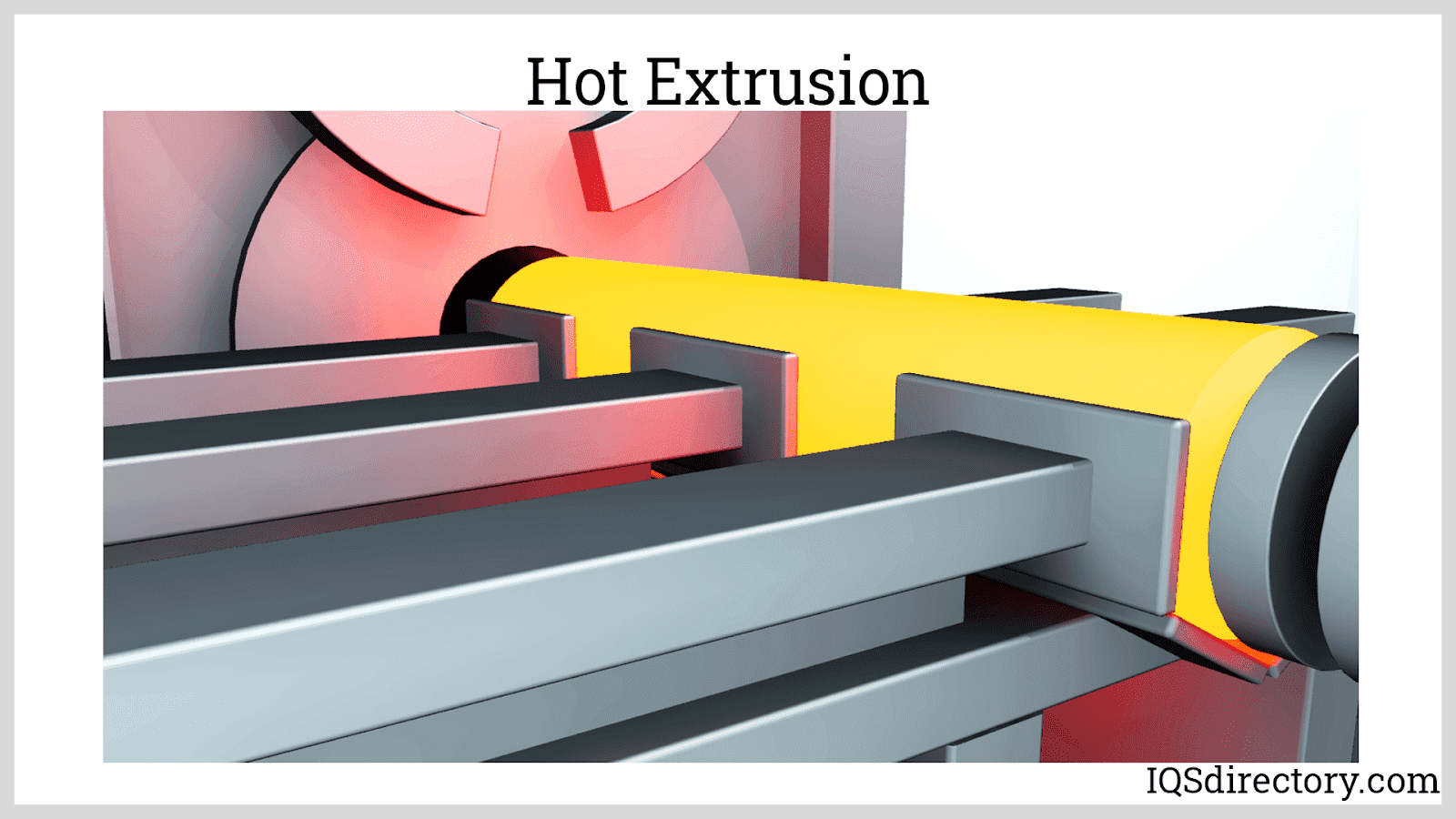
Aluminum extrusion shapes billets into customized structural, solid, and hollow profiles...