
- 8 leading manufacturers
- 27 additional suppliers
- 17 states and provinces
- 11 related categories
- 9 guide sections
Rubber to Metal Bonding Manufacturers and Companies

IQS Directory implements a thorough list of rubber to metal bonding companies in [state]. Utilize our listing to examine and sort top rubber to metal bonding companies with previews of ads and detailed descriptions of each product. Any rubber to metal bonding company can design, engineer, and provide rubber to metal bonding to meet your companies specific qualifications. An easy connection to reach rubber to metal bonding companies through our fast request for quote form is provided on our website. The company information includes website links, company profile, locations, phone, product videos and product information. This source is right for you whether it's for bonded to metal rubber, bonded to metal products, and metal rubber glue bonding.
Suppliers located in IL, NJ, PA +14 more states
Contents (6 sections)
Leading Rubber to Metal Bonding Manufacturers
Showing all 8
| Placement No. | Manufacturer | Location | Contact | Actions | |
|---|---|---|---|---|---|
| 1 | RD Rubber Technology CorporationRD Rubber Technology Corp is an ISO 9001:2015 / AS9100:2016 certified and ITAR registered company. We offer compression, transfer, injection and Liquid Injection molding, rubber to metal bonding, engineering support, tooling design, machining and more. Our customers rely on us to give them the best possible production solutions for rubber molding. From aerospace to medical, food processing to military applications we build trust by being responsive to your needs. | Santa Fe Springs, CA | |||
| 2 | Pierce-Roberts Rubber Co.With more than a century of manufacturing experience, Pierce-Roberts Rubber Co. is your source for custom molded rubber products. We offer a variety of custom rubber molding services, including rubber mixing and formulating, rapid prototyping, molded rubber product design and research, and more. At Pierce-Roberts, customers get a product that matches specifications and service that exceeds expectations. That is our guarantee. | Trenton, NJ | |||
| 3 | Accurate Products, Inc.Accurate Products will satisfy your exact specifications for custom die cut parts of various materials, including sheet rubber, open & closed cell sponge, silicone, polyurethane foam, cork, felt, fibre, electrical grade paper, FDA & MIL spec materials. For superior die cut seals, gaskets, bumper pads, barriers, packing, diaphragms & more, trust our short lead time, great-priced service! | Chicago, IL | |||
| 4 | Colorado Molded Products Co.At Colorado Molded Products, we specialize in rubber to metal bonding solutions that bring strength, flexibility, and long-term performance together in one finished component. We manufacture bonded parts for demanding applications where adhesion, dimensional accuracy, and durability matter. | Englewood, CO | |||
| 5 | Mason Rubber Co., Inc.From molding products made of homogeneous rubber, to rubber bonded to metal as well as other various materials. Mason Rubber makes efficient use of state of the art technology to produce a quality product. No matter how small or large your production requirements are, Mason Rubber is able to meet your special needs. | Trevose, PA | |||
| 6 | Bushings, Inc.Our economical products are made from high-quality solutions that will last you for many years to come. We are a dependable manufacturer that will work with you every step of the way. Here at Bushings, we pre-test all of our products to ensure your satisfaction. Please give us a call today to learn more information! | Rochester Hills, MI | |||
| 7 | National Rubber Corp.At National Rubber Corp., we specialize in advanced rubber-to-metal bonding solutions designed to meet the demanding requirements of diverse industries. With extensive expertise and precision manufacturing capabilities, we produce durable, high-quality components that seamlessly integrate rubber materials with metal substrates. | Canonsburg, PA | |||
| 8 | Jet RubberSince 1955, Jet Rubber Company, an Employee Owned Company, has been custom molding rubber and rubber-to-metal components for a variety of industries and applications. As an aggressive manufacturer of molded rubber and rubber-to-metal parts, our reputation has been built upon providing quality products, on time, and at a fair price. | Rootstown, OH |
Claim your Page One Spot
Leading rubber to metal bonding manufacturers are listed first on this page, each with a website preview and a Request a Quote button on its row.
Additional Rubber to Metal Bonding Companies
The category’s other rubber to metal bonding companies are listed on their own page, with location, phone and website where each supplier provides them.
View 27 Additional Rubber to Metal Bonding CompaniesDo not see your company listed in Rubber to Metal Bonding?
Engineers and buyers use this page to find rubber to metal bonding suppliers. Add your company to the Rubber to Metal Bonding listings so they can find you too.
List Your Company- Listed in the Rubber to Metal Bonding directory
- A profile page for your company
- Buyers contact you directly
Rubber to Metal Bonding Industrial Manufacturing Guides
Rubber to Metal Bonding: Applications and Benefits
This article will take an in-depth look at rubber to metal bonding. The article will bring more understanding on topics such as: Principle of Rubber to Metal…
3 chapters
Quick Answers
- How many rubber to metal bonding manufacturers are listed on IQS Directory?
- 8 leading manufacturers and 27 additional suppliers.
- Where are rubber to metal bonding manufacturers located?
- The listed suppliers are in 17 states and provinces: Illinois (4), New Jersey (4), Pennsylvania (4), California (3), Indiana (3), Ohio (3), Michigan (2), Minnesota (2), and 9 more.
- How do I get quotes from rubber to metal bonding suppliers?
- Select suppliers in the table and choose Request Quotes. IQS reviews your request and forwards it to every supplier you select.
Rubber-to-Metal Bonding
Rubber’s distinctive property to form strong, lasting bonds with a variety of metals increases its durability, performance, and long-term value in demanding service environments. Numerous industries, including automotive, electronics, medical manufacturing, heavy equipment, and industrial processing, rely on rubber-to-metal bonding to manufacture durable, integrated components that combine flexibility with structural support. This advanced bonding technique merges several parts into unified assemblies, delivering reliable metal adhesion, vibration isolation, sealing capability, shock absorption, and wear resistance for applications where loose or separate parts would fail more quickly.
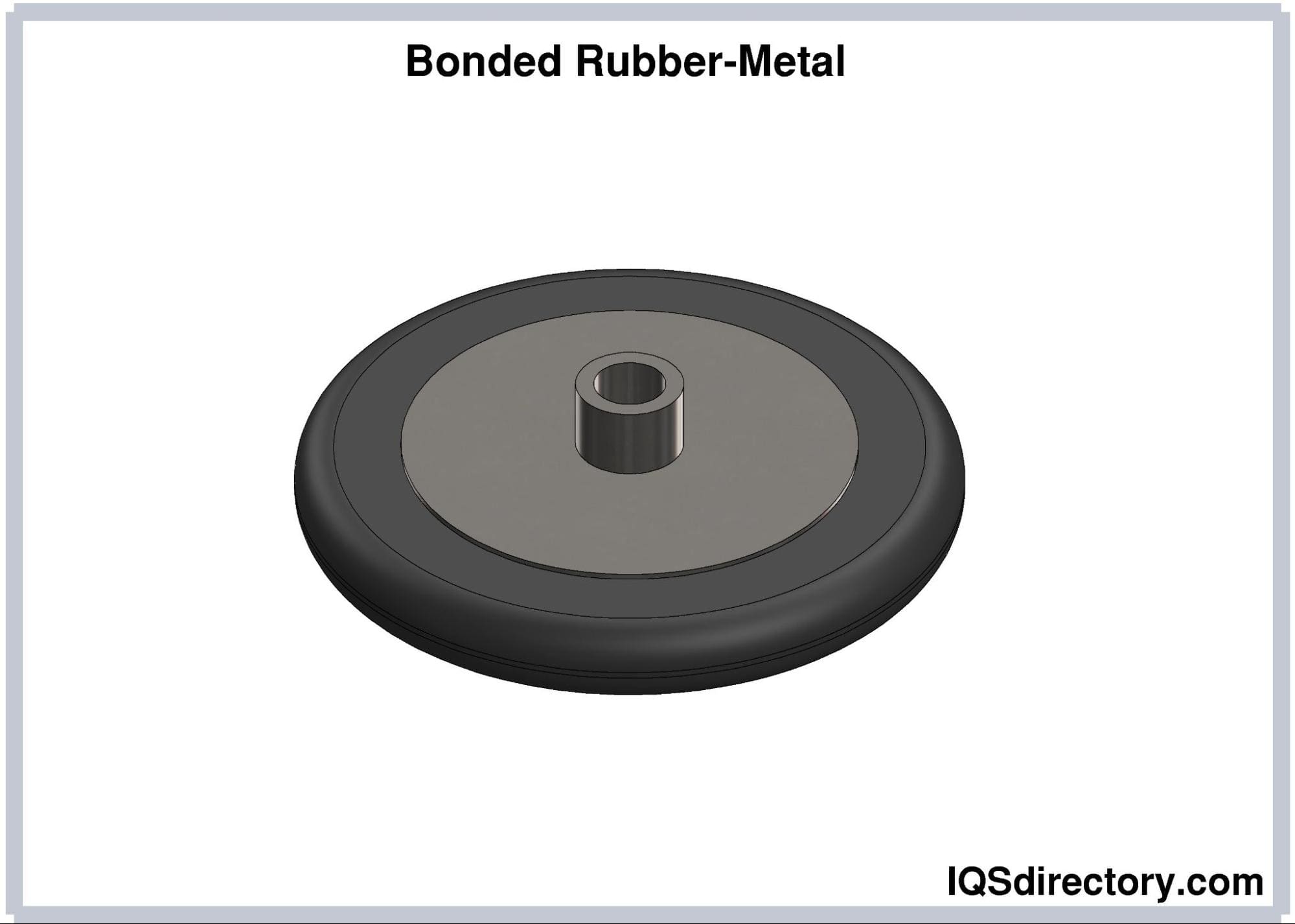
In the molding process, rubber-to-metal bonding involves the mechanical and chemical fusion of rubber to a metal insert. This production method supports the manufacture of a wide spectrum of goods across industrial, commercial, transportation, and healthcare markets. Whether buyers are searching for bonded rubber mounts, rubber-coated rollers, sealing components, or custom molded parts, this process helps create consistent, repeatable products that stand up to heat, movement, moisture, oils, and repeated stress.
Design of Bonding Processes
The ability of rubber to bond with a wide range of materials is central to its versatility in engineered bonding solutions. Metals like bronze and brass bond effectively with rubber, though the success of the finished assembly depends on the exact metal composition, surface condition, and part geometry. Environmental guidelines have led many manufacturers to shift from solvent-based adhesives to water-based options. These environmentally friendly adhesive systems can offer similar sealing capability and long service life while supporting cleaner production practices and dependable bond performance under varying temperatures, loads, and operating conditions.
Rubber can also be bonded to glass, fabrics, and many plastics, but metals remain the top choice for bonded parts because they add structural strength, dimensional stability, and dependable support for moving or load-bearing components. Metals such as steel, aluminum, copper, beryllium, and brass provide excellent adhesion when properly prepared and coated. The chosen metal must endure the high heat and pressure associated with bonding, curing, and molding. Both natural and synthetic rubbers—including silicone, neoprene, EPDM, and nitrile—are used in these processes, allowing manufacturers to tailor chemical resistance, flexibility, hardness, and weatherability to the intended application.
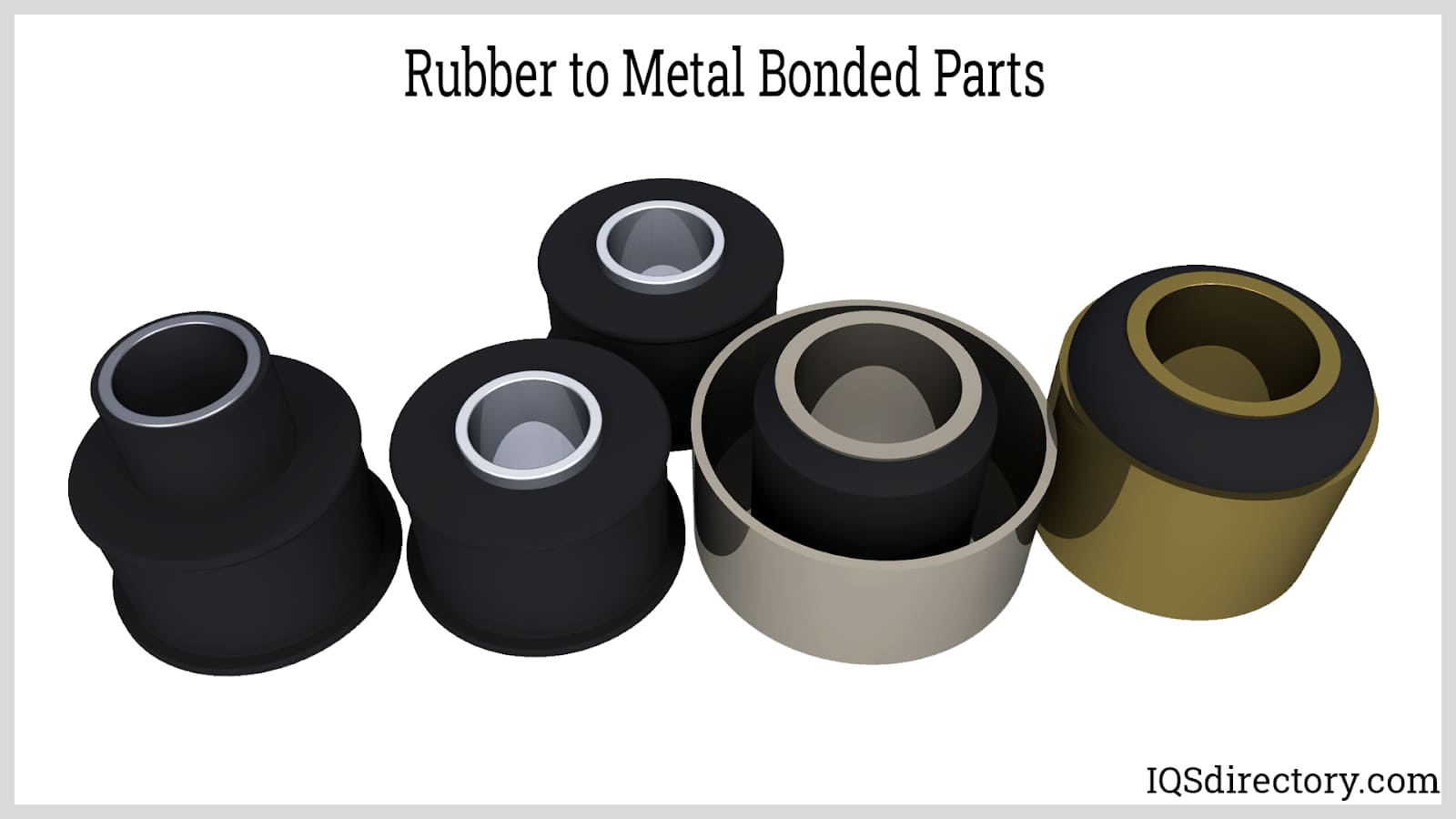
Examples of rubber-to-metal bonded products consist of components used for vibration control, sealing, impact management, fluid handling, and industrial production where rubber elasticity must work together with a rigid insert or frame:
Silicon Bonding Often crafted into surgical instrument handles and other medical components that require comfort, grip, cleanliness, and repeatable performance. Rubber Lined Rollers Used in converting, printing, packaging, and material handling lines where traction, cushioning, and wear resistance are needed on a metal core. Engine Mounts Designed to reduce vibration, isolate noise, and support mechanical assemblies in automotive and industrial power systems. Gaskets Built to create a seal between mating surfaces while accommodating movement, compression, and exposure to oils, heat, or moisture. Reinforced Tires Combine rubber flexibility with internal structural reinforcement to support traction, durability, and controlled performance under load. Bearings Selected for applications where support, guided movement, vibration damping, and wear reduction must work together. Rubber Lined Tanks/Pipes Used to protect equipment surfaces from abrasion, corrosion, and chemical attack in processing and transfer systems. Conveyor Belts Rely on bonded materials and engineered surfaces to help move products smoothly through production and distribution environments. Electrical Cables and Plugs Benefit from insulation, sealing, and strain relief where rubber and metal components need to function as one assembly.Materials for the Rubber-to-Metal Bonding Process
Producing metal-rubber composites involves applying rubber to metal with specialized adhesives and tightly controlled process steps. This method depends on three main components, and each one influences adhesion, durability, manufacturability, and the overall value of the bonded part.
Rubber Materials Includes any type of styrene-butadiene, neoprene, EPDM, nitrile, or silicone rubber capable of filling molds without premature cross-linking and without rapid migration of rubber elements to the uncured surface. Material selection is often driven by temperature range, compression set, flexibility, chemical exposure, abrasion resistance, and whether the part will operate indoors, outdoors, or in contact with fuels and oils. Metal Substrate (Coating) The metal used in rubber-to-metal bonding, which may be aluminum, brass, steel, copper, or another alloy, is selected according to strength requirements, corrosion resistance, weight targets, and the demands of the final application. Surface finish, plating, blasting, and pretreatment all influence how well the adhesive system can anchor to the insert. Bonding Agents Typically composed of solvent or water-based formulations, these include a phenolic-style resin primer and a topcoat made from polymers and other compounds that are chosen to work with both the rubber compound and the metal surface. A properly selected bonding agent helps create a stable chemical bridge between the substrate and the elastomer during molding and cure. Steel has long been the predominant metal in rubber-to-metal bonding, but aluminum alloys and polyamides are increasingly popular because they can reduce weight and control cost while still offering strength, dimensional stability, and dependable performance. Buyers evaluating materials often compare load, environment, lifecycle expectations, and total part cost before choosing a bonded design.Methods Used for Rubber-to-Metal Bonding
Vulcanizer curing places a rubber-coated metal component in a steam vulcanizer, applying pressure to cure the bond and develop the desired physical properties in the elastomer. This approach produces strong adhesion and high density, enabling the finished product to withstand corrosive agents, repeated movement, and harsh industrial service.
Chemical curing uses a special agent on the lining’s surface, which permeates over time at room temperature. Heat can speed up this process and help achieve a faster turnaround for certain jobs. This method is mainly used for repairing tanks, relining large vessels, or handling applications where on-site curing offers better efficiency than shipping oversized equipment.
Induction heating is an accurate, energy-saving approach that heats targeted areas without significantly changing the metal’s properties, making it ideal for continuous production lines and repeat manufacturing. It can support process control, improved consistency, and faster cycle times when manufacturers need predictable results across larger production volumes.
Exhaust steam curing introduces live steam into a sealed vessel, ensuring the lining remains intact and firmly bonded. This is especially beneficial for large tanks that are difficult to transport and for heavy-duty linings where even heat distribution supports a more uniform cure. In many cases, the choice of method depends on part size, insert design, throughput goals, and whether the bonded rubber component must meet mechanical, thermal, or chemical performance targets.
Rubber to Metal Bonding Images, Diagrams and Visual Concepts
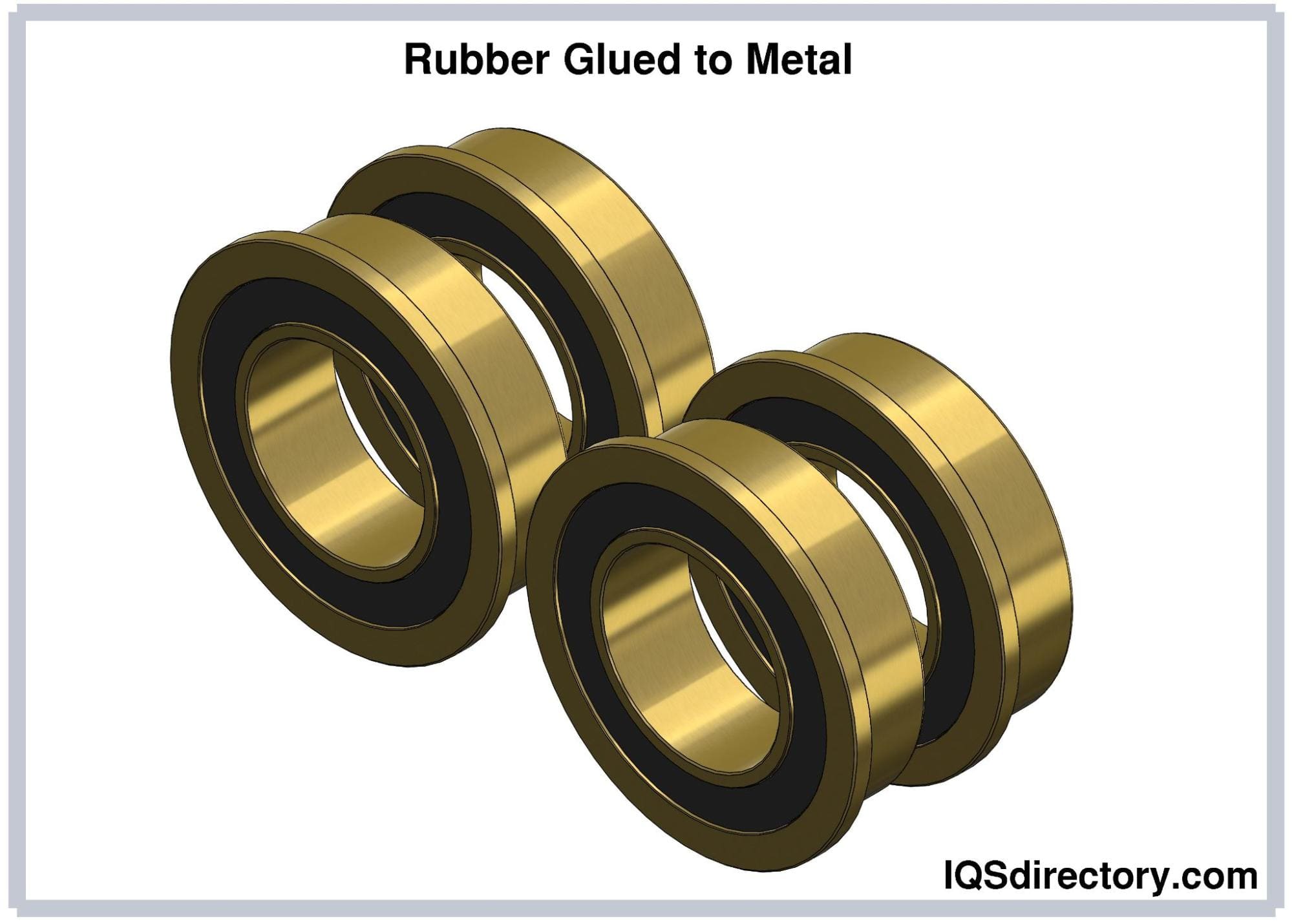
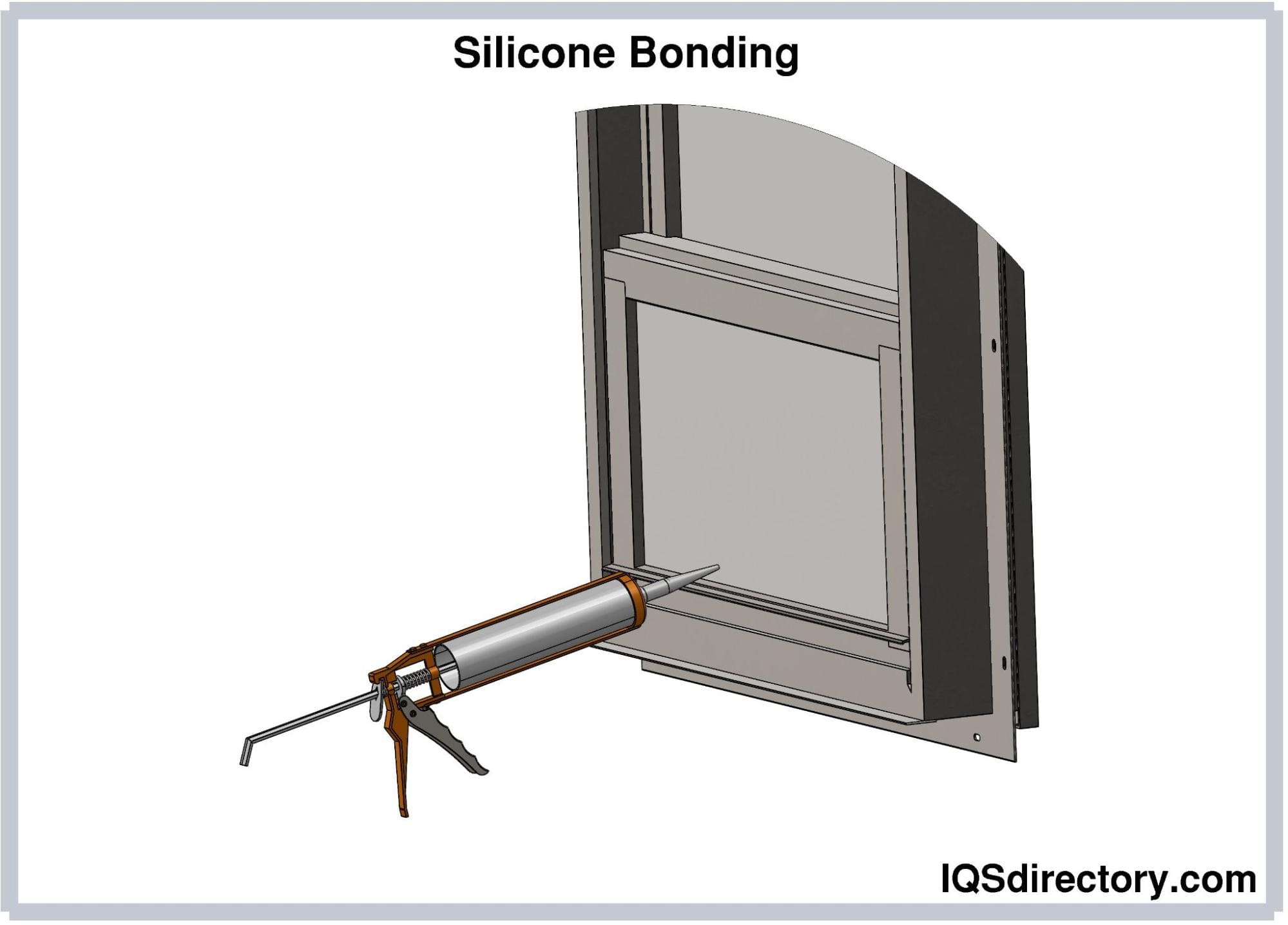
Rubber to Metal Bonding Types
Applications for Rubber-to-Metal Bonding
Rubber-to-metal bonding is widely used for manufacturing products in industries such as automotive, aerospace, construction, plumbing, electrical systems, industrial equipment, vibration absorbers, medical devices, agricultural equipment, fluid handling, and custom rubber roller production. It is a practical solution when designers need one part to deliver both mechanical support and elastomeric performance. Search intent around this topic often centers on durability, noise reduction, sealing reliability, and whether a bonded component will hold up under repeated motion, temperature swings, and exposure to oils or chemicals.
The automotive sector especially uses many rubber-metal bonded components, such as those connecting the steering wheel to the column, along with rubber-metal elements in pedals, bumpers, suspension systems, mounts, and under-hood assemblies. Similar bonded solutions appear in factory machinery, processing lines, pumps, compressors, and medical equipment where vibration damping, grip, insulation, and long-term performance all matter. Buyers comparing options often ask the same questions: which elastomer should be used, how will the part be tested, and can the bond stand up to the real conditions of the job?
Usage of Rubber to Metal Bonding
Following consistent procedures from design through final testing helps ensure the bond meets all functional, environmental, and manufacturing requirements for the application. A successful rubber-to-metal part is not only about sticking two materials together; it depends on design review, material compatibility, process control, and post-molding handling that protect the bond from contamination or premature failure.
- Evaluate the part’s design and configuration for manufacturing suitability, insert retention, mold flow, and the stresses the finished component will experience in service.
- Select the appropriate rubber and bonding agent based on the intended use, including exposure to temperature, oils, weather, abrasion, pressure, and repeated movement.
- Assess the compatibility of the metal surface with the selected rubber so the finished part can meet both performance and production goals.
Things to Consider When Choosing Rubber to Metal Bonding
With the broad use of rubber-to-metal bonded components, manufacturers frequently provide tailored solutions from the initial design phase through tooling, production, testing, and delivery. That makes supplier selection an important part of the buying process, especially for custom parts that must meet specific performance targets, environmental conditions, or dimensional tolerances.
When choosing a provider for rubber-to-metal bonding, look for companies that deliver cost-effective options while meeting production goals for turnaround, material quality, process consistency, and dependable finished parts. Buyers often compare rubber compounds, insert materials, adhesive systems, mold design support, prototyping ability, production capacity, and testing practices before making a decision. If you are evaluating suppliers, it also helps to ask whether the manufacturer has experience with your industry, whether it can support repeat orders, and how it addresses bond validation for demanding applications.
IQS Directory offers a comprehensive list of rubber-to-metal bonding companies. Use our directory to compare and select top providers that fit your rubber-to-metal bonding requirements, whether you are sourcing custom molded parts, bonded seals, industrial rollers, anti-vibration components, or metal-rubber assemblies for specialized production needs.
Rubber to Metal Bonding Terms
Common Questions
7 questions
What Is Rubber-to-Metal Bonding Used For?
Rubber-to-metal bonding is used to create durable, integrated components for automotive systems, aerospace equipment, industrial machinery, medical tools, and material handling products. It improves strength, vibration control, sealing performance, and resistance to moisture, chemicals, and outdoor exposure, which is why it is widely used for engine mounts, gaskets, bushings, rollers, seals, and specialty molded assemblies. Companies often choose bonded rubber parts when they need a component that can reduce noise, absorb shock, protect metal surfaces, and maintain dependable performance over time.
How Does the Rubber-to-Metal Bonding Process Work?
The process fuses rubber to a metal insert using heat, pressure, surface preparation, and bonding agents designed for the selected elastomer and substrate. During molding, primers and adhesives help the rubber chemically adhere to the prepared metal surface, forming a single, unified assembly that resists stress, separation, and corrosion. The strongest results usually come from proper cleaning, controlled curing, accurate molding conditions, and close compatibility between the rubber compound, adhesive system, and metal insert.
What Metals Are Commonly Used in Rubber-to-Metal Bonding?
Steel, aluminum, brass, copper, bronze, and selected plated alloys are frequently used metals in rubber-to-metal bonding. These materials offer excellent adhesion potential and can endure the temperatures, pressure, and manufacturing demands involved in bonding and curing. Material choice often depends on weight targets, corrosion resistance, mechanical load, cost, and the environment in which the finished bonded component will operate.
Which Methods Are Used for Bonding Rubber to Metal?
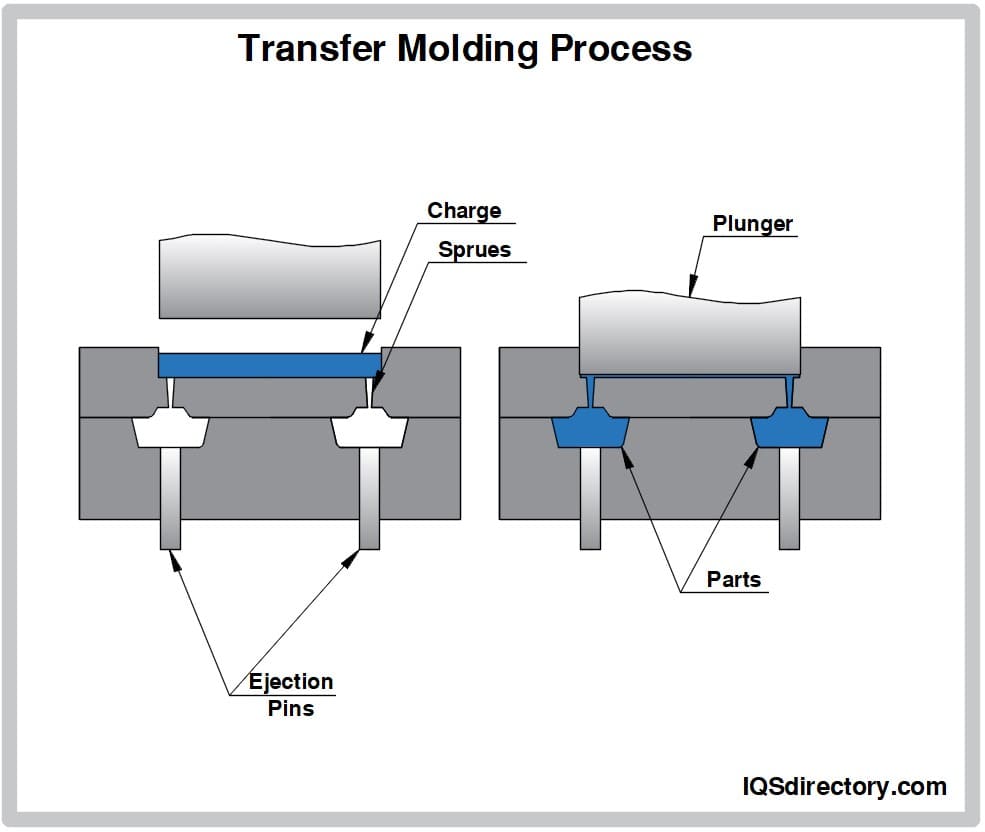
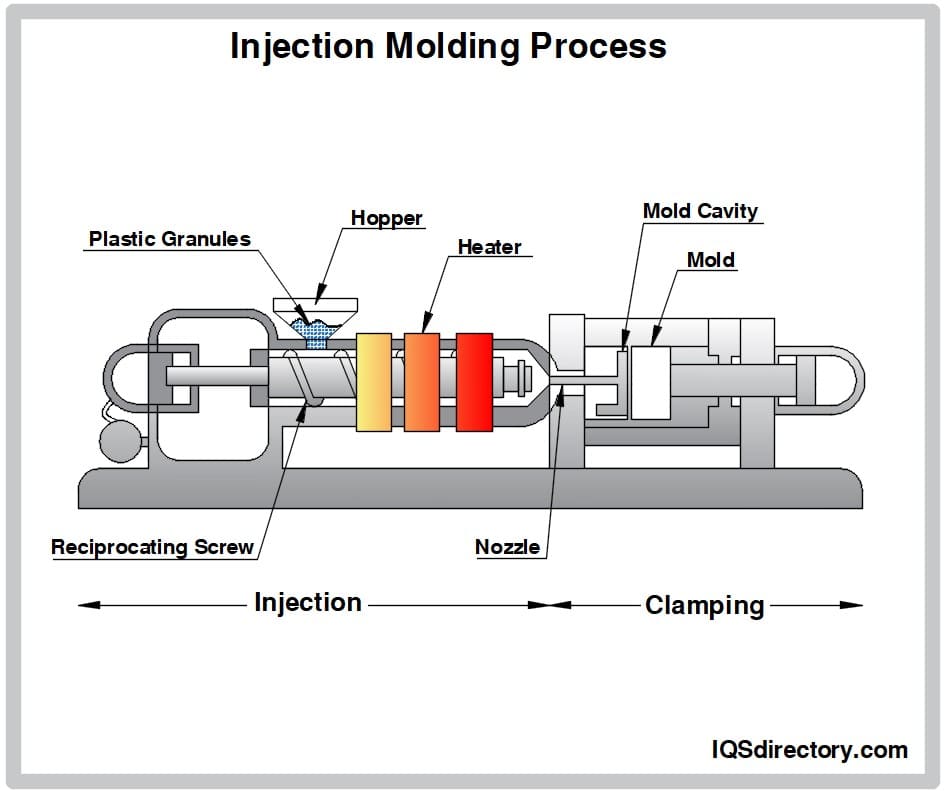
Common methods include vulcanizer curing, chemical curing, induction heating, and exhaust steam curing. Each method supports strong adhesion based on part size, insert geometry, production volume, and the performance goals of the finished part. Manufacturers may also use transfer molding, compression molding, or injection molding to create bonded assemblies for custom rubber products, rollers, seals, and anti-vibration components.
Why Are Water-Based Adhesives Preferred for Rubber-to-Metal Bonding?
Water-based adhesives are often preferred because they are environmentally friendly alternatives to solvent-based formulations and can support modern manufacturing standards with lower emissions. They still provide strong sealing capability and dependable adhesion when matched to the right rubber compound and metal substrate. For many manufacturers, water-based systems offer a practical balance of bond performance, plant safety, and process efficiency.
What Are Typical Products Made Using Rubber-to-Metal Bonding?
Typical products include engine mounts, industrial rollers, gaskets, bearings, reinforced tires, vibration isolators, seals, cable components, piping liners, and medical instrument handles. These bonded parts combine elasticity with structural strength, making them well suited for demanding applications that involve motion, pressure, abrasion, noise control, or repeated cycling. Buyers looking for custom bonded parts often choose this process when they need both cushioning and firm mechanical support in one assembly.
What Factors Influence the Success of a Rubber-to-Metal Bond?
Proper surface preparation, adhesive selection, curing temperature, molding pressure, and clean handling all influence bond quality and service life. Contamination, poor insert preparation, incompatible materials, or an incorrect mixture ratio in bonding agents can weaken adhesion and reduce long-term performance. For buyers comparing suppliers, it is smart to ask about testing, process control, compound selection, and how the manufacturer validates bond strength for the intended application.