
- 4 leading manufacturers
- 67 additional suppliers
- 26 states and provinces
- 11 related categories
- 8 guide sections
Packaging Equipment Manufacturers and Suppliers

IQS Directory provides a comprehensive list of packaging equipment manufacturers and suppliers. Use our website to review and source top packaging equipment manufacturers with roll over ads and detailed product descriptions. Find packaging equipment companies that can design, engineer, and manufacture packaging equipments to your companies specifications. Then contact the packaging equipment companies through our quick and easy request for quote form. Website links, company profile, locations, phone, product videos and product information is provided for each company. Whether you are looking for manufacturers of heat seal equipment, packaging systems, food packaging equipment, or customized packaging equipment of every type, this is the resource for you.
Suppliers located in CA, IL, OH +23 more states
Contents (6 sections)
Leading Packaging Equipment Manufacturers
Showing all 4
| Placement No. | Manufacturer | Location | Contact | Actions | |
|---|---|---|---|---|---|
| 1 | Mollers North America IncMoller North America is committed to customer satisfaction. Our line of products ranges from bagging, conveying, palletizing, to stretch-hooding, stretchwrapping and shrinkwrapping a variety of products. Contact us today to for all of your packing, palletizing, and protection needs. | Grand Rapids, MI | |||
| 2 | APACKSAt APACKS, we specialize in providing packaging equipment designed to improve production efficiency, accuracy, and consistency across a wide range of industries. We offer comprehensive packaging solutions that help businesses streamline their operations, reduce manual labor, and maintain reliable product handling. | Laporte, IN | |||
| 3 | BestPackAt BestPack, we specialize in providing high-quality packaging equipment designed to improve efficiency, productivity, and consistency across packaging operations. Our company offers a comprehensive selection of carton sealing machines, case erectors, and automated packaging systems that help businesses streamline their processes. | Ontario, CA | |||
| 4 | Combi Packaging Systems LLCAt Combi Packaging Systems, we specialize in providing innovative packaging equipment designed to improve production efficiency, streamline operations, and ensure consistent packaging quality. We offer a comprehensive range of automated packaging solutions, including case erectors, case sealers, case packers, tray formers, and integrated packaging systems. | Canton, OH |
Claim your Page One Spot
Leading packaging equipment manufacturers are listed first on this page, each with a website preview and a Request a Quote button on its row.
Additional Packaging Equipment Companies
The category’s other packaging equipment companies are listed on their own page, with location, phone and website where each supplier provides them.
View 67 Additional Packaging Equipment CompaniesDo not see your company listed in Packaging Equipment?
Engineers and buyers use this page to find packaging equipment suppliers. Add your company to the Packaging Equipment listings so they can find you too.
List Your Company- Listed in the Packaging Equipment directory
- A profile page for your company
- Buyers contact you directly
Packaging Equipment Industrial Manufacturing Guides
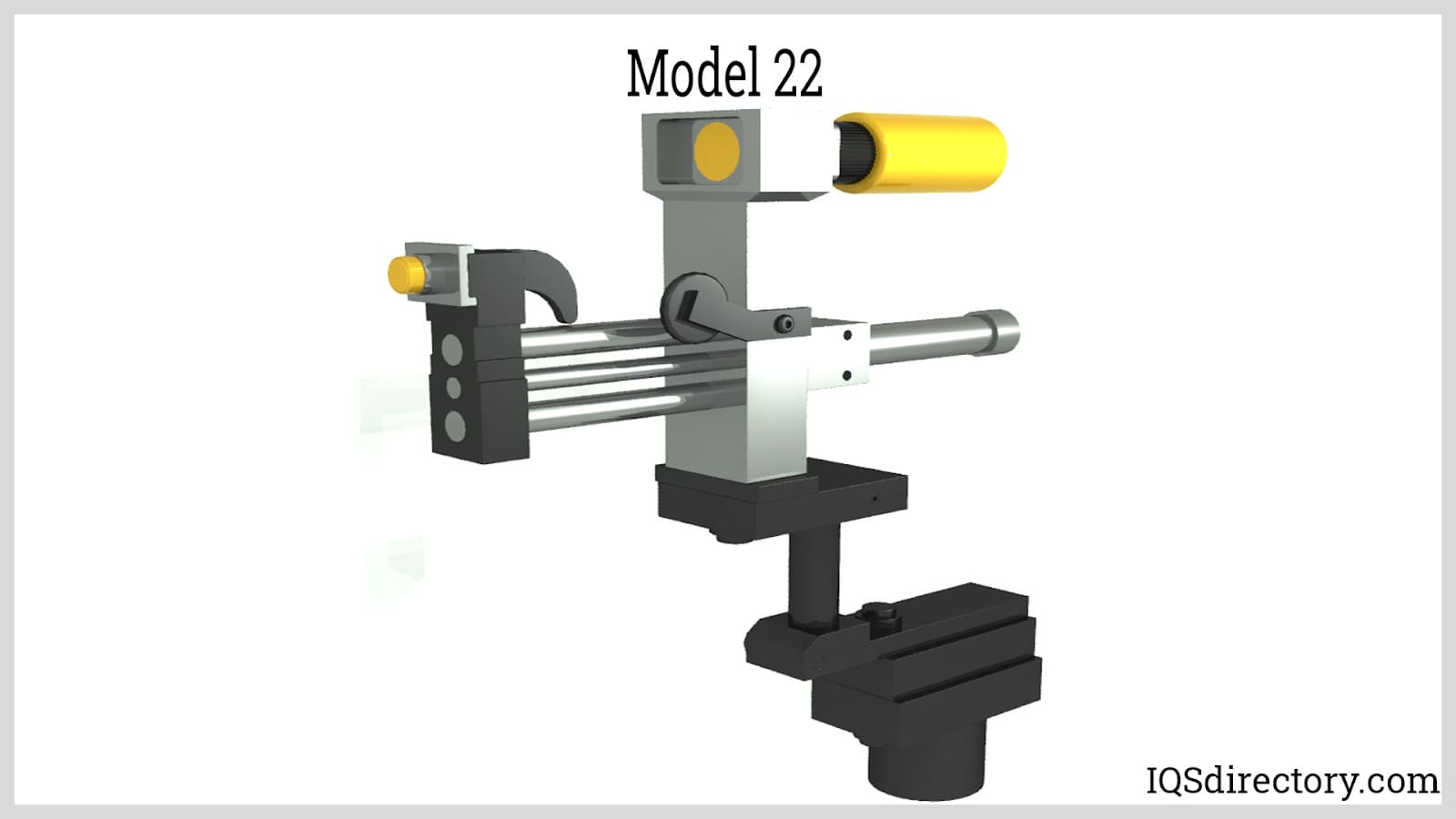
Marking Machinery: Types and Overview
This article presents all the information you need to know about Marking Machinery. Read further and learn more about: Overview of Marking Machinery Marking…
7 chapters, the longest in this category
Quick Answers
- How many packaging equipment manufacturers are listed on IQS Directory?
- 4 leading manufacturers and 67 additional suppliers.
- Where are packaging equipment manufacturers located?
- The listed suppliers are in 26 states and provinces: California (12), Illinois (6), Ohio (6), Wisconsin (5), Indiana (4), Pennsylvania (4), Florida (3), Missouri (3), and 18 more.
- How do I get quotes from packaging equipment suppliers?
- Select suppliers in the table and choose Request Quotes. IQS reviews your request and forwards it to every supplier you select.
Packaging Equipment
Packaging equipment refers to the different machines used to enclose, protect, label, seal, and prepare products and materials for storage, sale, distribution, and end use. Also called packaging machinery, this equipment automates the packaging process so manufacturers can reduce labor costs, improve line speed, increase throughput, and achieve more consistent packaging quality. From primary packaging that directly encloses a product to secondary and tertiary systems that support bundling and pallet-ready shipment, modern packaging equipment plays a major role in manufacturing efficiency, product protection, shipping readiness, and brand presentation.
The History of Packaging Equipment
Benefits of Packaging Equipment
Packaging equipment provides numerous advantages. It increases productivity, enabling manufacturers to package products and goods faster, more consistently, and with better precision. The integration of CAD and CNC controls gives greater process control and accuracy. Automated packaging machinery ensures correct product counts, which is helpful for applications like small fastener kits, reducing errors and minimizing losses due to miscounts. This also helps ensure customers receive complete shipments. Additionally, packaging equipment improves workplace safety by reducing manual handling and associated risks. For companies comparing manual packaging to automated packaging systems, the gains often include stronger repeatability, more uniform seals, cleaner label placement, faster order fulfillment, and better overall packaging line efficiency.
Another advantage is scalability. As production needs grow, many businesses can expand from a single packaging machine to a more integrated packaging system that includes fillers, sealers, labeling equipment, case packing machinery, and end-of-line handling equipment. This makes automated packaging a practical option for both high-volume manufacturing plants and smaller operations that want to improve packaging speed, reduce waste, and create a more professional presentation for retail or industrial distribution.
Packaging Equipment Design
When designing or choosing a packaging system, manufacturers evaluate important factors such as technical requirements, labor needs, compatibility with existing operations, available floor space, energy consumption, packaging quality standards for industries like food and pharmaceuticals, efficiency, and operational run-times. They may also review changeover needs, sanitation requirements, packaging material compatibility, product fragility, output targets, and the level of automation needed to support present and future demand.
Manufacturers can build systems using a single machine, multiple types of packaging equipment, or several units of the same machine type. Most systems include primary, secondary, and tertiary packaging machines. Primary packaging machines handle the first layer of packaging, secondary machines group individual packages into larger bundles, and tertiary packaging equipment prepares bulk packages for distribution. When buyers research packaging line design, they often ask which combination of machines will best support speed, seal quality, package appearance, operator access, and maintenance efficiency.
Manufacturers can customize systems to fit specific applications, or customers can choose standard, off-the-shelf models or modified used equipment to meet their needs. In either case, the goal is to create a packaging solution that supports reliable operation, protects the product, fits the production environment, and aligns with shipping, storage, and customer handling requirements.
Types of Packaging Equipment
To meet diverse packaging requirements, there are many types of packaging equipment. These are commonly categorized by their packaging method, with main types including filling machines, sealing machines, and vacuum packaging machines. Depending on the product, a packaging line may also include bagging machines, labeling equipment, strapping systems, shrink packaging machinery, case packers, and form fill seal equipment. Buyers searching for the right machine often compare production volume, package style, material type, product flow characteristics, and whether they need a stand-alone unit or a fully integrated packaging system.
Filling Machine Filling machines take pre-made packages and fill them with a specified number of parts, whether it is one large item or many smaller ones. A bagging machine is a specific type of filling machine designed for bags made from flexible materials like paper or plastic. Bagging machines are ideal for liquid packaging and are commonly used for chemicals such as solvents and acids, as well as beverages like soft drinks. Many filling systems are selected according to product viscosity, accuracy requirements, container style, and target output per minute. Sealing Machine Sealing machines close and seal packaging after products are placed inside, making the packaging airtight. Heat sealers are a common type, using heat and pressure to seal thermoplastic materials like shrink wrap. They are widely used in food packaging for bakery goods and produce, as well as for pharmaceutical packaging. Other variants include bag sealers. Companies evaluating sealing equipment frequently look at seal strength, dwell time, package appearance, film compatibility, and line speed. Vacuum Packaging Machine Vacuum packaging machines are widely used for industrial and food applications. They remove atmospheric oxygen from the package and then seal it, creating an airtight environment. This method is also commonly used to seal electronics, like cameras, into waterproof packaging. Vacuum packaging is especially useful when shelf life, moisture control, and product preservation are top purchasing considerations. Strapping Machine Strapping machines secure items with straps—long, narrow strips of strong material, typically plastic—to bundle or contain products. They address packaging needs similar to other types of equipment by holding items together for storage or transport. These machines are often used in warehousing, shipping, distribution, and end-of-line packaging where load stability matters. Laminating Machine Laminating machines apply a thin plastic film to items like credit cards, ID badges, papers, brochures, and presentation documents to protect them and provide a professional finish. They use a heating element to bond lamination on both sides and are available for both bulk and individual use. Labeling Equipment Labeling equipment adds labels to packaging for product identification, pricing, usage instructions, barcodes, shipping details, or tamper evidence. This equipment ranges from large industrial machines for high-volume labeling to handheld applicators for small business use. Accurate labeling supports traceability, inventory control, compliance, and a cleaner finished package. Fill Machine Fillers are designed to dispense precise amounts of materials into containers. They can handle finished products like glass bottles, liquids, or industrial materials such as palletized plastics. Fillers are often used in conveyor systems and vary in design for liquid or solid filling applications. The "form fill seal" (FFS) process is popular, where the machine forms a container or bag from flat material, fills it, and seals it. Another method, filling capping sealing, involves filling bottles, capping, and sealing them in one process. These integrated approaches help reduce handling steps and improve overall production flow. Case Packing Case packing machines are specialized for handling cases of various sizes and volumes, enabling manufacturers to pack products efficiently and uniformly. After packing, a case sealer ensures the contents are secure. Common types include top load, side load, and robotic case packers, which can be integrated with palletizers for high-volume operations. This makes case packing equipment useful for operations that need dependable ship-ready packaging. Shrink Packaging Machinery Shrink packaging, or shrink wrap, uses heat to shrink plastic film tightly around products. This method can be applied to a wide range of products, utilizing either large machines or handheld heat guns. It is often chosen for bundling, display packaging, tamper visibility, and product containment. Air Packers Air packers use air pressure to blow bulk materials into bags via a fill spout. They are ideal for quickly and efficiently filling fine powders such as sand, cement, charcoal, and toner. For bulk material handling, air packers can support fast cycle times and cleaner fill performance. Auger Packers Auger packers use a screw-type mechanism to feed materials into bags through a fill spout. They are suitable for packaging fine, non-abrasive powders like flour, powdered sugar, and dried milk. They are often selected when measured dispensing and controlled product flow are needed. Bagging Machines Bagging machines place objects into bags, which are then sealed and prepared for shipment. Depending on the application, they may be used for food products, hardware, industrial parts, powders, or retail-ready goods. Food Packaging Equipment This type of packaging machinery is designed specifically for the packaging of food products rather than by the method of packaging. Food packaging systems are often chosen with sanitation, sealing reliability, product freshness, and packaging speed in mind. Form, Fill and Sealers (FFS) These machines shape flat or v-folded materials into a container or bag, fill it with product, and then seal it. FFS machinery is widely used because it combines multiple packaging steps into one continuous process. Heat Sealers Equipment that uses heat to seal packaging materials. Heat sealing is common in flexible packaging applications where clean seals and repeatable closure quality are required. Hot Air Sealers Continuous motion bag sealers that use heated air to seal containers or packaging. These machines are often chosen for faster-paced packaging lines that need steady operation. Impulse Sealers Small, often manual devices with a heating element that generates heat to seal packaging materials when pressed together. They are commonly used in lighter-duty or bench-top packaging environments. Packaging Machinery General term for equipment used to wrap, seal, and pack goods for shipping and distribution. The term can refer to individual machines or complete automated packaging lines. Packaging Systems Integrated systems consisting of two or more packaging machines working together as a unit. These systems are often designed to improve workflow, reduce bottlenecks, and support more consistent output. Pharmaceutical Packaging Packaging equipment designed for the unique requirements of the pharmaceutical industry, including filling and sealing medication containers. These systems are often chosen for accuracy, cleanliness, traceability, and compliance-driven packaging processes. Rotary Sealers Machines that seal packages using continuous rotary motion. Rotary sealing equipment is often used when a packaging line needs efficient continuous movement. Used Packaging Equipment Previously owned machinery that has been used for protecting or enclosing products and materials. For some buyers, used machinery offers a faster and more budget-friendly path to adding capacity.Packaging Equipment Applications
Products and parts require packaging for several reasons, including physical protection, containment, easier handling, and portion control. Packaging protects fragile items such as glass or porcelain from extreme temperatures, vibration, and pressure. Food products also need packaging to create a barrier against contaminants like dust and moisture. In many industries, packaging also supports cleaner storage, easier inventory movement, and better product presentation for wholesale, retail, or direct shipment.
Containment packaging is often used for storage and to improve the efficiency of handling products in retail. For example, packaging machinery is helpful for packaging items like sugar, which must be contained to manage its granules effectively and to make handling simpler. Similar packaging requirements apply to powders, hardware, agricultural goods, chemicals, electronic components, medical products, and consumer items that need dependable containment and organized shipment preparation.
Beyond physical protection, automated packaging equipment enables packaging methods, like tamper-evident seals, that cannot be achieved manually. By installing packaging systems, industries can streamline both small-scale and bulk packaging processes. Sectors that benefit include pharmaceuticals, food technology, electronics, chemical processing, manufacturing, and agriculture. If a company is asking how to improve packaging consistency, reduce shipping damage, or increase packaging speed, the answer often begins with choosing the right combination of automated filling, sealing, labeling, and case packing equipment.
Packaging Equipment Safety and Compliance Standards
Your region, industry, and shipping requirements will determine which safety and compliance standards your packaging machinery and processes must meet. International standards, such as ISO’s guidelines for packing machinery (ISO 55.200), cover areas like labeling, branding, filling, marking, sealing, and more. In the United States, the American National Standards Institute (ANSI) provides voluntary standards for non-retail packaging equipment. If your business operates in or exports to the European Union, compliance with EN standards is necessary. For detailed guidance on applicable standards, consult your equipment supplier or an industry expert. Buyers in food packaging, pharmaceutical packaging, and other regulated segments often review machine guarding, sanitation, validation needs, labeling requirements, and documentation support before making a purchasing decision.
Things to Consider When Purchasing Packaging Equipment
Packaging Equipment Terms
Common Questions
7 questions
What Is Packaging Equipment Used For?
Packaging equipment automates the process of enclosing, protecting, labeling, filling, and sealing products for storage, sale, and shipping. It helps improve consistency, reduce labor costs, support faster production, and increase packaging efficiency across industries such as food processing, pharmaceuticals, manufacturing, chemicals, and consumer goods.
How Did Packaging Equipment Develop over Time?
Packaging equipment developed from manual packaging methods that used natural materials and simple containers into highly automated machinery controlled by advanced engineering systems. Major progress took place during the Industrial Revolution and throughout the 20th century, when filling, sealing, pouch-making, bottle-making, and form-fill-seal machinery became more widely available.
What Are the Main Types of Packaging Equipment?
Main types of packaging equipment include filling machines, sealing machines, vacuum packaging machines, labeling equipment, strapping machines, shrink wrap systems, bagging machines, case packers, and form-fill-seal machinery. Each type is designed to handle a specific stage of the packaging line, from product containment to shipment preparation.
What Are the Benefits of Automated Packaging Machinery?
Automated packaging machinery improves speed, accuracy, repeatability, and output while helping reduce manual handling and packaging variation. It supports more reliable counts, cleaner seals, better presentation, improved workplace safety, and more efficient high-volume production with less downtime.
Which Industries Use Packaging Equipment the Most?
Packaging equipment is widely used in food processing, pharmaceuticals, electronics, chemicals, agriculture, industrial manufacturing, and consumer product production. These industries rely on packaging systems to protect goods from damage, contamination, moisture, and handling stress while improving shipping and shelf readiness.
What Safety and Compliance Standards Apply to Packaging Equipment?
Applicable standards depend on the region, product type, and shipping requirements. Packaging machinery may need to align with ISO, ANSI, or EN standards that address machine safety, labeling, sealing, marking, and operating performance, especially in regulated industries such as food and pharmaceutical packaging.
Is Used Packaging Equipment a Reliable Option?
Used packaging equipment can be a practical and cost-conscious option when it comes from a reputable supplier and has been properly inspected or refurbished. Many businesses choose used machinery to shorten lead times, manage capital costs, and add production capacity without buying new equipment.