
- 6 leading manufacturers
- 26 additional suppliers
- 23 states and provinces
- 17 related categories
- 12 guide sections
Mezzanine Manufacturers and Suppliers

IQS Directory provides a comprehensive list of mezzanine manufacturers and suppliers. Use our website to review and source top mezzanine manufacturers with roll over ads and detailed product descriptions. Find mezzanine companies that can design, engineer, and manufacture mezzanines to your companies specifications. Then contact the mezzanine companies through our quick and easy request for quote form. Website links, company profile, locations, phone, product videos and product information is provided for each company. Whether you are looking for manufacturers of mezzanine stairs, portable mezzanines, custom mezzanines of every type, this is the resource for you.
Suppliers located in CA, ON, IN +20 more states
Contents (6 sections)
Leading Mezzanine Manufacturers
Showing all 6
| Placement No. | Manufacturer | Location | Contact | Actions | |
|---|---|---|---|---|---|
| 1 | Abtech, Inc.As a manufacturer of mezzanines, including inplant modular offices, exterior steel buildings, guard buildings, fork liftable and crane liftable buildings, multi-level buildings and mezzanines, Abtech offers turnkey installations or packages for install by end user. Our modular structures are constructed of steel, are free-standing & manufactured under strict quality control methods. | Santa Ana, CA | |||
| 2 | Equipment Roundup ManufacturingSince 1982, Equipment Roundup Manufacturing has manufactured products such as mezzanines. Our mezzanine structures include mezzanine systems, mezzanine floors, industrial mezzanines & plant mezzanines. Like other customers, you will discover the difference our enthusiastic can-do attitude brings. We help you discover solutions to problems you may not have considered. Your success is our success. | Vancouver, WA | |||
| 3 | PWIAre you looking for a ready-to-use mezzanine? Our team can handle the design and installation so that when we're done, it is ready for you to go to work. When you choose PWI we maximize your workspace, and in many cases customers create new work or additional storage space. Our steel mezzanines are an affordable alternative to new construction and ensure you are getting the most out of your existing space. We help you conquer your space. | Nappanee, IN | |||
| 4 | Donobrog, Inc.Since 1985, Donobrog has been providing low cost easy mezzanines, inplant offices, pick modules, pallet racking and shelving systems…. “Turn Key – New and Used”. Sales, Engineering, Fabrication and Installation. Our labor also can tear down, move, re-assemble and repair existing storage systems. Contact us to discuss your facility improvements. | Salem, IN | |||
| 5 | Cornerstone Specialty Wood Products, LLCResinDek® flooring is the solution for mezzanines, work platforms, pick module flooring, and equipment storage. ResinDek® panels have been installed in distribution centers, manufacturing plants, cold storage facilities and many other applications because of its strength, durability, versatility, and variety. | Cincinnati, OH | |||
| 6 | Panel Built, Inc.Panel Built is a manufacturer and distributor of industrial mezzanines and other storage and equipment platforms for many industries. Our products are built for durability and long-lasting performance. Panel Built products are bolt-together wide-span frames designed and detailed for installation and functionality. Use your imagination to design a mezzanine for your needs. | Blairsville, GA |
Claim your Page One Spot
Leading mezzanine manufacturers are listed first on this page, each with a website preview and a Request a Quote button on its row.
Additional Mezzanine Companies
The category’s other mezzanine companies are listed on their own page, with location, phone and website where each supplier provides them.
View 26 Additional Mezzanine CompaniesDo not see your company listed in Mezzanines?
Engineers and buyers use this page to find mezzanine suppliers. Add your company to the Mezzanines listings so they can find you too.
List Your Company- Listed in the Mezzanines directory
- A profile page for your company
- Buyers contact you directly
Mezzanine Industrial Manufacturing Guides
Mezzanine: Types, Uses and Installation
This article takes an in depth look at mezzanines. You will learn: What is a Mezzanine? What are Mezzanines used for? How to Install a Mezzanine Important…
7 chapters, the longest in this category
Quick Answers
- How many mezzanine manufacturers are listed on IQS Directory?
- 6 leading manufacturers and 26 additional suppliers.
- Where are mezzanine manufacturers located?
- The listed suppliers are in 23 states and provinces: California (4), Ontario (3), Indiana (2), Massachusetts (2), Pennsylvania (2), South Carolina (2), Alabama (1), Connecticut (1), and 15 more.
- How do I get quotes from mezzanine suppliers?
- Select suppliers in the table and choose Request Quotes. IQS reviews your request and forwards it to every supplier you select.
Mezzanines
Mezzanines are elevated structures designed to maximize space efficiency within a facility. Constructed from a variety of materials, these raised platforms offer a practical solution for businesses facing space limitations, allowing them to expand usable areas without the need for extensive building construction or structural expansion. Often open and un-walled, mezzanines provide additional storage, workspace, production support, or operational areas while maintaining the flexibility to adapt to changing business needs, changing inventory levels, and future workflow improvements.
Note: An industrial mezzanine should not be confused with a mezzanine card, which is a type of printed circuit board assembly used in electronic systems. In warehouse, distribution, manufacturing, and commercial environments, the term mezzanine refers to an intermediate platform or floor system used to create more usable square footage inside an existing building.
Applications of Mezzanines
Mezzanines serve a wide range of functions, from storage solutions to operational and structural enhancements. They can be used to store unused materials, provide elevated work platforms for equipment, create designated walking space for facility guests, support order fulfillment, or accommodate seating in auditoriums. Additionally, mezzanines offer adaptable floor space that can serve as either a ceiling or a floor for office areas, production support zones, packing stations, and inventory overflow.
For instance, a small in-plant office can be built beneath a mezzanine, where the mezzanine floor simultaneously acts as the office ceiling and a storage platform. Conversely, an office can be constructed at mezzanine level, freeing up the space below for storage, workspace, or other operational needs. This versatility makes mezzanines an ideal solution for maximizing efficiency in facilities with limited space and for businesses asking practical questions such as how to add warehouse space without moving or how to create office space inside a plant.
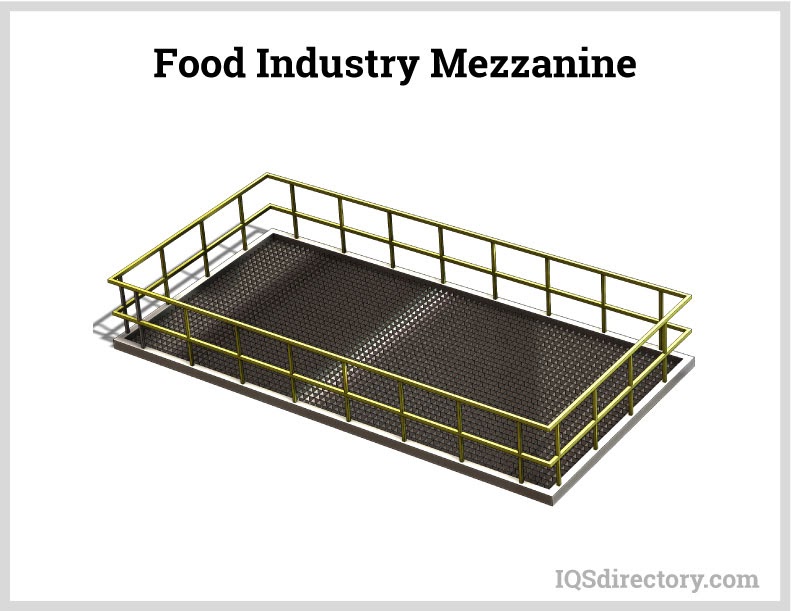
Mezzanines are widely utilized by manufacturers, suppliers, distributors, and service companies across various industries. Common sectors benefiting from mezzanine installations include food service, storage, manufacturing, agriculture, aerospace, retail, education, transportation, healthcare, and outdoor recreation. Any operation that needs more usable vertical space, safer workflow separation, or better material handling can benefit from a well-designed mezzanine system.
History of Mezzanines
The word mezzanine comes from French, which in turn derives from the Italian mezzanino, a diminutive of mezzano, meaning middle. This etymology reflects the mezzanine’s function as an intermediate level within a structure.
Mezzanine platforms have been used in various forms for centuries. Before the Industrial Revolution, they were most commonly found in theaters, providing additional seating or viewing areas. By the mid-1800s, as department stores emerged, mezzanines became a popular way to create additional retail space, maximizing floor usage without requiring full-scale expansion.
Following the Industrial Revolution, mezzanines became an important component of manufacturing and warehousing. Structures such as warehouse mezzanines and storage mezzanines were introduced to support industrial operations, allowing for more efficient use of vertical space, better separation of processes, and improved flow of goods and personnel.
Today, mezzanines continue to be widely used across multiple industries. Advancements in materials and construction techniques have made them more affordable, easier to install, and highly adaptable to various applications, reinforcing their value as a cost-effective space optimization solution for modern warehouses, plants, and commercial facilities.
Mezzanine Design Considerations
- Steel plates are used for decks that must withstand heavy loads. However, steel is both heavy and expensive, leading to higher construction costs, so it is usually chosen when strength, durability, and concentrated load performance matter more than initial price.
- Aluminum plates are an alternative for lighter load applications, as they are easier to maintain and significantly lighter than steel, making them useful in facilities that value corrosion resistance and washdown-friendly surfaces.
- Fiberglass decks are ideal for corrosive environments where moisture or chemicals may compromise traditional materials, especially in food processing, water treatment, and selected chemical handling applications.
- Particle board is the most commonly used decking material due to its cost-effectiveness. It is made by bonding multiple layers of board together and is suitable for dry environments where decks do not need to support heavy point loads, making it common in storage mezzanines and office-support platforms.
Advantages of Mezzanines
There are numerous advantages to investing in mezzanines, making them a valuable addition to any facility.
One of the most significant benefits is the ability to maximize space efficiency. Installing a mezzanine effectively doubles the capacity of the area in which it is placed. For businesses requiring even more space, manufacturers can install three-tier or triple-deck mezzanines, allowing operations to continue without the constraints of limited floor space or the expense of relocating to a larger building.
Mezzanines are also highly versatile, offering solutions for storage, office space, and work areas. Their only real requirement is a high ceiling, which is a common feature in most industrial facilities. This adaptability makes them an ideal choice for businesses seeking flexible space solutions that can be customized to meet specific operational needs, future growth plans, and changing inventory or staffing demands.
For companies looking to expand working and storage areas without the high costs of traditional construction, mezzanines provide an ideal alternative. Unlike permanent structural modifications, mezzanines are installed rather than built into the entire facility, meaning they can often be integrated into a warehouse or industrial building within a matter of days.
The modularity, versatility, and wide range of configurations available for mezzanines make them an excellent space management solution. Many mezzanine systems are designed to be highly modular, allowing them to be disassembled, expanded, reduced, or relocated as needed. This flexibility helps businesses continue optimizing their space efficiently while adapting to new processes, higher throughput, or facility reconfiguration.
Used Mezzanines
Used mezzanines may show signs of wear and tear from previous use, but they are typically structurally sound and can be refurbished or modified to meet specific needs. Whether for expanding storage capacity in a warehouse or creating additional office space, used mezzanines provide a practical and budget-friendly alternative for businesses looking to maximize space efficiently. However, while they offer cost savings, there are also drawbacks to consider when deciding between a used or new mezzanine.
Advantages of Used Mezzanines:
- Cost Savings: One of the biggest advantages of used mezzanines is the significant cost savings they provide. Purchasing a used mezzanine is typically much more affordable than buying a new one, making it a strong option for businesses operating on a tight budget or seeking lower-cost expansion solutions.
- Quick Installation: Used mezzanines are often already assembled or partially disassembled, allowing for a faster and more efficient installation process. This can help businesses save time and minimize disruptions compared to the longer lead times often associated with a new steel mezzanine.
- Versatility: Available in a variety of sizes and configurations, used mezzanines offer flexibility to meet different space requirements. They can be modified or adapted to fit unique layouts, allowing businesses to customize the mezzanine to their specific needs.
- Sustainability: Choosing a used steel mezzanine promotes environmental sustainability by repurposing existing structures that would otherwise go to waste. This supports circular economy practices by reducing material waste and extending the lifespan of industrial mezzanine systems.
Disadvantages of Used Mezzanines:
- Limited Availability: Finding a used mezzanine that matches exact specifications can be challenging. The availability of used mezzanines varies depending on market conditions and specific size and feature requirements, making it difficult to secure one in a timely manner.
- Wear and Tear: Since used mezzanines have already been in service, they may show signs of wear and tear. While most used warehouse mezzanines remain structurally sound, some may require repairs or refurbishments to support safety and longevity. These additional modifications could increase overall costs and delay installation.
- Potential Incompatibility: A used warehouse mezzanine may not be precisely tailored to a business’s space or operational needs, leading to compatibility issues. Adjustments or modifications may be necessary to fit the mezzanine into the existing layout, which can add complexity and unforeseen expenses.
- Limited Warranty: Unlike new mezzanines, used mezzanines often come with limited or no warranty coverage. If issues arise after purchase, the buyer may be responsible for all repairs or replacements, such as fixing a worn-out non-slip coating or addressing other metal fabrication concerns.
When weighing the advantages and disadvantages of a used mezzanine, businesses should carefully evaluate their specific needs, budget, timeline, and long-term growth plans. Deciding whether to search for a used mezzanine or invest in a new one depends on factors such as availability, customization requirements, engineering needs, and overall cost-effectiveness.
Mezzanine Accessories
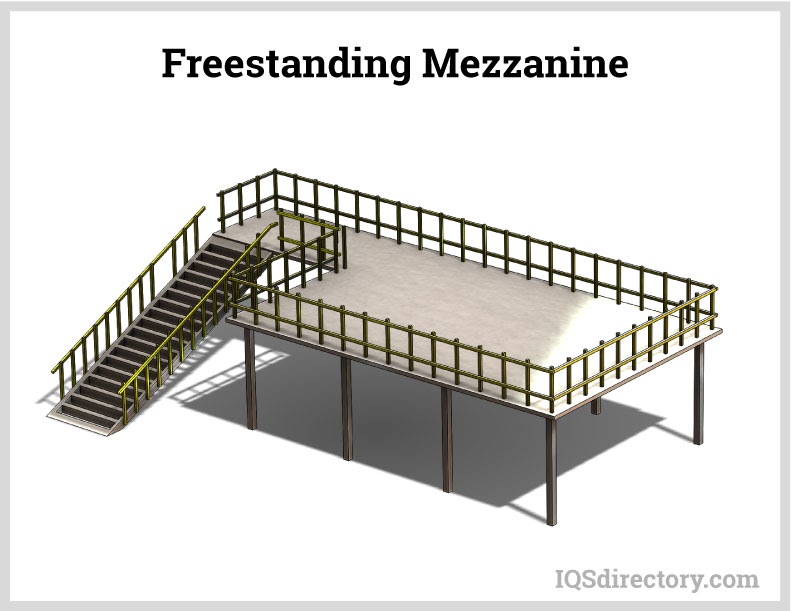
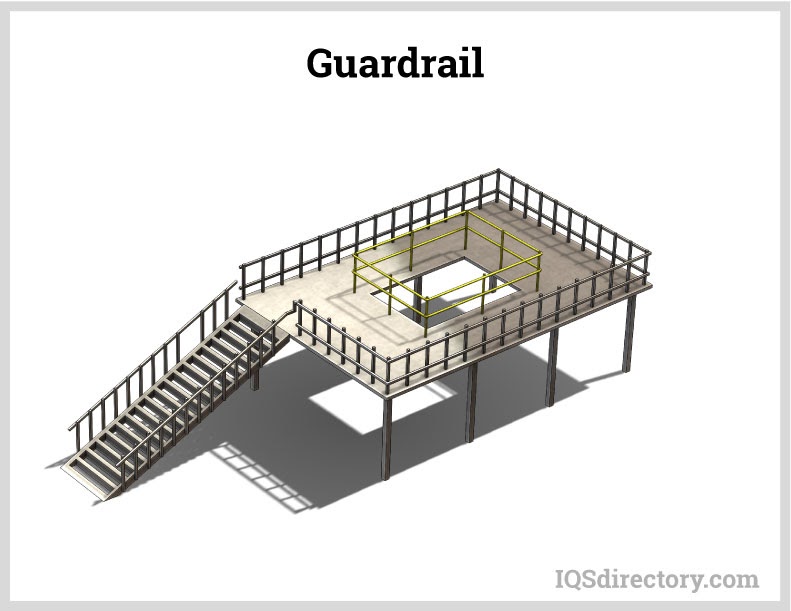
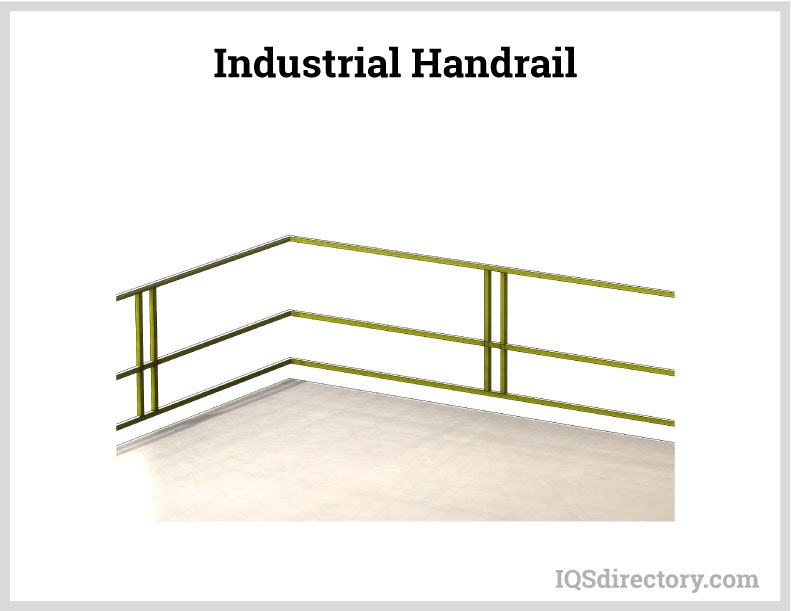
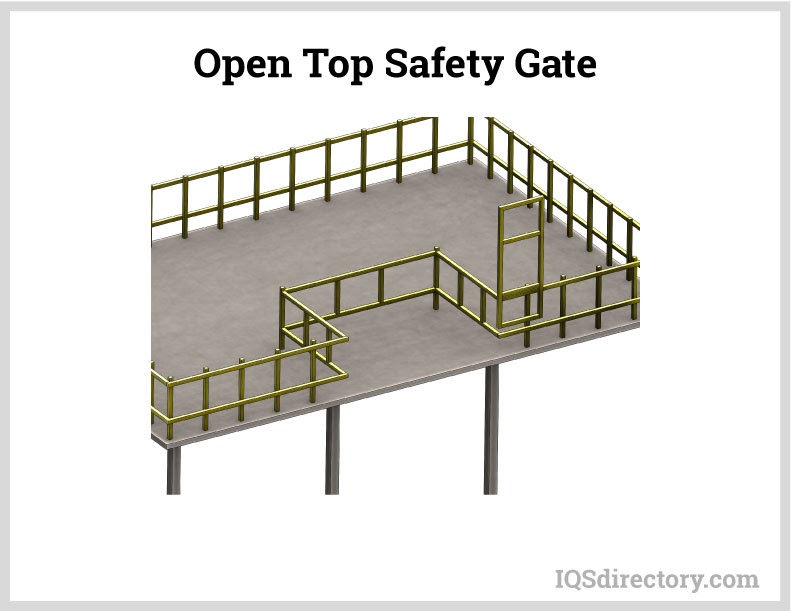
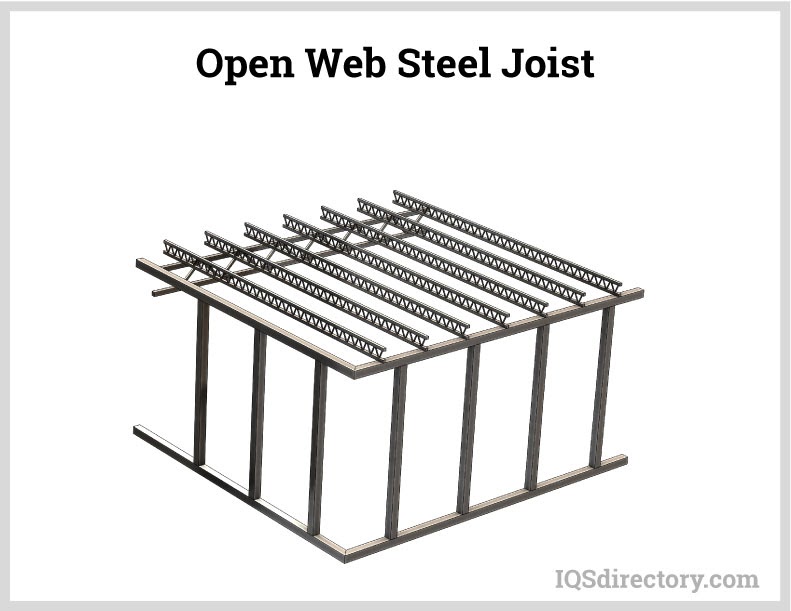
Various accessories can enhance the functionality, safety, and accessibility of a mezzanine. Some examples include OSHA-compliant stairs, ADA-certified railings, public access railings, bar gates, bar joists, specialized decking, and additional shelving. These components can improve structural performance, provide safer access, or increase storage capacity, depending on the specific needs of the facility.
The suitability of any accessory depends entirely on the intended application. To determine the best options for your mezzanine, consult with your manufacturer to discuss your specifications, operational requirements, traffic patterns, and compliance needs. This helps ensure that your mezzanine is customized to maximize efficiency, safety, and usability within your workspace.
Mezzanine Installation
Mezzanine installation varies depending on the specific needs of the application. Some mezzanines are designed as semi-permanent platforms, meaning they have their own load-bearing piers and do not place additional stress on the existing structure. These standalone mezzanines provide independent support, making them a versatile option for various facilities.
Alternatively, some mezzanine designs rely on the original structure’s load-bearing points for support. In these cases, the mezzanine is typically installed as an extension from the floor, integrating with the building’s existing framework to provide stability.
Mezzanines can be assembled on-site, allowing for customization and adjustments during installation. However, prefabricated mezzanines are constructed at the factory and then delivered in sections for final installation at the facility. This prefabrication process can reduce installation time, limit downtime, and minimize disruption to ongoing warehouse, manufacturing, or fulfillment operations.
Mezzanine Standards and Compliance
Strict guidelines govern the design and construction of mezzanines to ensure worker safety, as improperly built structures can pose significant hazards. These regulations are primarily established by the Occupational Safety and Health Administration (OSHA) to protect employees from workplace accidents. Failure to comply with these standards not only endangers workers but can also result in fines, rework, and legal consequences.
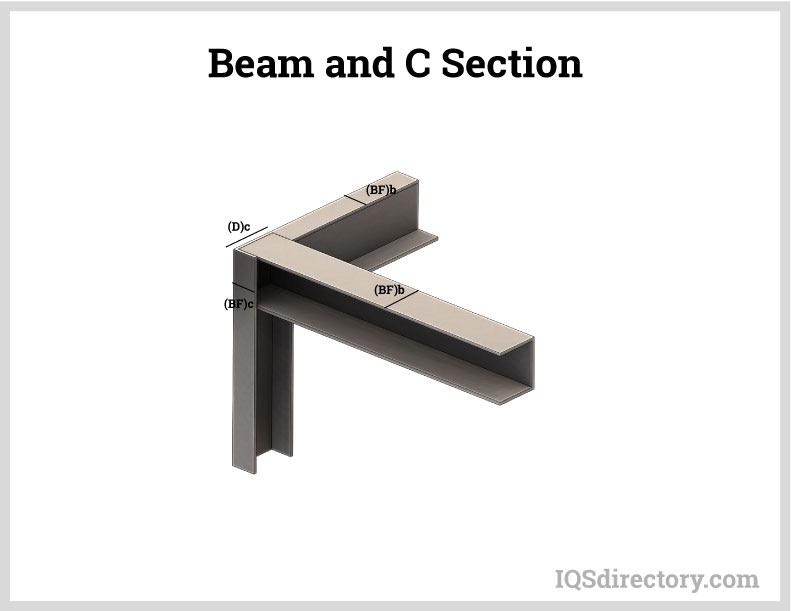
Mezzanine systems must be designed, constructed, and maintained in accordance with OSHA standards, as well as regulations set by the International Building Code (IBC) and the American Institute of Steel Construction (AISC). Additionally, depending on the facility’s location and the mezzanine’s intended use, compliance with other codes may be required, such as the Uniform Building Code (UBC) and the Americans with Disabilities Act (ADA). Ensuring adherence to these regulations helps maintain a safe, accessible, and legally compliant mezzanine structure.
Points to Consider When Selecting a Mezzanine
To ensure a suitable and long-lasting mezzanine, several key factors must be considered before making a final decision.
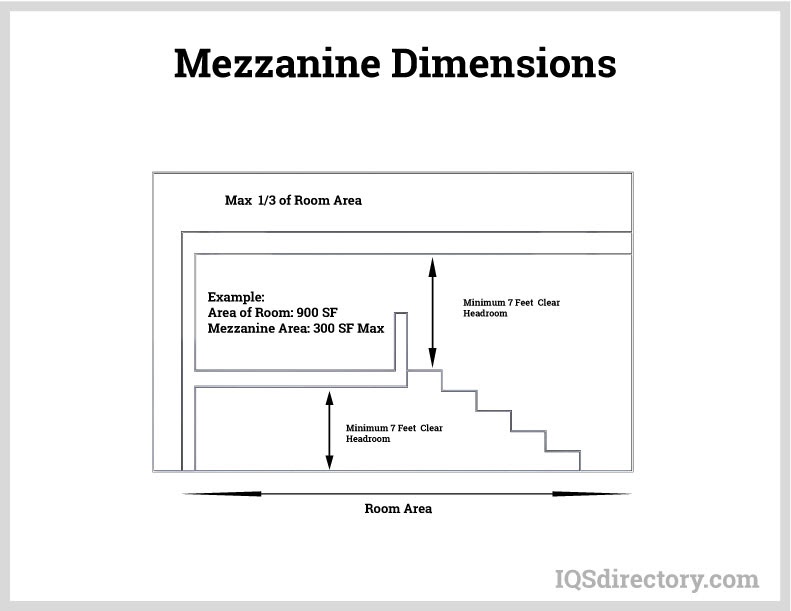
The first step is conducting a thorough evaluation of your requirements and the available space for installation. You must determine whether the mezzanine will serve as storage space, office space, or equipment support. Additionally, you need to assess the ceiling height, exact placement within the facility, overall available space, traffic flow, access points, and whether a single or multi-story structure is required.
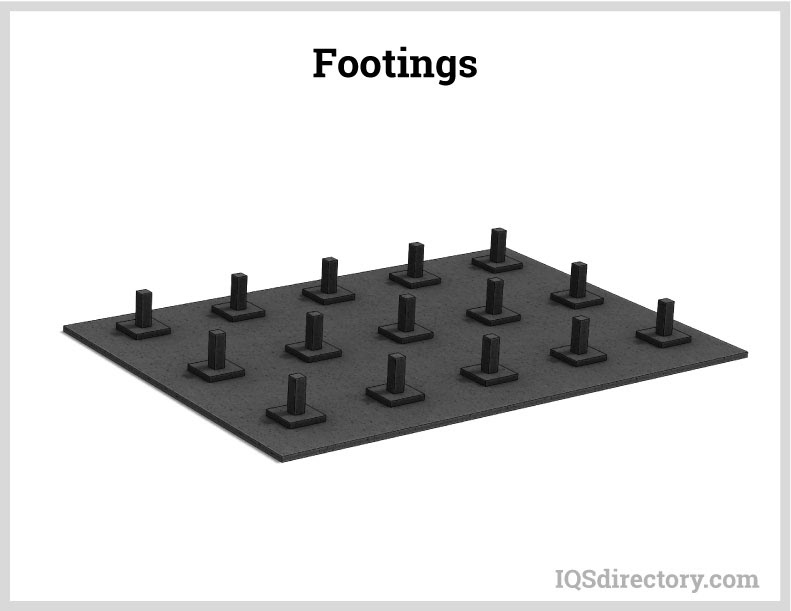
If You Have Enough Space Prefabricated mezzanines are the best option for facilities with ample space. These mezzanines are cost-effective, as they are mass-produced in standard modules, typically 10x10 ft. Depending on your needs, two or three modules can be installed to create the desired layout. Prefabricated mezzanines include framing, columns, and deck surfaces, while additional components such as electrical conduit, railings, staircases, gates, and kick plates can be selected individually and installed by a contractor. However, prefabricated mezzanines offer limited customization. Since they are pre-designed, users cannot modify important structural elements such as column placement or load capacity, which can affect overall performance and long-term suitability for specialized applications. If You Do Not Have Enough Space A custom-made mezzanine is the ideal solution when space is limited or specific design requirements must be met. Custom mezzanines start with on-site field measurements and detailed drawings, allowing for complete control over design, column placement, deck materials, railings, and additional structural features. While these decisions can be complex, they help ensure that the mezzanine is optimized for the facility’s exact needs. One of the most important factors in custom mezzanine construction is evaluating the facility’s slab to determine whether it can support the mezzanine or if additional footings are required. If the mezzanine will support heavy equipment, concrete footings are typically recommended for added stability. However, for storage and light-duty applications, base plates with additional bracing provide sufficient support. Once all requirements are determined, partnering with the right manufacturer helps ensure that your research and planning translate into a high-quality mezzanine system. A reliable manufacturer will collaborate with you from start to finish, tailoring the mezzanine to meet your specifications while maintaining durability and efficiency. To find a reputable manufacturer, consider those listed at the top of this page—each has a proven track record of expertise, professionalism, and customer-focused service.Mezzanine Images and Illustrations
Mezzanine Types
Mezzanine Terms
Common Questions
7 questions
What Is a Mezzanine and How Is It Used in Industrial Facilities?
A mezzanine is an elevated platform built within a building to increase usable space without major construction. In industrial facilities, mezzanines are used for storage, offices, work platforms, equipment support, order picking, or production areas, helping businesses maximize vertical space efficiently while improving layout flexibility.
What Materials Are Commonly Used to Construct Mezzanines?
Mezzanines are typically constructed from steel, aluminum, fiberglass, or wood composites. Steel is preferred for heavy loads and long spans, while aluminum and fiberglass are used for lighter-duty or corrosive environments. Particle board and composite decking are often selected for economical flooring in dry indoor settings.
What Are the Advantages of Installing a Mezzanine in a Warehouse?
Installing a mezzanine expands usable space without requiring new construction. It offers flexibility for storage, offices, inventory staging, or operations, and modular systems can be reconfigured or relocated, making them a smart option for warehouses and manufacturing facilities with limited floor space.
What Safety Features Are Required for Mezzanine Structures?
All mezzanines must include safety features such as guardrails, properly designed stairs, landings, and visible edge protection to reduce the risk of falls and slips. OSHA, IBC, and ADA requirements help guide safe access, structural performance, and compliance in industrial and commercial applications.
How Does a Prefabricated Mezzanine Differ from a Custom-Built One?
Prefabricated mezzanines are modular, cost-conscious, and quick to install but offer limited customization. Custom mezzanines are engineered to fit specific layouts, clearances, and load requirements, making them better suited for facilities with unusual footprints, traffic patterns, or specialized operational needs.
What Factors Determine the Load Capacity of a Mezzanine?
Load capacity depends on materials, column size, span, decking, bracing, and intended use. Engineers calculate both live and dead loads to help maintain structural integrity. Typical mezzanines support 50–250 pounds per square foot, though some industrial and equipment platforms are designed for heavier requirements.
Are Used Mezzanines a Good Option for Expanding Workspace?
Used mezzanines can offer cost savings and faster installation for businesses expanding storage or office areas. However, they may show wear, require modification, or need updated safety components, so inspection, engineering review, and proper refurbishment are important before reuse.