
Metal Washers: Types, Manufacturing & Materials
Contents (16 sections)
Looking to find and compare metal washer suppliers? See our Metal Washers Directory to request free quotes. This guide focuses on technical manufacturing, washer configurations, load distribution, and alloy selection.
Contact Companies
Please fill out the following form to submit a Request for Quote to any of the following companies listed on
Get Your Company Listed on This Power Page
Introduction
This article provides an in-depth analysis of industrial metal washers, hardware mechanics, and manufacturing processes:
- What is a Metal Washer?
- How Metal Washers are Manufactured
- Primary Uses (Load Distribution, Spacing, Sealing, Repair)
- Metals and Alloys Used in Washer Production
- Types of Washers (Plain, Lock, Spring, Specialty)
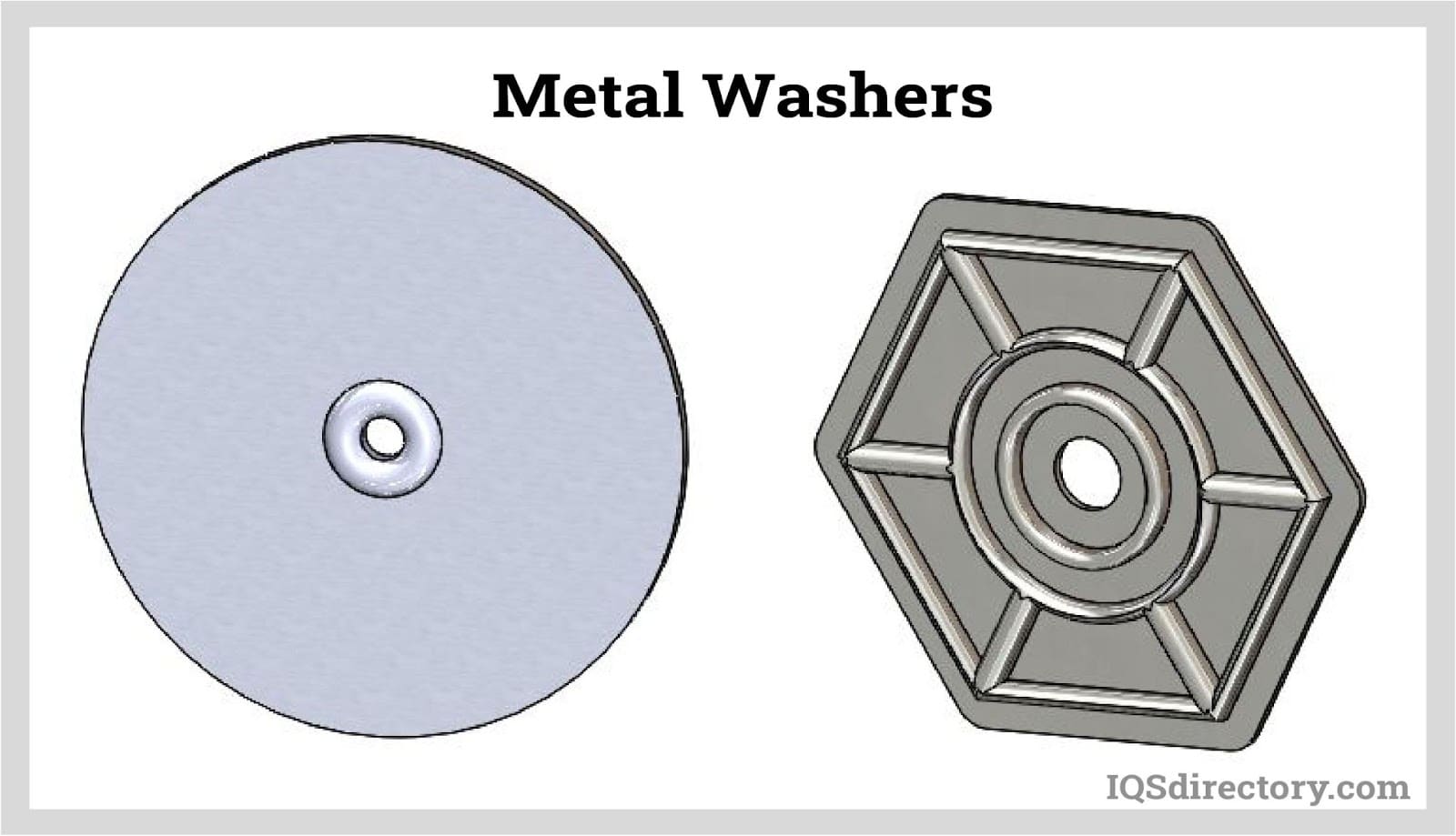
Chapter One – What Is a Metal Washer?
A metal washer is a small, flat metal disc with a central hole, primarily used as a spacer, shock absorber, surface protector, or load distributor for a fastener. The center hole in a metal washer accommodates the passage of a bolt or screw, helping create a secure fastening assembly while reducing friction, vibration, and wear. In many fastening applications, washers also improve joint stability by spreading clamping force across a wider surface area and preventing damage to softer materials.

The production of metal washers involves diverse materials, with galvanized carbon steel and stainless steel being the predominant choices. Depending on the application, manufacturers produce washers in brass, aluminum, copper, or specialized alloys to meet requirements for durability, conductivity, or environmental resistance.
Chapter Two – What Are the Uses for Metal Washers?
Metal washers are essential hardware components designed to distribute the load of a fastener—such as a screw, bolt, or nut—over a broader surface area for added security and longevity.
Primary Functions of Metal Washers
- Load Distribution: Spreads mechanical forces to prevent surface stress, crushing, or warping of mating materials.
- Spacing & Clearance: Fills gaps when bolts exceed hole depth or when components require axial alignment.
- Sealing: Bonded neoprene or rubber-faced washers prevent fluid and gas leakage in plumbing, HVAC, and engine systems.
- Joint Repair: Large outer diameter fender washers span damaged, rusted, or oversized holes to restore structural integrity.


Leading Manufacturers and Suppliers

Chapter Three – How Metal Washers Are Made
The production of metal washers relies heavily on high-speed metal stamping on mechanical or hydraulic power presses. Precision dies, particularly compound dies, allow manufacturers to punch the inner hole and shear the outer diameter in a single press stroke, ensuring maximum hole concentricity and minimal material scrap.

Frequently Asked Questions
What Is the Primary Function of a Metal Washer?
A metal washer mainly distributes the load of a fastener evenly across the material it is joined to, reducing surface stress and protecting against cracking, deformation, or damage.
How Are Metal Washers Manufactured?
Metal washers are typically produced using precision metal stamping. This process shapes sheet metal into washers with specialized dies, ensuring consistent dimensions and high-volume output.
What Materials Are Commonly Used for Metal Washers?
Common materials for washers include galvanized carbon steel, stainless steel, aluminum, copper, brass, and specialized alloys. Material selection depends on required strength, corrosion resistance, and application needs.
What Is the Difference between Flat Washers and Lock Washers?
Flat washers distribute load and prevent surface damage, while lock washers help prevent fasteners from loosening due to vibration, rotation, or torque.
Which Washer Material Is Best for Harsh or Marine Environments?
Stainless steel—especially grades like 304 or 316—offers excellent corrosion resistance, making it ideal for use in harsh, wet, or marine environments.
Can Metal Washers Be Custom Manufactured for Industrial and Local Applications?
Yes, metal washers can be custom fabricated with specific sizes, shapes, or materials. Custom manufacturing supports unique industrial or region-specific requirements.
Chapter Four - Leading Metal Washer Machinery
Industry-standard machinery lines across North America include:
- AIDA DSF Series Stamping Presses: High-precision servo stamping presses.
- Schuler MSP Series Mechanical Presses: High-speed mechanical presses designed for high-volume blanking.
- Haas VF Series Vertical Machining Centers: Vertical CNC centers for custom non-standard washer milling.
- Waterbury Farrel Four-Slide Machines: Four-slide forming systems minimizing raw stock waste.
- EBU Umformtechnik Screw Machines: Cold forming machinery for high-speed washer and ring cold heading.
Chapter Five – Metals Used to Make Metal Washers
Washer material options vary dramatically depending on mechanical load, temperature, and environmental exposure.
Comparison of Metals Used in Washer Manufacturing
| Metal / Alloy | Corrosion Resistance | Temp. Threshold | Key Characteristic | Best For |
|---|---|---|---|---|
| Stainless Steel (304/316) | Exceptional | High (Up to 1500°F) | Chromium passive oxide layer prevents rust | Chemical processing, marine, outdoor structural joints |
| Galvanized Carbon Steel | Moderate (Zinc layer) | Moderate | High tensile strength at low cost | Construction, heavy machinery framing, general hardware |
| Aluminum | High | Moderate | Lightweight, non-magnetic, high thermal conductivity | Aviation, electronics heat dissipation, automotive trim |
| Inconel Superalloy | Maximum Extreme | Extreme (Up to 2200°F) | Nickel-Chromium-Moly high-temp stability | Aerospace turbines, oil & gas subsea, chemical reactors |
| Copper & Brass | High (Anti-sparking) | Moderate | Ductile, soft, excellent electrical conductivity | Plumbing seals, electrical grounding, explosive environments |


Chapter Six – What Are the Different Types of Metal Washers?
Metal washers fall into three main mechanical categories: Plain Washers, Lock Washers, and Spring Washers, alongside specialized non-standard designs.
Comparison of Core Metal Washer Categories
| Washer Family | Mechanical Design | Primary Action | Key Sub-types |
|---|---|---|---|
| Plain / Flat Washers | Smooth flat circular disc | Spreads clamping force; protects surface from abrasion | Standard Flat, Fender, Torque, Countersunk, C-Washer |
| Lock Washers | Split ring or biting teeth | Prevents fastener back-off caused by dynamic vibration | Helical Split, Internal Tooth, External Tooth |
| Spring Washers | Curved or conical deflection form | Provides continuous tension during thermal expansion/contraction | Belleville Conical, Wave, Dome, Finger, Crescent |
| Specialty Washers | Non-standard outer/inner shape | Addresses unique joint geometry or custom mounting bars | Square Washers, Multi-Hole Lug Washers, Shoulder Washers |


Conclusion
Metal washers serve as critical load distribution, locking, and sealing elements across mechanical assemblies. Matching the appropriate washer geometry, material alloy, and thickness to the application environment guarantees joint stability and prevents premature mechanical failure.
Metal Washers Suppliers on IQS Directory
- American Industrial Company
- G&M Mfg. Corp.
- Quality Stamping & Tube Corp
- Crawford Manufacturing
- Jordan Manufacturing
- PrecisionX Group
View all Metal Washers suppliers · Request a quote for Metal Washers
Table of Contents

Loading Leading
Category Companies
Related Posts
Die Stamping
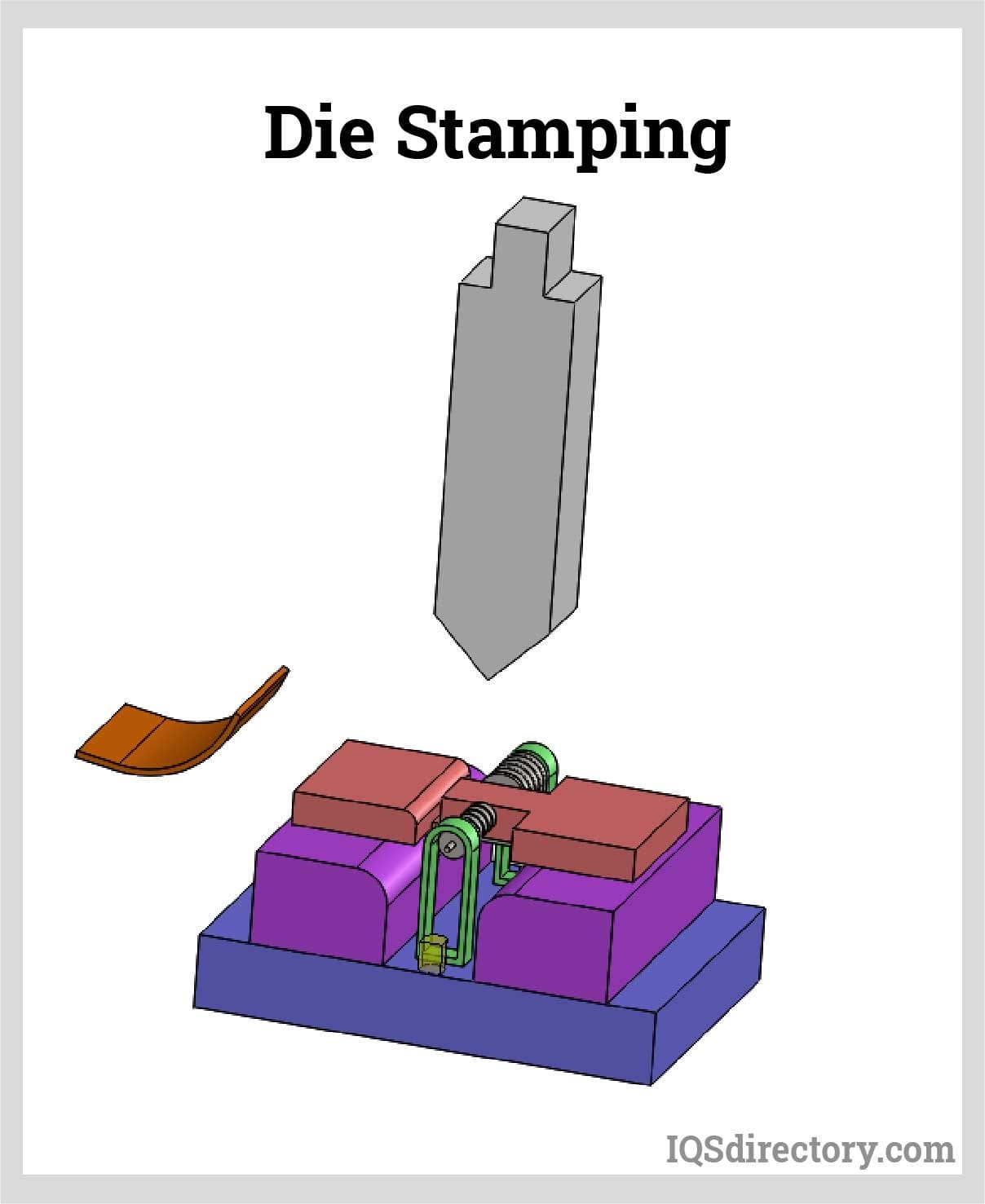
Die stamping cuts and shapes metal sheets using precision dies...
Eyelets
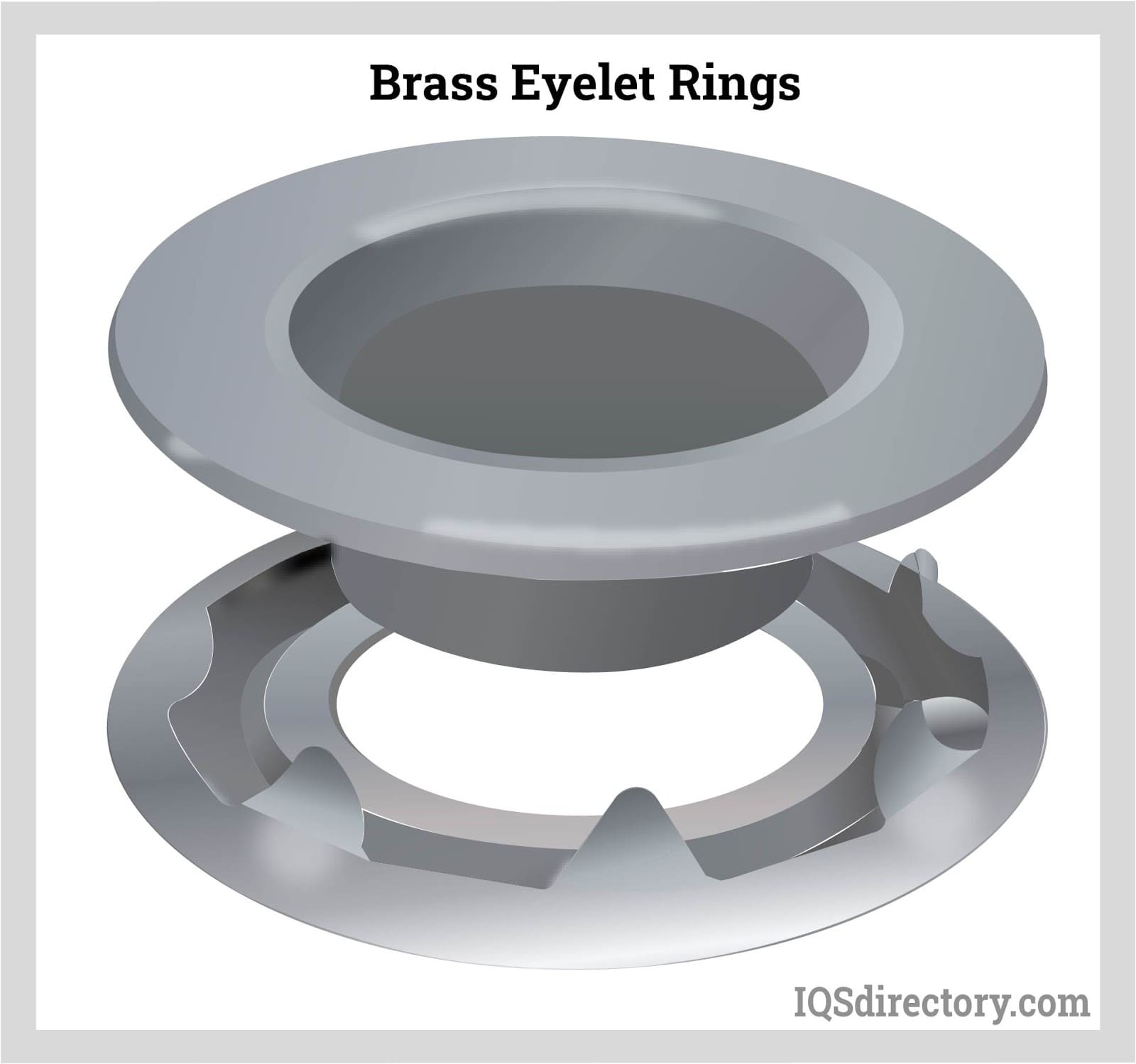
An eyelet reinforces holes in thin materials, offering durability and protection...
Metal Brackets
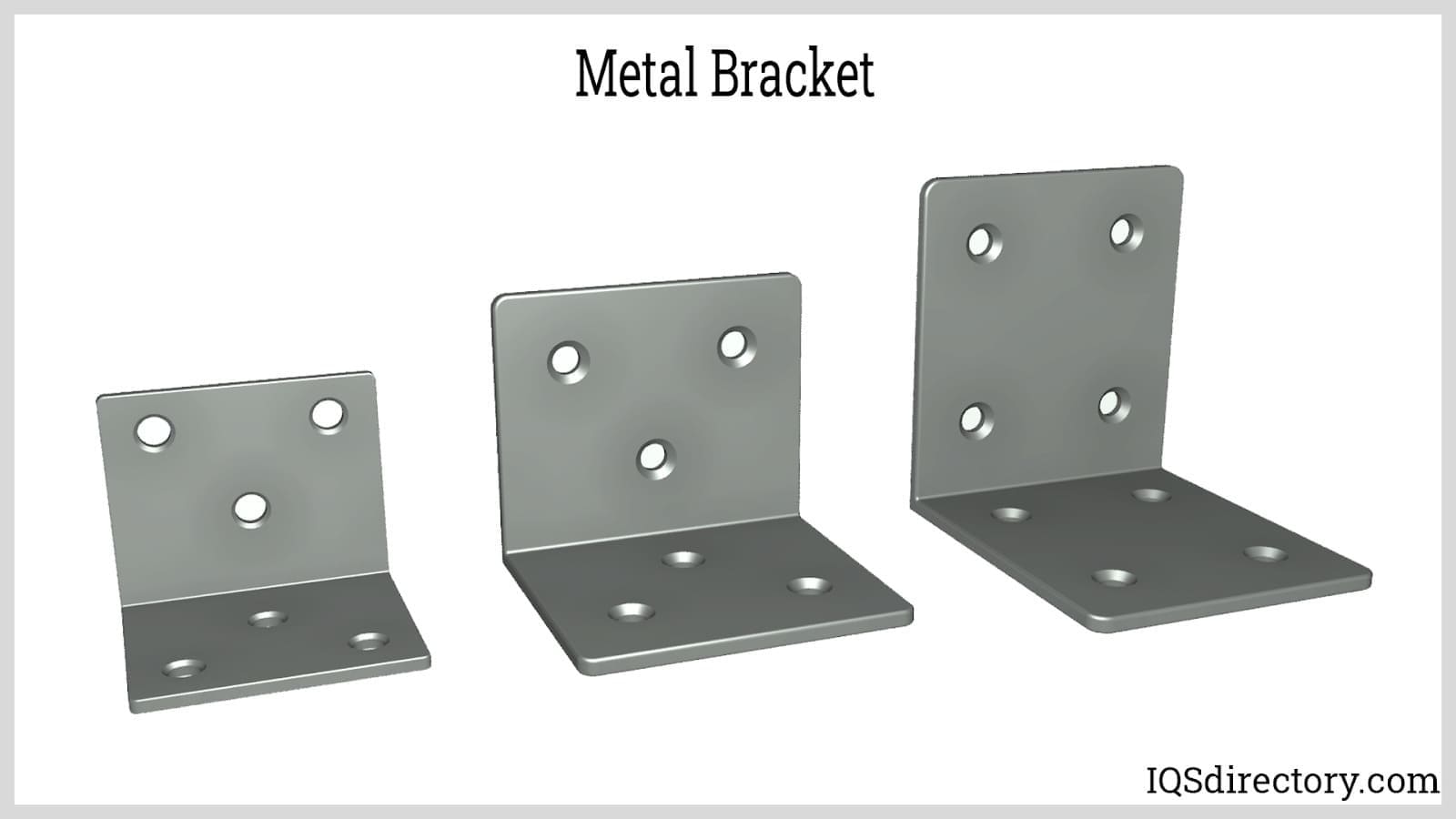
A metal bracket serves as a fastener or connector designed to secure objects together...