
Metal Bracket Manufacturing: Types, Materials & Design Guide
Contents (22 sections)
Looking to find and compare metal bracket suppliers? See our Metal Stamping Companies directory to request free quotes. This guide focuses on technical manufacturing, bracket designs, components, and material selection.
Contact Companies
Please fill out the following form to submit a Request for Quote to any of the following companies listed on
Get Your Company Listed on This Power Page
Introduction
This guide provides comprehensive information on structural metal brackets, hardware configurations, and production methods:
- What Is a Metal Bracket?
- Manufacturing Processes (Stamping, CNC, Laser, Extrusion)
- Metals Used in Bracket Production
- Structural Types and Design Configurations
- Industry Standards and Regulatory Compliance
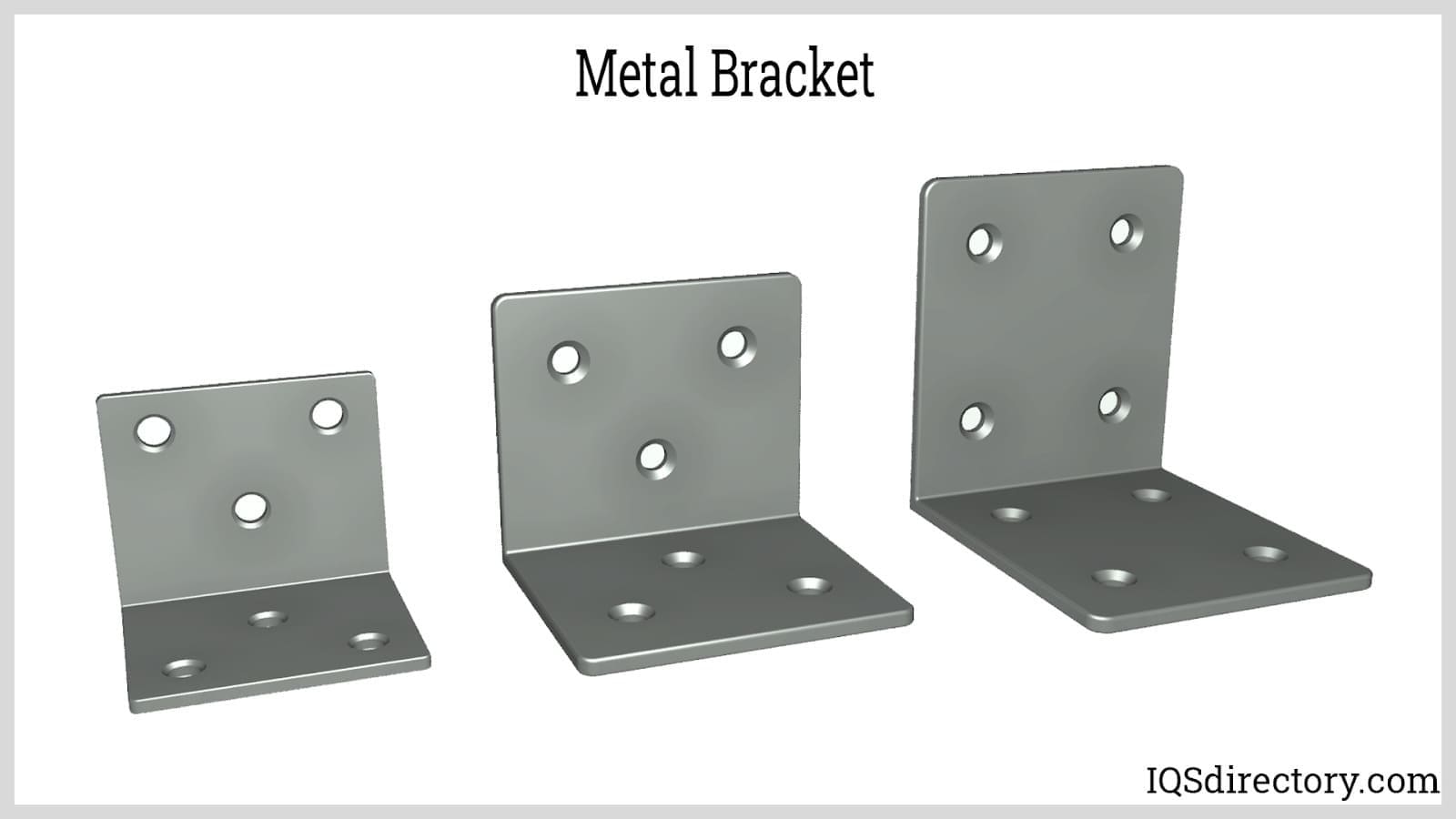
Chapter One: Understanding Metal Brackets
Metal brackets serve as fastening devices specifically engineered to secure, support, reinforce, and connect two or more elements. They are frequently employed to support shelving units, stabilize machinery, attach uprights, mount components, or add decorative touches in residential, commercial, and industrial applications. Metal brackets can feature holes, slots, countersinks, or threading for screw and bolt insertion.
Their production involves different techniques like CNC machining, metal stamping, casting, laser cutting, and sheet metal fabrication, allowing manufacturers to produce both standard brackets and custom brackets with precise tolerances and consistent quality.
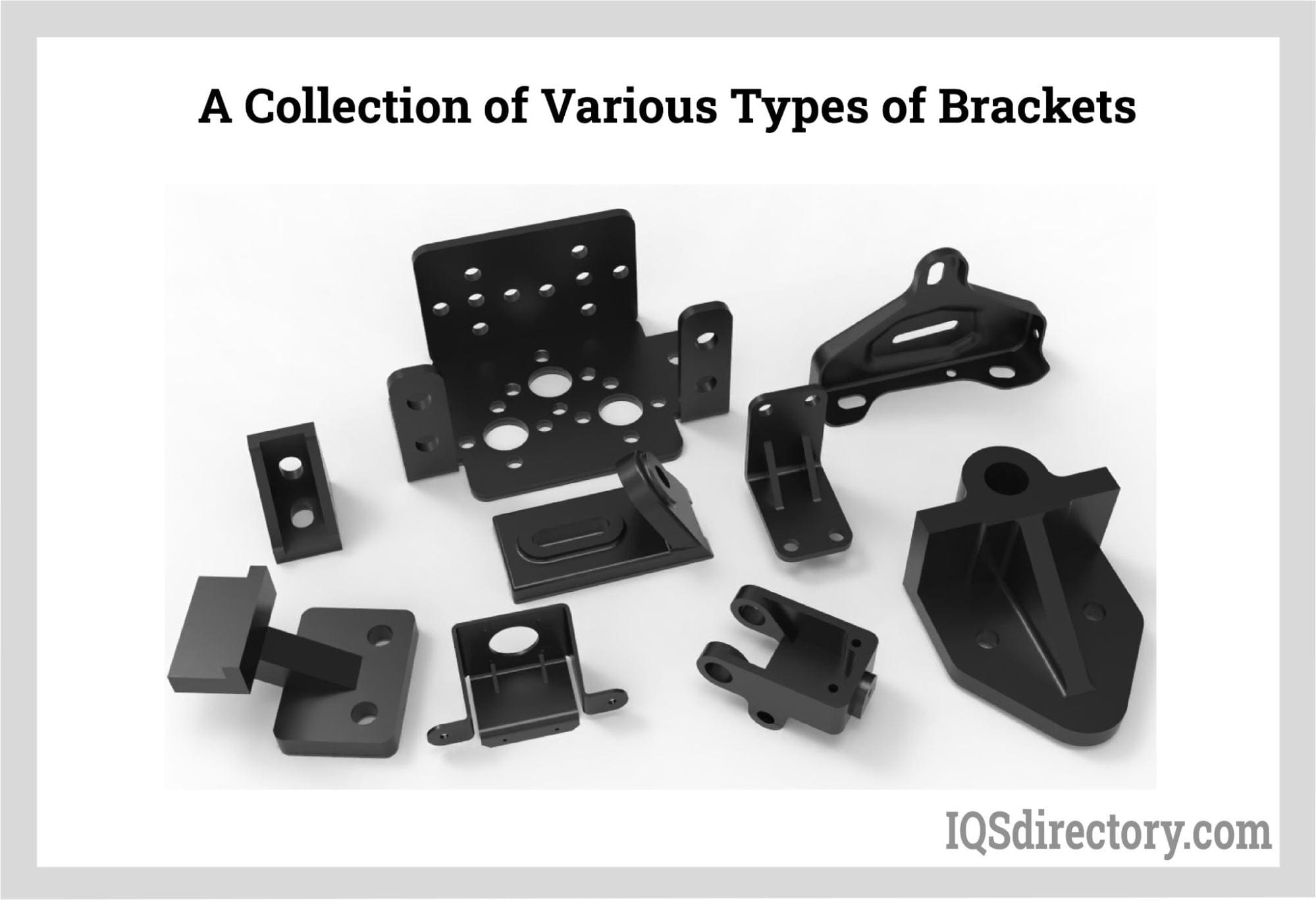
Chapter Two: How Metal Brackets Are Manufactured
The diverse styles, shapes, thicknesses, and metals of brackets necessitate various manufacturing methods, including casting, metal stamping, CNC machining, laser cutting, and metal extrusion.
Comparison of Metal Bracket Manufacturing Methods
| Fabrication Method | Tooling Investment | Production Speed | Design Flexibility | Best For |
|---|---|---|---|---|
| Metal Stamping | High (Dedicated dies) | Extremely High (Rapid cycle) | Moderate (Fixed die geometries) | Mass production of sheet metal brackets, mounting plates |
| CNC Machining | Low (No hard tooling) | Moderate | High (Full 3D CAD/CAM control) | Precision structural brackets, tight tolerances, complex blocks |
| Laser Cutting | None (Direct CAD vector input) | High | Exceptional (Instant profile changes) | Prototypes, custom flat bracket blanks, intricate hole patterns |
| Extrusion | Moderate (Extrusion die) | High continuous output | Fixed cross-section profiles | Long aluminum L/U angle rails, linear shelving supports |
| Casting | Moderate to High (Molds) | Moderate | High (Complex 3D organic shapes) | Heavy architectural handrail mounts, thick iron hardware |
Casting
Casting pours molten metal into molds to produce brackets with 3D geometries difficult to press from sheet metal.

CNC Machining
CNC machining transforms CAD files into G-codes for precision milling, drilling, and tapping of custom brackets with micron-level tolerances.
Stamping
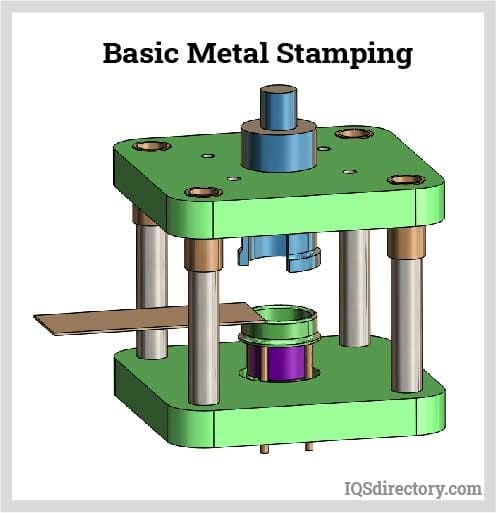
Press mechanisms (mechanical, hydraulic, servo) convert flat metal coils into complete formed brackets using progressive, transfer, fine blanking, or four slide stamping systems.

Extrusion & Laser Cutting
Aluminum extrusion creates continuous uniform cross-sections (like L or U channels), while high-powered laser cutting provides clean edges without expensive physical tooling.
Chapter Three: Leading Metal Bracket Manufacturing Machinery
Leading machinery across North America includes:
- Amada EMK 3610 NT Punch Press: High-speed CNC turret punching and embossing platform.
- Trumpf TruBend 5130: Precision CNC press brake for tight-tolerance bending operations.
- Bystronic Bystar Fiber Laser Cutter: Rapid fiber laser cutting for carbon steel, stainless, and aluminum.
- Haas VF-2SS Vertical Machining Center: High-spindle CNC center for secondary drilling, tapping, and milling.
- Mazak Integrex i-200S Multi-Tasking Machine: Consolidated multi-axis turning and milling center.
Leading Manufacturers and Suppliers

Frequently Asked Questions
What Are Metal Brackets Used For?
Metal brackets are fastening devices engineered to secure, support, reinforce, and connect structural elements across construction, automotive, aerospace, electronics, marine, and furniture industries.
Which Metals Are Commonly Chosen for Bracket Manufacturing?
Common metals include steel, stainless steel, aluminum, brass, copper, bronze, and titanium, selected based on load capacity, corrosion resistance, weight targets, and thermal performance.
What Are the Main Methods for Manufacturing Metal Brackets?
Primary fabrication methods include metal stamping, CNC machining, laser cutting, metal extrusion, and casting, depending on component complexity and production volume.
How Is Quality and Compliance Assured in Metal Bracket Production?
Metal brackets undergo strict dimensional and load checks, adhering to ISO 9001 quality frameworks, ASTM standards, OSHA safety directives, and environmental regulations like RoHS, REACH, and California Prop 65.
Which Advanced Machines Are Used for Metal Bracket Production?
Industry-standard machinery includes Amada EMK CNC punch presses, Trumpf TruBend press brakes, Bystronic fiber laser cutters, Haas vertical machining centers, and Mazak multi-tasking centers.
Chapter Four: Structural Components of Metal Brackets
Standard bracket anatomy comprises:
- Base Plate: The mounting surface anchoring the bracket to the wall or frame.
- Support Arm: The extension holding the load or secondary element.
- Mounting Holes: Stamped or drilled openings accommodating fasteners like bolts, screws, or rivets.
- Bracing (Gussets & Flanges): Welded or stamped diagonal stiffeners providing resistance to bending and torsion forces.

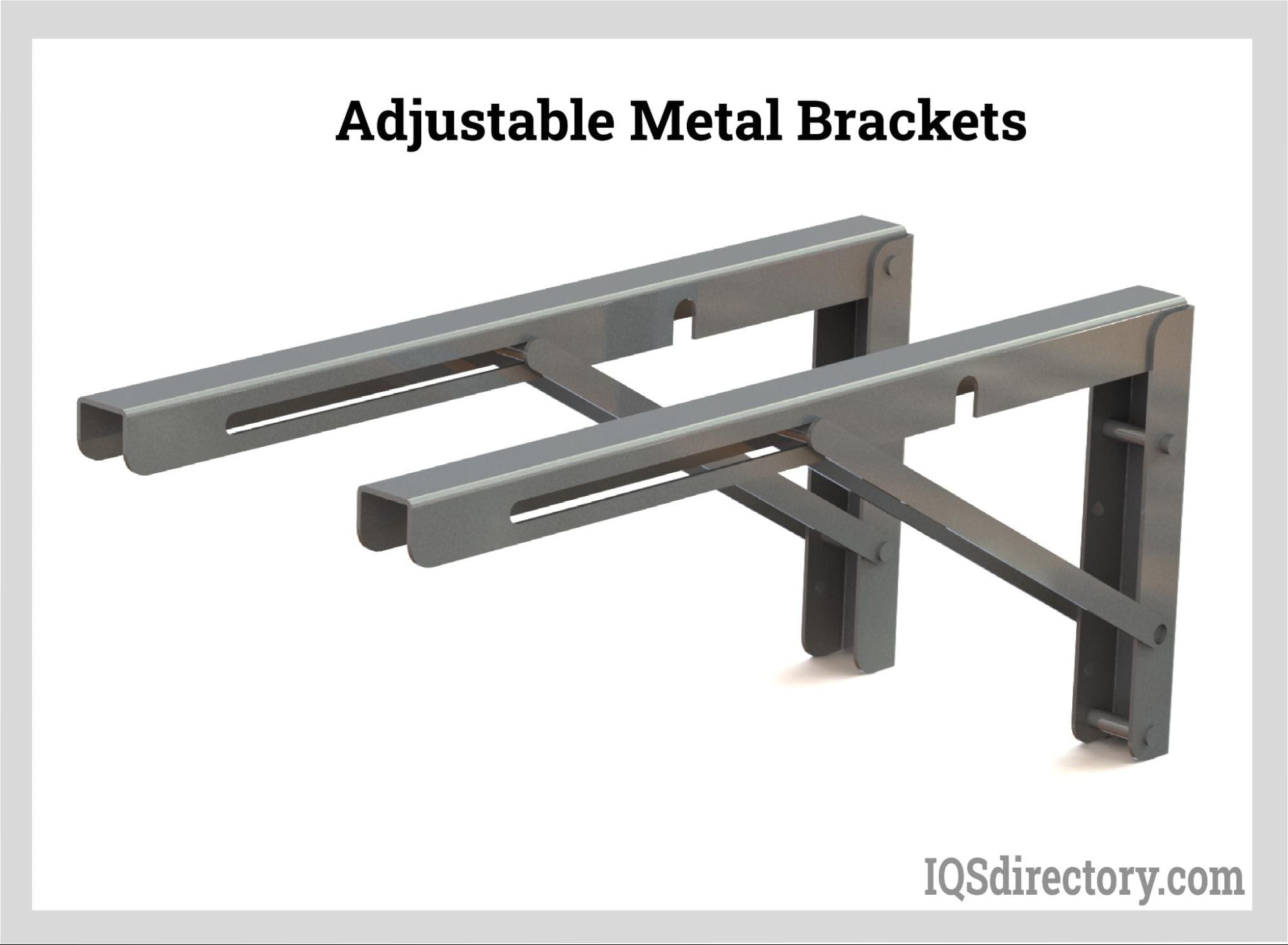
Chapter Five: Materials Used in Metal Brackets
Material choices dictate bracket performance:
- Steel & Stainless Steel: Standard carbon steel provides affordable structural support; stainless steel adds corrosion protection for marine and food applications.
- Aluminum Alloys: Lightweight and corrosion-resistant, ideal for aerospace and transit assemblies.
- Brass, Copper & Bronze: Selected for electrical grounding, plumbing, or decorative architectural hardware.
- Titanium: Exceptional strength-to-weight ratio and saltwater resistance for aerospace and heavy structural links.
Chapter Six: Types of Metal Brackets
Metal brackets are manufactured in diverse geometric shapes tailored to specific stress vectors.
Common Structural Metal Bracket Configurations
| Bracket Type | Geometry / Profile | Primary Function |
|---|---|---|
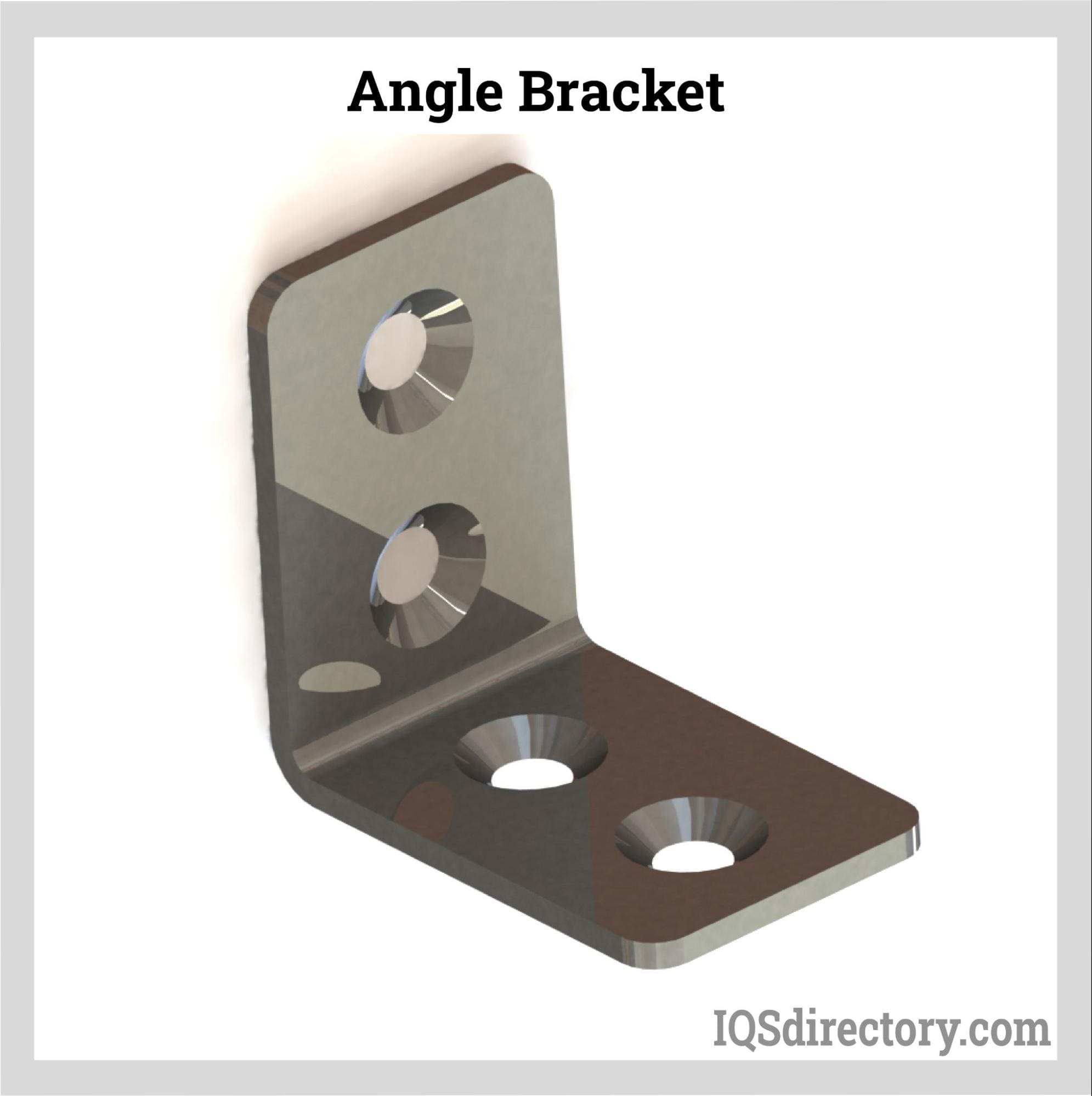
| Angle Bracket (L-Bracket) | 90-degree L-shape | Joining perpendicular surfaces, shelf mounting, corner reinforcement |
| Corner Bracket | Flat or angled corner plate | Strengthening right-angle frame joints in woodworking and furniture |
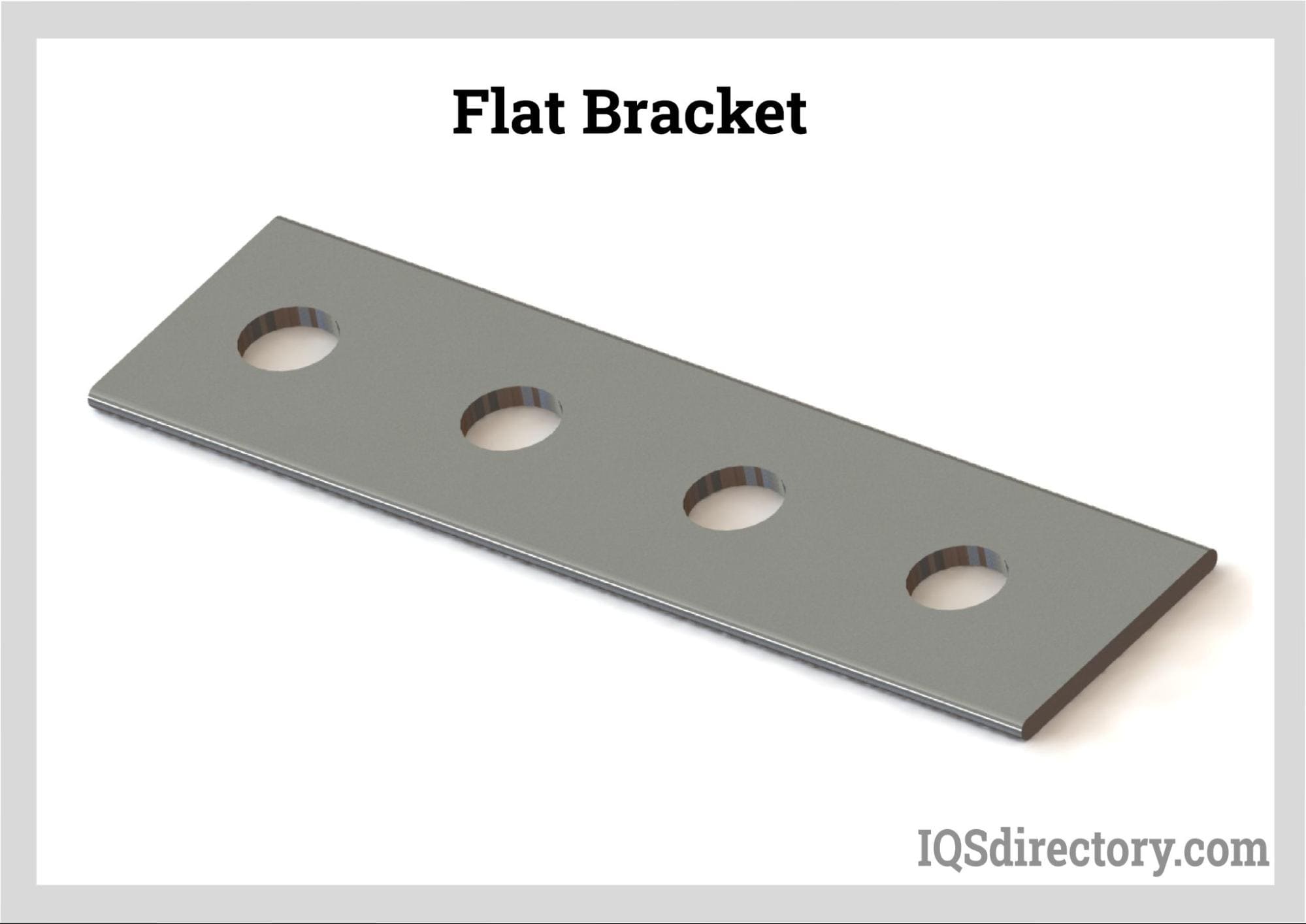
| Flat Bracket / Tie Plate | Flat rectangular strip | Splicing two coplanar beams or panels together flush |
| T-Bracket | T-shaped intersecting plate | Reinforcing three-way structural beam intersections and framing |
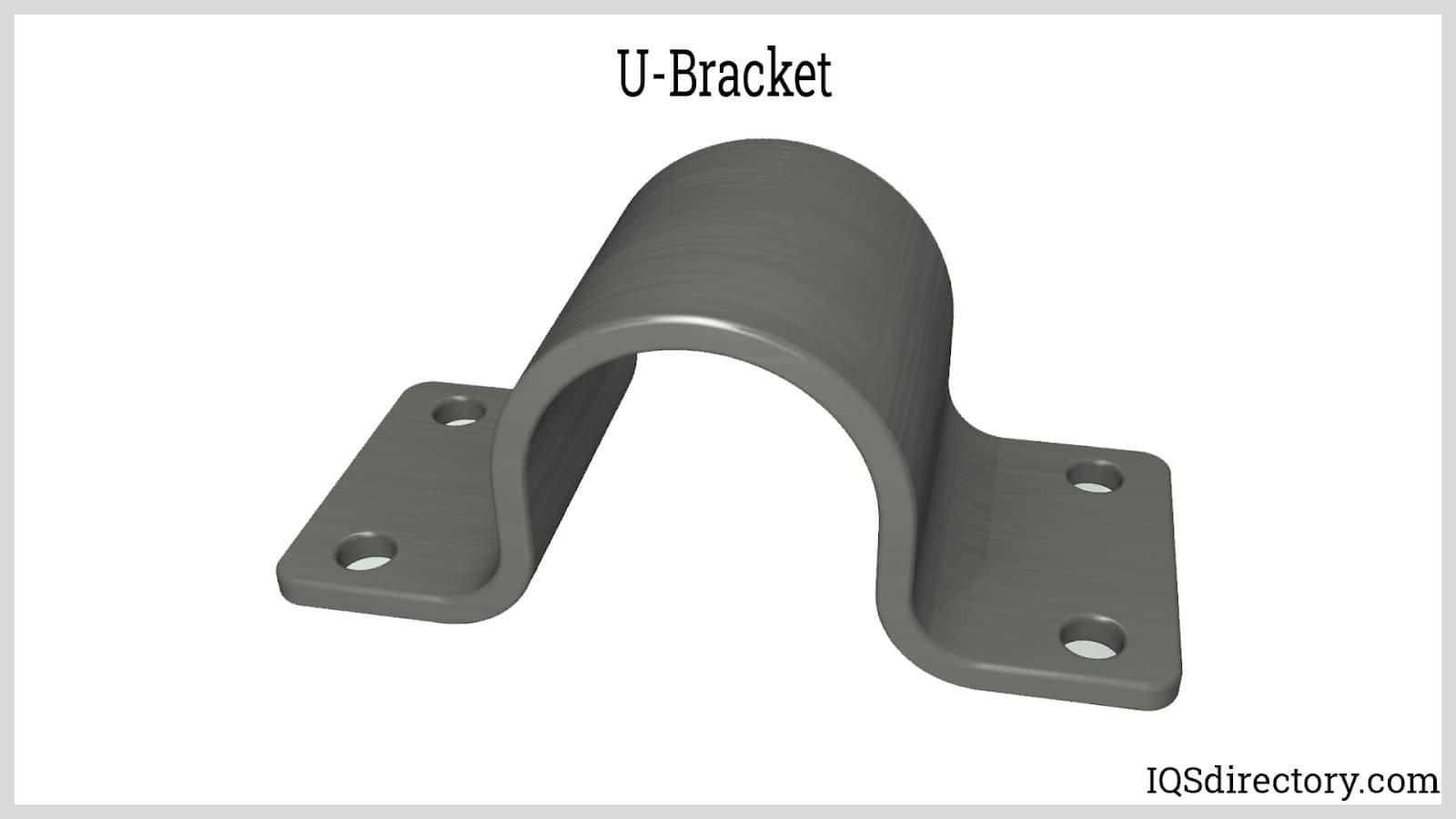
| U-Bracket / Channel Mount | U-shaped enclosure channel | Gripping flanges, holding tubing/conduits, beam clamping |
| Z-Bracket | Offset Z-profile | Mounting wall panels or suspending heavy equipment with offset gaps |
| Joist Hanger | Galvanized steel cradle | Anchoring floor joists and roof trusses under heavy shear loads |



Chapter Seven: Hardware Selection Considerations
Key selection parameters include maximum static/dynamic load capacity, environmental exposure (moisture, temperature extremes), mounting surface compatibility, durability, and cost efficiency.
Chapter Eight: Regulatory Standards
Bracket production adheres to ISO 9001 systems, OSHA safety standards, FDA criteria (food/medical contact), ASTM material standards, and toxic substance rules including California Prop 65, NYSDEC, TURA, EU RoHS, and REACH.
Chapter Nine: Benefits of Metal Bracket Hardware
Metal brackets offer outstanding durability, high load-bearing capacity, corrosion resistance (with coatings like zinc or powder coat), high thermal threshold, and tailored customizability.
Chapter Ten: Applications across Industries
Industries relying on brackets include automotive, aerospace, construction framing, industrial machinery, electrical enclosures, medical implants, marine vessels, and furniture hardware.
Chapter Eleven: Potential Limitations
Considerations include potential corrosion without protective coatings, added weight compared to plastics, and initial custom tooling costs.
Chapter Twelve: Future Trends
Emerging developments feature lightweight titanium-graphene alloys, additive manufacturing (3D printed topology-optimized brackets), smart IoT sensor integration, and eco-friendly recyclable alloys.
Conclusion
Metal brackets are vital structural fasteners across all major manufacturing sectors. Choosing the appropriate design shape, metal alloy, and fabrication methodology ensures maximum load reliability and long-term service performance.
Metal Brackets Suppliers on IQS Directory
- American Industrial Company
- G&M Mfg. Corp.
- Quality Stamping & Tube Corp
- Crawford Manufacturing
- Jordan Manufacturing
- PrecisionX Group
View all Metal Brackets suppliers · Request a quote for Metal Brackets
Table of Contents

Loading Leading
Category Companies
Related Posts
Die Stamping
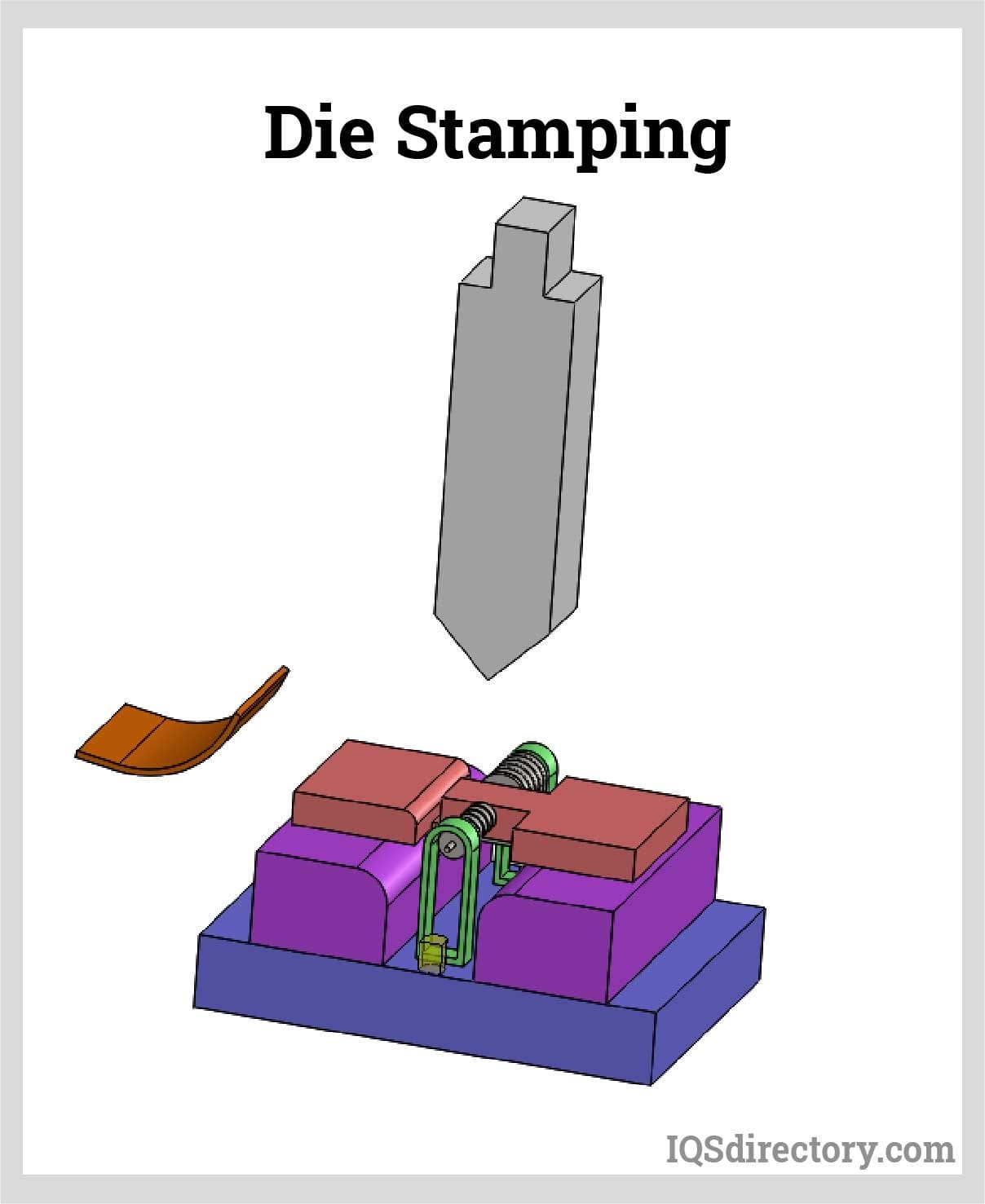
Die stamping cuts and shapes metal sheets using precision tooling dies...
Eyelets
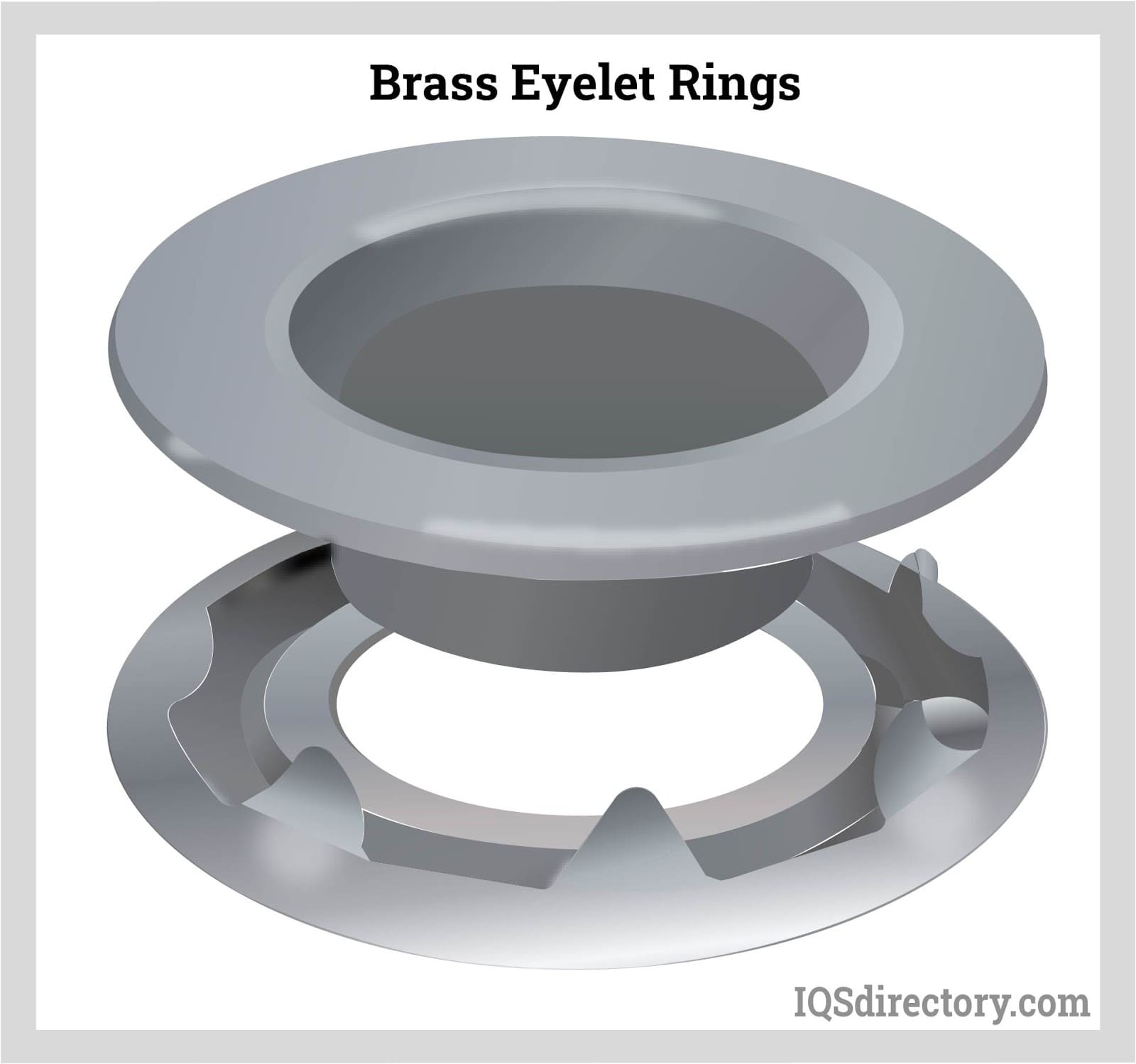
An eyelet reinforces holes in thin materials, providing durability and protection...
Metal Stamping
Metal stamping transforms metal sheets into specific shapes through controlled press operations...