
- 6 leading manufacturers
- 36 additional suppliers
- 17 states and provinces
- 13 related categories
- 8 guide sections
Quick Release Coupling Manufacturers and Suppliers

IQS Directory implements a thorough list of quick release coupling manufacturers and suppliers. Utilize our listing to examine and sort top quick release coupling manufacturers with previews of ads and detailed descriptions of each product. Any quick release coupling company can design, engineer, and manufacture quick release couplings to meet your companies specific qualifications. An easy connection to reach quick release coupling companies through our fast request for quote form is provided on our website. The company information includes website links, company profile, locations, phone, product videos and product information. This source is right for you whether it's for a manufacturer of hydraulic quick release, quick hose couplings, and quick connect couplings.
Suppliers located in OH, CA, IL +14 more states
Contents (6 sections)
Leading Quick Release Coupling Manufacturers
Showing all 6
| Placement No. | Manufacturer | Location | Contact | Actions | |
|---|---|---|---|---|---|
| 1 | Kent Rubber Supply Co.Kent Rubber Supply has been a trusted supplier of industrial couplings and fittings since 1946. Offering all of the connections that you need for your industrial fitting, securement, accessories, and industrial coupling needs. Using our up-to-date assembly process, we can confidently supply all your coupling and fitting solutions. | Grand Rapids, MI | |||
| 2 | VACCO Industries, Inc.At VACCO Industries, we take pride in being a trusted provider of precision-engineered solutions that serve demanding applications across aerospace, defense, and industrial markets. Our expertise extends to the design and manufacturing of quick disconnect couplings that are built to deliver reliable performance in critical environments. | South El Monte, CA | |||
| 3 | DK-LOK USAAt DK-LOK USA, we specialize in precision fluid system components designed to perform in demanding industrial environments. Our company delivers high-quality quick release couplings engineered for secure, leak-tight connections in instrumentation, hydraulic, pneumatic, and process applications. | Mobile, AL | |||
| 4 | Dixon Valve and Coupling CompanyAt Dixon Valve and Coupling Company, we take pride in being a trusted leader in the design and manufacture of high-quality quick disconnect couplings that keep industries moving efficiently and safely. Our quick disconnects are engineered for reliability, allowing operators to easily connect and disconnect hoses, lines, and equipment without tools or leakage. | Chestertown, MD | |||
| 5 | CEJN® Industrial CorporationCEJN® manufactures several types of couplings, including quick connect couplings, hose couplings and hydraulic couplings that are applied in the areas of pneumatics, breathing air, hydraulics and other fluids. For over 40 years, we have been a mainstay for applications in pneumatics, water and chemicals. | Gurnee, IL | |||
| 6 | Safeway, a division of The Specialty Mfg. Co.Since 1969, Safeway, a division of The Specialty Mfg. Co. has been a manufacturer of quick action couplings, hydraulic couplings, and other quick couplings in a variety of materials and sizes, with numerous thread styles available. Our quick couplings are standard on skid-steer loaders, agricultural, construction, mining, rescue, mobile and off-shore equipment. All of our products are made 100% in the USA! | St. Paul, MN |
Claim your Page One Spot
Leading quick release coupling manufacturers are listed first on this page, each with a website preview and a Request a Quote button on its row.
Additional Quick Release Coupling Companies
The category’s other quick release coupling companies are listed on their own page, with location, phone and website where each supplier provides them.
View 36 Additional Quick Release Coupling CompaniesDo not see your company listed in Quick Release Couplings?
Engineers and buyers use this page to find quick release coupling suppliers. Add your company to the Quick Release Couplings listings so they can find you too.
List Your Company- Listed in the Quick Release Couplings directory
- A profile page for your company
- Buyers contact you directly
Quick Release Coupling Industrial Manufacturing Guides

Quick Disconnect Couplings
This article will take an in-depth look at quick disconnect couplings and their function. The article will bring more detail on topics such as: Couplings and…
3 chapters
Quick Answers
- How many quick release coupling manufacturers are listed on IQS Directory?
- 6 leading manufacturers and 36 additional suppliers.
- Where are quick release coupling manufacturers located?
- The listed suppliers are in 17 states: Ohio (6), California (5), Illinois (5), Texas (5), Maryland (3), Minnesota (3), Pennsylvania (3), Alabama (2), and 9 more.
- How do I get quotes from quick release coupling suppliers?
- Select suppliers in the table and choose Request Quotes. IQS reviews your request and forwards it to every supplier you select.
Quick Release Couplings
Quick release couplings are mechanical connectors that enable fast and easy connection or disconnection of fluid transfer lines while reducing downtime, limiting product loss, and helping control leakage in demanding industrial environments. These connectors allow fluids to start or stop flowing through tubing at any moment and are widely used in hydraulic systems, pneumatic systems, water handling, fuel transfer, chemical processing, and compressed air applications. Simply put, they join two or more components securely to form a leak-resistant connection that supports safe, efficient fluid handling.
Each complete quick release coupling set consists of two parts: a male and a female connector. The male connector inserts into the female connector, creating a tight, secure seal that supports pressure retention, dependable flow, and repeatable connection performance. Quick connectors or quick disconnects also refer to these couplings or fittings. Unlike traditional threaded or flanged connections that require tools like wrenches, quick connect fittings allow for tool-free connection and disconnection, which can speed maintenance, reduce labor time, and simplify hose changes on production equipment, mobile machinery, service vehicles, and utility systems.
Quick release couplings are also commonly known as:
- Quick Connect Couplings
- Quick Disconnect Couplings
- Quick Disconnect Couplers
- Quick Couplings
- Quick Connectors
- Quick Disconnects
Benefits of Quick Release Couplings
The main benefit of quick release couplings is their ability to rapidly connect and disconnect lines at any time without the slower process associated with many threaded connections. Traditional hose connections often use threaded fittings, which require twisting and can cause hoses to kink, tangle, or demand extra clearance during service. Quick release couplings help eliminate these issues, saving time and simplifying the connection process compared to standard hoses while supporting better productivity on assembly lines, maintenance carts, field equipment, and service stations.
Quick release couplings are widely valued because they help streamline preventive maintenance, reduce cleanup, and improve line change efficiency. In many systems, they also support cleaner fluid transfer, better pressure retention, and safer handling of liquids, gases, and compressed air. Quick release couplings are especially useful in emergency response situations where speed matters, but they also deliver everyday value in repetitive industrial operations where operators need dependable performance, fast access, and less interruption between tasks. For buyers comparing quick disconnect options, the appeal often comes down to uptime, ease of use, sealing performance, and the ability to reduce wear on connected hoses and equipment.
Designs for Quick Release Couplings
Quick Release Coupling Images, Diagrams and Visual Concepts
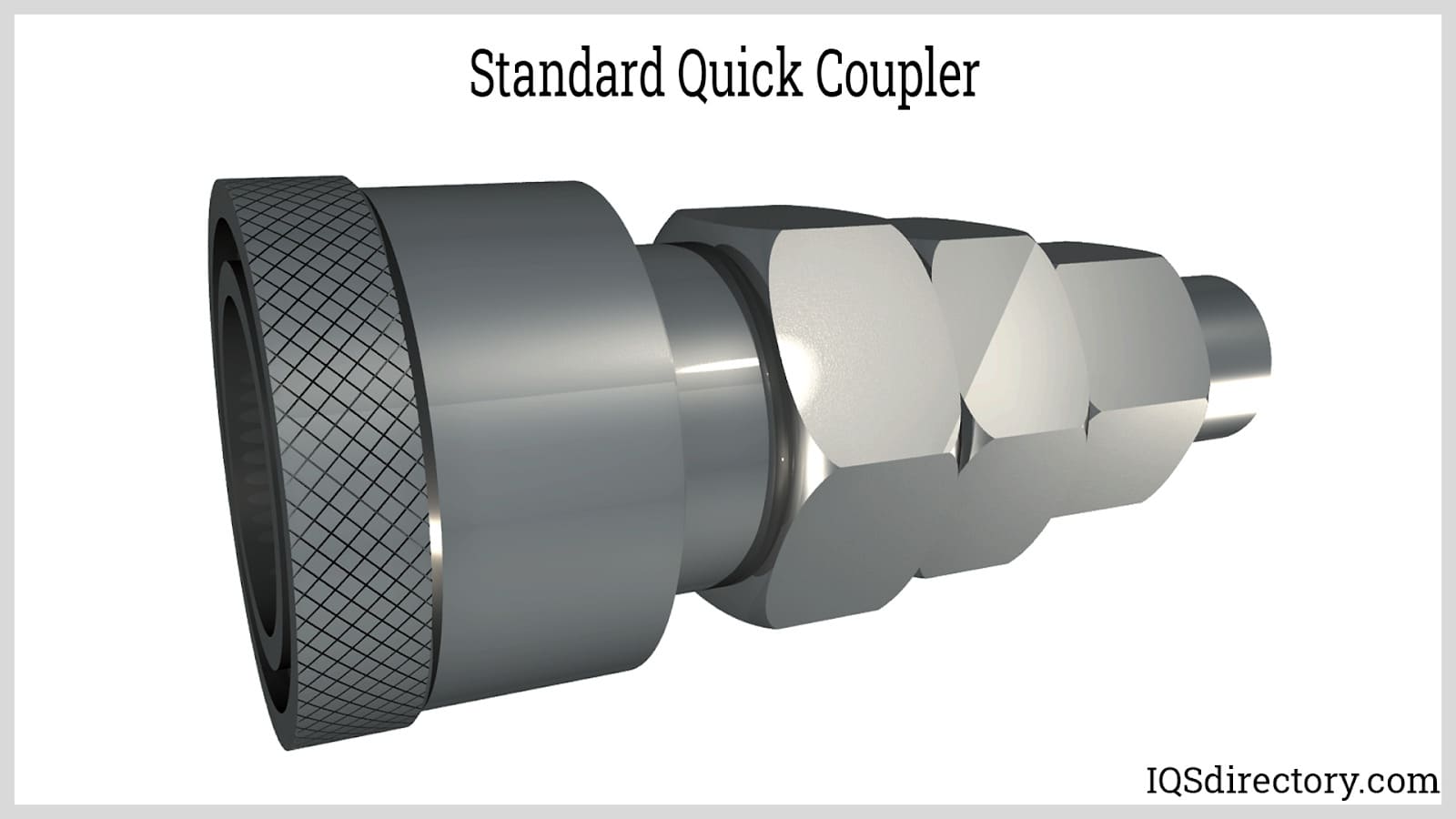
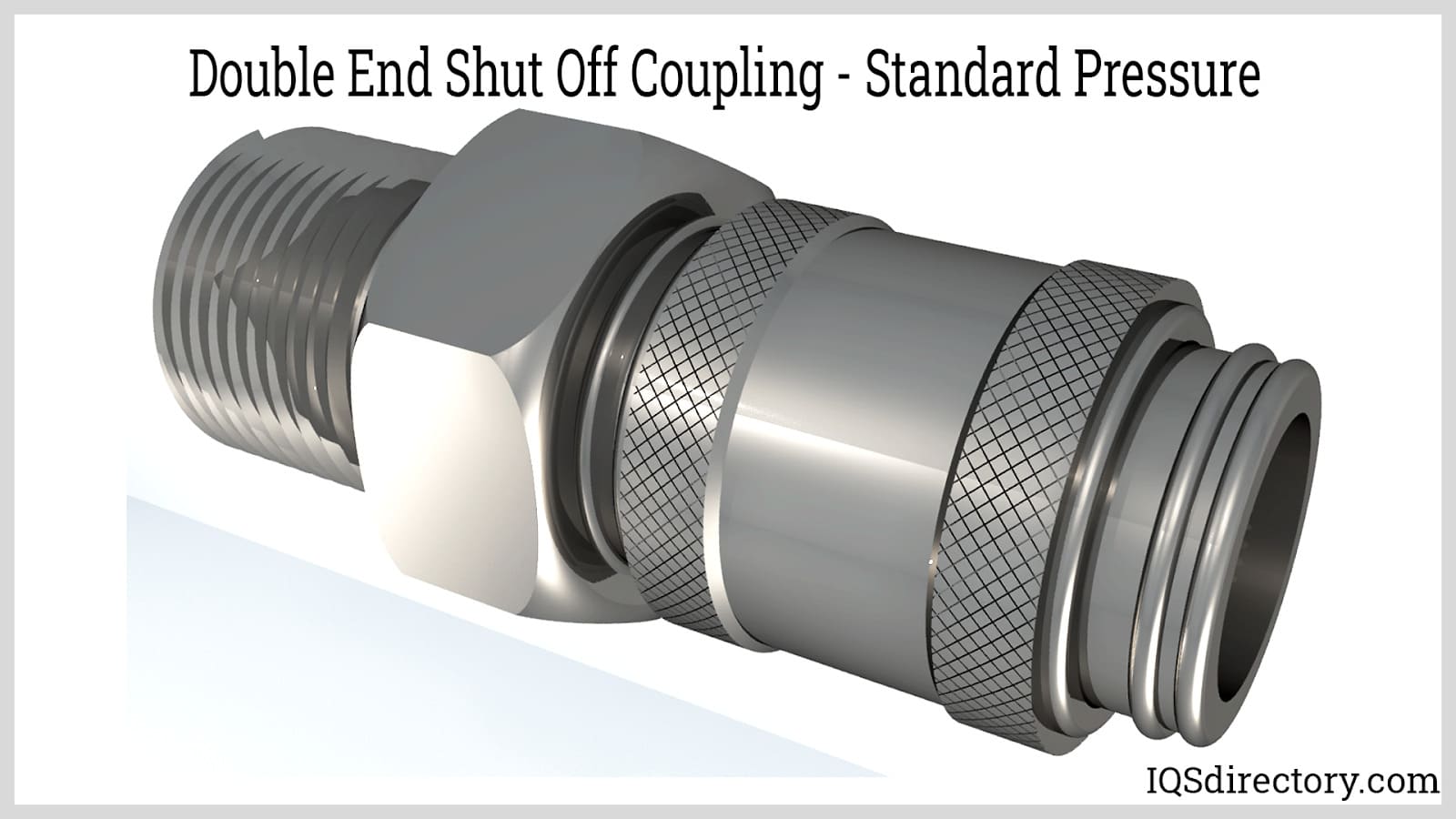
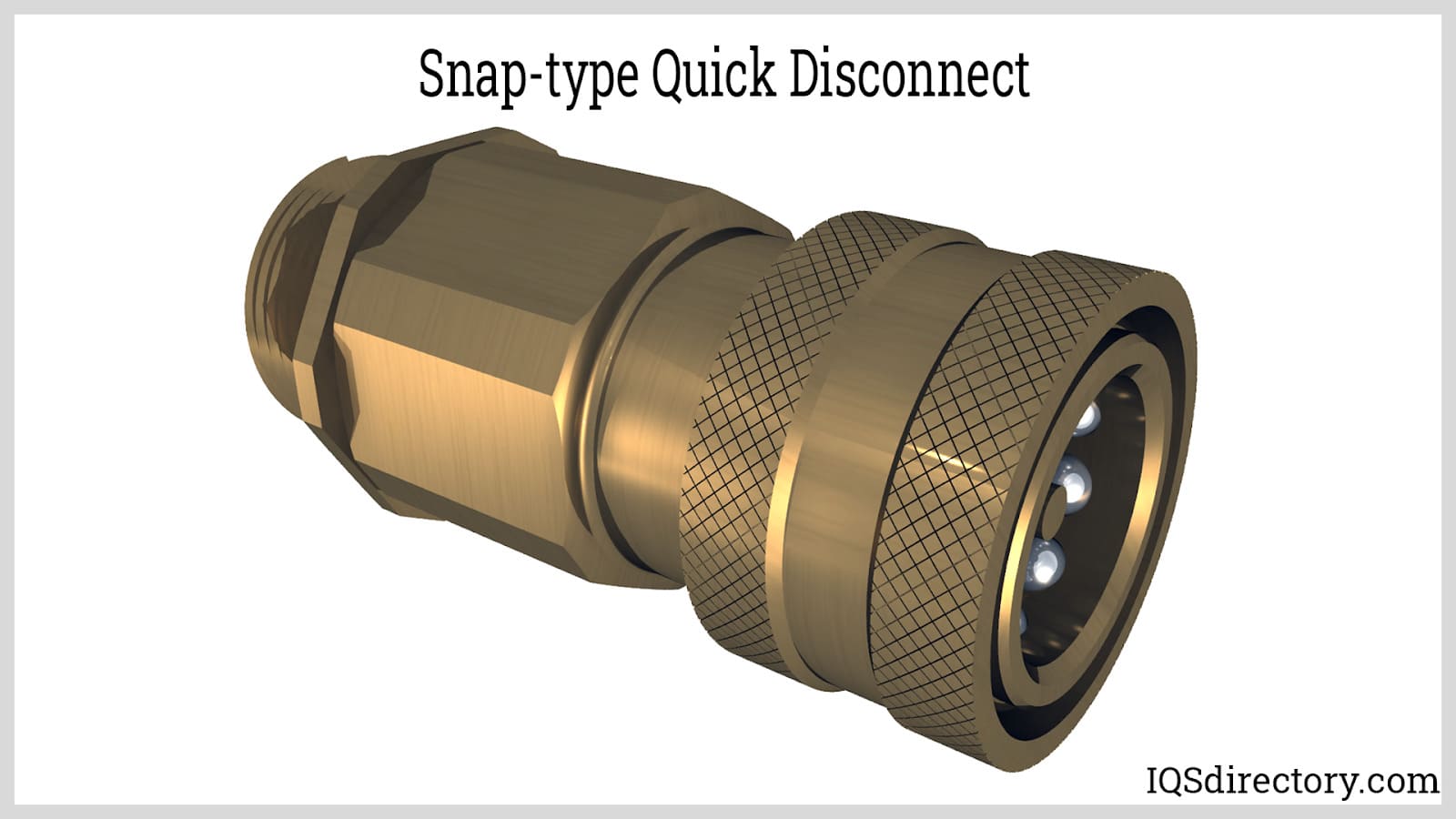
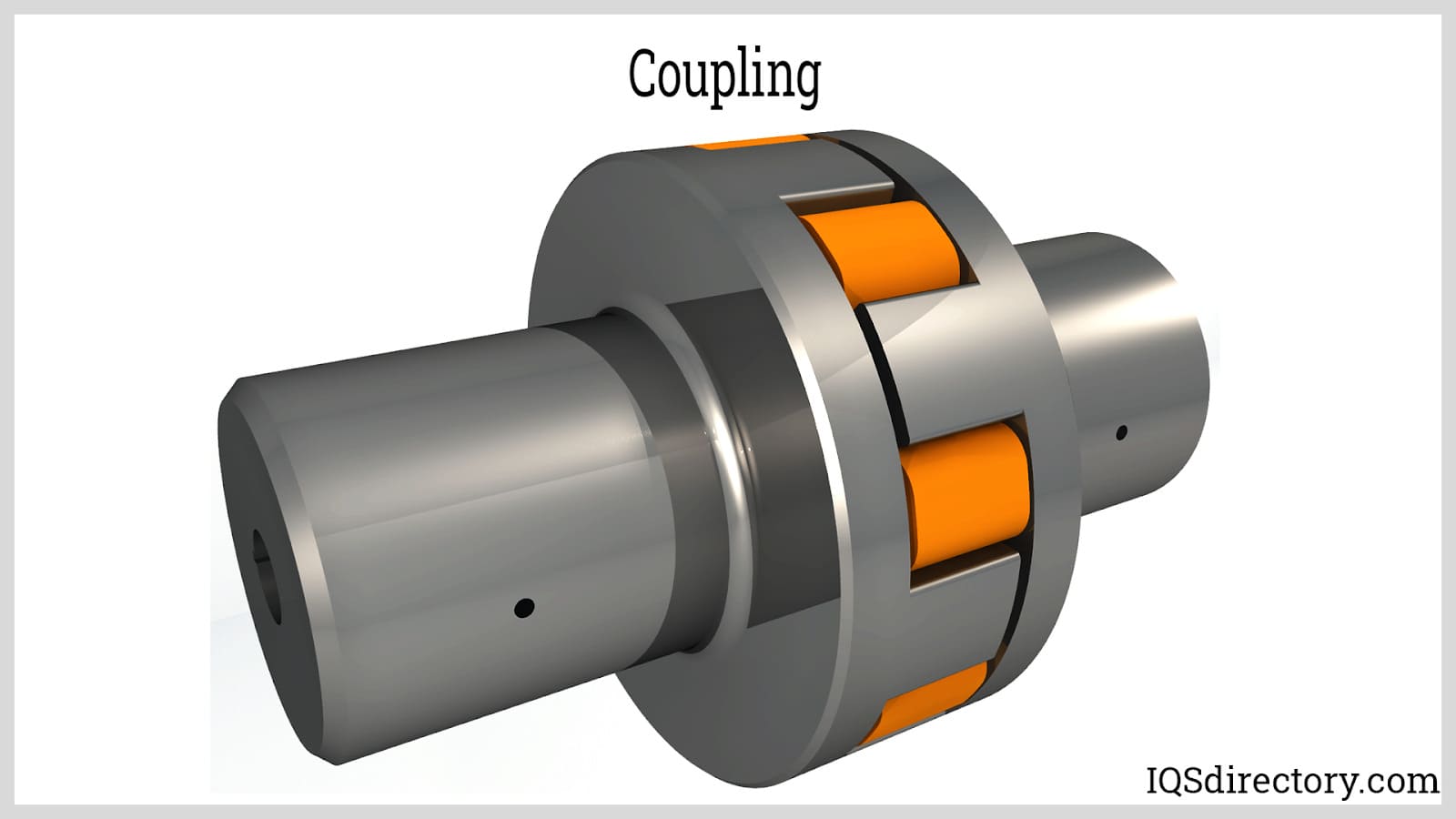
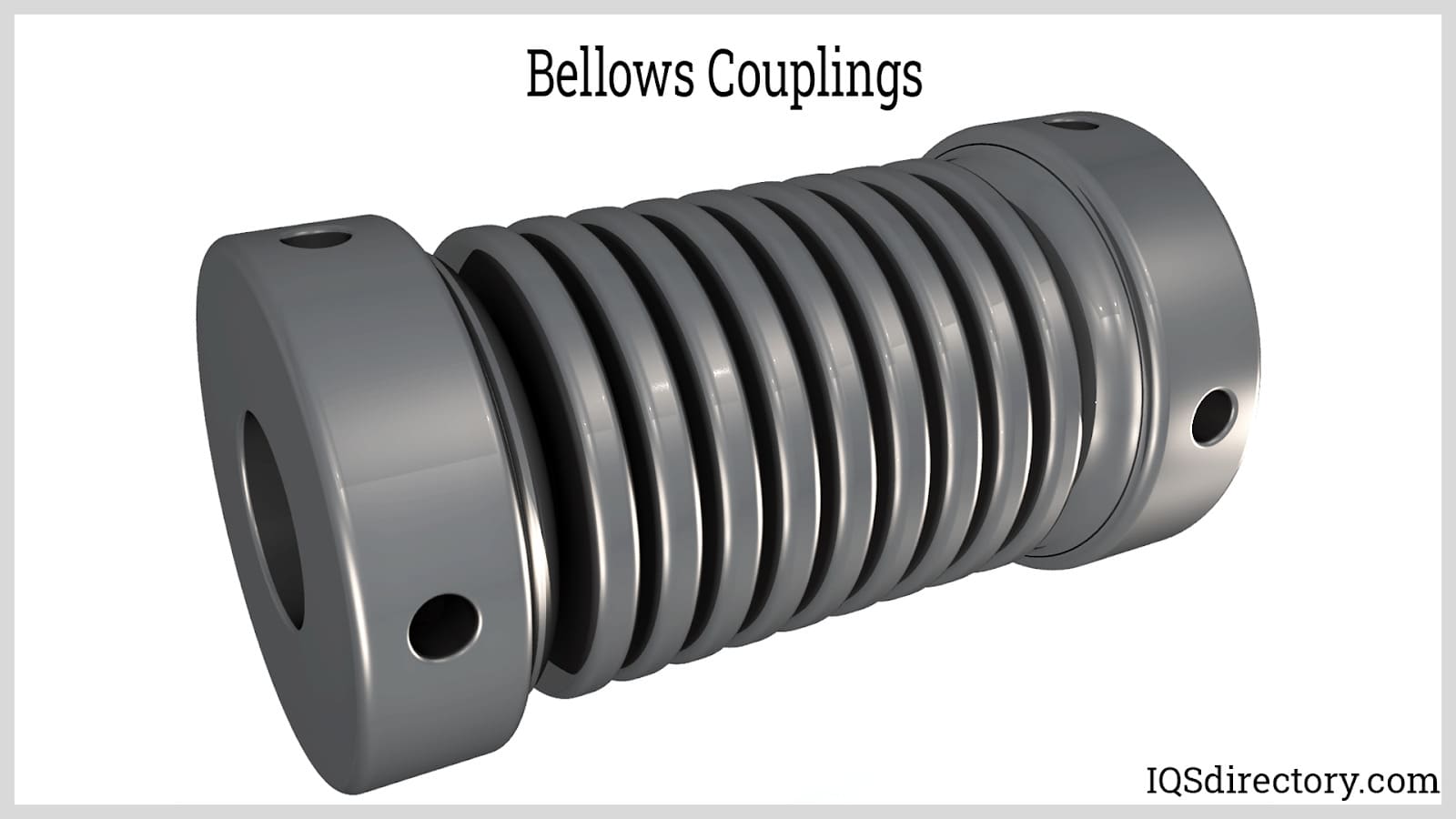
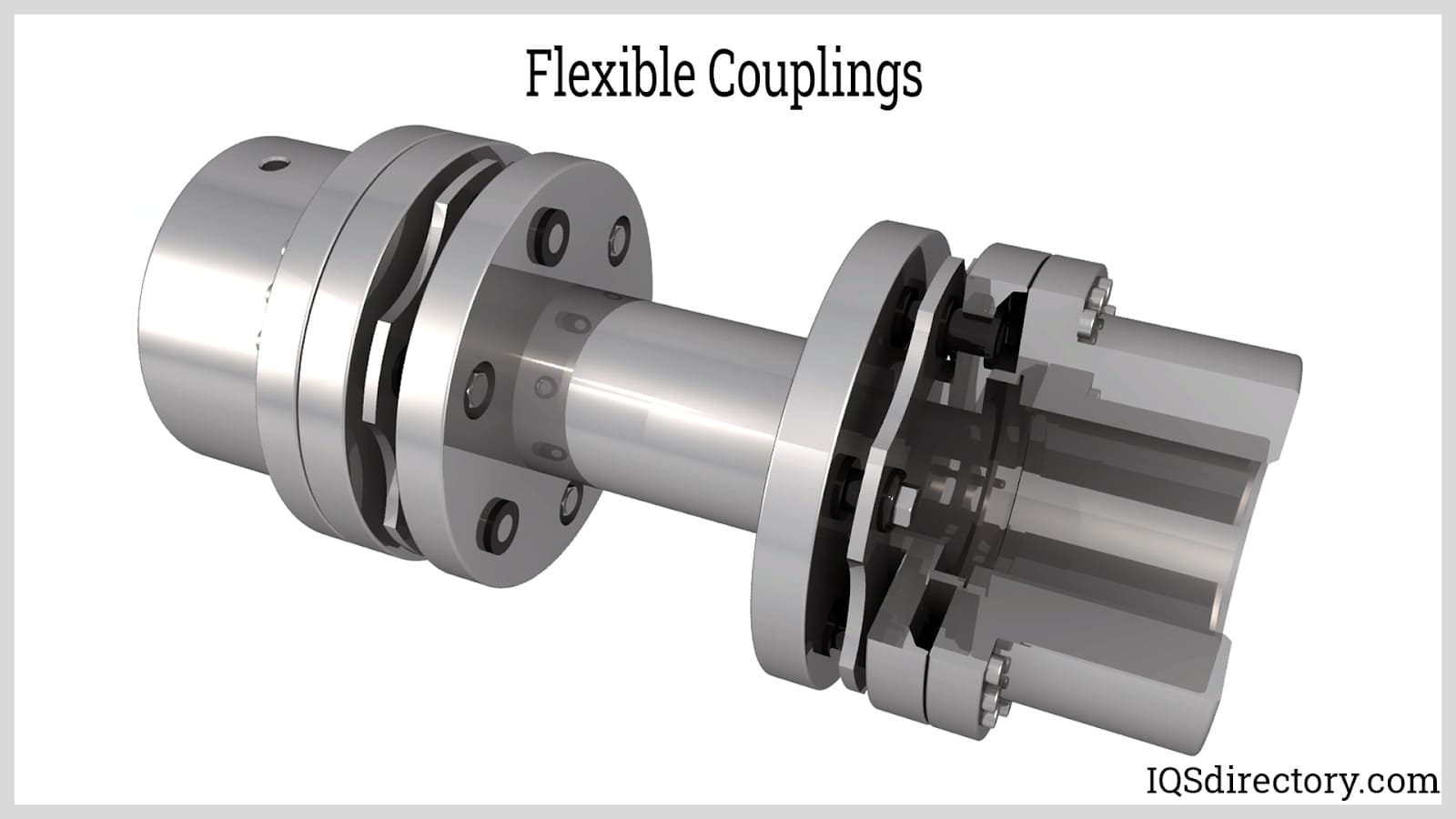
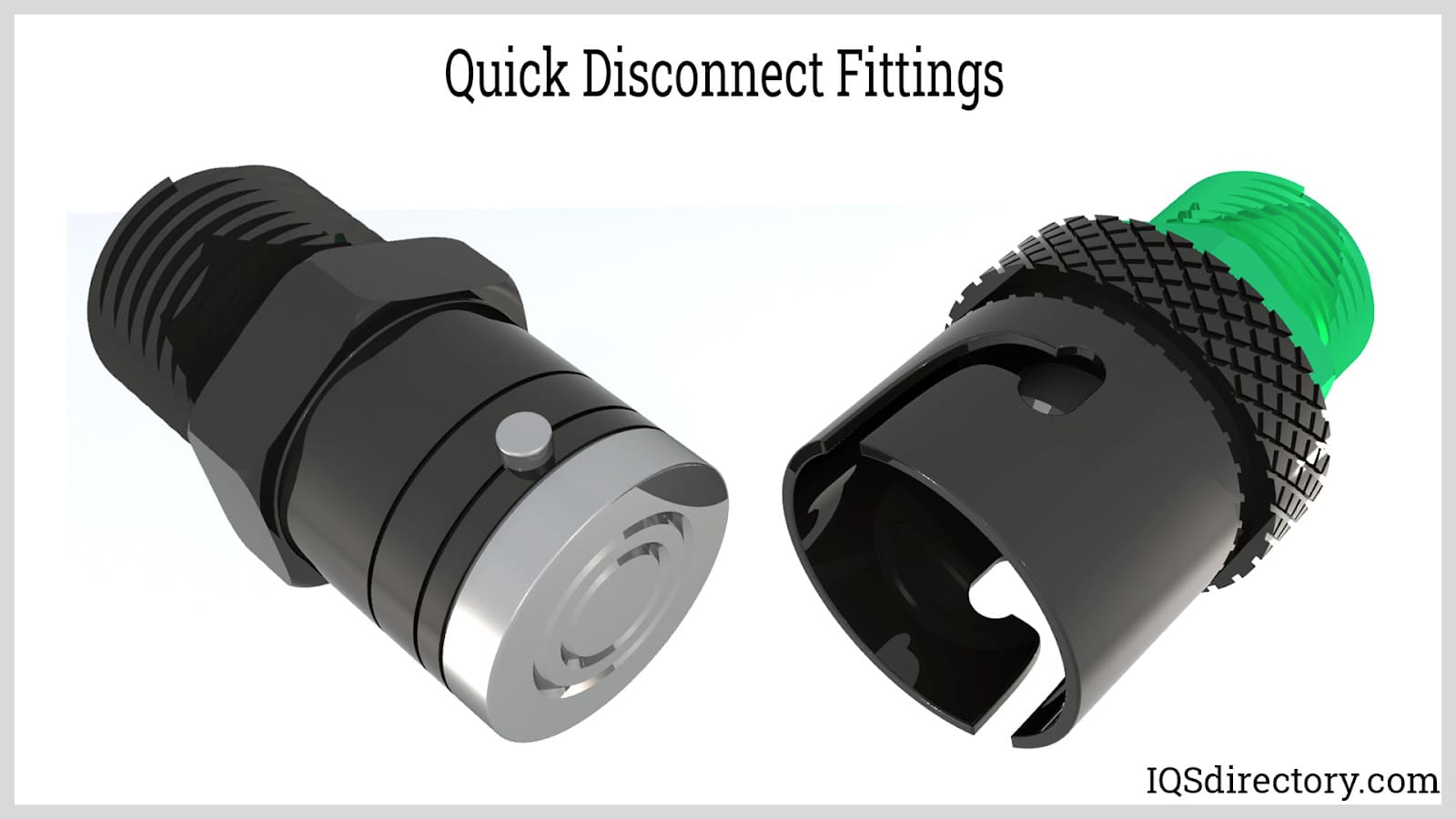
Quick Release Coupling Types
Applications for Quick Release Couplings
Quick release couplings are widely used to connect pipes, tubes, or hoses for fluid transfer in many industries and service environments. They are common in industrial manufacturing facilities, where they help connect equipment, machinery, test stations, washdown systems, coolant lines, and maintenance tools. They are also found in boat and camper plumbing systems, enabling easy and efficient cleaning and maintenance for toilets and showers, from drain to waste systems.
These fittings are used wherever efficient fluid transfer and quick disconnection matter, including gas handling, firefighting hoses, agricultural sprayers, automotive systems, chemical processing, food production, construction, utility service, and mobile equipment. In many of these applications, buyers look for quick couplings that can support repeated connections, reduce contamination risk, and maintain steady flow and pressure performance over time.
Quick couplings also enhance safety. For instance, aircraft fuel tanks use dry disconnect couplings on hoses to reduce fuel spillage, minimizing the risk of fire and exposure to hazardous fumes for operators. In sanitary systems, clean disconnect performance can also help protect product quality by limiting exposure to dirt, moisture, and outside contaminants during line changes.
Quick release couplings are vital in many industrial, commercial, and consumer systems including:
Hydraulic Quick Release Couplings Used in hydraulic systems to connect and disconnect fluid lines without fluid loss or air entry. Hydraulic systems use pressurized fluid to transmit power—commonly in heavy machinery, agricultural equipment, lifting devices, and industrial machinery. These couplings provide durability, strength, and help maintain system pressure. Some hydraulic systems require quick disconnects for efficient operation or safety, allowing fast, hand-operated connections without interrupting system pressure. Hydraulic quick couplings support reliable hydraulic system performance while helping reduce cleanup and service delays. Air Coupling Applications Used for air-related tasks. Air quick couplers connect air compressors to pneumatic tools, blow guns, inflators, and production air lines. Since leaking air is rarely as hazardous as fluid leakage, the sealing demands on these couplings may differ from liquid service systems. Even so, air couplers are selected to prevent unnecessary air loss, reduce pressure drops, and help maintain stable performance in compressed air systems. Hazardous Material Uses Breakaway Couplers minimize product loss and safety risks by staying open during normal use and closing quickly under excessive force. Commonly used in hazardous material transfer, these couplings only separate when force is applied, protecting the system and allowing easy reassembly without tools. Dry Disconnect Couplings are used in sanitary or hazardous environments to provide drip-free connections. They feature internal mechanical locks to prevent accidental release. Before separation, the valves close and are sealed by discs in both halves, helping support safe handling of corrosive, toxic, or otherwise sensitive products. No Leak Performance Couplings Flat Face Couplings are designed for leak-free connections. Their flat mating faces can be cleaned before connecting, making them ideal for reducing contamination in hydraulic systems and supporting better cleanliness in service operations. Emergency First Response Couplings Quick release couplings are used in emergency decontamination shelters for disaster response or infectious disease outbreaks. These portable shelters often have soft fabric walls and aluminum frames with waterjets supplied via quick release couplings for rapid setup. In emergency oxygen supply situations, quick release couplings allow fast connection of oxygen lines, saving time in urgent patient care scenarios and supporting easier equipment setup in mobile treatment environments. Other Quick Release Coupling Applications Different coupling variations suit specific needs, with the market dominated by three main standards:- Industrial-Type Based on Military Specification
- ARO-Type Mainly for Fluid Applications
- Automotive-Type Including Inflation and Pneumatic Tools
Things to Consider When Purchasing Quick Release Couplers
IQS Directory offers a comprehensive directory of quick release coupling manufacturers and suppliers. Use the listing to compare top manufacturers, review product details, and view previews of available products. Companies can design, engineer, and manufacture quick release couplings tailored to your business’s requirements, whether you need couplings for compressed air, hydraulic fluid, water, fuel, chemicals, or specialized media handling.
Our website provides a fast quote request form to connect with quick release coupling companies. Company profiles include website links, locations, phone numbers, product videos, and detailed product information. Customer reviews and product news articles are also available. Whether you need hydraulic quick release, quick hose couplings, or quick connect couplings, this resource is ideal for comparing options by pressure capability, size, material, shut-off style, application fit, and service environment. Buyers often begin by asking which quick disconnect coupling works best for hydraulic hoses, compressed air tools, spill-sensitive chemical transfer, or maintenance-intensive production lines, and selection usually depends on matching the connection style to the media, operating conditions, and performance goals of the system.
Proper Care of Quick Release Couplings
To avoid contamination when couplings are not in use, apply caps and plugs. Always design a fail-safe mode to ensure hoses or couplings do not pose risks if issues occur. Be aware that couplings from different manufacturers may not be fully compatible. If mixing brands, never exceed the lowest pressure rating between the two couplings. Regular inspection of seals, sleeves, locking balls, and mating surfaces can also help extend service life and reduce the chance of leakage or premature wear.
Proper installation and use should prevent many common problems. Always consult the safety guidelines provided by the coupling manufacturer. Both the selector and user of the coupling should have access to the appropriate safety guide. Confirm that the coupling is suitable for the fluids used, especially if they are toxic or flammable. It is also good practice to verify flow requirements, operating temperature, connection frequency, and cleaning procedures so the selected coupling continues to perform well under real operating conditions.
Quick Release Coupling Terms
Common Questions
7 questions
What Are Quick Release Couplings Used For?
Quick release couplings are used to rapidly connect or disconnect fluid lines in hydraulic, pneumatic, water, fuel, gas, and chemical systems. They help reduce downtime, limit leaks, support cleaner maintenance procedures, and improve operator safety in industries such as manufacturing, firefighting, agriculture, transportation, and process operations.
How Do Quick Release Couplings Prevent Fluid Leaks?
They use tight seals between the male and female connectors, often with internal shut-off valves that automatically close when disconnected. This design helps minimize fluid loss, reduces drips and spillage, and keeps air, dirt, or other contaminants from entering the system during line changes.
What Materials Are Quick Release Couplings Made From?
Common materials include brass, stainless steel, aluminum, carbon steel, and nickel-plated metals for strength and wear resistance, as well as engineered plastics for lighter weight and corrosion resistance. Material choice depends on media compatibility, pressure rating, operating temperature, duty cycle, and the surrounding environment.
What Are the Main Types of Quick Release Couplings?
Main types include dry break couplings, hydraulic quick disconnects, pneumatic couplings, non-spill couplings, threaded couplings, flat face couplings, and connect-under-pressure designs. Each type is selected based on flow needs, spill control, contamination concerns, operating pressure, and whether one-handed use is preferred.
Where Are Quick Release Couplings Commonly Used?
They are commonly used in hydraulic machinery, air compressor systems, agricultural sprayers, mobile equipment, firefighting hose assemblies, marine plumbing, food and beverage operations, chemical transfer lines, and construction equipment. They are chosen anywhere fast service, repeated line changes, and cleaner fluid handling matter.
What Should Be Considered When Selecting Quick Release Couplers?
Consider pressure rating, temperature range, flow rate, fluid type, material compatibility, connection style, shut-off design, seal material, and interchange requirements. Buyers should also confirm the coupling meets the application’s PSI needs and verify whether parts are intended to mate within the same product series or manufacturer standard.
How Should Quick Release Couplings Be Maintained?
When not in use, apply dust caps and plugs to prevent contamination. Inspect seals and locking components regularly, keep mating surfaces clean, follow manufacturer safety instructions, and avoid mixing brands or styles that may have incompatible dimensions, thread standards, or pressure capabilities.