
- 1 leading manufacturer
- 1 state or province
- 8 guide sections
Industrial Mill Companies
Suppliers located in NH
Contents (4 sections)
Leading Industrial Mill Manufacturers
| Placement No. | Manufacturer | Location | Contact | Actions | |
|---|---|---|---|---|---|
| 1 | Admix, Inc.Admix, Inc. manufactures stainless steel mixing technologies & assists with tough mixing issues for a variety of markets. Choose from products such as basic mixers, mills, Rotomaxx™ high torque mixers, BenchMix™ programmable lab mixers and a multitude of other innovative designs from Admix for your mixing needs. Our equipment meets 3-A, USDA-Dairy, AMS and AG-Canada hygienic & safety standards. | Londonderry, NH |
Claim your Page One Spot
Leading industrial mill manufacturers are listed first on this page, each with a website preview and a Request a Quote button on its row.
Do not see your company listed in Industrial Mills?
Engineers and buyers use this page to find industrial mill suppliers. Add your company to the Industrial Mills listings so they can find you too.
List Your Company- Listed in the Industrial Mills directory
- A profile page for your company
- Buyers contact you directly
Industrial Mill Industrial Manufacturing Guides

Industrial Mills: Types, Applications and Benefits
This article will take an in-depth look at types of mills. The article will bring more detail to topics such as: Principles of Mills Categories of Mills Types…
5 chapters
Quick Answers
- How many industrial mill manufacturers are listed on IQS Directory?
- 1 leading manufacturer.
- Where are industrial mill manufacturers located?
- The listed suppliers are in New Hampshire (1).
- How do I get quotes from industrial mill suppliers?
- Select suppliers in the table and choose Request Quotes. IQS reviews your request and forwards it to every supplier you select.
Industrial Mills
Industrial mills are an essential part of the manufacturing industry, helping to transform raw materials into finished products. These mills come in various shapes and sizes, each with unique features and capabilities to meet specific production needs. As a directory that helps buyers find manufacturers, our website offers a comprehensive guide to industrial mills, including their types, features, and specifications.
Types of Industrial Mills
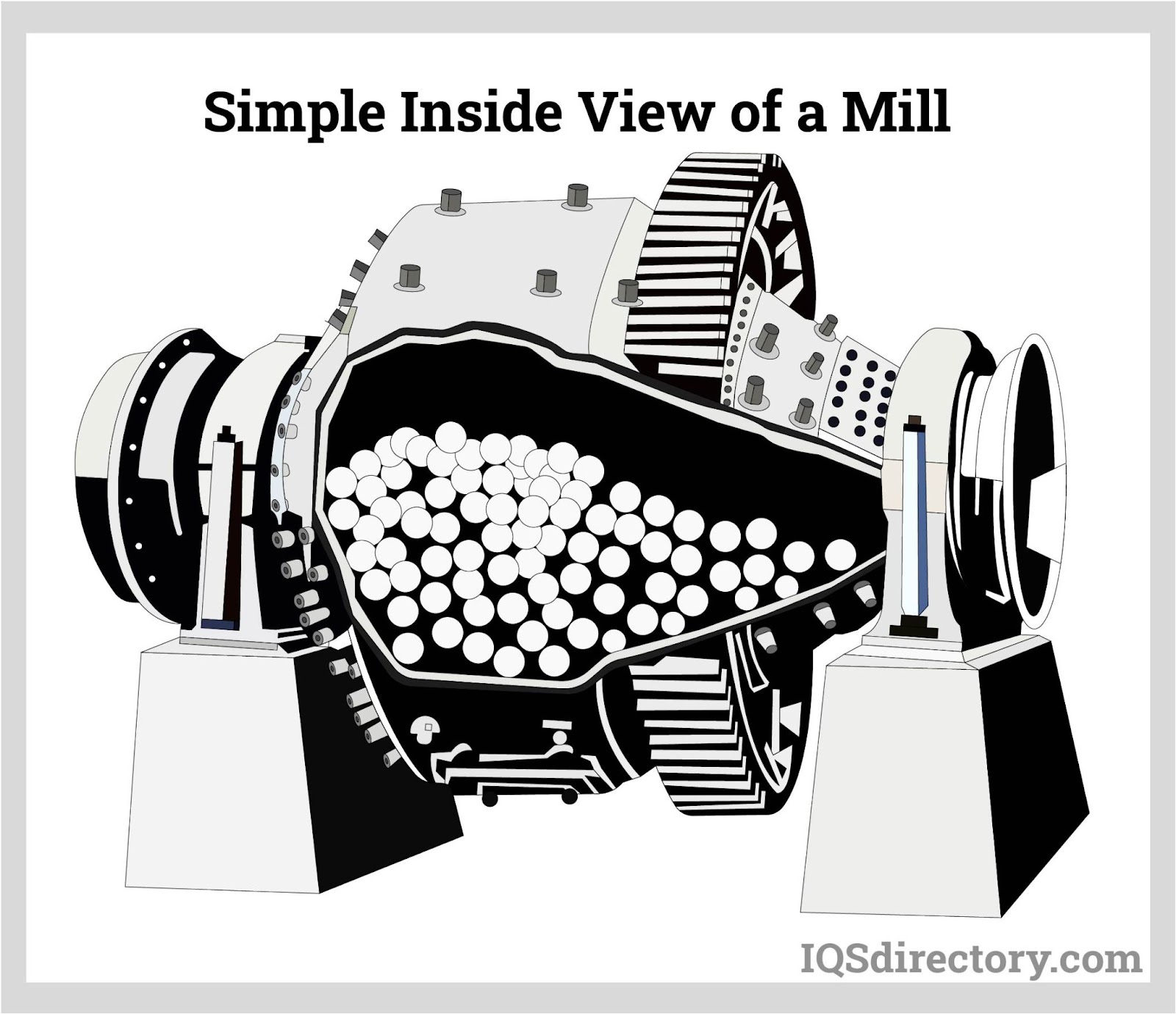
Several types of industrial mills are available in the market, each with its own features and capabilities. Some of the most common industrial mills include rolling, ball, and hammer mills.
Industrial mills are essential machines used in the manufacturing industry. Various types of industrial mills are available in the market, each designed to perform specific functions in the manufacturing process. Therefore, understanding the different types of mills available is essential to finding the right mill for a specific production process.
Rolling Mills Rolling mills shape and flatten metal sheets, rods, and other materials. They commonly produce metal products such as pipes, tubes, and wire. Rolling mills can either be hot or cold, depending on the metal being processed. Hot rolling mills heat the metal before it is shaped, while cold rolling mills shape it at room temperature. Ball Mills Ball mills are used for grinding and mixing materials such as chemicals, ores, and ceramic raw materials. They work by rotating a cylinder filled with grinding media such as ceramic or steel balls. The rotation of the cylinder crushes the material, resulting in a fine powder.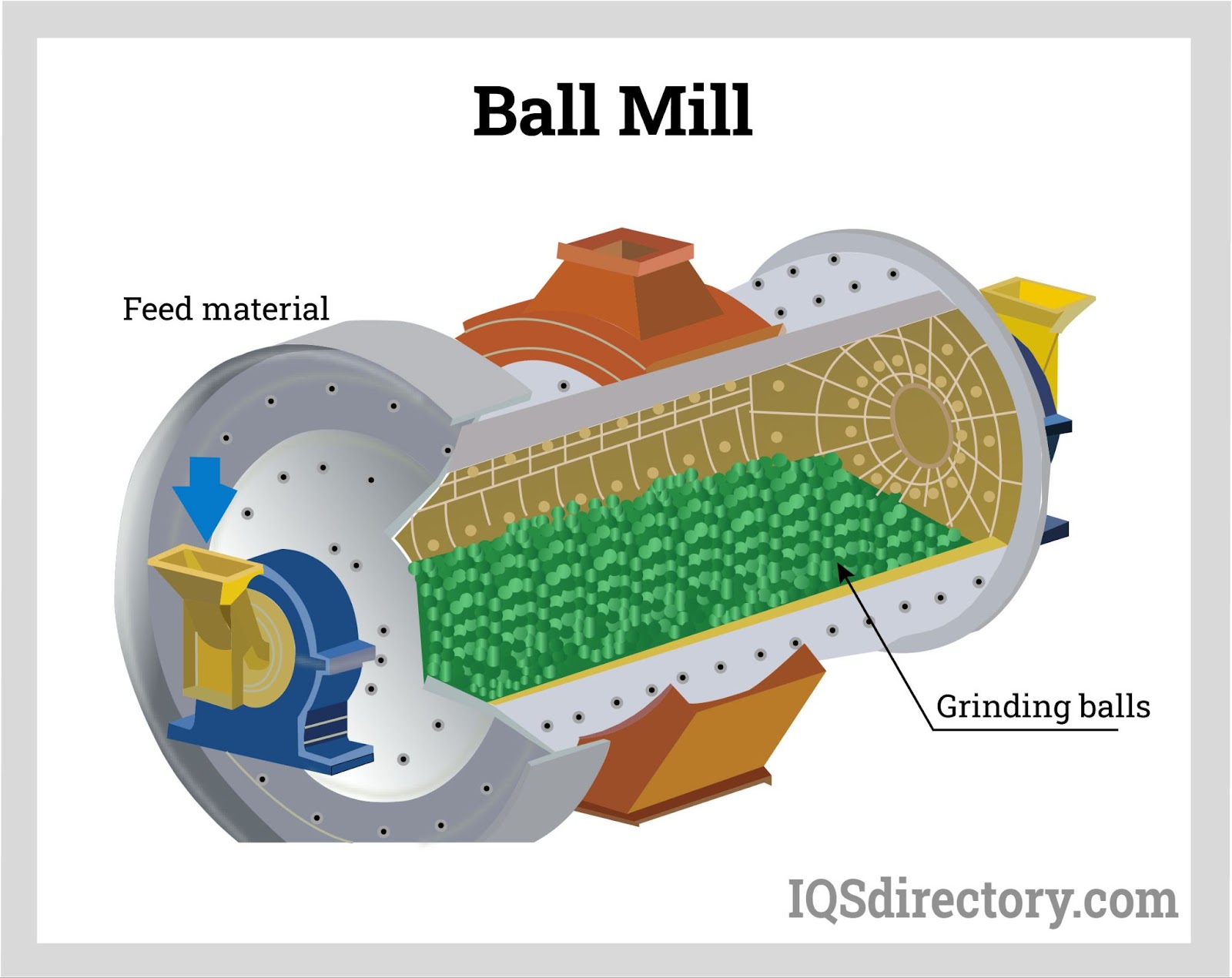
Applications of Industrial Mills
Industrial mills are widely used in various industries for processing materials in different forms, sizes, and textures. Let's take a closer look at the different applications of industrial mills in some of the most common industries.
- Food Industry: Industrial mills play a critical role in the food industry, where they are used to grind, pulverize, and mix ingredients to produce a wide range of products. For example, ball mills grind cocoa beans and sugar to make chocolate, while colloid mills make mayonnaise, peanut butter, and other emulsions.
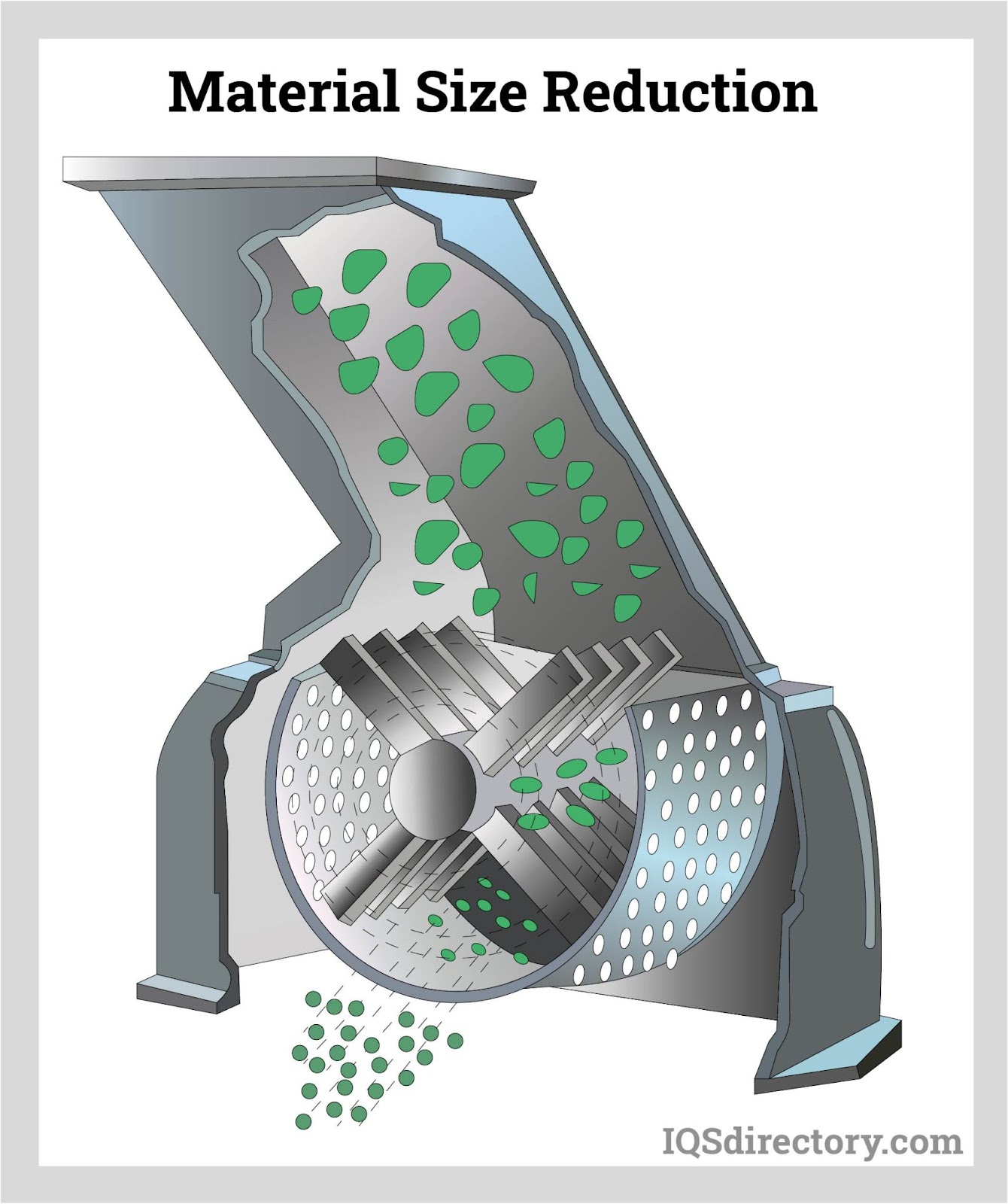
- Pharmaceutical Industry: Industrial mills are also widely used in the pharmaceutical industry, where they are used to process raw materials into various forms, such as powders, granules, and tablets. Jet and hammer mills are commonly used in the pharmaceutical industry for micronization and particle size reduction.
- Chemical Industry: Industrial mills are essential in the chemical industry, where they are used to mix, grind, and refine chemicals to produce various products. Pin mills are commonly used for grinding chemicals, while ball mills and attritor mills are used for refining and blending chemicals.
- Construction Industry: Industrial mills are used in the construction industry to process materials such as cement, sand, and gravel. Rolling mills shape and form steel and other metals for construction purposes.
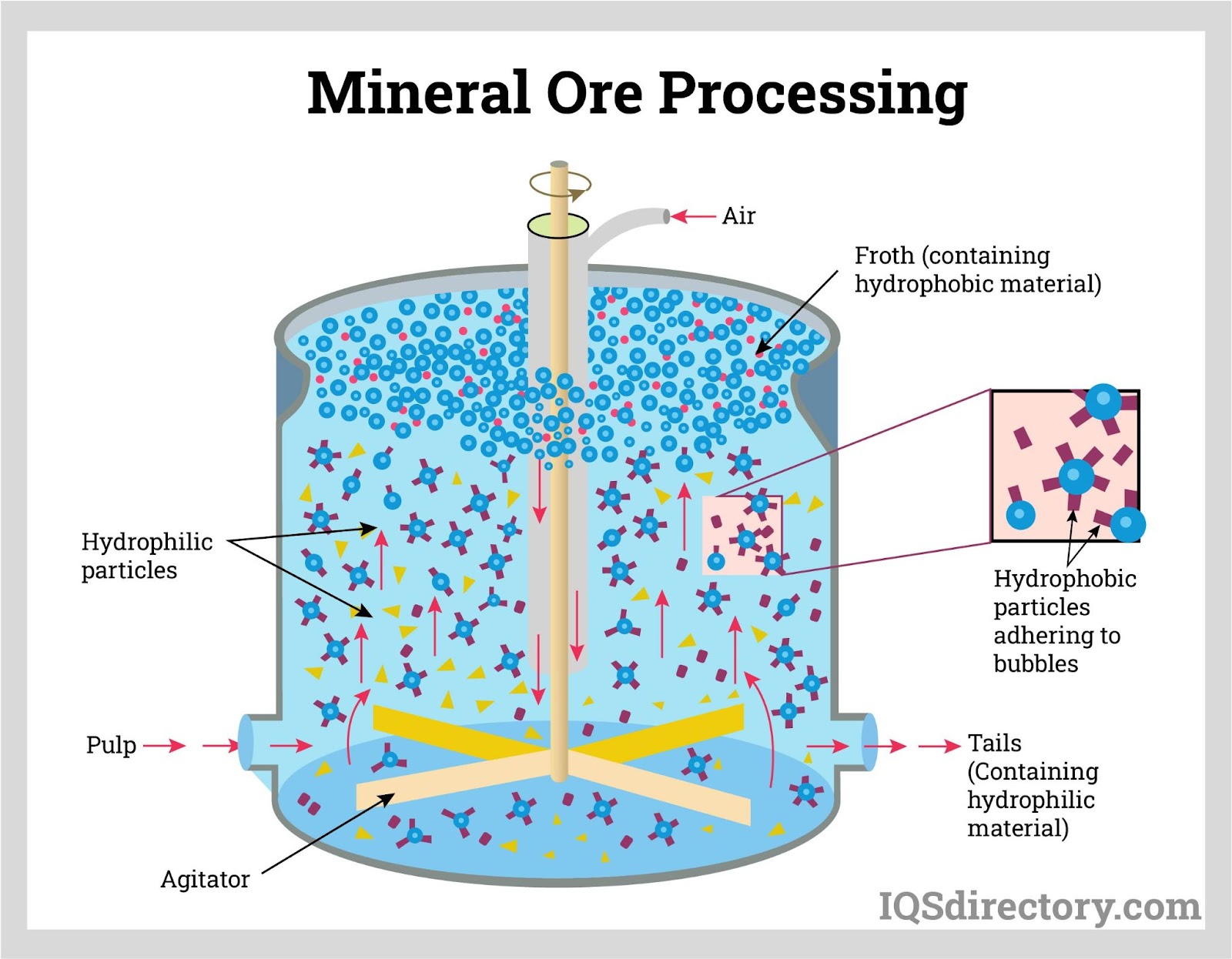
Mining Industry: In the mining industry, industrial mills process minerals and ores extracted from mines. Ball mills, rod mills, and SAG mills are commonly used in mining operations for grinding minerals and other materials to a fine powder or slurry.
- Recycling Industry: Industrial mills are also used in the recycling industry for grinding and shredding various materials. For instance, hammer mills shred paper and cardboard for recycling, while blade mills and pin mills grind plastic materials into smaller particles for recycling.
- Paint and Coatings Industry: Industrial mills are used in the paint and coatings industry to grind and mix various pigments, resins, and solvents. Media mills, bead mills, and basket mills are commonly used.
- Energy Industry: In the energy industry, industrial mills grind and process coal, biomass, and other fuels for energy production. Bowl and ball tube mills are commonly used for grinding coal in power plants.
These are just a few examples of the different applications of industrial mills in several industries. Industrial mills are essential equipment in many manufacturing processes, and their versatility makes them useful in an incredibly wide range of applications.
Features and Specifications
When it comes to industrial mills, there are several features and specifications to consider. Material handling, power consumption, and maintenance are among the key features that should be considered. Meanwhile, capacity, size and dimensions, speed, and output are important specifications.
Maintenance and Repair
Industrial mills are complex machinery that requires regular maintenance and repair to ensure optimal performance and longevity. Here are some tips on how to maintain and repair industrial mills:
- Regular Maintenance: Industrial mills should undergo routine maintenance to ensure they are running at peak performance. This includes cleaning and lubricating the equipment, inspecting and replacing parts as needed, and performing necessary repairs. Regular maintenance will prevent breakdowns and extend the life of the equipment.
- Preventive Maintenance: Preventive maintenance involves identifying potential issues before they become major problems. Regular inspections and routine maintenance can help identify any worn or damaged parts that need replacement, preventing more significant damage from occurring.
- Troubleshooting: If an industrial mill is not functioning correctly, it is essential to troubleshoot the issue to determine the cause of the problem. Common issues include jammed or clogged feeders, damaged bearings, and broken or worn parts. Troubleshooting can help identify the root cause of the problem, allowing for a more effective repair.
- Repairing and Replacing Parts: Industrial mills have many moving parts that can wear out or become damaged over time. When a part is damaged or worn, it should be repaired or replaced promptly to prevent further damage to the equipment.
- Professional Repairs: Some industrial mill repairs require the expertise of a professional technician. Working with an experienced repair technician with the knowledge and equipment necessary to repair the equipment properly is crucial.
Proper maintenance and repair of industrial mills are essential for ensuring the equipment operates efficiently and safely. By following these maintenance and repair tips, industrial mill owners can extend the life of their equipment and prevent costly breakdowns.
Safety Considerations
Industrial mills are powerful, complex machines that can be dangerous if improperly used. Therefore, it is essential to take appropriate safety measures to protect workers and prevent accidents. Here are some safety considerations to keep in mind when operating industrial mills:
Training: Workers operating industrial mills should receive proper training on using the equipment safely. This includes understanding the equipment's functions, operating procedures, and safety protocols. Personal Protective Equipment: Workers should wear appropriate personal protective equipment, such as eye protection, gloves, and hearing protection, to prevent injuries from flying debris and loud noises. Lockout/Tagout: Before performing any maintenance or repairs on industrial mills, the equipment should be locked out and tagged out to prevent accidental start-up. Ventilation: Industrial mills can generate dust and fumes, which can be hazardous to workers' health. Therefore, adequate ventilation should be provided to prevent exposure to these hazards. Proper Use: Industrial mills should be used only for their intended purpose and within their designed capacity. Overloading or using the equipment improperly can lead to accidents and equipment failure. Emergency Procedures: Workers should be trained in emergency procedures, including how to shut down the equipment in case of an emergency and how to respond to injuries or accidents.By following these safety considerations, industrial mill operators can help ensure the safety of workers and prevent accidents. Therefore, it is essential to prioritize safety in all industrial mill operations to protect workers and prevent equipment damage.
Emerging Trends in Industrial Milling
As technology continues to evolve, so do industrial milling processes. Here are some emerging trends in industrial milling that are changing the industry:
- Digitalization: The use of digital technologies, such as sensors and automation, is increasing in industrial milling processes. Digitalization can help optimize milling processes, reduce downtime, and improve product quality.
- Sustainability: There is growing interest in sustainable milling practices that minimize waste and reduce energy consumption. High-pressure grinding rolls (HPGR) and vertical roller mills (VRM) can reduce energy consumption and greenhouse gas emissions.
- Artificial Intelligence: Artificial intelligence (AI) is increasing in industrial milling processes. AI can help optimize milling processes by analyzing real-time data and making adjustments to improve performance.
- Remote Monitoring: Remote monitoring technologies allow operators to monitor and control milling processes from a distance, reducing the need for on-site personnel and improving efficiency.
These emerging trends are changing industrial mills' operations, making them more efficient, sustainable, and productive. As technology evolves, industrial mill operators must stay current on the latest trends and incorporate them into their operations to remain competitive.
Industrial Mill Manufacturers
Our website offers a list of industrial mill manufacturers with a brief company overview and contact information. Using our directory, buyers can find the right industrial mill for their specific production needs.
Choosing the right industrial mill requires careful consideration of several factors, including a budget, capacity requirements, and materials to be processed. In addition, the quality of products, reputation and reviews, and customer service and support are among the key factors to consider when choosing a manufacturer.
Conclusion
Industrial mills play a vital role in the manufacturing industry, and our website offers a comprehensive guide to these essential machines. With information on different types of mills, features, specifications, and manufacturers, buyers can find the right industrial mill for their specific production needs.