
- 5 leading manufacturers
- 24 additional suppliers
- 14 states and provinces
- 14 related categories
- 11 guide sections
Copper Companies and Suppliers

IQS Directory provides a comprehensive list of copper manufacturers and suppliers. Use our website to review and source top copper manufacturers with roll over ads and detailed product descriptions. Find copper companies that can design, engineer, and manufacture copper to your companies specifications. Then contact the copper companies through our quick and easy request for quote form. Website links, company profile, locations, phone, product videos and product information is provided for each company. Whether you are looking for manufacturers of copper foil, copper alloys, copper mills, or customized copper of every type, this is the resource for you.
Suppliers located in CA, OH, PA +11 more states
Contents (6 sections)
Leading Copper Manufacturers
Showing all 5
| Placement No. | Manufacturer | Location | Contact | Actions | |
|---|---|---|---|---|---|
| 1 | Metal AssociatesOur company may have started small, but we quickly grew to handle the largest aluminum orders. Our metals are made from the highest quality materials, and we pledge to offer superior service to all our customers. We don’t want customers who use us one time, we want to establish lifelong relationships with customers that last generations. Contact us for more info! | Pompton Plains, NJ | |||
| 2 | Commercial MetalWith over 25 years of metallurgy experience we guarantee we can produce exactly what you are looking for. We offer fast delivery and a multitude of beryllium copper sizes. Our highly knowledge staff takes great pride in creating these outstanding copper alloys. We have a reputation of manufacturing the best copper fabrications. Our company has risen in the standard in copper processing. Contact us today to learn more! | Warminster, PA | |||
| 3 | Source 21Source 21 is one of the most trusted processors and distributors of specialty copper coil and strip in the industry. Copper is at the core of what we do. We stock and process copper coil and strip, copper bus bar and plated bus bar, beryllium copper, phosphor bronze, brass, and nickel silver, including C101 and C102 oxygen-free, C110 ETP, C122 DHP, C145 tellurium, and C181 chromium copper grades. | Columbus, OH | |||
| 4 | Interstate Metal Inc.At Interstate Metal, we specialize in supplying copper products and material solutions for customers that require dependable conductivity, corrosion resistance, durability, and consistent quality. We work with copper in a range of forms and specifications to support electrical, industrial, manufacturing, fabrication, construction, and equipment applications. | Santa Fe Springs, CA | |||
| 5 | Cadi Company, Inc.At Cadi Company, Inc., we specialize in copper solutions engineered for applications that demand high conductivity, durability, and dependable performance. We work with copper materials designed to support electrical, thermal, and mechanical requirements in demanding industrial environments. Our focus is on delivering copper components that meet precise specifications while maintaining consistent quality and performance across a wide range of uses. | Naugatuck, CT |
Claim your Page One Spot
Leading copper manufacturers are listed first on this page, each with a website preview and a Request a Quote button on its row.
Additional Copper Companies
The category’s other copper companies are listed on their own page, with location, phone and website where each supplier provides them.
View 24 Additional Copper CompaniesDo not see your company listed in Copper?
Engineers and buyers use this page to find copper suppliers. Add your company to the Copper listings so they can find you too.
List Your Company- Listed in the Copper directory
- A profile page for your company
- Buyers contact you directly
Copper Industrial Manufacturing Guides
Beryllium Copper: Everything You Need to Know about Types & Properties
This article presents all the information you need to know about Beryllium Copper. Read further and learn more about: What is Beryllium Copper? Characteristics…
7 chapters, the longest in this category
Quick Answers
- How many copper manufacturers are listed on IQS Directory?
- 5 leading manufacturers and 24 additional suppliers.
- Where are copper manufacturers located?
- The listed suppliers are in 14 states: California (6), Ohio (6), Pennsylvania (4), New Jersey (2), New York (2), Alabama (1), Connecticut (1), Illinois (1), and 6 more.
- How do I get quotes from copper suppliers?
- Select suppliers in the table and choose Request Quotes. IQS reviews your request and forwards it to every supplier you select.
Copper
Copper is a naturally occurring metal used across manufacturing, construction, power distribution, electronics, transportation, HVAC, and infrastructure because it combines high electrical conductivity, strong thermal performance, corrosion resistance, ductility, and long service life. Buyers researching copper suppliers, copper manufacturers, and copper products often compare conductivity, machinability, formability, and total lifecycle value, and copper continues to stand out for applications that require dependable current transfer, efficient heat exchange, durable fabricated parts, and an attractive finished appearance.
As a native metal, copper can occur in a directly usable metallic state, which helped make it one of the earliest engineered materials in human history. On the periodic table, copper is identified by the symbol Cu and atomic number 29, but in modern industry it is better known as a versatile base metal used for copper wire, bus bars, tubing, sheet, strip, plate, pipe, coil, bar, and precision copper alloys supplied to OEMs, contractors, fabricators, utilities, and industrial buyers looking for reliable performance in electrical, plumbing, architectural, and thermal-management applications.
The History of Copper
Advantages of Copper
There are many reasons to value copper and its alloys, especially when buyers need a material that supports sustainability goals without giving up performance. Copper is naturally abundant, highly recyclable, and widely recovered from industrial scrap streams, which helps manufacturers control costs, reduce waste, and maintain consistent material quality. Recycled copper also retains the mechanical and conductive properties that make virgin copper so desirable in demanding electrical, HVAC, plumbing, heat-transfer, and fabricated metal applications.
Beyond its environmental advantages, copper is a cost-effective engineering material with an unusually strong balance of durability, workability, and service life. It is readily available in many mill forms, performs reliably in indoor and outdoor environments, and often lasts for decades with limited maintenance. For procurement teams comparing copper versus aluminum, steel, or other conductive materials, copper frequently earns consideration because it reduces replacement frequency, supports efficient fabrication, and delivers dependable performance in both standard and custom applications.
Copper’s non-sparking nature adds value in hazardous service environments where combustible gases, vapors, dust, or process chemicals may be present. This property makes selected copper alloys attractive for oil and gas sites, chemical processing areas, marine environments, mining operations, and other applications where ignition risk must be minimized. When conductivity, corrosion resistance, and operational safety must work together, copper remains a trusted material choice for engineers, OEMs, and maintenance teams.
Additionally, copper is exceptionally easy to alloy and manufacture into application-specific forms, allowing suppliers to tailor hardness, strength, wear resistance, corrosion behavior, machinability, and conductivity to the job at hand. If pure copper does not provide the exact mechanical profile required, copper-based alloys such as brass, bronze, cupronickel, beryllium copper, and specialty high-copper materials can be selected to meet performance targets in electrical components, fluid handling systems, architectural products, marine hardware, and industrial equipment.
Production Process of Copper
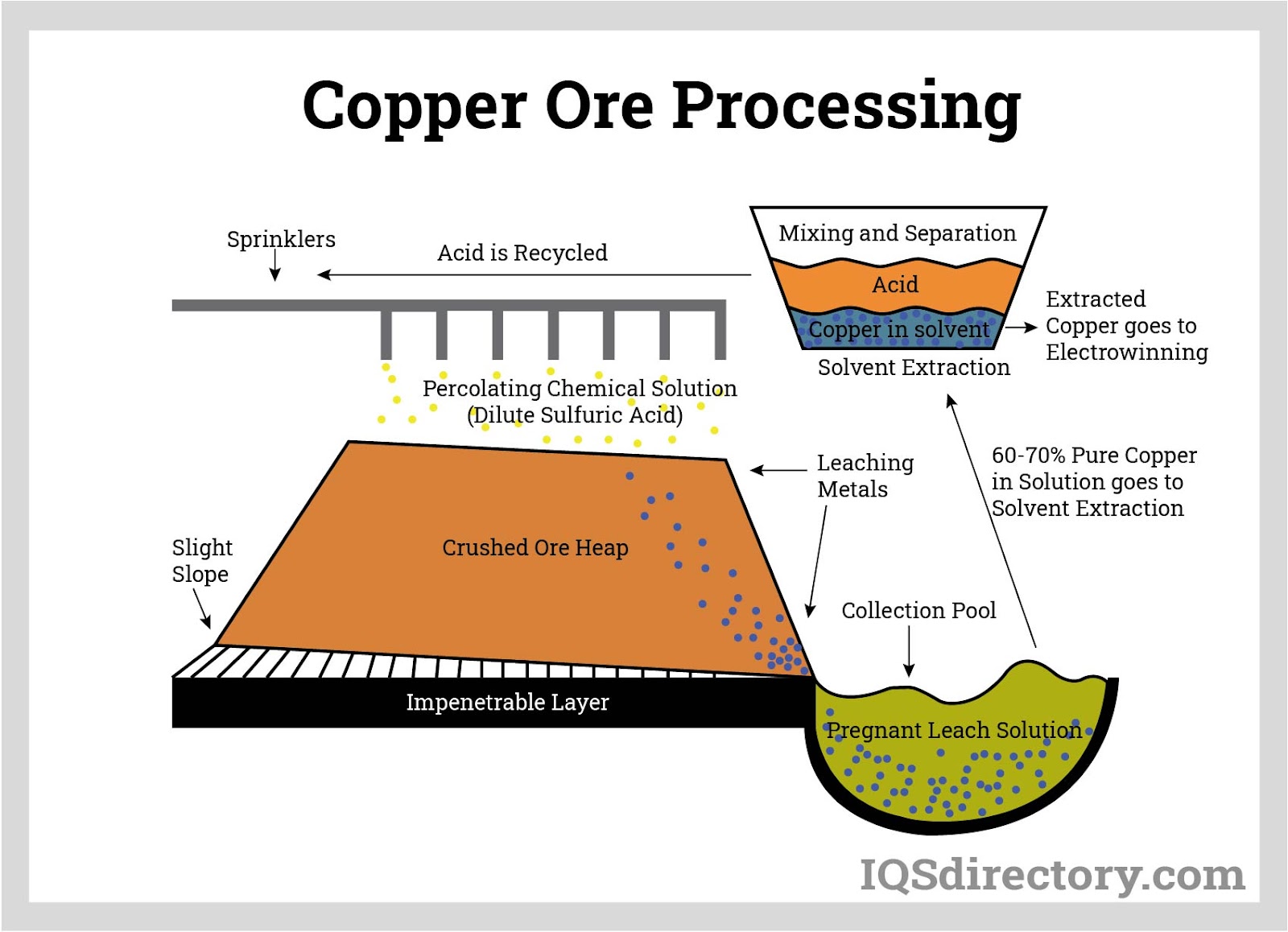
The first step in copper manufacturing is preform fabrication, which may involve copper powder, ingots, billets, or other feedstock prepared for downstream processing. These starting forms allow manufacturers to produce copper components in a wide range of sizes, tolerances, and tempers, supporting everything from electrical contacts and heat exchangers to tubing, bar stock, sheet metal, and custom fabricated parts for OEM, MRO, and replacement applications.
Once the preforms are ready, manufacturers use a range of forming and refining operations to shape copper into finished products. Common methods include drawing and cold drawing, casting, hot and cold rolling, forging, and extrusion, with each process selected according to the required geometry, wall thickness, grain structure, temper, and end-use performance. Buyers often evaluate these capabilities when sourcing copper products for electrical conductivity, corrosion resistance, close tolerances, surface finish, or secondary fabrication.
Copper mills frequently employ cold drawing for wire and rod production because the process supports dimensional accuracy, surface consistency, and strong conductive performance. Foundries cast parts from scrap copper and ingots to improve material utilization, while brass mills process both copper and copper alloys through rolling, drawing, forging, and extrusion to create durable semi-finished and finished products. Because pure copper is relatively soft, alloy development plays a major role when applications call for higher strength, wear resistance, spring properties, or structural stability.
After a brass or copper shape has been formed, secondary operations can further refine its appearance, tolerances, temper, and service performance. These processes include annealing, bending, stamping, welding, etching, engraving, polishing, deburring, and clear protective coatings. For buyers comparing suppliers, these value-added services often matter just as much as raw material availability because they affect lead times, finished-part quality, assembly readiness, repeatability, and the supplier’s ability to deliver custom copper components to print.
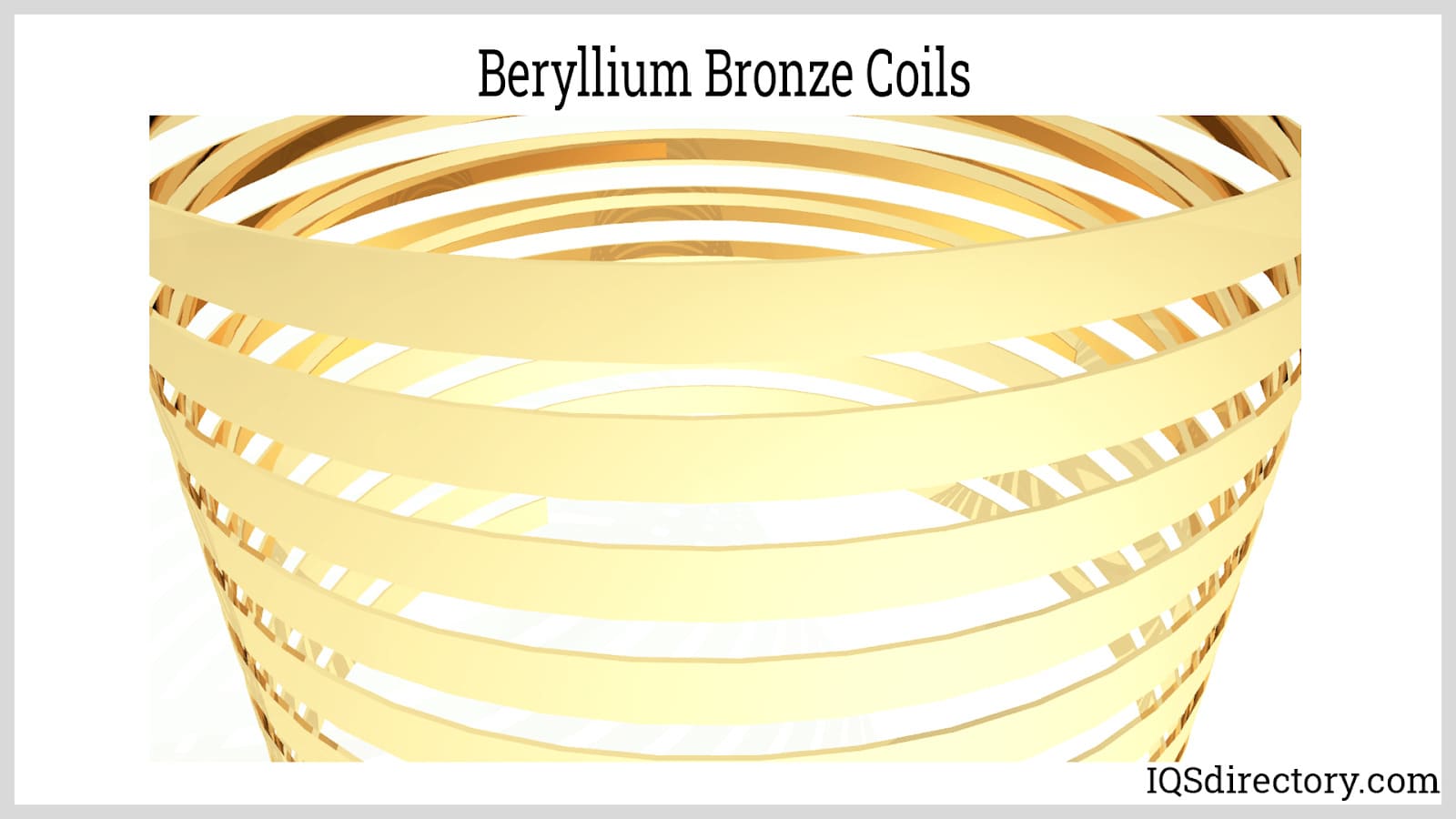
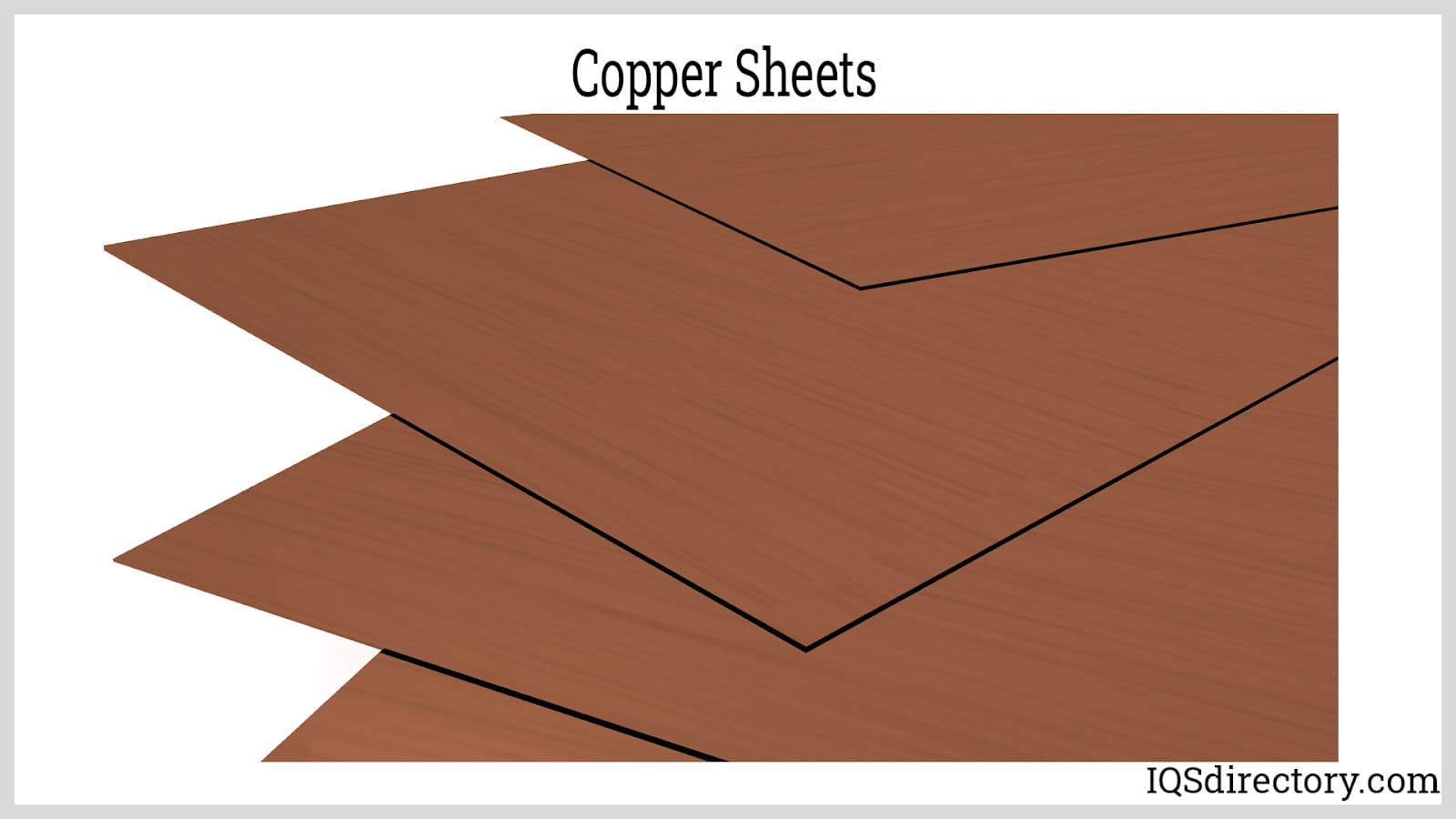
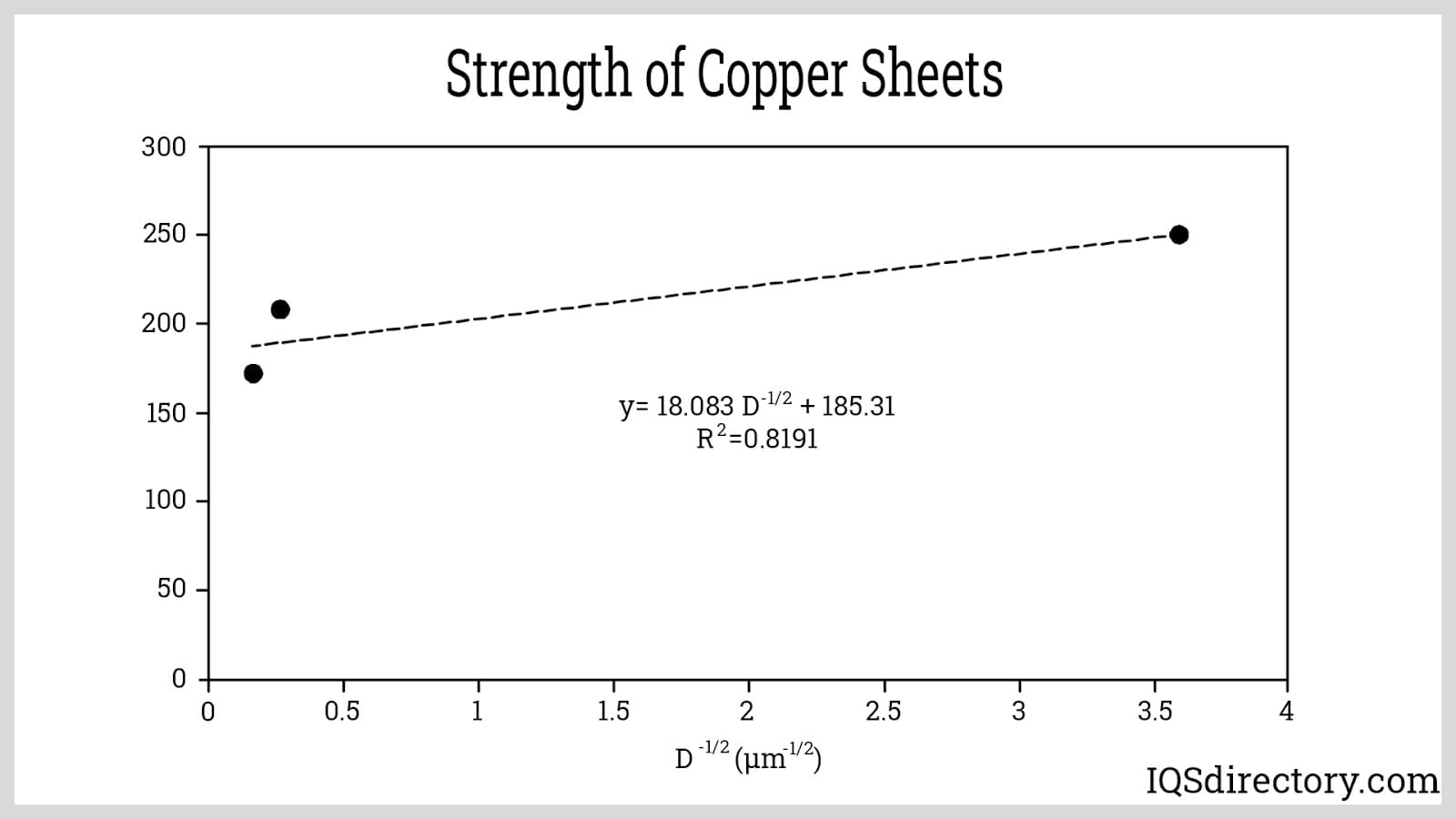
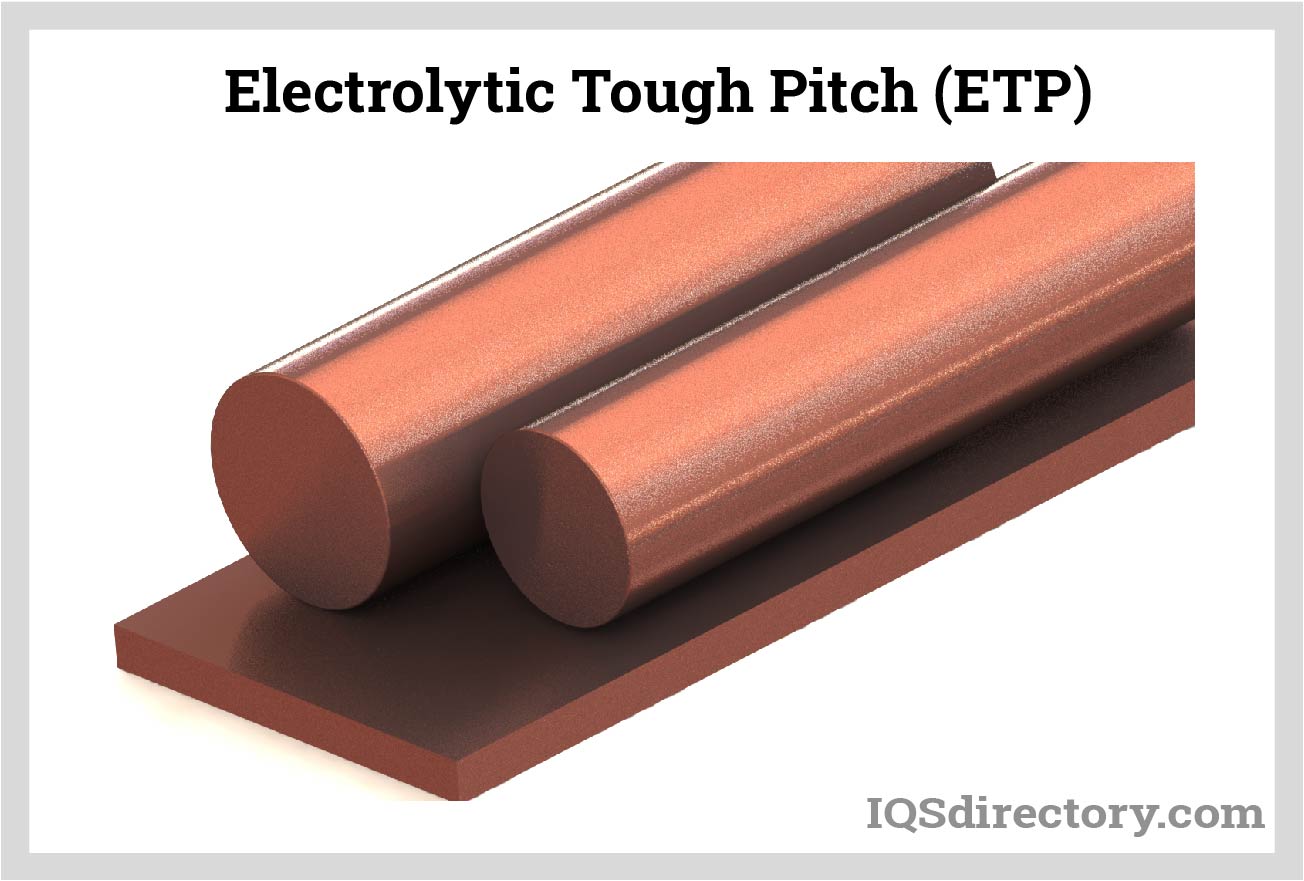
Alloys Copper boasts over 400 alloys, each formulated with varying copper content and unique characteristics suited to specific applications. These alloys can be broadly categorized into seven main groups: copper, high copper alloys, brasses, bronzes, copper-nickels, copper–nickel–zinc (nickel silver), leaded copper, and special alloys. Among the most well-known copper alloys are brass—a combination of copper and zinc—and bronze, which consists primarily of copper and tin. Both alloys retain a significant copper content while exhibiting enhanced mechanical and corrosion-resistant properties. Other widely used copper alloys include aluminum bronzes, silicon bronzes, phosphor bronze, cupronickel (copper-nickel), and copper-silver, each offering distinct advantages in strength, conductivity, or resistance to environmental conditions. Additional specialized copper alloys include beryllium copper, copper-steel alloys, and copper-stainless steel alloys, which are designed for high-performance applications requiring exceptional strength, conductivity, or corrosion resistance. The vast diversity of copper alloys ensures its continued relevance across a broad spectrum of industries.Copper Images, Diagrams and Visual Concepts
Copper Types
Properties of Copper
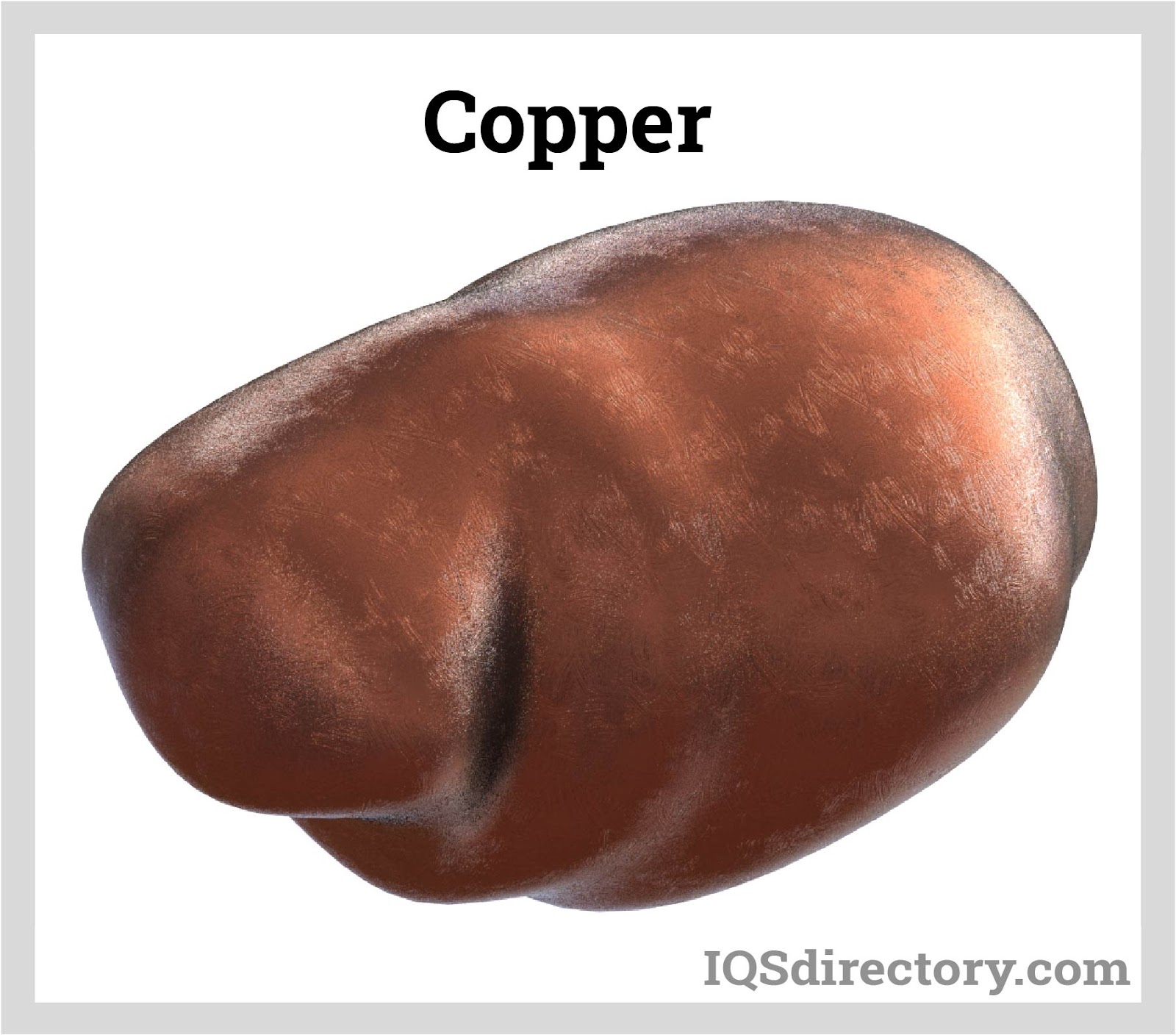
This reddish-orange transition metal is valued for its ductility, malleability, and ability to conduct heat and electricity with impressive efficiency. In pure form, copper is relatively soft, which helps manufacturers machine, bend, stamp, roll, and form it into complex shapes. It is also nonmagnetic and naturally corrosion resistant in many environments. By adjusting temper or introducing alloying elements, manufacturers can raise hardness, strength, spring properties, wear resistance, and pressure capability while preserving many of copper’s most desirable processing and performance traits.
Applications of Copper
Copper serves a broad range of industries because it performs well wherever electricity, heat, fluid movement, durability, or antimicrobial performance matter. Manufacturers use copper in commercial products, industrial equipment, building systems, electrical networks, thermal-management assemblies, grounding systems, renewable-energy components, and decorative architectural features. Search demand often centers on phrases such as copper for electrical applications, copper for plumbing, copper for HVAC, copper for roofing, and copper for heat transfer, all of which reflect the metal’s broad practical value.
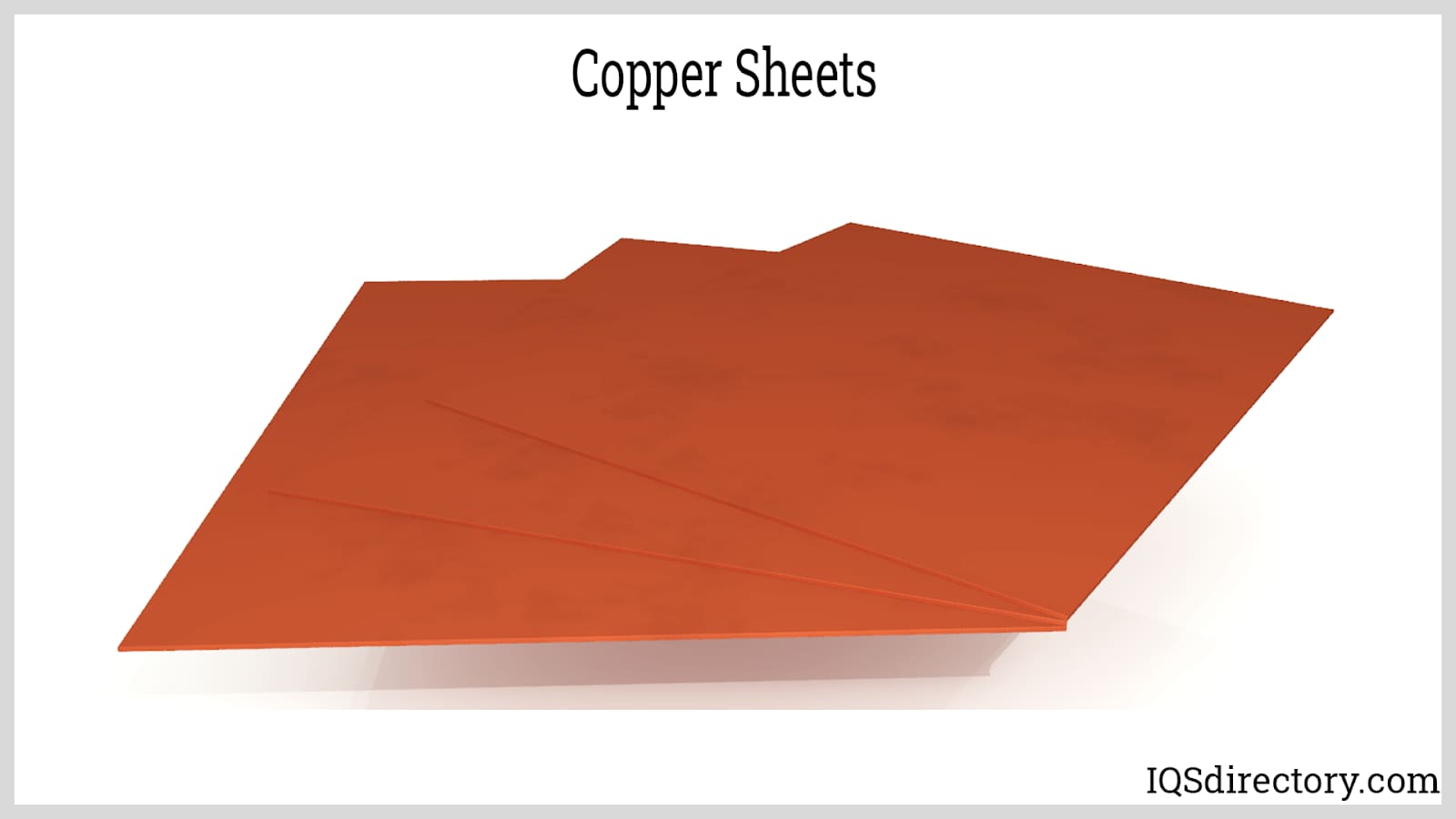
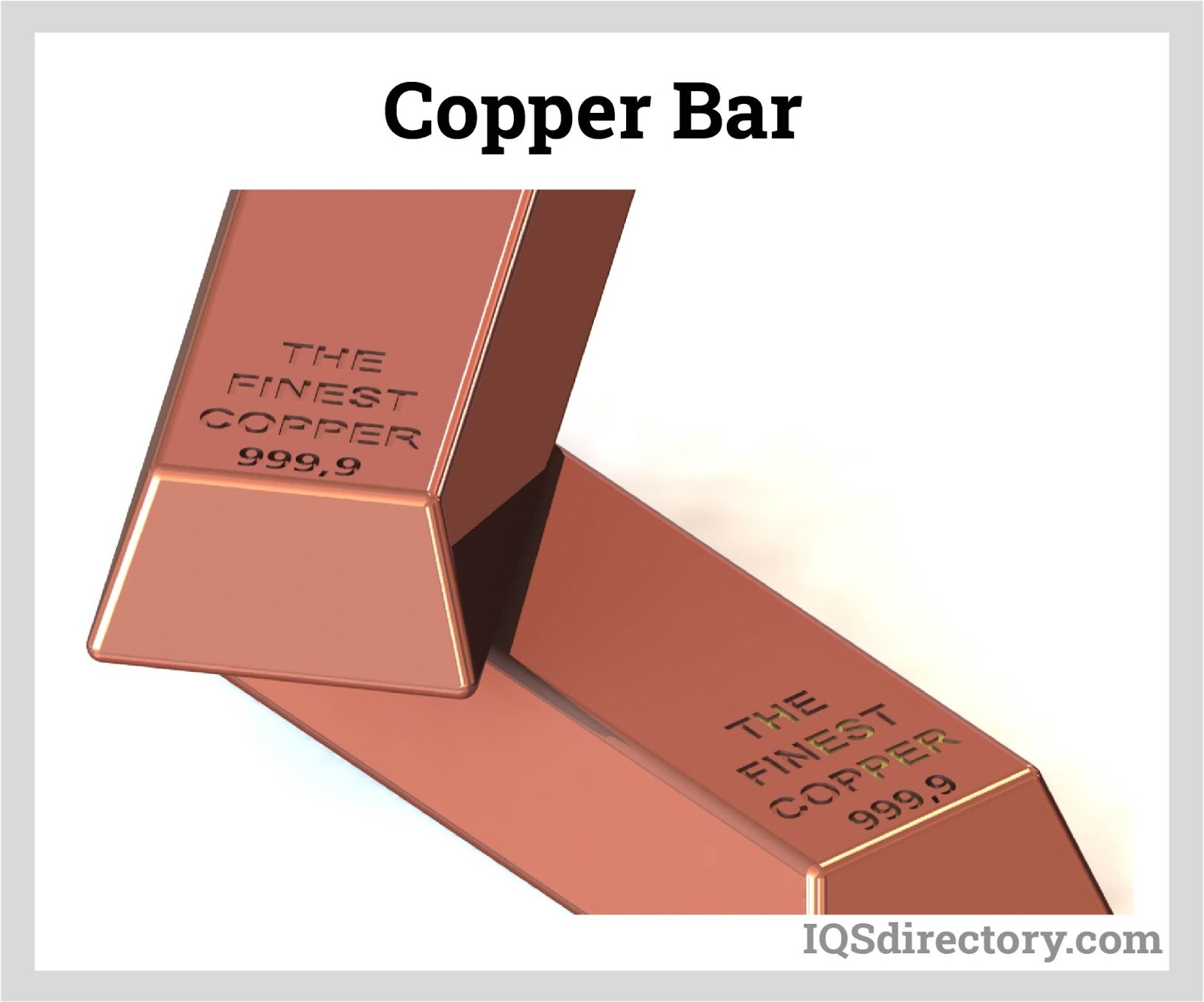
Copper and its alloys play a major role in automotive, architectural, construction, electronics, food processing, marine, aerospace, wiring, power generation, lighting, and telecommunications markets. Their mix of conductivity, corrosion resistance, fabricability, and visual appeal makes them suitable for both high-performance components and finished consumer-facing products. Whether a project calls for copper sheet, copper coil, copper tubing, copper bar, bronze parts, brass hardware, or custom copper fabrication, the material family offers solutions for both production efficiency and end-use reliability.
Products Produced With Copper
Copper suppliers specialize in producing semi-finished forms such as billets, blanks, strip, coil, sheet, rod, and plate that support downstream fabrication into finished parts and assemblies. Copper strip and sheet are often supplied in rolls or cut lengths for stamping, forming, shielding, roofing, and electrical work, while copper tubes move into plumbing, refrigeration, heat-transfer, and process piping systems. Brass rod, brass plate, and brass bar provide thicker, more rigid feedstock for machining, extrusion, and component production across industrial and commercial markets.
These preforms are fabricated into an extensive range of products, including piping systems, propellers, hardware, kitchenware, springs, wires, adapters, terminals, electrical connectors, lighting components, valves, coins, offshore drilling equipment, microchips, roofing materials, heat exchangers, switchgear parts, and architectural details. This range is one reason copper continues to rank highly in buyer research: it can move from raw stock to finished product across many sectors without losing the conductive and corrosion-resistant properties that make it so valuable for both performance and lifecycle cost.
How to Choose the Right Copper Manufacturer
So, you’re ready to purchase a copper product, but with copper available worldwide, where do you begin? Buyers often start by asking practical questions: What form of copper is needed? Do you need pure copper or a copper alloy? Are conductivity, corrosion resistance, machinability, strength, or forming performance the top priority? Defining the application first makes it much easier to compare suppliers, fabrication methods, grades, tempers, and pricing with confidence.
Navigating the market can feel overwhelming, which is why supplier comparison matters. As you review manufacturers, look closely at the product forms they offer, the industries they serve, and whether they support custom fabrication, value-added finishing, or specification-driven production. A strong supplier fit often comes down to details such as minimum order quantities, in-house processing, turnaround times, quality documentation, inventory depth, and geographic location. Buyers searching for copper manufacturers near me, copper distributors, or custom copper fabrication often use these criteria to narrow the field.
Once you have a shortlist, contact each supplier with detailed requirements covering dimensions, alloy grade, temper, tolerances, finish, quantity, delivery schedule, and end-use conditions. Ask about lead times, pricing structure, available mill forms, fabrication capabilities, and how they manage quality control for repeat orders. Responsive service also matters; the right supplier should help align the material choice with the application rather than simply quote a price. Comparing communication, technical support, documentation, and fulfillment reliability can help you move forward with confidence.
Overseas Copper Market
Copper is an abundant and cost-effective material that is widely available in the United States, yet global sourcing remains a major part of the market. Many American companies import copper ore, refined copper, or fabricated copper products to balance price, availability, and production capacity. For buyers, this means copper procurement may involve evaluating domestic mills, international suppliers, and regional distributors while weighing lead time, quality standards, shipping cost, material traceability, and consistency from order to order.
As the global copper market has expanded, major economies such as the United States and the United Kingdom have adopted strict standards, testing practices, and trade policies covering purity, quality, and compliance. These requirements help ensure that imported copper products meet the expectations of electrical, industrial, construction, and manufacturing applications. For organizations purchasing copper for regulated or performance-sensitive uses, documentation, alloy certification, dimensional accuracy, and process consistency are often just as important as price.
Despite heavy reliance on imports in some segments, purchasing copper from American companies can offer meaningful advantages. Domestic suppliers may provide shorter lead times, easier communication, stronger quality oversight, and better support for custom fabrication or repeat production. For buyers evaluating total cost rather than just material price, U.S. sourcing can simplify logistics, improve scheduling reliability, and make it easier to resolve technical questions before an order moves into production.
Copper Terms
Common Questions
7 questions
What Makes Copper One of the Most Widely Used Industrial Metals?
Copper is one of the most widely used industrial metals because it combines excellent electrical conductivity, thermal conductivity, malleability, ductility, and corrosion resistance in one practical engineering material. It is easy to fabricate, easy to recycle, and available in many forms, making it useful for electrical systems, building products, HVAC equipment, transportation components, heat exchangers, grounding hardware, and general manufacturing where dependable performance and long-term value matter.
How Has Copper Been Used Throughout History?
Copper has been used for thousands of years, beginning with early tools, ornaments, and household objects made from native copper. Over time, civilizations refined smelting, casting, and alloying methods that expanded copper into coins, weapons, architecture, cookware, marine hardware, and eventually modern electrical, telecommunications, and industrial applications. Today, that long history supports buyer confidence because copper has remained relevant through every stage of material and manufacturing development.
What Are the Main Advantages of Using Copper and Its Alloys?
Copper and its alloys offer a strong mix of conductivity, corrosion resistance, durability, workability, recyclability, and cost efficiency. Depending on the alloy selected, buyers can also gain improved strength, wear resistance, marine performance, spring properties, machinability, or pressure-handling capability for electrical components, industrial machinery, architectural products, fluid-handling systems, and precision fabricated parts.
How Is Copper Processed and Manufactured into Usable Products?
Copper is commonly produced from powder, ingot, billet, or other preforms that are cast, drawn, rolled, forged, or extruded into usable shapes. Secondary operations such as annealing, machining, stamping, bending, polishing, coating, and finishing help tailor the material to electrical, plumbing, HVAC, architectural, and fabricated component applications. This manufacturing flexibility is one reason copper remains so widely specified across both standard catalog parts and custom-engineered products.
What Are the Most Common Copper Alloys and Their Applications?
Common copper alloys include brass, bronze, cupronickel, beryllium copper, phosphor bronze, and aluminum bronze. Each alloy family is selected for specific performance goals, such as corrosion resistance, strength, conductivity, marine durability, wear resistance, or spring performance in demanding industrial environments. For buyers comparing copper alloy options, the right selection usually comes down to balancing conductivity, machinability, environmental exposure, and mechanical load.
Why Is Copper Recycling Important for Modern Manufacturing?
Copper recycling matters because it conserves raw materials, reduces waste, and supports a more efficient manufacturing supply chain without sacrificing quality. Recycled copper retains valuable performance characteristics, which makes it highly useful in electrical, plumbing, construction, transportation, and general industrial applications. For companies focused on material recovery and sustainability goals, copper offers strong value because it can re-enter production while maintaining functional performance.
What Are the Benefits of Buying Copper from U.S. Suppliers?
Buying copper from U.S. suppliers can support faster delivery, easier communication, dependable documentation, and stronger quality control. Domestic sourcing can also simplify custom fabrication, reduce logistics complexity, and help buyers secure copper products that meet demanding performance standards for manufacturing, power distribution, telecommunications, building systems, and specification-driven industrial work.