




Poly Tubing: Types, Materials and Uses
IQS Directory EditorialUpdated 6 chapters
7 leading suppliers listed with this guide
Browse poly tubing suppliersContents (6 chapters)
This article takes an in depth look at Poly Tubing.
You will learn more about topics such as:
- What is Poly Tubing?
- How Poly Tubing is made
- Materials used to make Poly Tubing
- Uses for Poly Tubing
- And much more…
What Is Poly Tubing?
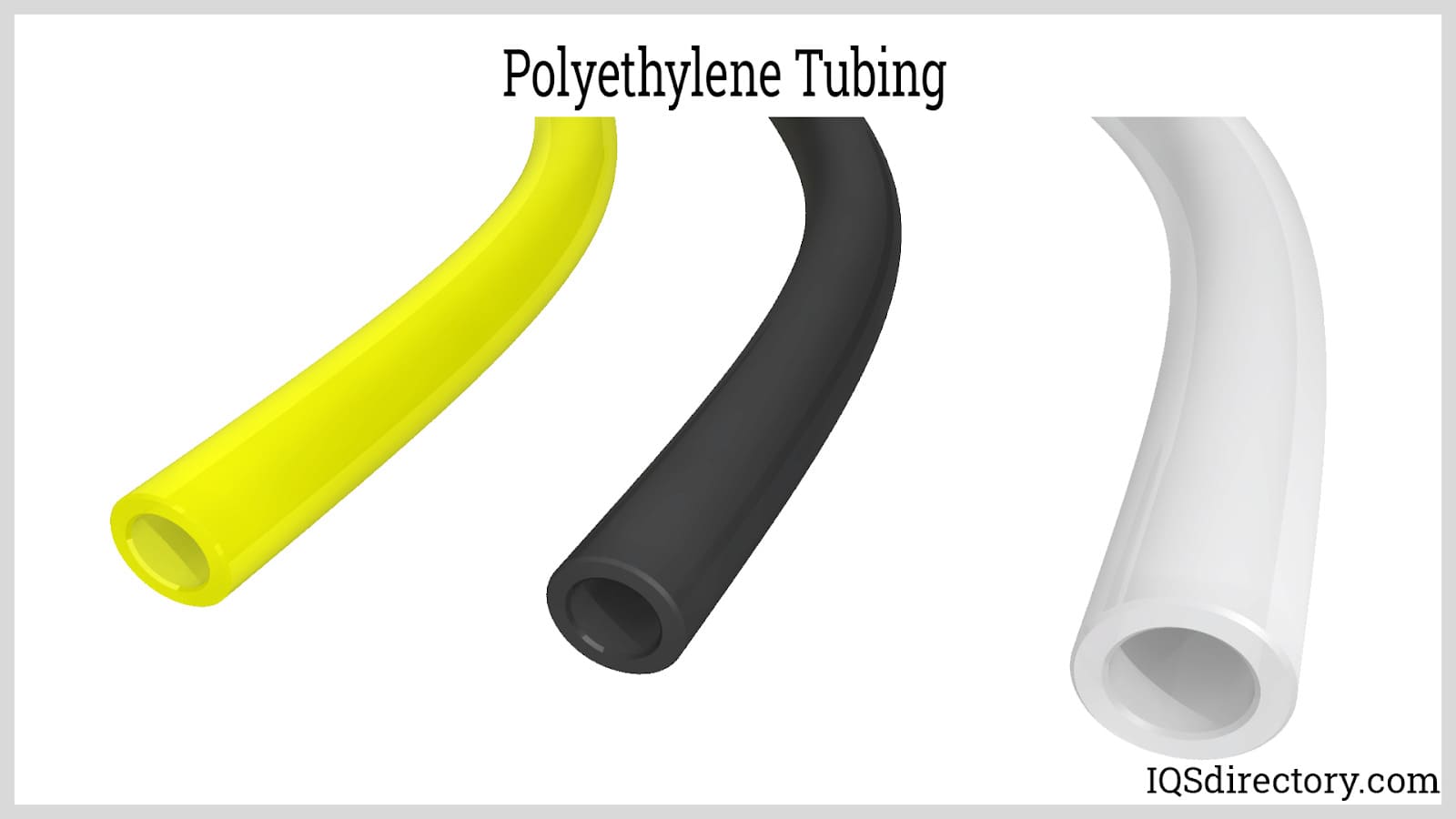
Polyethylene tubing stands out for its lightweight, flexible, and durable nature. It is produced using various polymers such as polyethylene, polypropylene, and polyurethane, which are products of ethylene polymerization. This tubing type is incredibly versatile, with walls that are resistant to cracking, impact, and breaking, making it a reliable choice for fluid transfer, air lines, chemical handling, and general industrial applications. Notable types include high-density polyethylene (HDPE) and low-density polyethylene (LDPE), both of which are widely used in commercial, agricultural, and plumbing systems.
Poly tubing encompasses all tubing varieties made from distinct polymers originating from natural gas and crude oil. Its widespread use is primarily due to its cost-effectiveness, with polyethylene recognized as one of the most economical resin options on the market. Buyers often evaluate poly tubing by factors such as chemical resistance, temperature tolerance, pressure rating, flexibility, and wall thickness, especially when selecting tubing for irrigation, beverage transfer, laboratory use, or packaging applications.

The major difference between HDPE and LDPE is their degree of flexibility. LDPE is notably flexible, whereas HDPE is more sturdy and less pliable. Despite these variations, both poly tubing types offer comparable integrity and durability. The extrusion process is predominantly employed in manufacturing poly tubing, among other techniques, allowing producers to create consistent inner diameters, smooth surfaces, and custom specifications for many hose and tubing requirements.
Polyurethane is a common resin used for making poly tubing, distinguished by its capacity to be either rigid or flexible. It was first developed during World War II as a substitute for rubber. The enhanced durability and performance of polyurethane over rubber contributed to its rising usage both during and subsequent to the war. Today, polyurethane tubing is valued for excellent abrasion resistance, kink resistance, and long service life in demanding environments where reliability and performance matter most.
How Poly Tubing Is Made?
Poly tubing, also known as plastic tubing or poly pipe, is manufactured from high-performance thermoplastics such as polyurethane, polypropylene, and polyethylene. These polymers are constructed from ethylene chains consisting of carbon and hydrogen atoms. The base materials for creating these polymers are sourced from crude oil and natural gas, with natural gas being the more commonly used feedstock in modern plastic production. The specific wall thickness, density, and diameter of poly tubing are meticulously tailored for its intended use, whether for industrial piping, irrigation tubing, medical applications, or flexible packaging. Key characteristics such as rigidity, flexibility, and clarity are determined by adjusting the manufacturing process and resin selection, making poly tubing a versatile solution for a range of industries.
Poly tubing generally falls into two categories: HDPE (High Density Polyethylene) and LDPE (Low Density Polyethylene). HDPE is characterized by its rigidity, high tensile strength, and inflexibility, making it ideal for applications requiring durability and chemical resistance, such as water lines and industrial piping. In contrast, LDPE offers greater flexibility, transparency, and adaptability, often used in applications like plastic bags, protective sleeves, and cable coverings. Despite the differences in their thickness and molecular structure, both types of polyethylene are initially processed using heat derived from petroleum products.
Raw Material
The process of manufacturing poly tubes begins with the production of the raw material, polyethylene. The production of polyethylene (PE) involves the polymerization of ethylene gas sourced from crude oil or natural gas. Polyethylene is part of a larger family of polyolefins, which range in configuration from low-density (for softer, more flexible tubing) to high-density (for rigid, more robust tubing), each offering different physical properties, chemical resistance, and environmental durability. The molecular structure of polyethylene, shown below, is foundational to its performance in applications demanding flexibility, impermeability, and strength.

When discussing poly tubing manufacturing, there are four primary processes utilized in the plastics industry: extrusion, injection molding, blow molding, and rotomolding (rotational molding). Though all these methods start by heating polyethylene, each delivers tubing with different mechanical properties, surface finishes, and tolerances, catering to a variety of commercial, agricultural, and consumer needs.
The manufacturing process selected for poly tubing production directly impacts its performance in real-world applications. For example, the chosen process can influence flexibility, resistance to stress cracking, transparency, and the ability to withstand harsh chemicals or UV exposure—crucial factors for buyers comparing materials for their specific requirements. High-quality poly tubing is further refined through control of additives such as UV stabilizers, colorants, and anti-static agents to meet regulatory and customer specifications.
Extrusion
Extrusion is the most prevalent and efficient method used to produce poly tubing and flexible plastic pipe. The extrusion process begins by feeding polyethylene resin pellets—sometimes blended with pigments or performance additives—into a hopper. A rotating screw mechanism moves the pellets through a heated barrel, gradually melting them and ensuring even temperature distribution to prevent material degradation.

As illustrated above, the molten material advances through the extruder, where it passes through filters, including a screen and breaker plate, that remove contaminants and ensure a homogenous melt. The pressure in this stage reaches up to 5000 psi to guarantee the material flows uniformly. Subsequently, the pressurized resin is forced through a custom-designed extrusion die that determines the tube's internal diameter and wall thickness according to precise specifications.
Once extruded, the hot poly tube enters a calibration bath—commonly a water bath—where it is rapidly cooled and retains its cylindrical form. A controlled vacuum system may be employed to preserve the tube’s dimensions and prevent deformation. Downstream, the continuous tube is cut into specified lengths and may undergo post-processing such as printing, coiling, or surface treatment to improve bonding or aesthetics.
Extrusion offers several advantages for producers and end-users, including high throughput rates, low production cost per unit, and the ability to manufacture a variety of tube sizes and custom cross-sections. The process is widely used for irrigation tubing, pneumatic and hydraulic lines, wire insulation, and food-grade poly tubing, emphasizing the importance of consistent quality control during production.

Rotational Molding
Rotational molding, or rotomolding, is a heat-based polymer forming process ideal for manufacturing large-diameter poly tubes, storage tanks, and hollow vessels with complex geometries. In rotomolding, plastic in powder, granular, or liquid form is loaded into a closed mold that is then heated and rotated along two perpendicular axes. This unique motion causes the plastic material to melt and evenly coat the interior surfaces of the mold, producing seamless, stress-free cylindrical products.
Rotational molding is valued for its ability to deliver precise wall thickness, custom shapes, and smooth finishes in the final product. This method is especially beneficial for low to medium production volumes where each poly tube or container is molded individually to exact customer specifications. However, it is more labor-intensive and carries higher tooling costs compared to extrusion, making it ideal for specialty poly tubing or one-off applications requiring unique properties like impact resistance or thermal insulation. Once molding is complete, the part is cooled—either at ambient temperature, using mist spray systems, or a combination—to maintain dimensional accuracy and structural integrity.

Pultrusion
Pultrusion is an advanced, continuous manufacturing process that draws heated thermoplastic materials, such as reinforced polyethylene or polypropylene, through a die to shape and cure the tubing. Unlike traditional extrusion, pultrusion combines both pulling and extrusion actions, applying pressure and mechanical tension as the material is pulled over a mandrel to set the tubing’s internal shape and diameter. This results in exceptionally straight, high-strength tubing with consistent quality along its entire length.
This process enables production of poly tubing in a variety of diameters, wall thicknesses, and composite configurations, handling applications that demand superior mechanical performance, corrosion resistance, and custom reinforcement. The cured tubing is automatically cut to precise lengths, allowing for streamlined production suited to industries like telecommunications, fiber optic conduits, and structural components. Closely related, pullbraiding incorporates braided fibers around the core tube during formation, delivering enhanced burst strength, pressure rating, and a distinctive appearance for high-performance applications.
Both pultrusion and pullbraiding are favored in applications where lightweight construction, a high strength-to-weight ratio, and excellent dimensional stability are critical for end users, such as in aerospace, automotive, or advanced industrial systems.

If you are considering poly tubing for your next project—whether for plumbing, chemical transfer, irrigation, or industrial automation—understanding the different materials (HDPE, LDPE, polypropylene, polyurethane), production processes, and application-specific requirements is vital for cost-effective, long-lasting solutions. For buyers and specifiers, partnering with an experienced poly tubing manufacturer ensures that all products meet industry standards for pressure rating, chemical compatibility, and quality assurance. By selecting the right combination of material, diameter, wall thickness, and production method, you can maximize the performance, durability, and value of your poly tubing investment.
What Are the Top Poly Tube Producing Machines?
Poly tube manufacturing is a vital process in modern industrial production, especially across North America, including the United States and Canada. Poly tubing, also known as polyethylene tubing or poly pipe, is widely used in industries such as medical device manufacturing, agriculture, food and beverage packaging, pharmaceuticals, and chemical processing. The demand for high-quality, durable, and customizable poly tubing drives the need for advanced extrusion technology and machinery. Below, we provide an expert overview of the top poly tube producing machines, highlighting their features, capabilities, and advantages for large-scale and specialty poly tubing applications.
Model: Davis-Standard DS-SPF
Manufacturer: Davis-Standard, LLC.
Features: The Davis-Standard DS-SPF is a leading blown film extrusion machine, recognized for its versatility, precision, and energy efficiency in poly tubing production. Its state-of-the-art control systems enable precise thickness regulation, consistent material feed, and high output rates ideal for polyethylene, LDPE, HDPE, and specialty polymers. The DS-SPF supports automation and real-time process monitoring, making it an excellent choice for manufacturers emphasizing productivity, waste reduction, and consistent film gauge. Its robust construction and adaptability for various product specifications make it highly sought after in flexible packaging and industrial tubing markets.
Model: Gloucester Engineering X-SERIES
Manufacturer: Gloucester Engineering Company
Features: The Gloucester Engineering X-SERIES flat die extrusion line sets industry standards for high output, dimensional accuracy, and melt homogeneity in poly tube manufacturing. With advanced polymer extrusion technology, optimized die design, and precise temperature controls, this machine accommodates custom poly tubing of varying diameters and wall thicknesses. The modular platform allows for seamless upgrades and integration of downstream converting equipment like inline printing, slitting, and winding systems, maximizing operational flexibility for processors serving the food packaging, medical tube, and industrial supply sectors.
Model: W&H VAREX II
Manufacturer: Windmöller & Hölscher (W&H)
Features: The W&H VAREX II is a state-of-the-art blown film extrusion system engineered for premium poly tubing production. It is known for its sophisticated automation, high-speed manufacturing capabilities, and precision control of film thickness and width—critical factors for demanding packaging, agricultural film, and medical-grade tubing applications. The VAREX II supports multi-layer film co-extrusion, quick changeovers, integrated surface treatment, and advanced winding technology, ensuring superior product quality and reduced downtime for manufacturers looking to enhance operational efficiency.
Model: Macchi Coex Flex
Manufacturer: Macchi S.p.A.
Features: The Macchi Coex Flex is among the most advanced co-extrusion machines designed for producing multi-layer poly tubing. By blending different resins and controlling individual layer thickness, it delivers enhanced barrier properties, puncture resistance, and tailored functionality for packaging food, pharmaceuticals, and chemicals. Its automated process management, gravimetric dosing, and high-performance die heads enable processors to meet strict regulatory and industry standards for food contact and cleanroom manufacturing. The Coex Flex's precision and flexibility make it ideal for companies requiring specialty films for high-value applications.
Model: Leistritz ZSE MAXX
Manufacturer: Leistritz Advanced Technologies Corp.
Features: The Leistritz ZSE MAXX twin-screw extruder is highly regarded in the poly tubing industry for its exceptional mixing and compounding performance, consistent melt quality, and superior throughput. Engineered for versatility, it efficiently processes a broad spectrum of polyolefins, including LDPE, LLDPE, and specialty copolymers, accommodating advanced formulations and micro-layered structures. Its user-friendly interface, robust construction, and scalability make it ideal for both pilot-scale R&D and commercial poly tube manufacturing, supporting innovation in specialty tubing, flexible conduit, and industrial liner applications.
These advanced poly tube extrusion machines are at the forefront of the plastic processing industry due to their innovative features, high reliability, and efficiency in delivering top-quality poly tubing solutions. Each machine listed supports rapid production, modular customization, and adherence to industry quality standards, helping manufacturers stay competitive in evolving markets. For the latest developments and upgrades, regularly review manufacturer resources and industry publications, as product lines and technology are frequently updated to address new material requirements and regulatory changes.
Choosing the Right Poly Tube Machine: Key Considerations
Selecting the best poly tube production line depends on several factors, including throughput requirements, resin compatibility, layer configuration (mono or multi-layer), automation level, and downstream integration with secondary processes such as cutting, printing, or sealing. Manufacturers should also consider machine footprint, energy consumption, and post-sale technical support to ensure long-term operational efficiency and minimal downtime. Many leading companies offer comprehensive process support, training, and customization to optimize poly tube equipment for unique product specifications and regulatory environments.
Emerging Technologies and Industry Trends
Recent innovations in poly tubing machinery include smart controls for real-time process analytics, sustainable extrusion systems for biodegradable and recycled poly materials, and advanced film cooling for improved clarity and strength. These advancements are rapidly shaping the future of poly tube manufacturing in critical markets demanding medical-grade, FDA-approved, and eco-friendly solutions. Industry stakeholders are encouraged to track these trends, attend trade shows, and participate in technical forums to stay ahead in the competitive landscape. For more information, consult machine manufacturers or trusted industry resources.
Frequently Asked Questions
What Are the Major Types of Poly Tubing?
The main types are high-density polyethylene (HDPE) and low-density polyethylene (LDPE) tubing. HDPE is rigid and durable, while LDPE is more flexible and adaptable. Both types provide strong chemical resistance and durability for various applications.
How Is Poly Tubing Manufactured?
Poly tubing is predominantly made by extrusion, where molten resin is shaped into tubes by forcing it through a die, then cooled and cut to length. Other methods include rotational molding, pultrusion, and pullbraiding, each offering unique product characteristics.
What Are the Advantages of Using Extrusion for Poly Tube Production?
Extrusion allows high production throughput, low unit cost, and precise control of tube size and wall thickness. It produces consistent, quality tubing suitable for a range of markets such as irrigation, food, and medical applications.
Which Industries Commonly Use Poly Tubing in North America?
In the United States and Canada, poly tubing is widely used in industries like medical device manufacturing, agriculture, food and beverage packaging, pharmaceuticals, and chemical processing due to its versatility and durability.
What Innovations Are Shaping the Future of Poly Tube Manufacturing?
Key innovations include smart process controls, sustainable extrusion systems for recycled and biodegradable materials, advanced film cooling, and precise, multi-layer co-extrusion—enhancing product clarity, strength, and eco-friendliness.
How Do Manufacturers Ensure Poly Tubing Meets Specific Requirements?
Quality control is achieved by adjusting material selection, wall thickness, and production methods. Additives like UV stabilizers, colorants, and anti-static agents are included to meet regulatory standards and customer needs.
What Materials Are Used to Make Poly Tubing?
Poly tubing is made from polyethylene, a widely used plastic known for its compatibility with chemicals, gases, and liquids. Often referred to as poly tube or PE in engineering and design contexts, polyethylene is frequently compared to polyurethane, which was developed during World War II as a substitute for rubber.
While polyethylene is less flexible than polyurethane, it offers superior resistance to moisture, cracking, and puncturing. Its impressive strength and durability make it a preferred material for producing corrosion-resistant piping.
Polyethylene is a polymer, which consists of repeating units called monomers. These monomers bond together to create polymers, with polyethylene being one of the most prevalent types. Although this describes the basic structure of polyethylene, there are various forms with different densities, molecular weights, and degrees of crystallinity. The distinctions between these polyethylene types are primarily due to the number and arrangement of side branches in their molecular structure.
High Density Polyethylene (HDPE)
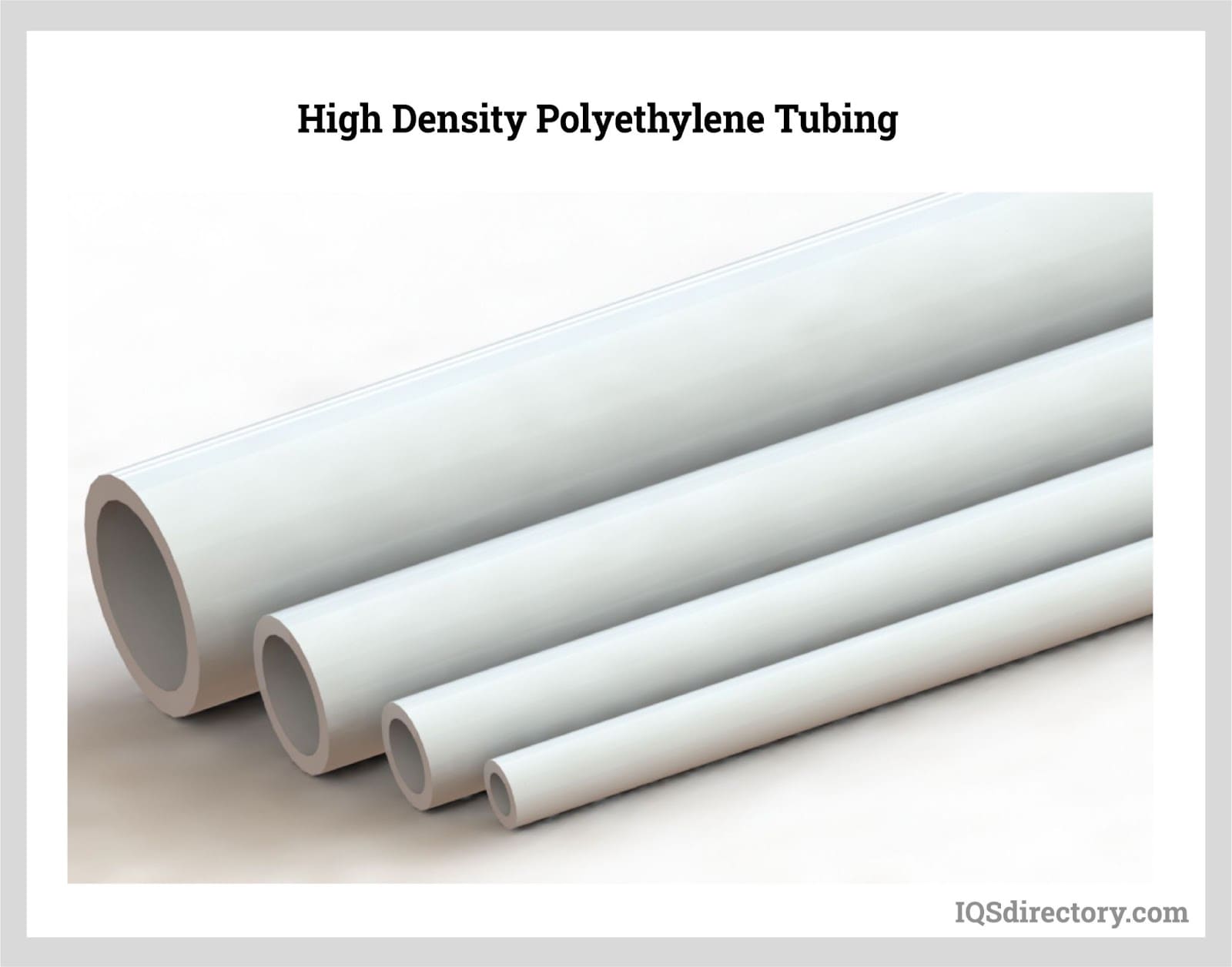
HDPE has the lowest number of branches and is a cost effective and tough thermoplastic. The process for producing HDPE involves low temperature and low pressure to produce a density of 0.941 g/cm3. The lower number of branches is due to how tightly the molecules are packed together with stronger underlying intermolecular forces.
HDPE is selected for production because of its excellent tensile strength, durability against weather conditions, water resistance, and toughness in low temperatures. Additionally, it offers translucence and strong chemical resistance. HDPE is also known for its resistance to solvents, dilute acids, alkalis, and alcohols, as well as its moderate resistance to oils and greases.
Low Density Polyethylene (LDPE)
LDPE features more branching compared to HDPE, with a mix of long and short polymer chains. It has a semi-rigid structure and is produced under high pressure. This high-pressure process results in LDPE having less intermolecular strength and a less densely packed crystal structure than HDPE. Consequently, LDPE exhibits high ductility but lower tensile strength.
Like HDPE, LDPE resists dilute acids, alkalis, and alcohols. However, it shows only average resistance to hydrocarbons, mineral oils, oxidizing agents, and halogenated hydrocarbons. LDPE offers high impact resistance at low temperatures and good insulating properties. Additionally, being FDA-approved, LDPE is suitable for use in food processing and packaging applications.

| Low Density Polyethylene | |
|---|---|
| Outdoor Weathering | Fair |
| Impact Strength | Excellent |
| Rigidity | Fair |
| Coefficient of Thermal Expansion | Fair |
| Heat Distortion Temperature | Good |
| Clear or Opaque | Opaque |
Linear Low Density Polyethylene (LLDPE)
LLDPE shares a similar structure with LDPE, featuring the same type of branches but with shorter lengths. It is created by polymerizing ethylene with butene, hexene, or octene, resulting in a density range of 0.815 g/cm³ to 0.925 g/cm³. Although LLDPE has lower tensile strength compared to LDPE, it is often used as an alternative in specific applications due to its superior impact and puncture resistance.
LLDPE is distinguished by its translucent, naturally milky color. It has a minimal environmental impact, as it burns cleanly, converting to carbon dioxide and water without emitting harmful fumes. While LLDPE is not typically used for poly tubing, it is primarily utilized in the production of packaging films.

Ultra-High Molecular Weight Polyethylene (UHMWPE)
UHMWPE, or Ultra-High-Molecular-Weight Polyethylene, derives its name from its exceptionally high molecular weight, which ranges from 3.5 million to 7.5 million amu—about ten times greater than that of HDPE. It is manufactured using catalysts, with Ziegler catalysts being the most commonly employed.
UHMWPE is renowned for its superior resistance to wear and cutting, as well as its durability against abrasions. Its outstanding corrosion resistance makes it suitable for use in harsh and aggressive environments. Generally, UHMWPE is characterized as a highly advanced form of polyethylene with exceptional performance qualities.

Cross Linked Polyethylene (PEX or XLPE)
PEX, or cross-linked polyethylene, features cross-linked bonds within its polymer structure, making it a type of high-density polyethylene. It is classified as a thermoset plastic, meaning it cannot be reheated or melted once it has been shaped, and it degrades if melted. PEX is produced through a process that involves free radicals, organic peroxides, and high pressure to achieve the cross-linking.
PEX is highly valued for its exceptional chemical resistance and ability to withstand high temperatures, making it a popular choice for chemical piping in heating and cooling systems. It is also utilized in electrical applications for its insulating properties, such as in high-voltage cables. In plumbing, PEX can be stretched over fittings and then returns to its original shape, ensuring a tight and secure seal.

Polypropylene Tubing
Polypropylene tubing is rigid, has a high melting point, and is puncture and chemical resistant. The strength and endurance of polypropylene tubing makes it able to withstand temperatures ranging from below freezing to temperatures over 275o F or 135o C. The fact that polypropylene is resistant to acids and alkalis makes it an ideal resource for industrial use as part of a fluid system or liner for metal piping.
The widespread use of polypropylene is largely attributed to its affordability and excellent quality. It is frequently employed in both commercial and residential waste removal systems.
Polypropylene tubing, as illustrated in the sample below, is produced in a crystal-clear form, which facilitates visual inspection of its contents.
Polyurethane Tubing
Polyurethane is a polymer created by reacting diisocyanates with polyols, with numerous combinations resulting in various types of polyurethane. Tubing made from polyurethane is known for its flexibility, resistance to kinking, and durability against abrasion. It is available in a range of colors, which can be used for coding and system identification.
Similar to rubber, polyurethane offers strong chemical resistance, making it suitable for use across multiple industries. It is capable of withstanding high pressures and exhibits excellent hydrolytic stability.
Polybutene-1 Tubing
Polybutene-1 is commonly used in plumbing systems due to its mechanical performance, exceptional flexibility, and excellent thermoplastic characteristics. Its ease of installation and flexibility contribute to its widespread use.
Polybutene-1 is produced using butene isomers, a basic hydrocarbon with four carbon atoms. This includes 1-butene, 2-butene, and isobutylene, which are incorporated into the polymer structure. The specific properties of polybutene-1 can vary based on the combinations of these molecules.
What Are the Uses for Poly Tubing?
Poly tubing is highly popular due to its flexibility, light weight, durability, and resistance to corrosion. It is well-suited for transporting liquids, gases, and fluids across a broad range of applications. With FDA approval, it is also safe for use in food processing and handling materials in the food industry.
Polyethylene tubing is particularly valuable in situations where additional strength is needed and where there is a risk of corrosion. It offers the benefit of being resistant to rot, odor production, and any alteration of liquid taste.
Medical
Medical tubing must adhere to stringent standards and regulations specific to medical and pharmaceutical applications. It must be capable of handling a range of medical fluids without causing contamination or damage.
Poly tubing for medical use includes tubing for anesthesiology and respiratory equipment, intravenous tubes, catheters, and peristaltic pumps. When poly tubing is sold as medical tubing, it is labeled as such with a list of the standards that it meets as well as the applications for which it is appropriate.
Agricultural Irrigation
Poly tubing or pipes are commonly used in agriculture for crop irrigation because they resist deterioration, rust, and corrosion. Unlike irrigation canals, which can experience fluctuations in water supply, poly tubing ensures a steady flow of water simply by opening the outlet. This setup provides consistent irrigation with minimal oversight.
Although the initial investment in poly tubing or piping is higher, the cost is offset by reduced labor expenses, as only two workers are needed for installation. Additionally, poly tubing's durability means it stays in place without shifting or breaking. Available in various diameters and wall thicknesses, poly tubing can be tailored to suit the specific needs of an irrigation system.

Food and Beverage Processing
Components intended for the food and beverage industry must be manufactured to ensure the highest levels of sanitation and consumer safety. Tubing used in food processing must comply with FDA regulations, which set standards for any product that comes into contact with food.
The food and beverage industry typically uses Food Grade UHMWPE polyethylene tubing, which is suitable for all stages of food production due to its compliance with safety and quality standards.
Regulations Regarding Poly Tubes for Food and Beverage Processing
- FDA - determines materials that may be used in contact with food products and publishes the Code of Federal Regulations.
- USDA - United States Department of Agriculture Food and Safety and Inspection Service regulates food handling practices and specifies documentation for food handling equipment.
- 3-A (Dairy and Milk) – has sanitary standards and practices for equipment and systems for milk processing, milk products, and other perishable foods.
- European Union (EU) EU 10/2011 specifies rules for plastic materials that come in contact with food.
Chemical Industry
HDPE and LDPE exhibit high compatibility with a wide range of chemicals, demonstrating resistance to strong acids, bases, oxidants, and reducing agents. Both types of polyethylene have been tested with over 150 chemicals at temperatures between 20°C and 50°C, showing positive interactions.
After 30 days of exposure to these chemicals, neither HDPE nor LDPE displayed any signs of damage, and both are projected to withstand similar conditions for up to a year. However, their performance declines when exposed to hydrocarbons, including aliphatic, aromatic, and halogenated types.
Air Compressors
Though tubing is not considered an essential part of an air compressor, its significance radically improves when it clogs or fails. Even if it does not fail, there can be power losses and lowered efficiency when the wrong tubing is used.
Poly tubing is a preferred option for air compressors due to its reliability and efficiency in delivering compressed air. To perform effectively, air compressor tubing must handle air at the required volume, quality, and pressure to power connected components or devices. Poorly designed tubes and connections can lead to increased costs and potential damage to equipment.
Polyethylene tubing is selected for air compressors because it is resistant to corrosion and rust, lightweight, and simple to connect and install. Its smooth interior facilitates unobstructed airflow, while its durability and strength ensure long-term performance.

Water Tubing and Piping
In the mid-20th century, many types of plastic or polymer tubing and piping proved unsuitable for plumbing due to issues like cracking, leaking, and other problems, leading to numerous lawsuits and litigation. In the 1980s, cross-linked polyethylene (PEX) emerged as a viable alternative to these less reliable materials.
PEX has since gained acceptance in the United States for use in water systems and radiant heating applications. Although it requires specialized fittings, its strength, durability, and reliability have established it as an effective solution for plumbing challenges.
HDPE has long been used for plumbing non-potable water systems. It is favored for its compatibility with welded joints, which eliminates the need for special equipment. HDPE’s flexibility allows it to handle harsh conditions and navigate corners without additional joints, enhancing its versatility and resilience.
What Are the Benefits of Using Poly Tubing?
Poly tubing is available in a variety of chemical compounds, each offering distinct advantages suited to different applications. These diverse types of poly tubing provide the flexibility needed for both plumbing systems and medical procedures.
The numerous benefits of poly tubing have established it as the most popular tubing option available. Despite being lightweight and flexible, it maintains the strength and durability necessary to endure frequent and ongoing use.
Crack Resistant
Poly tubing remains stable despite temperature fluctuations and is resistant to weathering, which contributes to its crack resistance. This makes it highly effective in environments with varying cold and warm conditions.
Tensile Strength
All types of poly tubing exhibit remarkable strength and durability. Their tensile strength helps prevent cracking, stress fractures, and impact damage. Poly tubes are resilient due to their resistance to abrasion and wear from fatigue.
A key factor contributing to the tensile strength of poly tubing is its ductility. Ductile materials can stretch and bend under pressure rather than cracking. This flexibility allows poly tubes to withstand strain by adapting to the pressure without breaking.
Light Weight
One of the most remarkable features of poly tubing is its combination of strength, durability, and endurance with lightweight and flexibility. No matter the size or type, poly tubing remains lightweight and flexible, making it an excellent choice for challenging installations and hard-to-reach areas.
In many modern applications, the weight of tubing materials is a critical factor due to considerations of sensitivity, mobility, and ease of installation. Poly tubing is significantly lighter than alternative materials, such as metals. This lightweight characteristic, coupled with its tensile strength and durability, makes poly tubing an invaluable resource for various projects. Its inherent flexibility allows it to adapt easily to complex installation requirements.
Corrosion Resistance
Corrosion is a significant concern in piping installations due to its potential for causing costly problems and reducing equipment efficiency. It can affect both the interior and exterior of pipes. Poly tubing addresses this issue effectively, as it resists rust, corrosion, rot, and biological growth. This resistance contributes to a longer service life and substantial cost savings.
Free of Leakage
Leaking pipes represent a significant cost and are a common issue in approximately 50% of fluid, gas, and liquid systems. Traditional pipe connections often have a predictable rate of leaks, as specified in their usage guidelines. In contrast, poly tubing utilizes heat fusion for its joints and connections, creating a tight, permanent, and durable seal that prevents leaks.
Eco Friendly
In the 21st century, environmental sustainability has become a critical concern for industries, businesses, and manufacturers. It is increasingly used as a key selling point and a primary consideration in the development and marketing of new products.
Poly tubing stands out as an eco-friendly choice due to its energy-efficient production process, ease of transport, and the fact that it does not require additional fittings for connection. Additionally, it does not release toxins during processing and can be recycled multiple times for various applications. Overall, poly tubing offers an ideal solution for tubing and piping needs while supporting environmental sustainability.
Cost
In today's business landscape, cost is often the deciding factor in purchasing decisions. This is why poly tubing is frequently chosen as a preferred material. While materials like copper, stainless steel, and aluminum offer various benefits, they cannot match the cost-effectiveness of poly tubing, which typically ranges from $0.40 to $0.70 per foot, depending on its type and quality.
Due to its numerous advantages, poly tubing has become a vital component in modern manufacturing. Its qualities and performance capabilities surpass those of many other materials, all while maintaining a significantly lower cost.
Conclusion
- Poly tubing is a highly flexible, lightweight, and durable tubing that is produced from polyethylene, a polymer that is made from the polymerization of ethylene.
- The wall thickness and rigidity of poly tubing determines its classification.
- The main types of poly tubing are high density polyethylene (HDPE) and low density polyethylene (LDPE).
- Poly tubing is one of the most used types of tubing due to its flexibility, light weight, durability, and corrosion resistance.
- Poly tubing comes in a wide range of chemical compounds, each of which has advantages for any application.