





Homogenizer: Uses, Types and Functions
IQS Directory EditorialUpdated 5 chapters
8 leading suppliers listed with this guide
Browse homogenizer suppliersContents (5 chapters)
This article takes an in-depth look at homogenizers.
Read further to learn more about topics such as:
- What is a homogenizer?
- Theories and principles
- Types of homogenizers
- Additional functions of homogenizers
- And much more…
Chapter 1: What Is a Homogenizer?
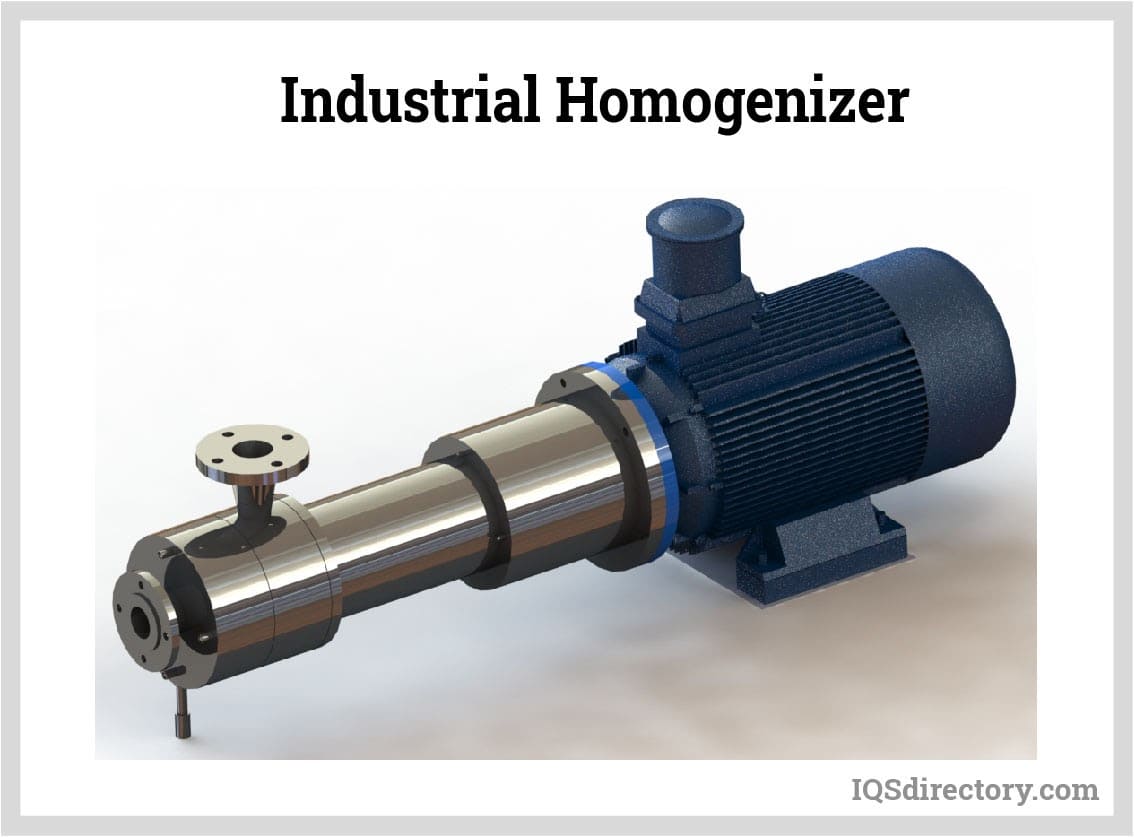
A homogenizer is a specialized mixing device designed to create a uniform, stable, and consistent blend by forcing substances through a restricted passage under high pressure. Various forces such as turbulence, cavitation, and shear, along with controlled pressure, are applied to homogenize the solution contents evenly. Homogenizers are equipped with a positive displacement pump and a homogenizing valve configuration. The pump propels the material under pressure through a small gap situated between the valve seat and valve itself. This pressure-induced flow and subsequent turbulence ensure thorough mixing, particle size reduction, and improved product consistency. Many industries depend on homogenizers for producing stable, uniform, and reliable products, beyond just mixing. Homogenizers are also used for emulsifying, suspending, grinding, dispersing, dissolving, and deagglomerating materials. Industries like pharmaceuticals, beverages, dairy processing, cosmetics, biotechnology, and chemicals capitalize on homogenizers for enhancing product quality, shelf life, and consistency.
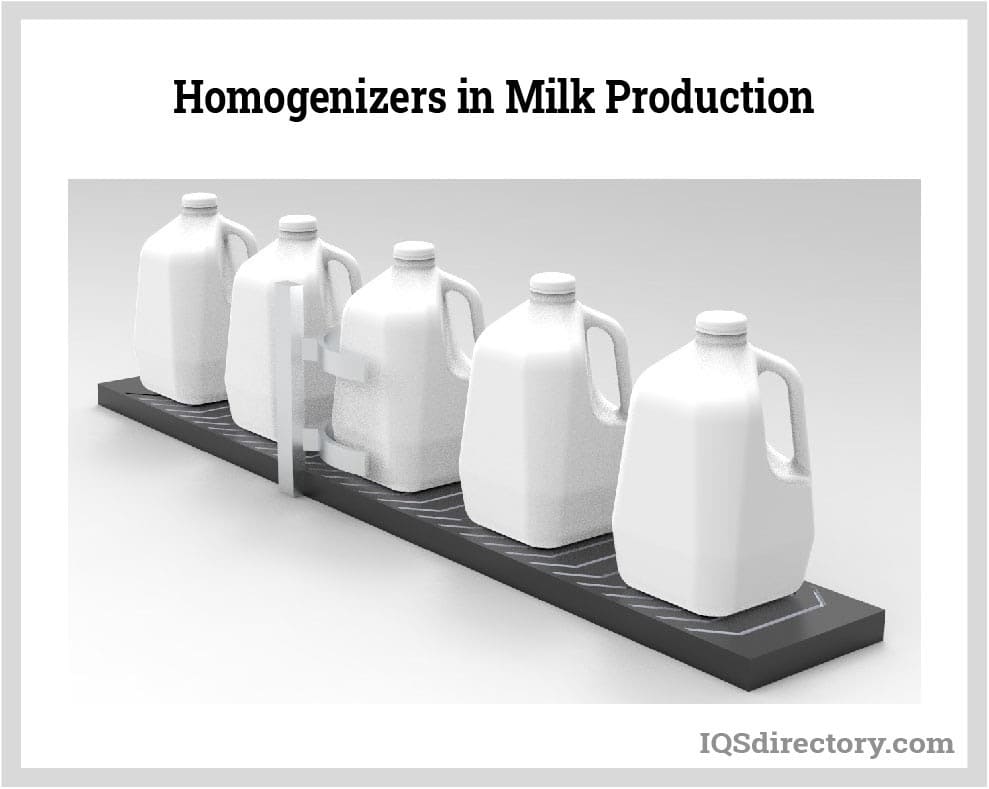
Homogenizers are frequently paired with high shear mixers, batch mixers, and paddle mixers, and are installed downstream to achieve finer mixtures and more efficient inline processing. In many production lines, they are selected for emulsification, dispersion, and consistent texture control in liquid formulations, including dairy, sauces, lotions, syrups, and pharmaceutical suspensions. Some homogenizers, however, have limitations when it comes to processing materials with highly coarse particles, as this can lead to increased energy use, reduced flow rate, heat buildup, and accelerated wear on components. Upstream mixers help condition and prepare materials through premixing before the homogenization process begins, improving feed consistency and supporting better throughput.
History
The invention and evolution of homogenizers started in the early 20th century with Auguste Gaulin’s groundbreaking design for milk homogenization. His apparatus included a three-piston positive displacement pump and capillary tubes at the outlet, which acted as throttling devices, converting fluid pressure into velocity. Consequently, milk droplets were driven against a concave valve located downstream from the capillary tubes. This early innovation helped establish modern dairy homogenization by reducing fat globule size, improving emulsion stability, and creating a smoother, more uniform product.

Subsequent refinements in homogenizer technology replaced multiple capillary tubes with a singular, narrow tube. The key innovation was the narrow gap inside this tube, where the primary homogenization process took place. This advancement led to various gap geometries, further expanding and improving the equipment's range of applications and effectiveness. Over time, these design improvements supported modern high-pressure homogenization systems used across food, beverage, pharmaceutical, and industrial manufacturing environments, where reliable particle size reduction and product stability are essential.
Chapter 2: What Are the Theories and Principles Behind Homogenizers?
Over the years, several theories have emerged to explain the science of the homogenization process, especially in the context of high pressure homogenizers. Homogenization is a critical engineering process in a wide variety of industries—including food and beverage production, pharmaceuticals, cosmetics, biotechnology, and chemical processing—driven by the need to achieve consistently fine particle or droplet size distribution in fluid mixtures. The two most widely accepted theories describing how homogenizers operate are globule disruption by turbulence and cavitation. These foundational principles reveal how homogenizers use mechanical forces to achieve stable emulsions and suspensions.
The globule disruption by turbulence theory suggests that as a liquid jet exits through a narrow gap or valve, intense turbulence generates myriad small eddies or micro whirls. Under increased pressure, the velocity of these jets rises, increasing the energy and size of the eddies. When droplets within these turbulent flows collide, they deform, elongate, and break into smaller, more uniform particles. The extent of reduction in droplet or particle size, often measured as particle size distribution, typically correlates directly with the pressure applied during the homogenization process—making pressure optimization essential for achieving desired product uniformity.
In contrast, cavitation theory explains how sudden pressure changes during homogenization form vapor bubbles or cavities in the liquid. When these bubbles collapse, or cavitate, they release intense localized energy—creating high-speed micro-jets that powerfully impact and break apart suspended droplets, fat globules, or solid particles. This energy disperses particles, resulting in a finer, more homogenous mixture. The synergy between turbulence and cavitation is essential for efficient mechanical disruption in both high-pressure and ultrasonic homogenizers.
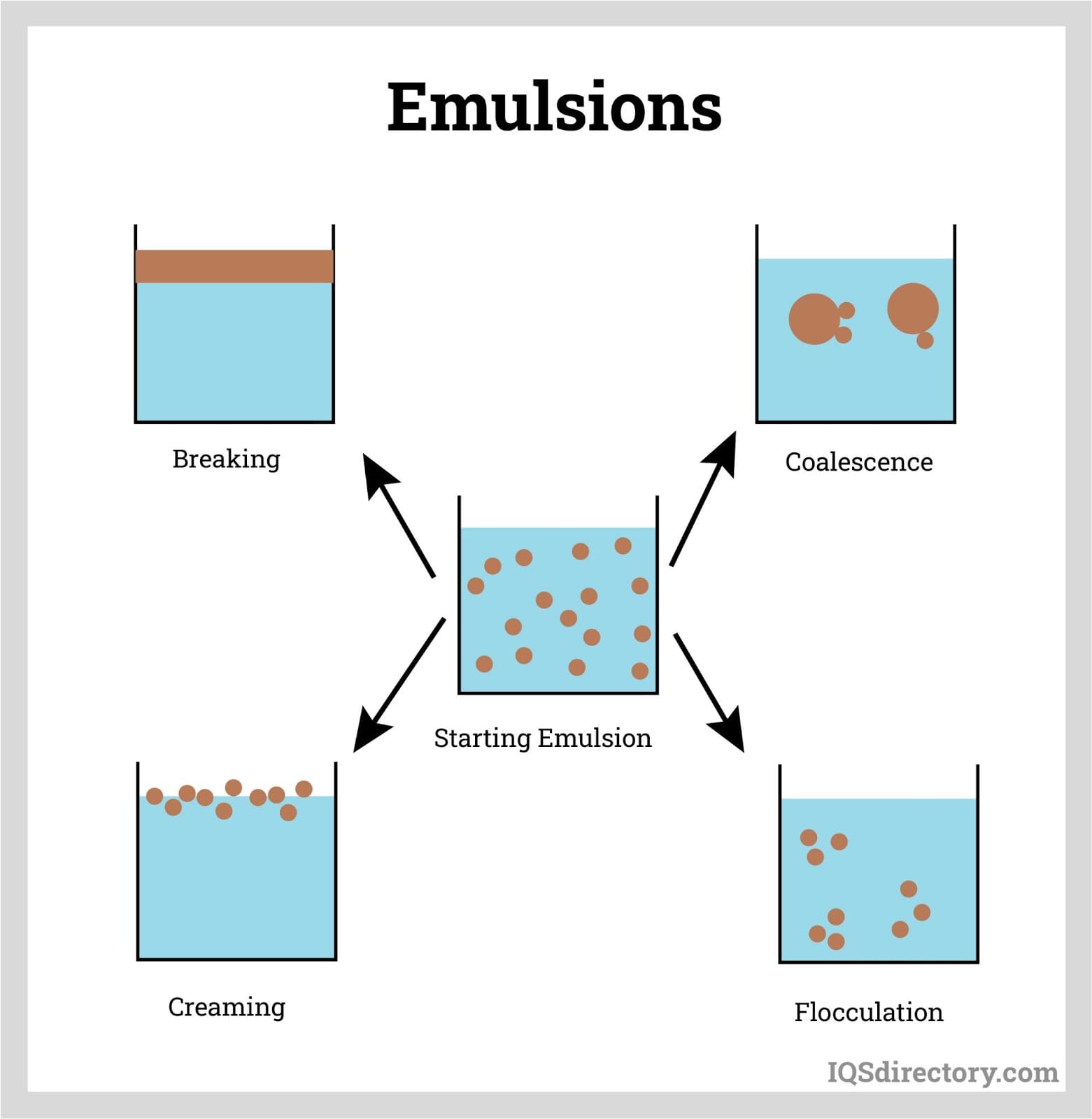
Homogenizers are commonly used to mix and stabilize emulsions and suspensions. An emulsion is a heterogeneous mixture comprising two or more immiscible liquids—such as oil and water—that resist mixing due to factors like interfacial surface tension, molecular polarity, and viscosity. Homogenization enables the even dispersion and reduction of droplet size, transforming typical emulsions into colloidal solutions with improved stability, texture, and shelf-life. Common examples include milk, mayonnaise, paints, and pharmaceutical creams. This process is fundamental to the food and dairy industries, where micro- and nano-emulsions are required to meet quality and safety standards.
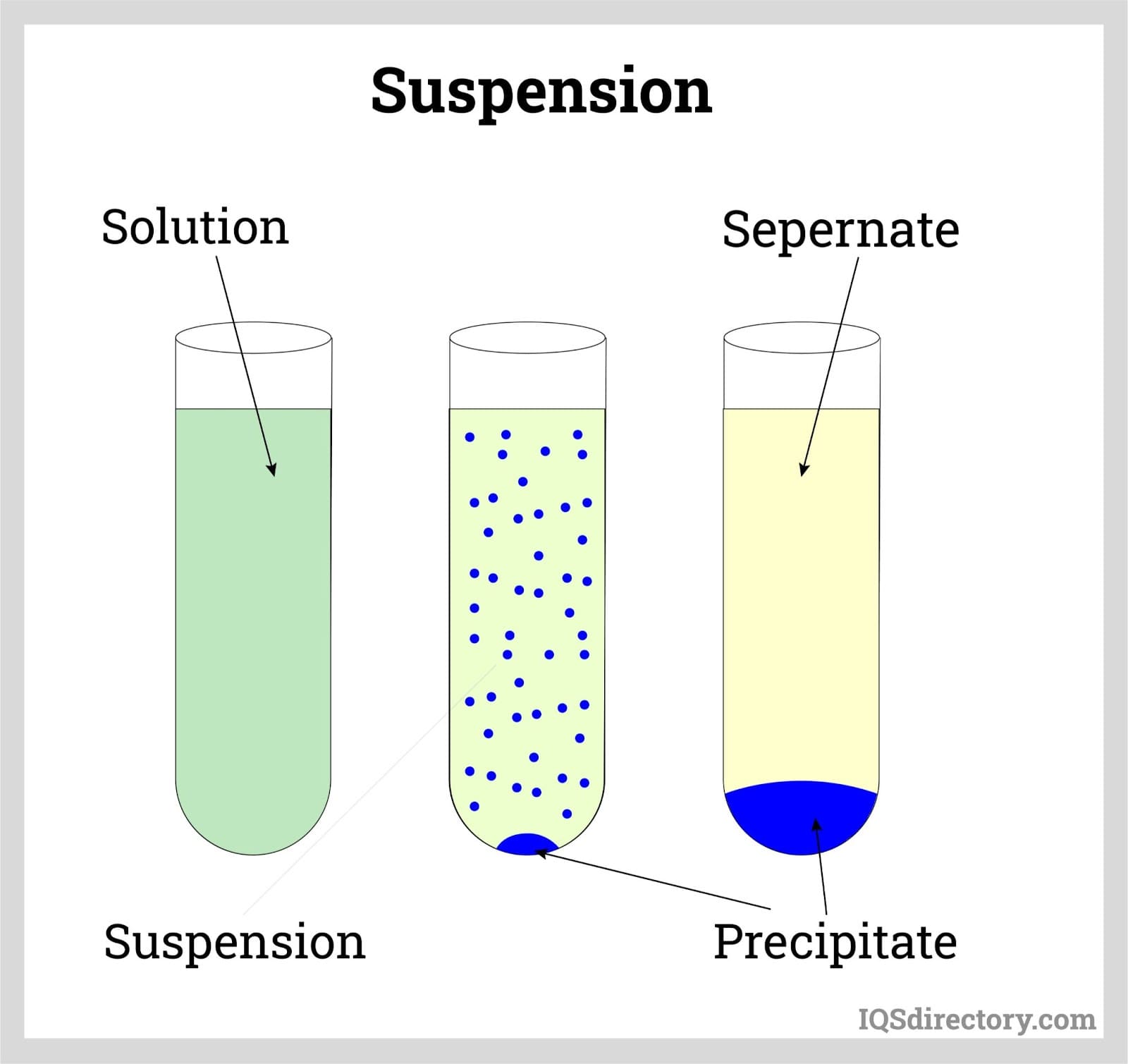
A suspension is a mixture containing dispersed solid particles that do not dissolve and typically settle over time, resulting in phase separation. In suspensions, particle sizes range from visible aggregates to fine particulates—often hundreds to thousands of times larger than in true solutions. These non-homogeneous systems, such as pharmaceutical suspensions, pigment dispersions, and wastewater treatments, require industrial homogenizers to reduce particle size and enhance product uniformity by preventing sedimentation, separation, and agglomeration.
Particles in suspensions can vary widely in size, with some large enough to be seen clearly. Through mechanical shear, impact, and high pressurization, a homogenizer can effectively disperse even coarse particles, ensuring optimal integration of solids with liquids. This results in improved product consistency, bioavailability, and process yield—benefits particularly valued in chemical, biotech, and laboratory sample preparation settings.
Understanding the behavior of different heterogeneous mixtures—such as emulsions, suspensions, and colloids—processed by a homogenizer clarifies its operational value across diverse applications. Homogenization technology works by breaking down and subdividing dispersed phase particles, often via micronization or even nano-milling, into extremely small sizes, while rapidly and evenly distributing them throughout the continuous phase. The homogenizer continuously prevents particle agglomeration and precipitation, resulting in enhanced product stability and improved physical properties, such as increased viscosity and uniform texture.
Homogenization primarily occurs within the homogenizer valve, a critical component that determines efficiency and product quality. Early homogenizer valves utilized a capillary tube and a concave valve seat, constricting fluid flow to convert pressure into high-velocity kinetic energy and providing an impact surface for disintegration. Modern high-pressure homogenizers utilize advanced valve designs, such as flat, conical, or multi-orifice seats, to precisely control the gap and optimize flow conditions for a wide range of product viscosities and required particle size reduction. These technological advances allow for customizable homogenizing conditions, energy efficiency, and improved cleaning protocols.
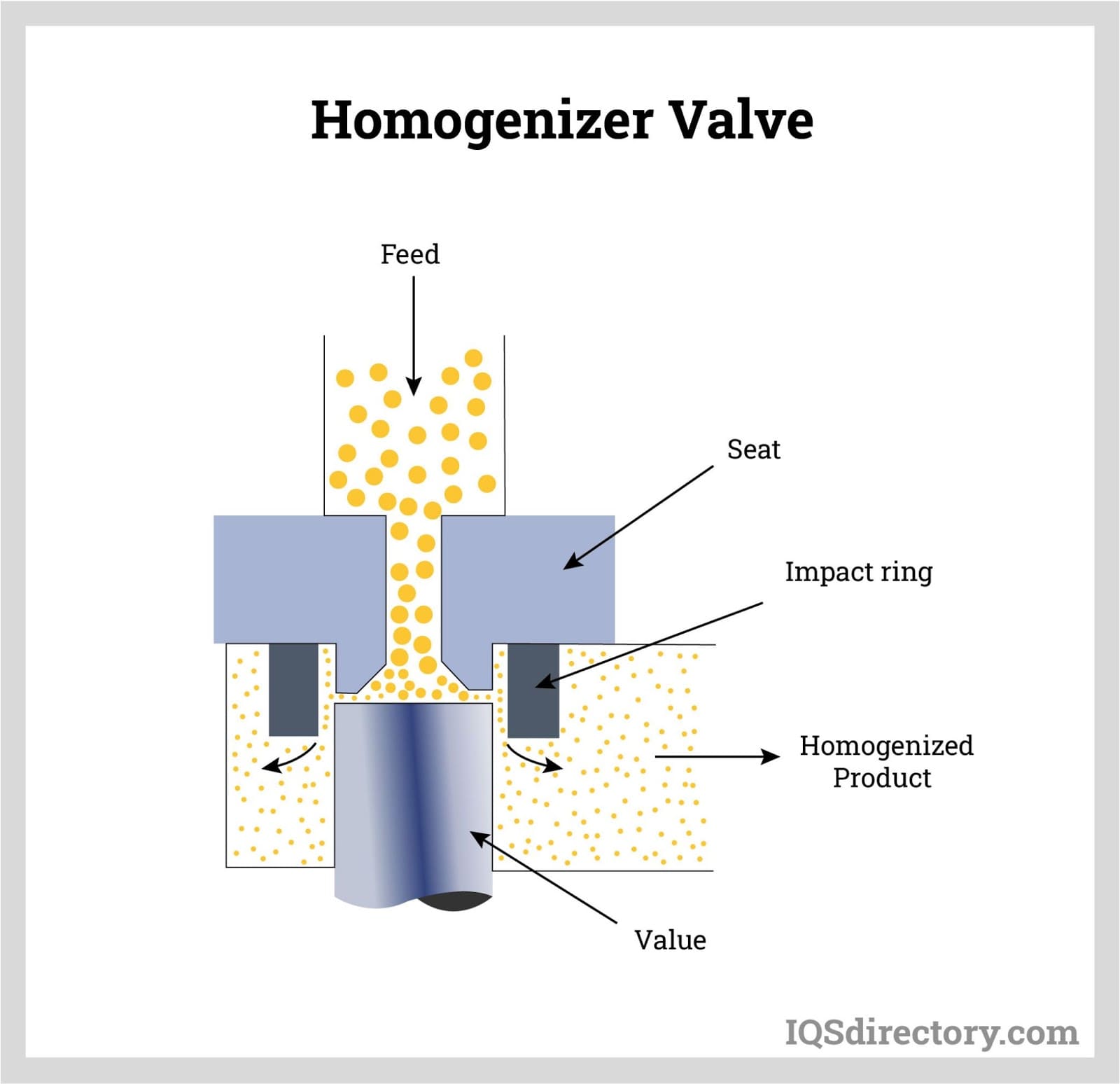
The physical processes that drive homogenization include three core principles:
- Shearing
- Cavitation
- Turbulence
Shearing in liquids stems from friction between adjacent molecules, governed by the fluid’s viscosity. Under flow, particularly between fixed surfaces and moving fluid layers (as in rotor-stator homogenizers), velocity differences create intense shear forces. Large droplets or aggregates trapped between fluid layers moving at different speeds are stretched and broken into smaller particles by mechanical and hydraulic shear. The result is improved dispersion and smaller particle sizes, essential for stable emulsions and suspensions required in pharmaceutical drug formulations, nanoemulsions, and cosmetic creams.

Cavitation arises from a significant drop in fluid pressure as liquid passes through the homogenizer valve at high velocity. A powerful industrial pump introduces the fluid under pressure; as it moves through the narrow gap, pressure converts to kinetic energy, potentially dropping below the fluid’s vapor pressure to create transient vapor cavities. The implosion of these vapor bubbles produces high-energy shockwaves that forcibly break apart suspended particles and droplets, accelerating homogenization. Efficient cavitation amplifies the effectiveness of cell lysis, lump-free blending, and size reduction processes fundamental to biotechnology and nanotechnology applications.
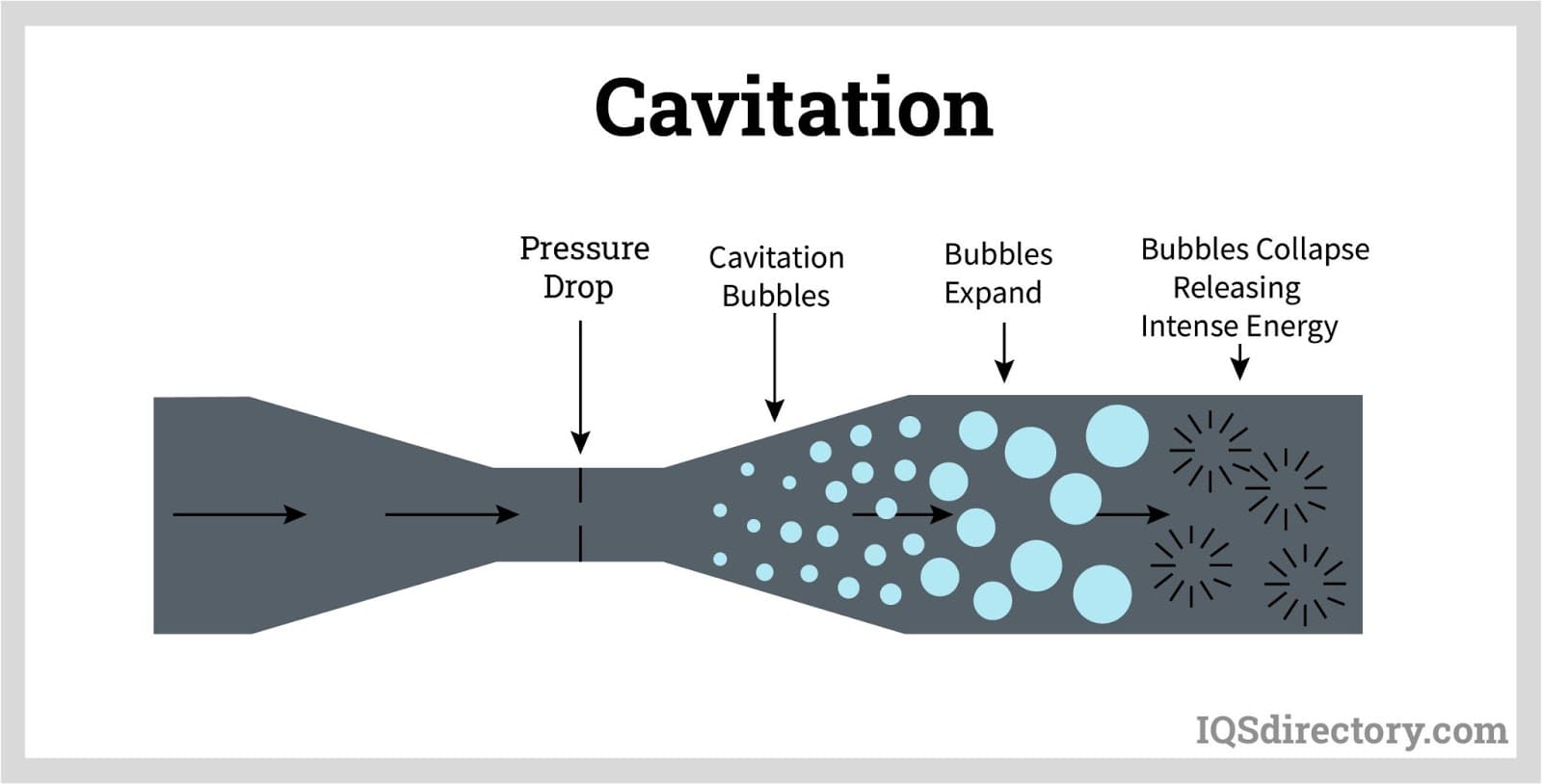
The final principle is turbulence. At elevated flow velocities and through restrictive valve designs, fluid motion becomes highly chaotic and irregular, filled with random eddies and vortices (turbulent flow). These swirling currents dissipate kinetic energy through collisions and fluctuations, exerting physical forces that break up droplets and particles further. The degree of turbulence, regulated by the homogenizer settings, largely determines the final particle size, emulsion stability, and product consistency—vital parameters in quality control for food processing, chemical engineering, and pharmaceutical manufacturing.

The relative influence of shearing, cavitation, and turbulence on the homogenization process depends on several key factors: homogenizer valve design, process pressure, fluid viscosity, temperature control, and feed composition. Most research concludes that turbulence typically serves as the dominant mechanism, especially in high-pressure homogenizers, but advanced ultrasonic and microfluidizer systems may prioritize different principles for specialized results.
It’s important to note that while these physical effects are commonly produced by traditional piston-type or high-pressure homogenizers, several alternative homogenizing technologies—including ultrasonic homogenizers, bead mills, and high-shear mixers—may employ different mechanical actions yet accomplish similar outcomes in terms of particle size reduction, cell disruption, and emulsion formation. Choosing the right homogenizer and operating parameters ensures optimized product quality, processing efficiency, and cost-effectiveness tailored to each industry’s requirements.
Chapter 4: What Are Mechanical Homogenizers?
Mechanical homogenizers utilize mechanical work to break down the components of the premix. They operate similarly to high shear mixers, allowing the introduction of the premixed fluid at atmospheric, low, or medium pressures—much lower than those used in high-pressure homogenizers. Instead of a valve, mechanical homogenizers use rotating elements such as cones, blades, and paddles. These rotors are paired with an appropriate stator to create optimal homogenization conditions. The process relies on mechanical tearing from the moving parts, though the core physical principles of particle disruption still apply.
Here are some of the most commonly used types of mechanical homogenizers.
Colloid Mill
A colloid mill is a type of homogenizer featuring a conical rotor and stator. The rotor and stator are positioned with a narrow gap through which the premix flows under the influence of shear and centrifugal forces. As the premix is fed into the rotor-stator unit from a hopper, it is propelled outward through the exit slots or holes. The rotor's high-speed rotation, ranging from approximately 3,000 to 15,000 rpm, generates significant shear forces that break down the premix components. Additionally, the rotor's acceleration of the fluid achieves high velocities, leading to the development of turbulence.
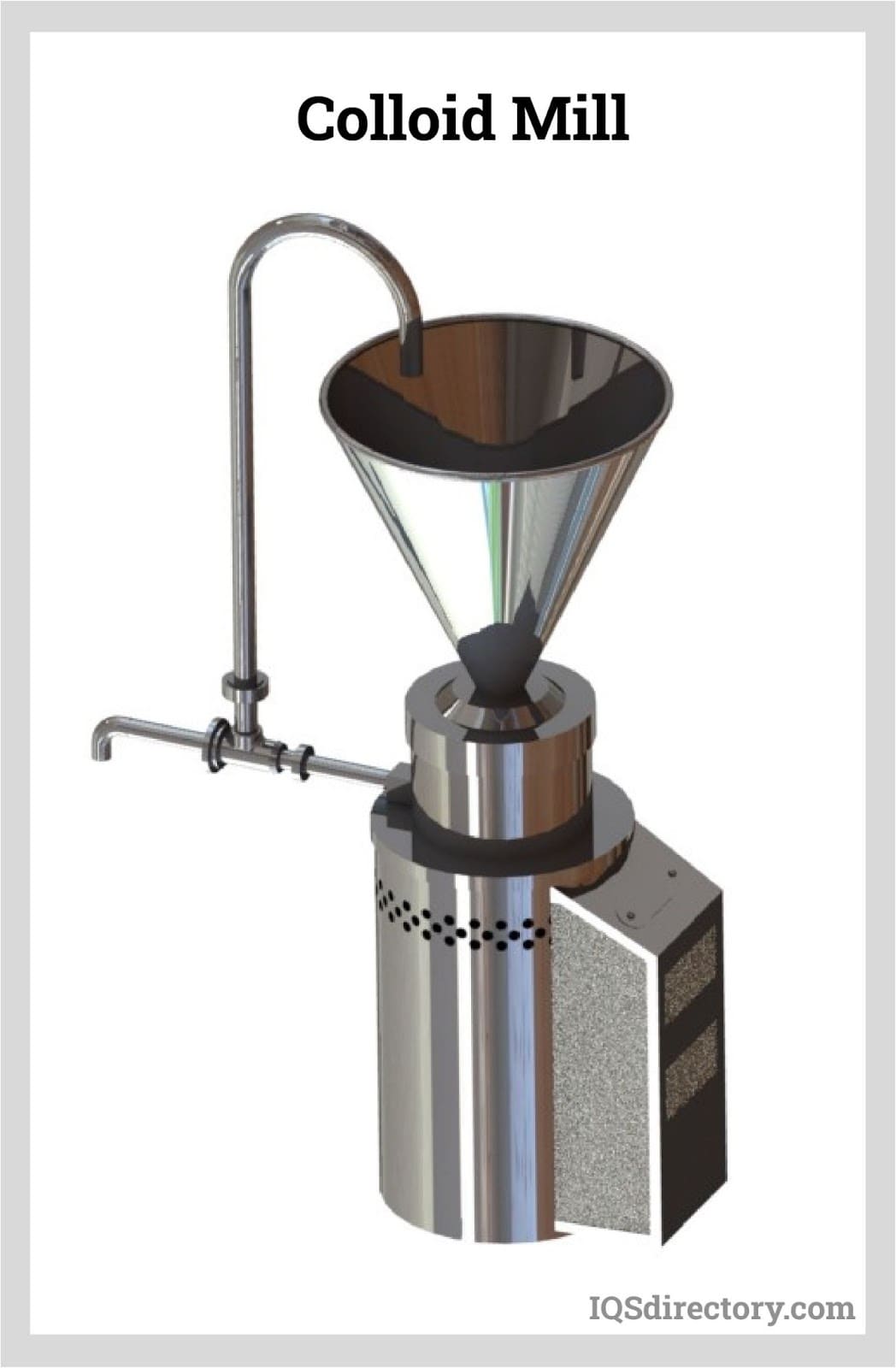
The level of shearing in a colloid mill can be controlled by adjusting the gap between the rotor and stator. However, reducing this gap can decrease the product's flow rate, which limits the fineness of the particle size compared to high-pressure or ultrasonic homogenizers.
Colloid mills are particularly effective for handling highly viscous materials or products with a significant amount of suspended solids.
Rotor-Stator Homogenizers
These homogenizers have a construction that closely resembles high-shear mixers. The rotor-stator unit, often referred to as a mixing head, generator, or probe, is inserted into a container such as a batching tank or vessel where it performs the homogenization of the premix fluid.
Rotor-stator homogenizers operate by accelerating the fluid in a tangential direction. However, due to fluid inertia, the fluid does not completely synchronize with the rotor's motion. Instead, it is directed towards the shear gap, the space between the rotor's edge and the stator. This results in high-velocity differentials and turbulent flow within the shear gap, leading to high shear rates. The resulting particle size is influenced by the design of the rotor and stator, including their separation distance and any additional features like holes and slots.
The materials are drawn into the rotor-stator system in a spiral motion due to the high-speed rotation. The combined action of suction and high shearing forces in the shear gap processes the fluid. Rotor-stator homogenizers are not suitable for solid samples and can be labor-intensive when processing multiple samples.

Bead Mill
Bead mills, also known as ball mills, use beads as grinding media to mechanically crush and break down large particles suspended in the premix fluid. These beads create strong impact and shearing forces that reduce particle size effectively.
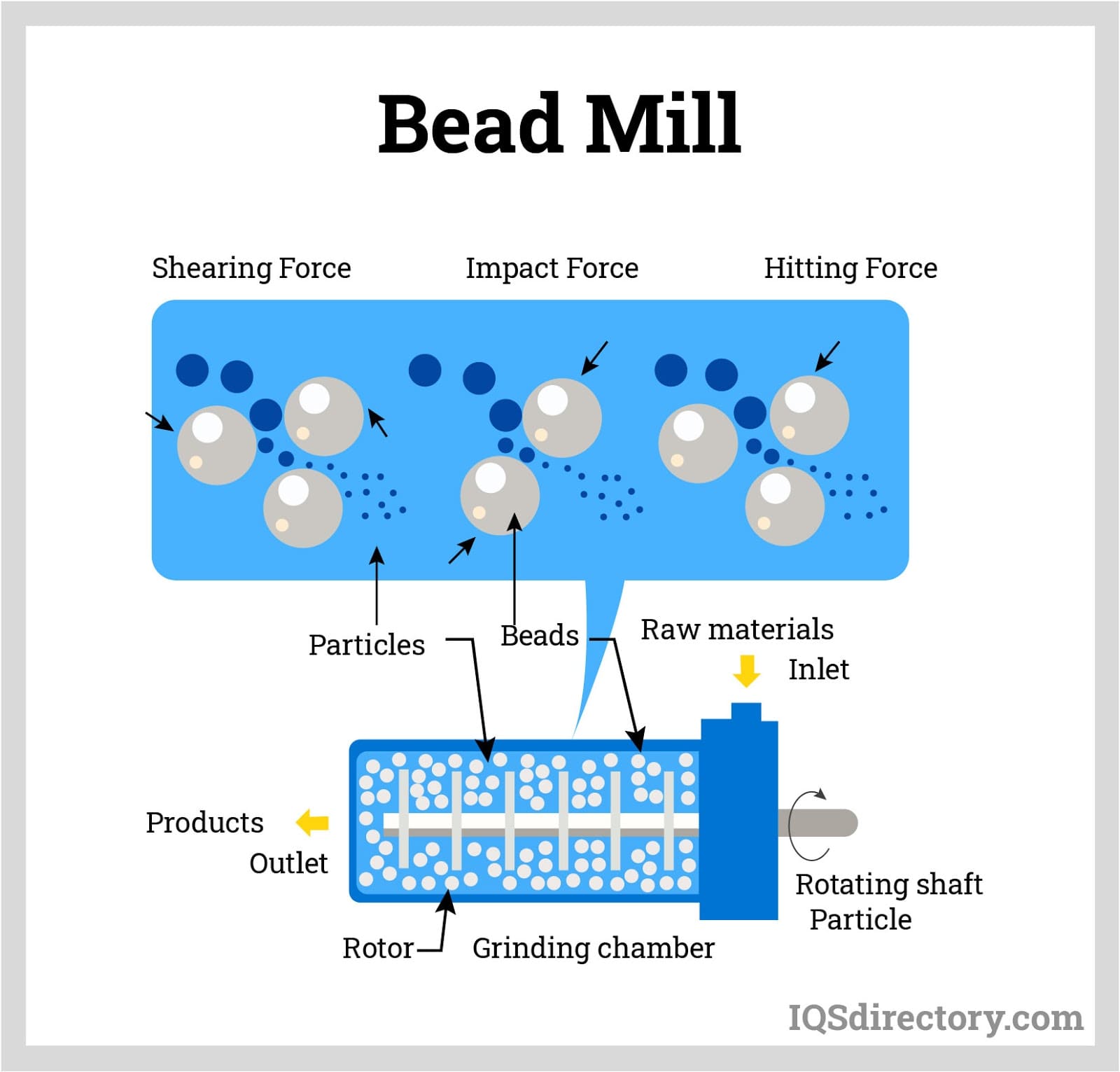
The beads are loaded inside the container and are in contact with the premix fluid. They are then agitated by internal, rotating components such as paddles and blades. Agitation can also be done by centrifugally spinning the container at extremely high speeds. Agitation using rotating components is typically seen in larger homogenizers in line with the production stream. Agitation through a centrifugal action is commonly used in laboratories for preparing homogenized product samples.
Blade Type Homogenizers
These homogenizers utilize blades as their rotors, and unlike colloid mills and rotor-stator homogenizers, they lack a shear gap formed with a stator. The shearing action is achieved solely through the high-speed rotation of the blades. Their design and functionality are similar to those of a blender.
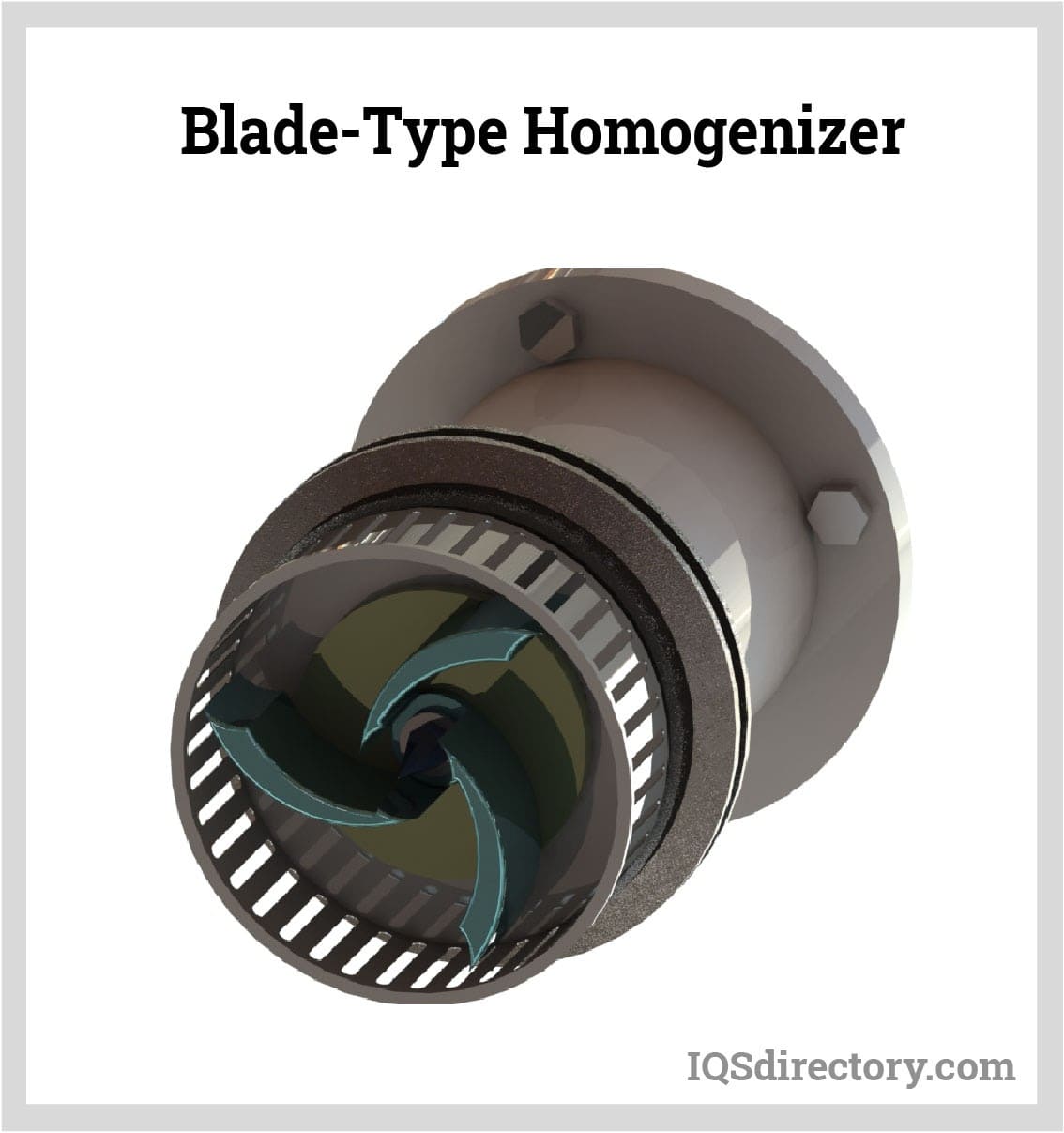
Blade-type homogenizers generally offer lower efficiency compared to rotor-stator models. While they are effective at creating well-emulsified and dispersed mixtures, they do not achieve the fine particle sizes produced by other homogenizer types. To enhance their homogenizing performance, abrasive media like beads can be employed.
Chapter 5: What Are Ultrasonic Homogenizers?
Ultrasonic homogenizers, also referred to as sonicators or sonic disruptors, utilize the principle of ultrasonic cavitation. These devices operate at ultrasonic frequencies, typically above 20 kHz, to generate sound waves. Cavitation occurs through the creation of alternating periods of rarefaction and compression, leading to the primary disruption of components via cavitation effects.

During the rarefaction phase of an ultrasonic wave, vapor cavities form, while the compression phase causes these cavities to collapse. Each cycle of the ultrasonic wave includes these alternating periods. Although these cavities are microscopic and invisible during operation, they represent high-energy, localized regions capable of reaching very high temperatures and pressures.
Ultrasonic homogenizers consist of three main components:
- Generator: The generator is the part that receives electrical power and converts it into a suitable form for energizing the transducer at the desired frequency. The standard electrical frequency of power utility systems is 50 and 60 Hz. Since ultrasonic frequencies range from 20 kHz and above, the power supply frequency must be changed to the appropriate range. The power supply frequency depends on the properties of the premix fluid and must be fine-tuned to create properly sized cavities.
- Transducer: The transducer uses the high frequency, oscillating electrical current supplied by the generator and converts it into ultrasonic vibration. The most common type of transducer is the piezoelectric type. Piezoelectric transducers operate through inverse-piezoelectricity, which is the ability of a material to elongate or contract upon the application of an electric current.
- Probe: The probe is what is in contact with the premix fluid. One end of the probe is connected to the transducer, which causes it to vibrate at the desired frequency. The probe’s vibration is transferred to the premix fluid, where cavitation is developed.
Ultrasonic homogenizers are similar to high-pressure homogenizers regarding particle size reduction and energy efficiency. They operate at atmospheric pressure, which is a key advantage. Additionally, the level of disruption can be adjusted by changing the generator’s electrical power and the temperature of the premix fluid, all without requiring moving parts.
Chapter 6: What Extra Functions Can a Homogenizer Perform?
Aside from producing emulsions and suspensions through particle size reduction and mixing, homogenizers also perform other functions, particularly in the food and pharmaceutical industries. Their ability to mechanically disrupt microorganisms and natural compounds extends their viability as processing equipment. However, these roles are limited to high-pressure, ultrasonic, and bead mill homogenizers. These homogenizers can disrupt particles down to the nanoscale, ranging from 50 to 500 nm.
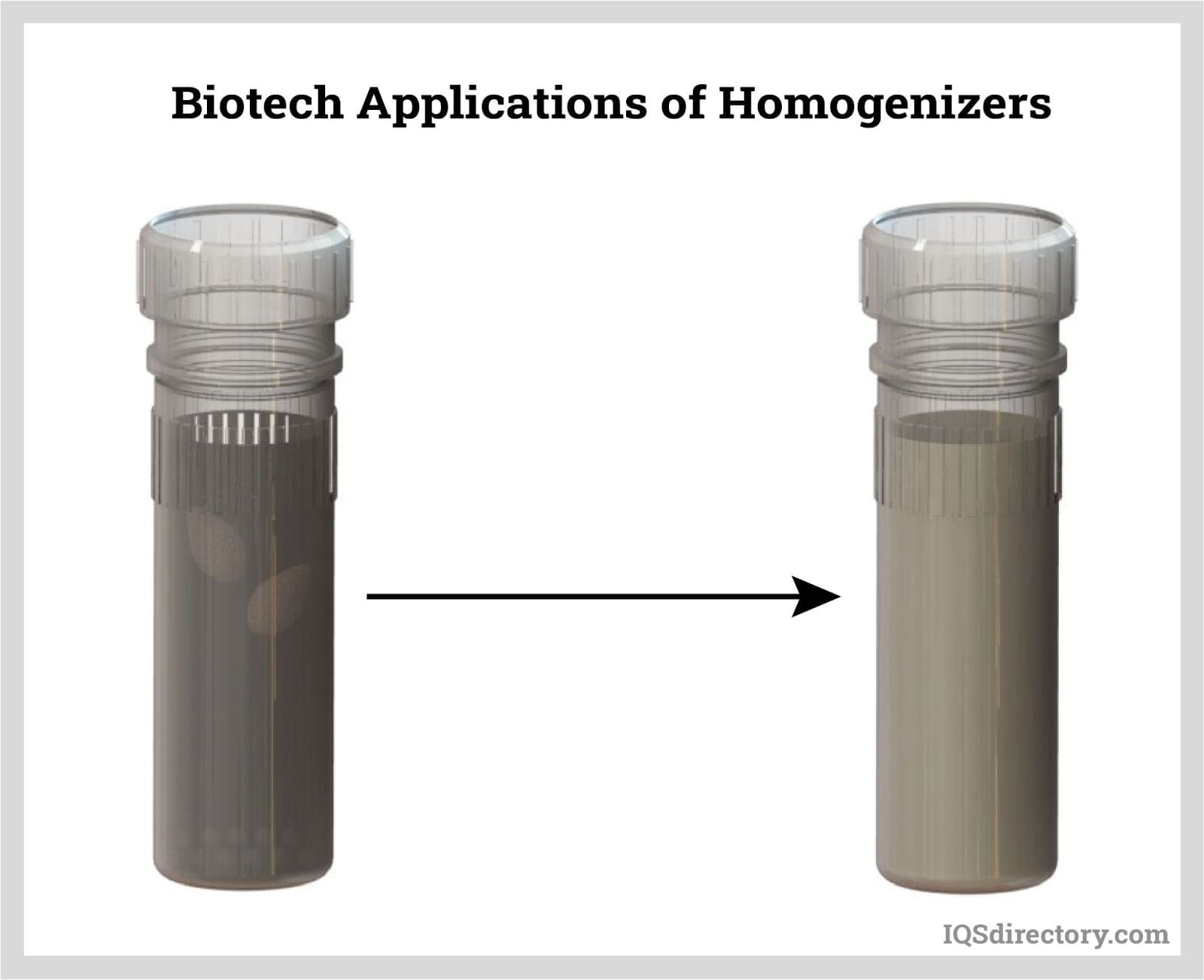
- Microbial Inactivation: Microbial inactivation is one of the main process objectives in food and pharmaceutical manufacturing. Homogenizers induce this by finely breaking the cell structure of dispersed microorganisms. This potentially eliminates the risk of microbial growth, prolonging the product’s shelf life. Since homogenization relies on mechanical actions to disintegrate microorganisms, it becomes a particularly important alternative to heat treatment or pasteurization, both of which can degrade product quality.
- Cell Fractionation: Cell fractionation is the process of rupturing a cell while keeping its internal components intact. Controlling the degree of homogenization allows cell disruption and the preservation of intracellular components. The recovery of intracellular components is widely used in the biotech industry for making agricultural and pharmaceutical bioproducts.
- Enzyme Activation/Inactivation: High-pressure homogenization can modify the structure of enzymes. Enzymes are proteins acting as catalysts that speed up biological processes. By carefully controlling the homogenization pressure, enzymes can be targeted for activation or deactivation. This function presents a potential application in beverage and liquor production.
- Compound Extraction: Compound extraction using homogenizers is called Homogenizer-assisted Extraction or HAE. The dynamic pressure experienced by biological matter through a homogenizer improves the stability and extractability of high-value compounds such as polyphenols, flavonoids, lycopene, and so on.
Conclusion
A homogenizer is a type of mixing equipment used to create a uniform and consistent mixture. It works by breaking the components and evenly distributing them throughout the solution.
Homogenizers were invented by Auguste Gaulin for homogenizing milk. The equipment was composed of a three-piston, positive displacement pump with capillary tubes fitted at the discharge.
The homogenization process happens within the homogenizer valve, which is the main component of the equipment.
Homogenizing action is created by the combined effect of three main physical principles: shearing, cavitation, and turbulence.
The three main classifications of homogenizers are high pressure (HPH), mechanical, and ultrasonic.
In addition to emulsification and dispersion, homogenizers perform other functions. Examples are microbial inactivation, cell fractionation, enzyme activation/inactivation, and compound extraction.